
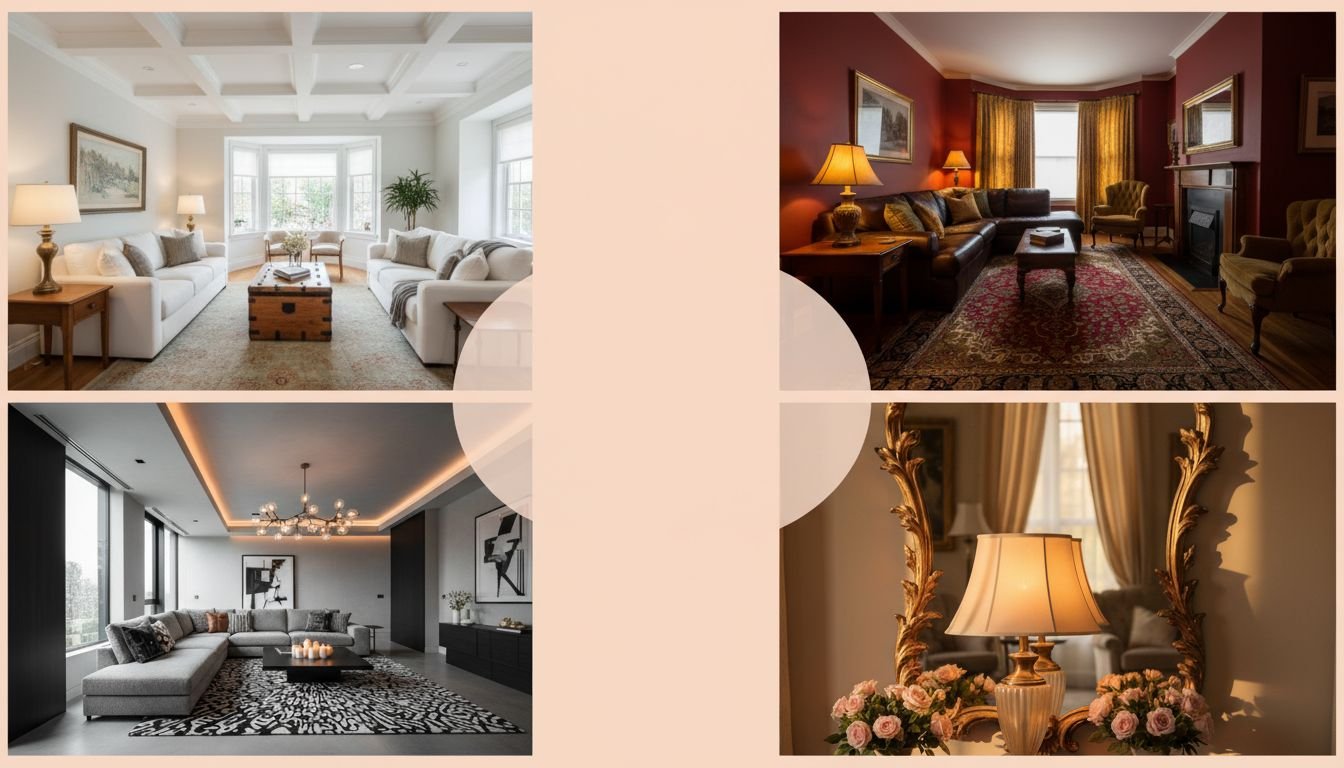
You want a home that looks like it belongs on the cover of Architectural Digest, but your bank account is telling you to stick to IKEA hacks. Here is the truth: luxury is not about how much money you spend. It is about curation, intentionality, and knowing which details trick the eye into seeing “high-end.”
This guide breaks down exactly how to achieve that quiet luxury aesthetic without a renovation crew. We are skipping the generic advice and diving straight into the specific, actionable changes that offer the highest return on investment for your interior design. From hardware swaps to lighting secrets, these are the exact strategies designers use to elevate spaces for a fraction of the cost.
Key Takeaways
- Lighting is everything: Swapping builder-grade fixtures for statement pieces is the single fastest way to increase perceived value.
- Texture over color: A neutral palette requires rich, varied textures (velvet, linen, wood, metal) to avoid looking flat or cheap.
- Scale matters: One large, oversized piece of art or furniture looks significantly more expensive than cluttering a room with many small items.
- Hardware hacks: Changing knobs, pulls, and faucets to a cohesive metal finish instantly dates or updates a home.
- The power of paint: Deep, moody hues or crisp, warm whites can transform standard drywall into a sophisticated backdrop.
Table of Contents
- Use a Neutral Color Palette
- Add Crown Molding
- Upgrade Your Lighting Fixtures
- Incorporate Mirrors
- Use Symmetry in Your Layout
- Go for Oversized Art
- Mix Textures and Materials
- Add a Statement Rug
- Style Coffee Tables and Consoles
- Invest in Good Hardware
- Declutter and Simplify
- Upgrade Window Treatments
- Decorate with Fresh or Faux Greenery
- Use Metallic Accents
- Add Paneling or Wall Trim
- Popular Asked Questions
- Conclusion
Use a Neutral Color Palette
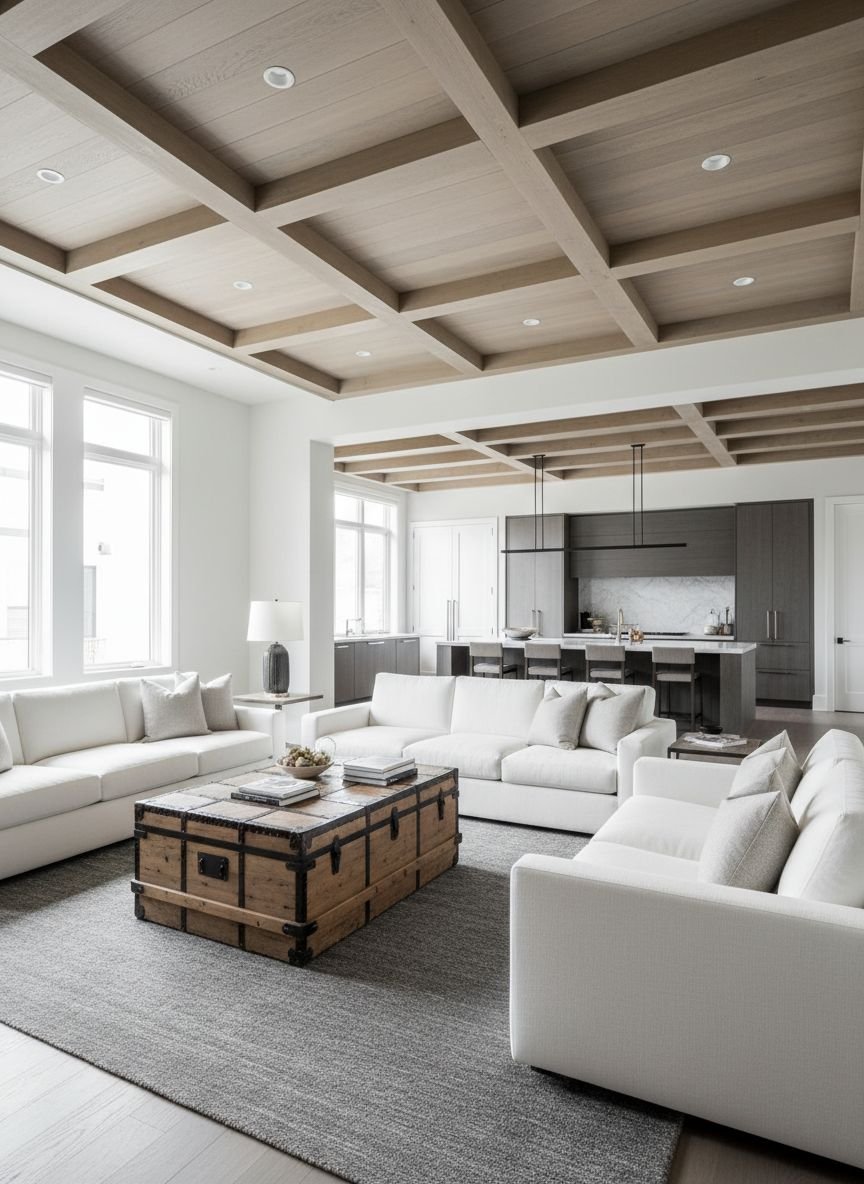
A neutral color palette is the hallmark of affordable luxury home decor. When you look at high-end hotels or designer portfolios, you will rarely see jarring, bright colors clashing on the walls. Instead, they rely on “quiet” colors like warm whites, greige (grey-beige), taupe, and soft charcoals. These shades act as a blank canvas that allows your furniture and architecture to take center stage. By keeping the walls neutral, you create a sense of flow and expansiveness that makes even small budget homes feel grander.
To implement this, choose a core neutral shade and use it in varying intensities throughout the house. This does not mean your home has to be boring. You can add depth by painting trim a shade darker than the walls or using a matte finish for a velvety, expensive look. A monochromatic scheme hides imperfections in older walls and makes inexpensive furniture look more intentional.
Pro Tip: Apply the “60-30-10” rule with neutrals. 60% dominant neutral (walls), 30% secondary neutral (upholstery), and 10% accent (wood tones or black) to maintain visual interest without chaos.
Add Crown Molding
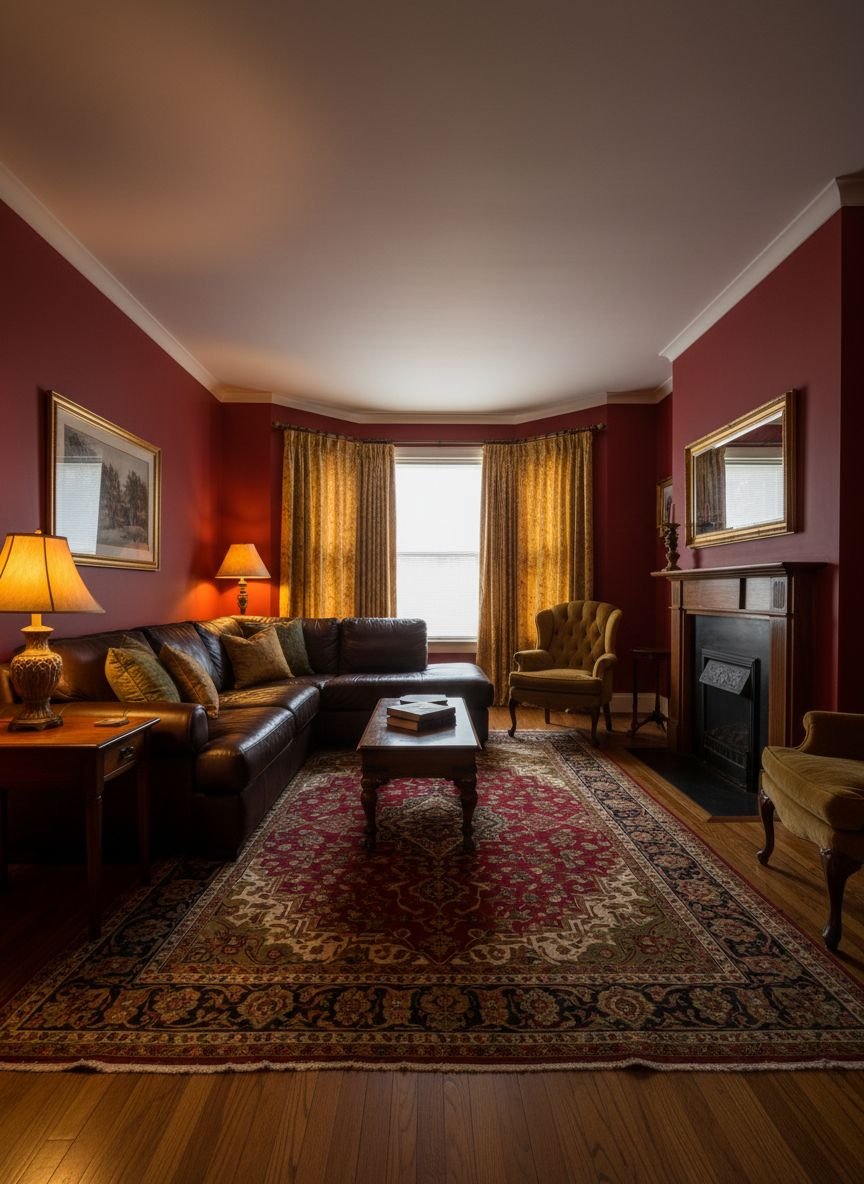
Nothing screams “custom build” quite like architectural details, and crown molding is the king of these upgrades. In many standard builder-grade homes, the junction where the wall meets the ceiling is left bare, which can make a room feel unfinished or boxy. Adding crown molding softens this transition and draws the eye upward, making ceilings appear higher and the room more stately.
You do not need to hire a carpenter to get this look. DIY wainscoting ideas and foam crown molding kits are lightweight, easy to cut, and can be installed with construction adhesive instead of nails. Once painted to match your ceiling or trim, these lightweight alternatives are indistinguishable from solid wood. For a modern luxury look, opt for a simple, flat profile rather than an ornate, traditional curve.
Pro Tip: Paint your crown molding the same color as your ceiling but in a semi-gloss finish. This slight sheen contrast against matte ceiling paint reflects light and adds a subtle layer of sophistication.
Upgrade Your Lighting Fixtures
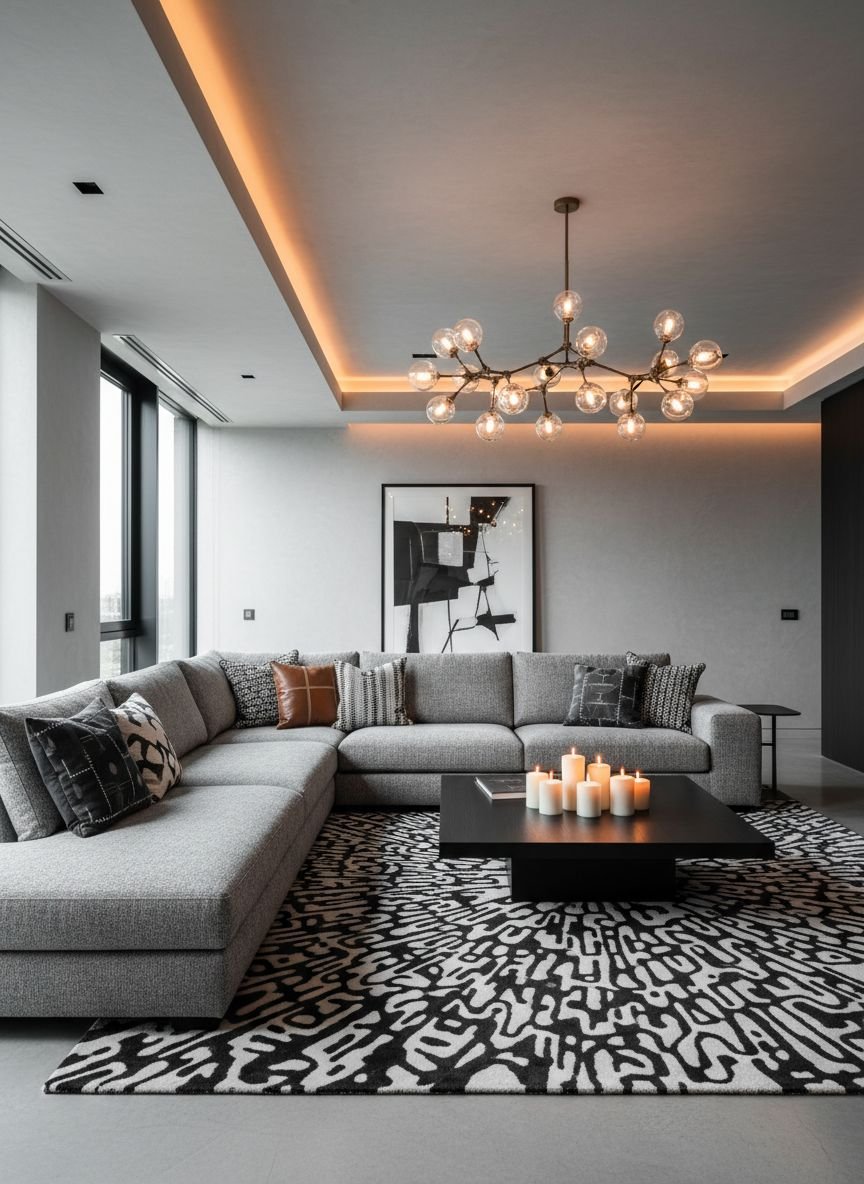
Lighting is often referred to as the “jewelry” of the home. Standard “boob lights” or generic flush mounts are dead giveaways of a rental or budget space. Replacing these with statement lighting on a budget is a transformative hack. A chandelier, a sculptural pendant, or even sleek modern track lighting can become the focal point of a room, distracting the eye from less expensive elements like flooring or furniture.
When selecting fixtures, look for materials that mimic high-end finishes like aged brass, matte black, or seeded glass. You can often find designer dupes at big-box hardware stores or thrift shops. The key is to layer your lighting. Do not rely on a single overhead source. Combine floor lamps, table lamps, and wall sconces to create pools of warm light. This layered approach creates ambiance and mood, which is essential for that cozy, expensive feel.
Pro Tip: Always use warm white bulbs (2700K to 3000K). Cool daylight bulbs (5000K+) can make a home feel like a hospital or a cafeteria, killing the luxury vibe instantly.
Incorporate Mirrors
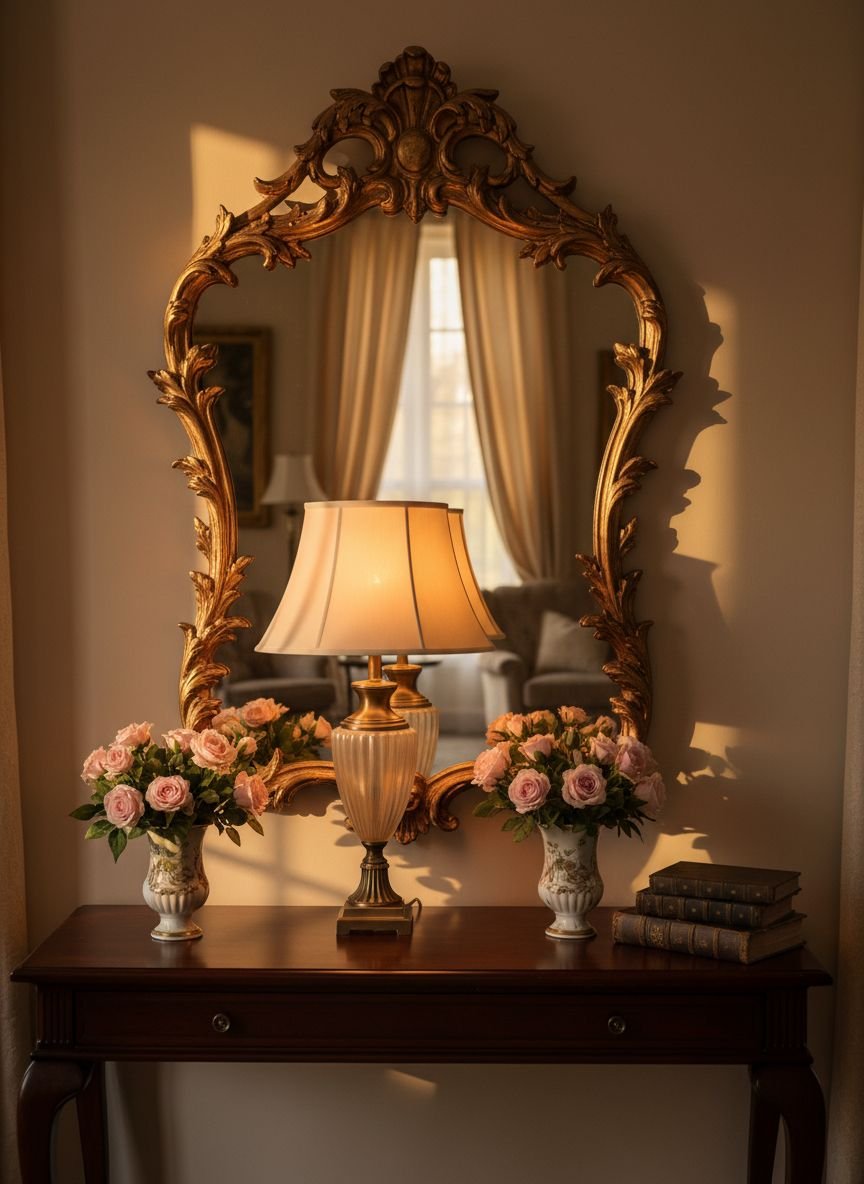
Mirrors are the oldest trick in the interior design book for a reason. They amplify natural light and visually double the square footage of a room. For a luxury aesthetic, think big. A tiny mirror looks like clutter; a massive floor mirror leaning against a wall looks like an art installation. Placing a large mirror opposite a window reflects the outdoors, bringing greenery and light inside, which makes the space feel airy and expensive.
You can find affordable large mirrors at estate sales or discount home goods stores. If you find a cheap mirror with a plastic frame, a coat of gold or black spray paint can instantly upgrade it. Consider creating a “mirror gallery wall” using vintage frames for a collected, Parisian apartment vibe. The reflection adds depth to the room, making budget friendly living room makeover projects feel much more substantial.
Pro Tip: Place mirrors behind table lamps or wall sconces. The mirror will reflect the light source, doubling the glow and adding a sparkling, magical quality to the room in the evening.
Use Symmetry in Your Layout
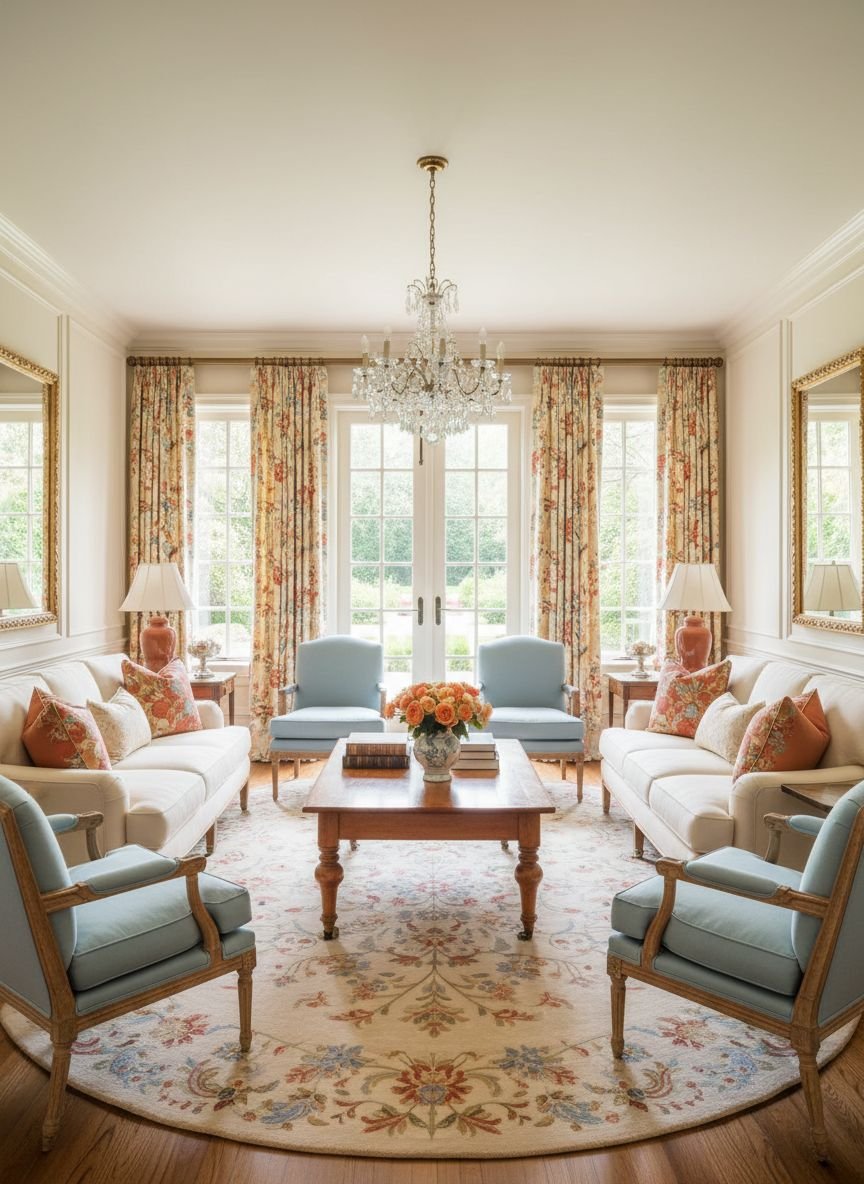
Our brains are hardwired to find symmetry pleasing and calming. It suggests order, balance, and stability, all of which are subconscious cues for luxury. Walking into a room where matching lamps flank a sofa, or where chairs are paired perfectly opposite each other, feels “designed” rather than just “furnished.” This is a completely free styling tip that requires no purchases, just rearrangement.
Start with your focal point, such as a fireplace, a large window, or a bed. Build your furniture arrangement out from that center point in pairs. If you have a console table, place identical vases or candlesticks on either end. This mirror-image styling creates a formal, polished look often found in high-end estates and hotels. It brings a sense of intentionality to your minimalist home styling tips, proving that you do not need more stuff, just better placement.
Pro Tip: If you cannot achieve perfect symmetry due to room shape, aim for “visual balance.” A large floor lamp on one side can be balanced by a tall plant or a stack of art on the other side.
Comparison: Paint Finishes for a Luxe Look
Choosing the right sheen is just as important as the color.
| Finish | Best Application | Luxury Factor | Cons |
|---|---|---|---|
| Flat/Matte | Ceilings, Low-traffic walls | High. Hides imperfections, looks velvety and deep. | Hard to clean. Scuffs easily. |
| Eggshell | Living rooms, Bedrooms | Medium. Subtle glow, durable enough for wiping. | Can look standard/builder-grade if not a custom color. |
| Satin | Trim, Doors, Kitchens | High. distinct contrast against matte walls. | Shows brush strokes if not applied carefully. |
| High Gloss | Furniture, Statement Ceilings | Very High. Dramatic, glass-like, bold. | Highlights every single dent or scratch. Requires perfect prep. |
Related posts :
- 14 Genius Tiny Bedroom Ideas That Instantly Double Your Space
- 16 Inspiring Shower Tile Combinations That Transform Your Bathroom Into a Spa
- 13 Creative Pillow Free Crochet Patterns (The Ultimate Resource Hub)
Go for Oversized Art
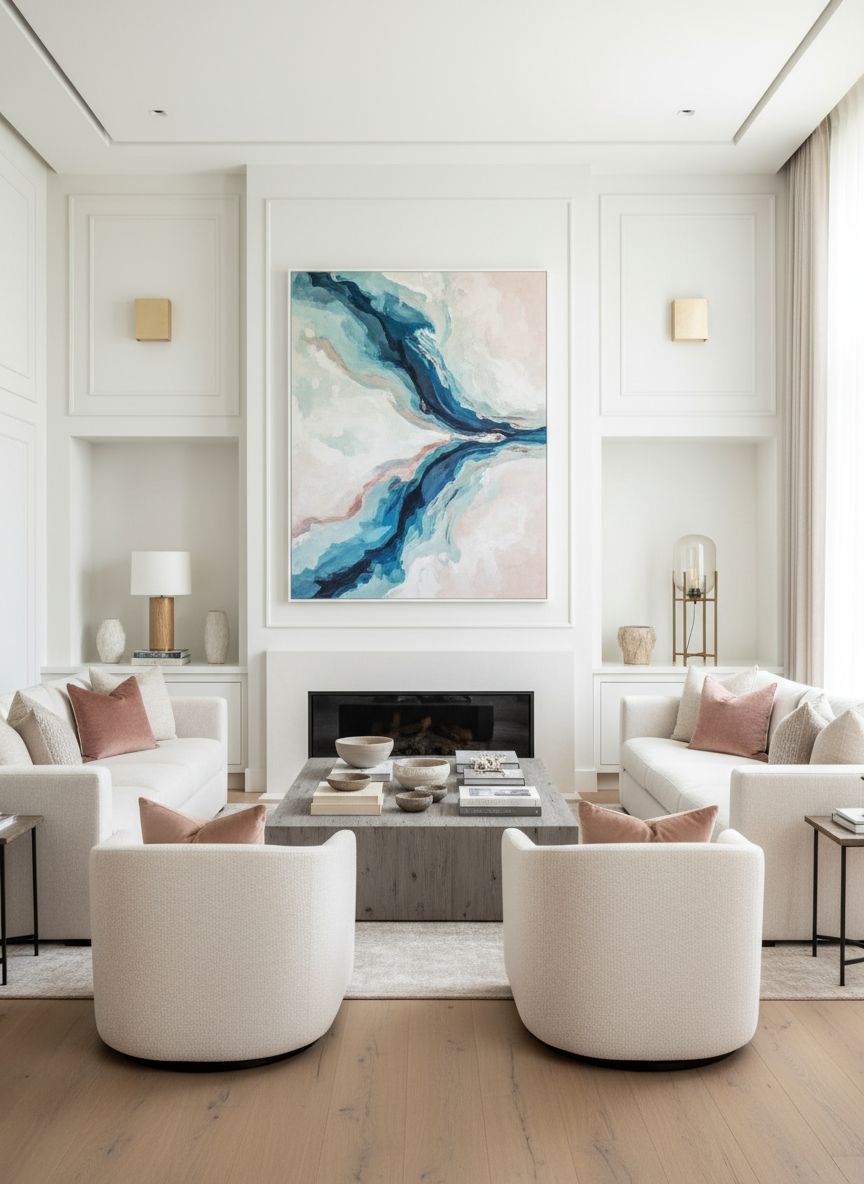
One of the biggest mistakes in budget decorating is using art that is too small for the wall. A small frame floating in the middle of a large wall looks cheap and apologetic. To achieve an expensive looking interior design, you need to scale up. A single, massive piece of art commands attention and acts as an anchor for the room. It feels bold and confident, traits associated with luxury design.
You do not need to spend thousands at a gallery. You can buy a large canvas from a craft store and paint your own abstract design using leftover wall paint for a cohesive look. Alternatively, purchase a high-resolution digital download from an artist and have it printed as a large engineering print at a local office supply store for a few dollars. Frame it in a sleek, thin frame for a modern gallery look.
Pro Tip: If you cannot afford one huge piece, group smaller pieces together in a tight grid. Six identical frames hung with only 2 inches of space between them read as one large installation.
Mix Textures and Materials
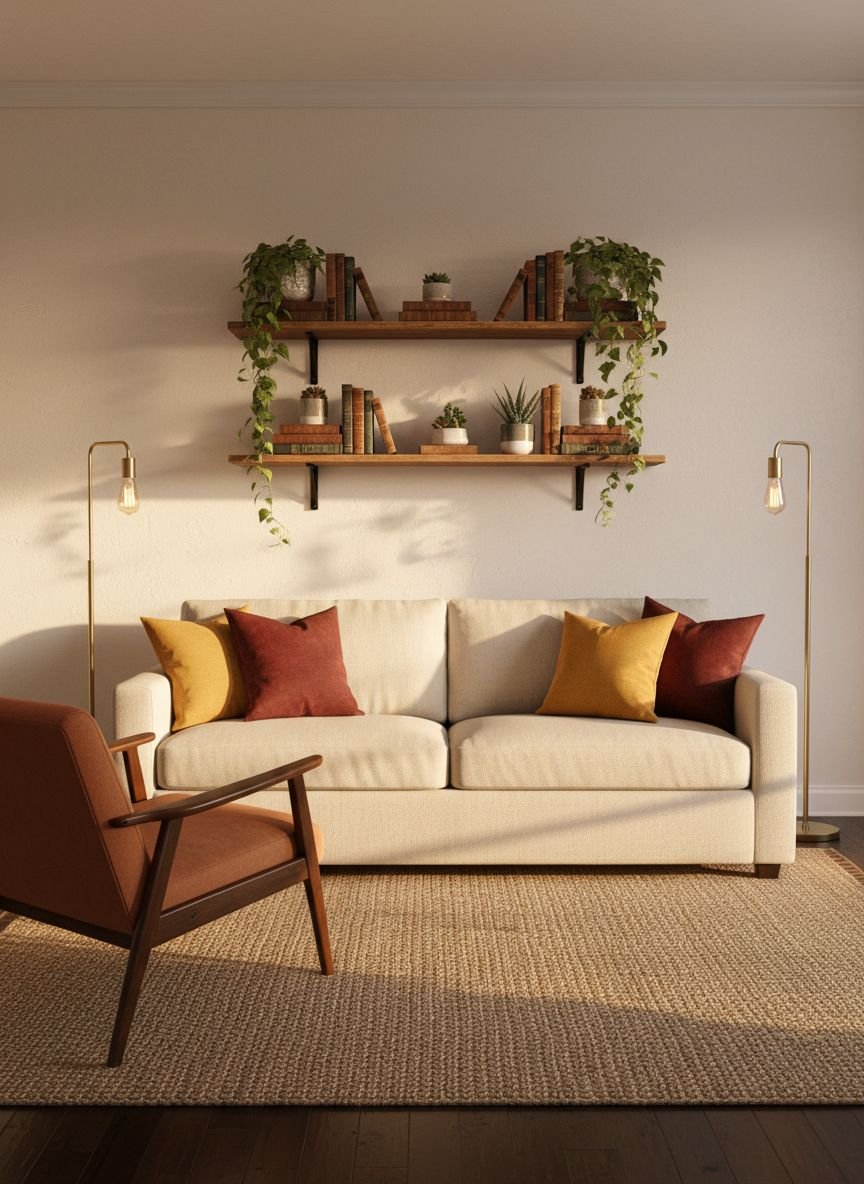
A room where everything matches perfectly (wood floor, wood table, wood side tables) feels flat and one-dimensional. Luxury is tactile. It invites you to touch. To make a budget space feel rich, you must layer different textures. Think of a thrift flip home decor project where you mix a rough jute rug with a smooth velvet sofa, a shiny brass lamp, and a raw wood coffee table.
Contrast is key here. If you have a sleek leather couch, throw a chunky knit blanket over it. If you have a glass table, place it on a high-pile wool rug. These layers add visual weight and complexity to the room. It suggests that the room was collected over time rather than bought in a single trip to a furniture showroom. This depth creates a cozy, inviting atmosphere that feels significantly more expensive than it is.
Pro Tip: Use the “rough, smooth, shiny” rule. Every room should have something rough (wicker, linen, wood), something smooth (leather, velvet), and something shiny (glass, metal, mirror).
Add a Statement Rug
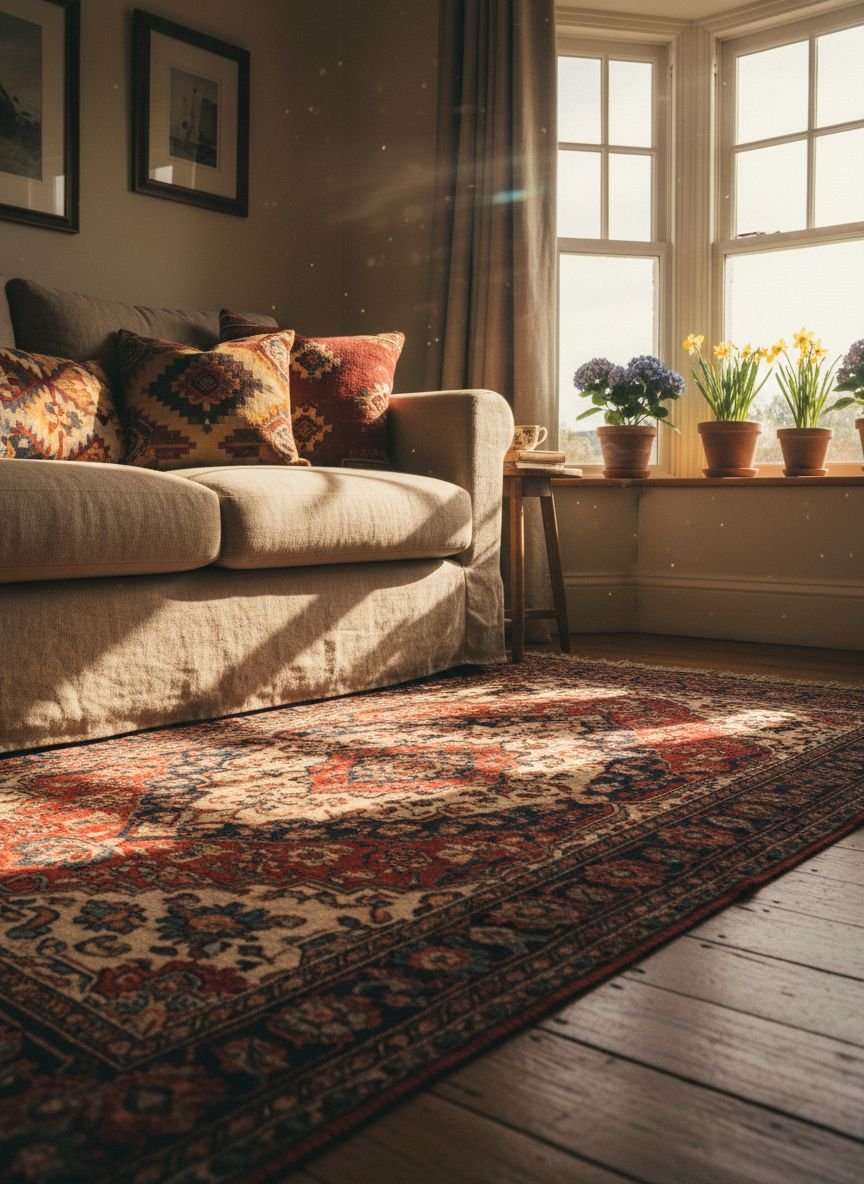
Flooring is expensive to replace, but a rug can hide a multitude of sins. A statement rug serves as the foundation of your room’s design. It defines the “zone” in open-concept spaces and adds immediate warmth and color. For a high-end home hack, choose a rug that is large enough. A common budget error is buying a rug that is too small, which makes the room feel shrunken and disjointed.
Ideally, all furniture legs should sit on the rug. If that is not possible, at least the front legs of your sofa and chairs should be on it. Vintage-style Persian rugs or Turkish kilims (even synthetic reproductions) hide dirt well and add a sense of history and character. Natural fiber rugs like sisal or jute are affordable options that add great texture and layer beautifully under smaller, patterned rugs.
Pro Tip: Layering rugs is a designer secret. Place a smaller, expensive vintage rug on top of a large, inexpensive jute rug. This gives you the coverage you need without the massive price tag.
Style Coffee Tables and Consoles
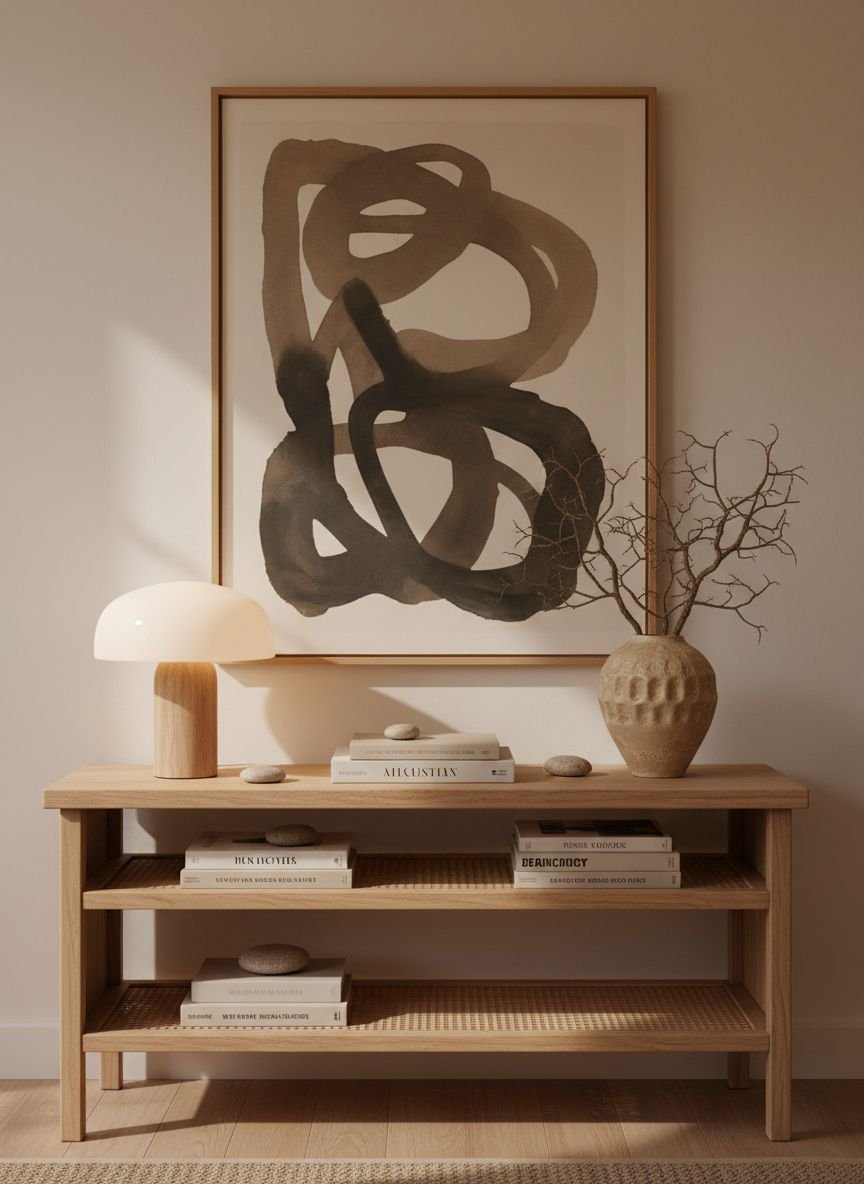
Flat surfaces are prime real estate for styling vignettes that tell a story. A bare coffee table looks neglected, while a cluttered one looks messy. The “rule of three” is your best friend here. Group items in odd numbers, varying their heights and shapes. A stack of coffee table books (height), a round bowl or candle (shape), and a small sculptural object or plant (texture) create a balanced composition.
Books are particularly powerful for affordable luxury home decor. They signal intellect and interest. You can find beautiful hardcover books at thrift stores for pennies. Remove the dust jackets to reveal the linen covers underneath, which often come in lovely neutral tones. Stack them to create plinths for other decor items. Trays are also essential; they corral small items like remotes and coasters, turning clutter into a curated display.
Pro Tip: Include a natural element in every vignette. A piece of driftwood, a geode, or a small vase of fresh clippings adds life and breaks up the manufactured feel of store-bought decor.
Invest in Good Hardware
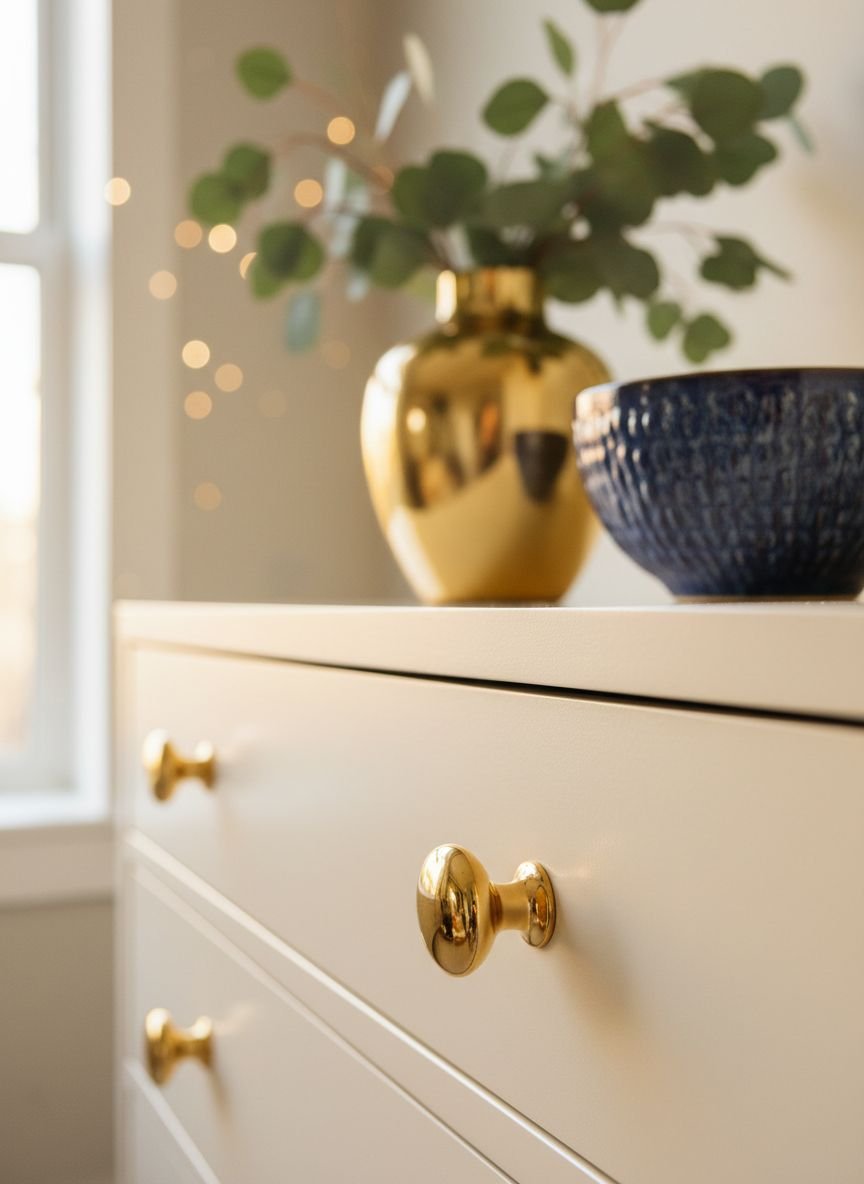
Hardware is the handshake of your home; it is the first thing you touch. flimsy, standard-issue knobs and pulls can drag down even the nicest cabinetry. Swapping out hardware is one of the easiest and most effective DIY home decor projects you can do. Replace generic silver knobs with substantial pulls in brushed brass, matte black, or polished nickel.
Do not forget door handles and hinges. If you have mismatched door knobs throughout the house, standardizing them instantly unifies the space. You can often spray paint existing hinges to match your new knobs if replacing them is too costly. Even switching out plastic light switch covers for clean, screwless wall plates can make a subtle but powerful difference in how polished a room feels.
Pro Tip: Check the “center-to-center” measurement of your existing pulls before buying new ones. This ensures the new hardware fits into the old holes, saving you from having to patch and repaint your cabinets.
“Get The Look” Block: Hardware Finishes
Which metal accent fits your vibe?
- Unlacquered Brass: Vibe: Old World, Organic, Timeless. Best For: Dark cabinets, white kitchens, vintage styles.
- Matte Black: Vibe: Modern, Industrial, Sleek. Best For: Light wood, white walls, high-contrast designs.
- Polished Nickel: Vibe: Glamorous, Classic, Cool. Best For: Marble surfaces, cool-toned palettes, bathrooms.
- Oil-Rubbed Bronze: Vibe: Rustic, Traditional, Warm. Best For: Farmhouse styles, warm wood tones.
Related posts :
- 12 Inspiring Navy Blue Patio Decor Ideas That Create A Serene Outdoor Oasis
- 14 Stunning Covered Outdoor Kitchen with Fireplace Ideas That Transform Your Backyard Into a Year-Round Oasis
- 17 Inspiring Permaculture Garden Design Ideas That Transform Your Backyard Into an Edible Paradise
Declutter and Simplify
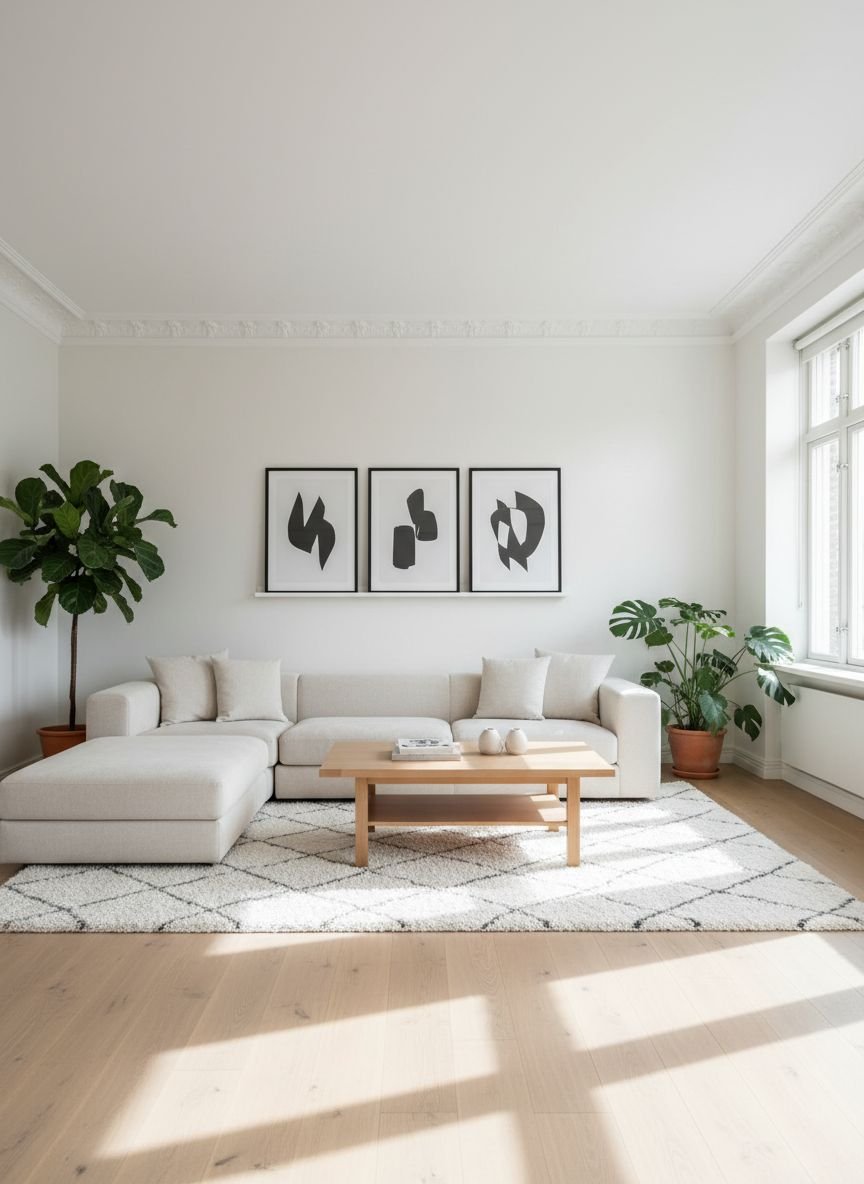
Luxury is often defined by what is absent rather than what is present. High-end spaces feel calm and spacious because they are not crowded with unnecessary items. Clutter is visual noise that cheapens a room. The most effective budget friendly living room makeover is simply removing 30% of the decor currently in the room.
Adopt a “curator” mindset. Every item on display should be there because it is beautiful or functional. If it is neither, it goes away. Clear off countertops, organize open shelving, and ensure that floor space is visible. Negative space (the empty space around objects) allows the eye to rest and highlights the quality of the pieces you do choose to display.
Pro Tip: Hide everyday electronics. Cords, routers, and remotes are eyesores. Use cord covers, decorative boxes, or baskets to conceal the functional mess of modern life.
Upgrade Window Treatments
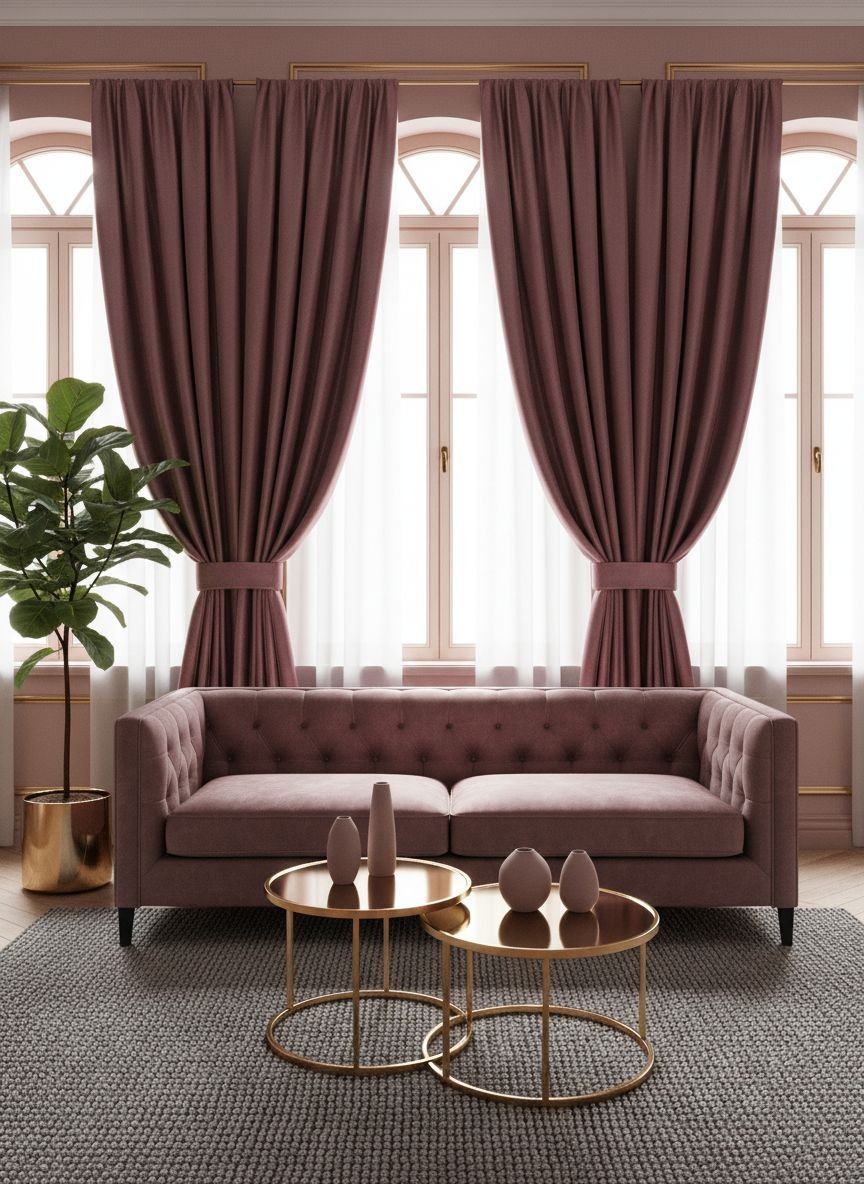
Flimsy plastic blinds are the enemy of luxury. They block light and look temporary. To elevate your windows, install floor-to-length curtains. The secret to an expensive looking interior design is hanging the curtain rod as high as possible—ideally just a few inches below the ceiling or crown molding. This draws the eye up and creates the illusion of soaring ceilings.
Extend the rod 6-10 inches beyond the window frame on each side. This allows the curtains to stack against the wall when open, revealing the entire window glass and letting in maximum light. Choose heavy fabrics like velvet or linen (or good faux versions) that pool slightly on the floor for a decadent look. Avoid grommet-top curtains, which can look cheap; opt for pinch-pleat or rod-pocket styles with curtain clips instead.
Pro Tip: If you have standard blinds you cannot remove (like in a rental), hang curtains in front of them. Keep the blinds pulled all the way up and hidden behind the curtain valance during the day.
Decorate with Fresh or Faux Greenery
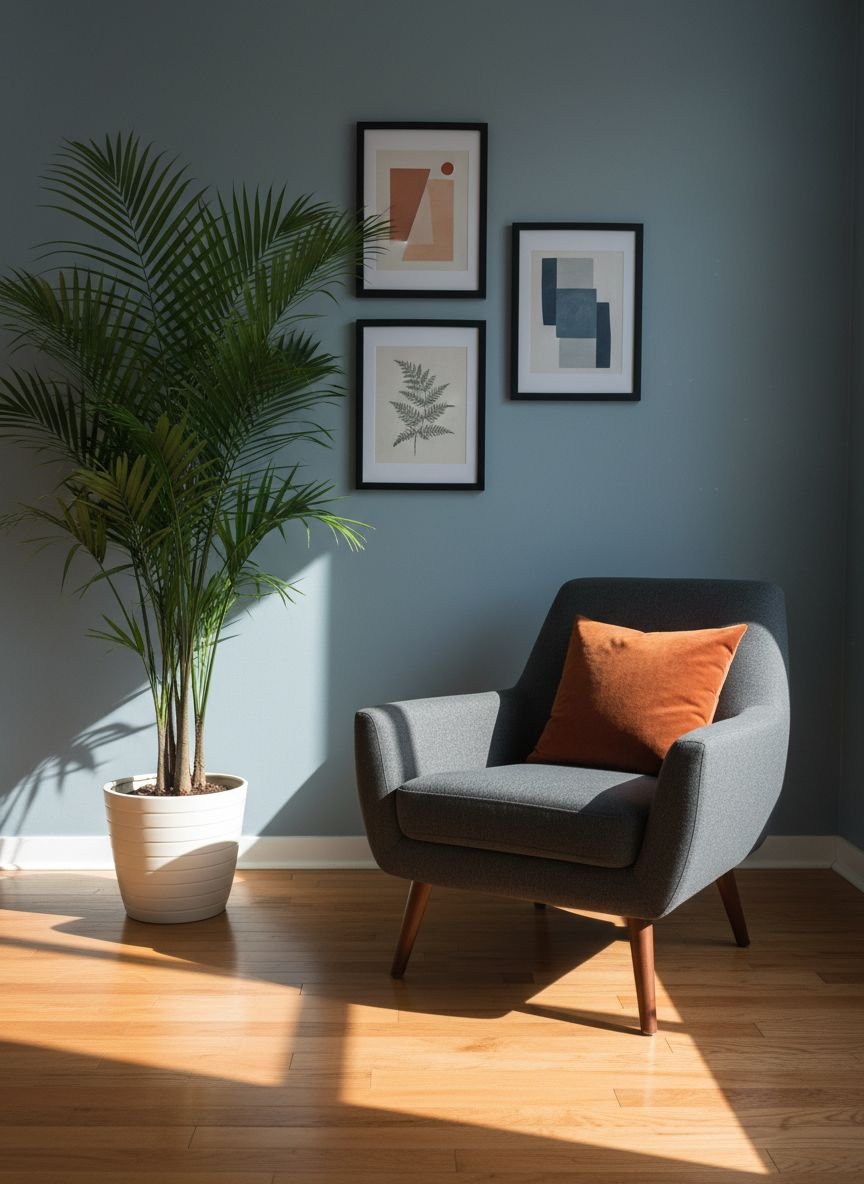
Plants breathe life into a sterile room. They add organic shape and vibrant color that contrasts beautifully with neutral furniture. A large fiddle leaf fig or a tall snake plant in a nice basket can fill an empty corner and act as a living sculpture. This connects the interior with the exterior, a hallmark of luxury architecture.
If you lack a green thumb, high-quality faux plants have come a long way. Look for “real touch” latex leaves rather than fabric ones. The key to making faux plants look real is the base. Do not leave them in the tiny plastic pot they came in. Place them in a larger ceramic pot or basket and cover the base with real dried moss or dirt. This small detail convinces the eye that the plant is live and thriving.
Pro Tip: Cut branches from your own yard (magnolia, olive, or eucalyptus) and place them in a large vase. They are free, last for weeks, and look incredibly chic and dramatic.
Use Metallic Accents
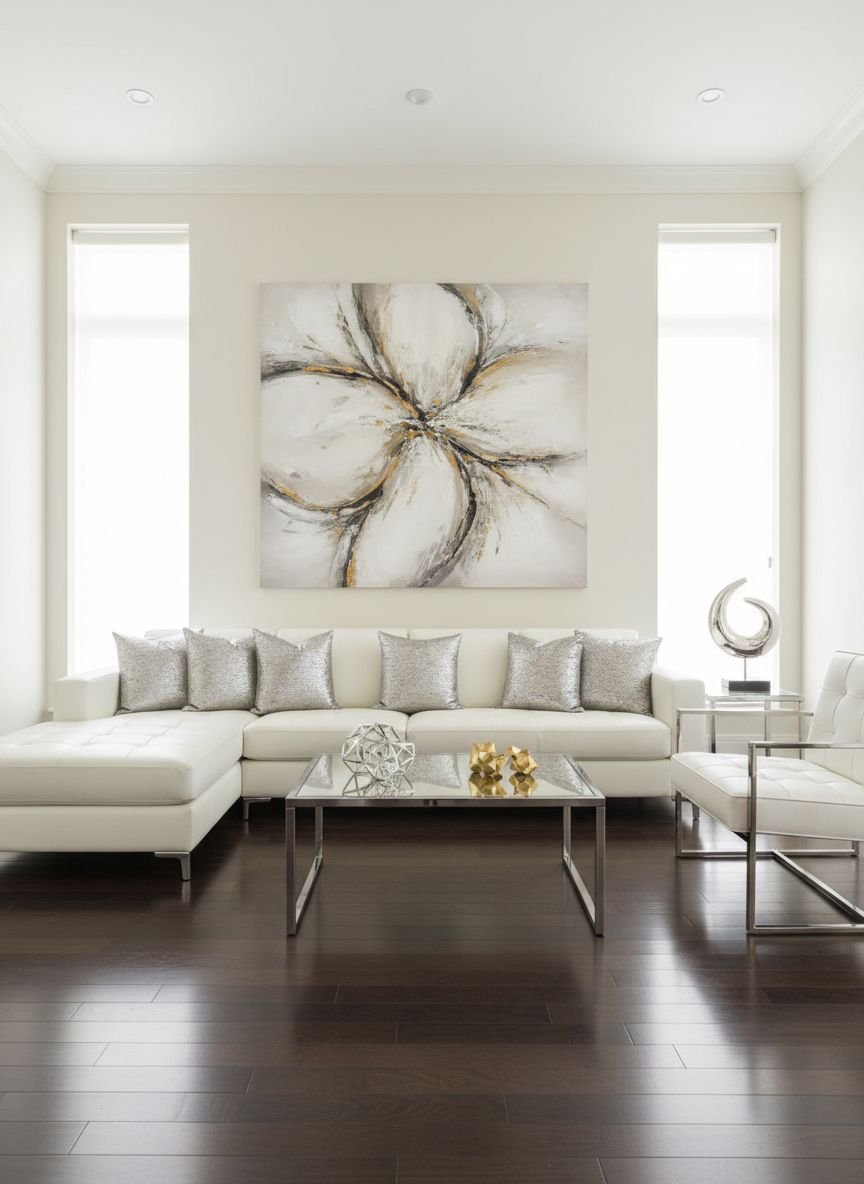
Gold accent decor ideas and metallic touches act as the highlight in your room’s makeup. They catch the light and add a layer of glamour. However, there is a fine line between “luxe” and “gaudy.” The goal is subtle sophistication. Incorporate metallics through smaller accessories like picture frames, lamp bases, tray handles, or candle holders.
Mixing metals is currently very trendy and can look very high-end if done right. A dominant metal (like brushed brass) can be paired with a secondary metal (like black iron) to create depth. Avoid shiny, yellow-toned “fake gold” plastic. Opt for brushed, antique, or matte finishes that look like solid metal. These accents warm up cool grey or white spaces and bridge the gap between modern and traditional styles.
Pro Tip: Use “Rub ‘n Buff” wax to upgrade cheap metal items. A $5 thrift store frame can be transformed into an antique gold masterpiece with just a tiny amount of this wax and your finger.
Add Paneling or Wall Trim
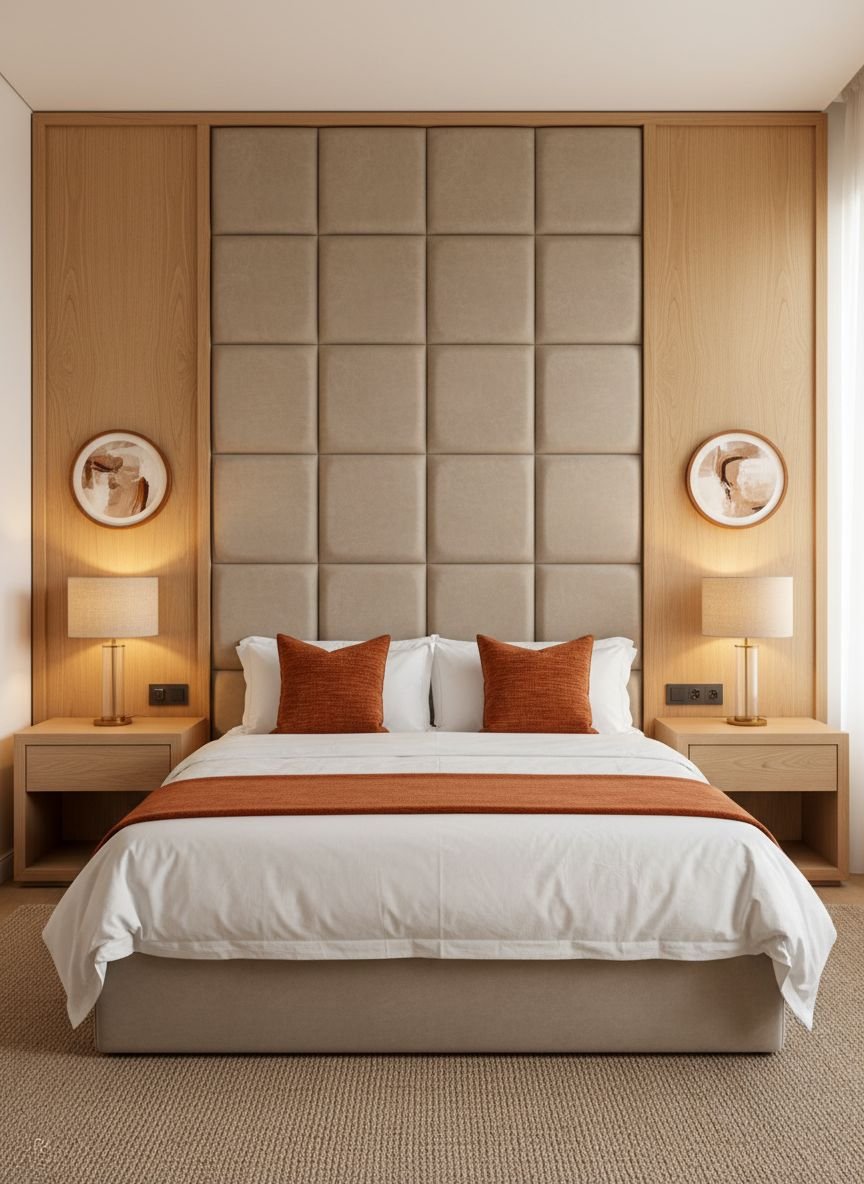
Wall treatments add texture and historical reference to a room. Plain drywall can feel temporary, but walls with molding feel permanent and structural. Picture frame molding (box trim) is incredibly cheap to install. It involves attaching thin strips of wood molding to the wall in rectangular shapes. When painted the same color as the wall, it creates a shadow line that adds subtle architectural interest.
This technique works wonders in dining rooms, bedrooms, and hallways. It breaks up large expanses of empty wall and frames your art or furniture. For a more modern take, vertical shiplap or slat wood walls can add verticality and warmth. These DIY wainscoting ideas are accessible to beginners and offer perhaps the highest visual impact per dollar spent of any decor project.
Pro Tip: Measure twice, cut once. Use a laser level to ensure your boxes are perfectly straight. Uneven molding will be immediately noticeable and will have the opposite effect of luxury.
Pro Tips Summary
- Save this idea to your Pinterest: Create a board specifically for “Luxury Budget Hacks” to keep track of hardware styles and paint colors.
- Maintenance: Luxury is clean. Dust your baseboards and wash your windows. A sparkling clean home always looks more expensive than a dirty one, regardless of the furniture price.
- Scent: Never underestimate the power of smell. A signature scent (vanilla, sandalwood, linen) via a diffuser or candle adds an invisible layer of luxury that guests notice immediately.
Popular Asked Questions
How can I make my house look luxurious on a low budget?
Focus on the “envelope” of the room first. Paint your walls a sophisticated neutral color and upgrade your lighting fixtures. These two changes alter the entire mood of the space. Then, declutter relentlessly. A clean, open space with a few large, well-chosen items looks far more luxurious than a room stuffed with cheap decor. Finally, hang curtains high and wide to make your windows and ceilings appear larger.
What colors look most expensive in home design?
Monochromatic neutrals are the safest bet for an expensive look. Shades like “Greige” (grey-beige), warm whites (like Benjamin Moore’s White Dove), charcoal, and navy blue are timeless. These colors allow textures to stand out. Avoid primary colors (bright red, blue, yellow) in large amounts, as they can read as juvenile or commercial. Deep, moody greens and blacks are also trending for a dramatic, high-end library feel.
What decor makes a home look high-end instantly?
Large-scale items are the key. One large rug that fits all furniture, one large piece of art, or one large mirror. Oversized items suggest abundance and grandeur. Additionally, fresh flowers or greenery (even simple branches from the yard) add an element of life and care that is associated with luxury living.
Is DIY decor worth the effort for a luxury look?
Absolutely. Many “luxury” features are simply labor-intensive rather than material-intensive. Installing picture frame molding, painting outdated furniture, or changing hardware requires time but very little money. The result is a custom look that you cannot buy off the shelf. DIY allows you to customize finishes (like using antique gold wax) to get the exact high-end look you want without the designer markup.
Conclusion
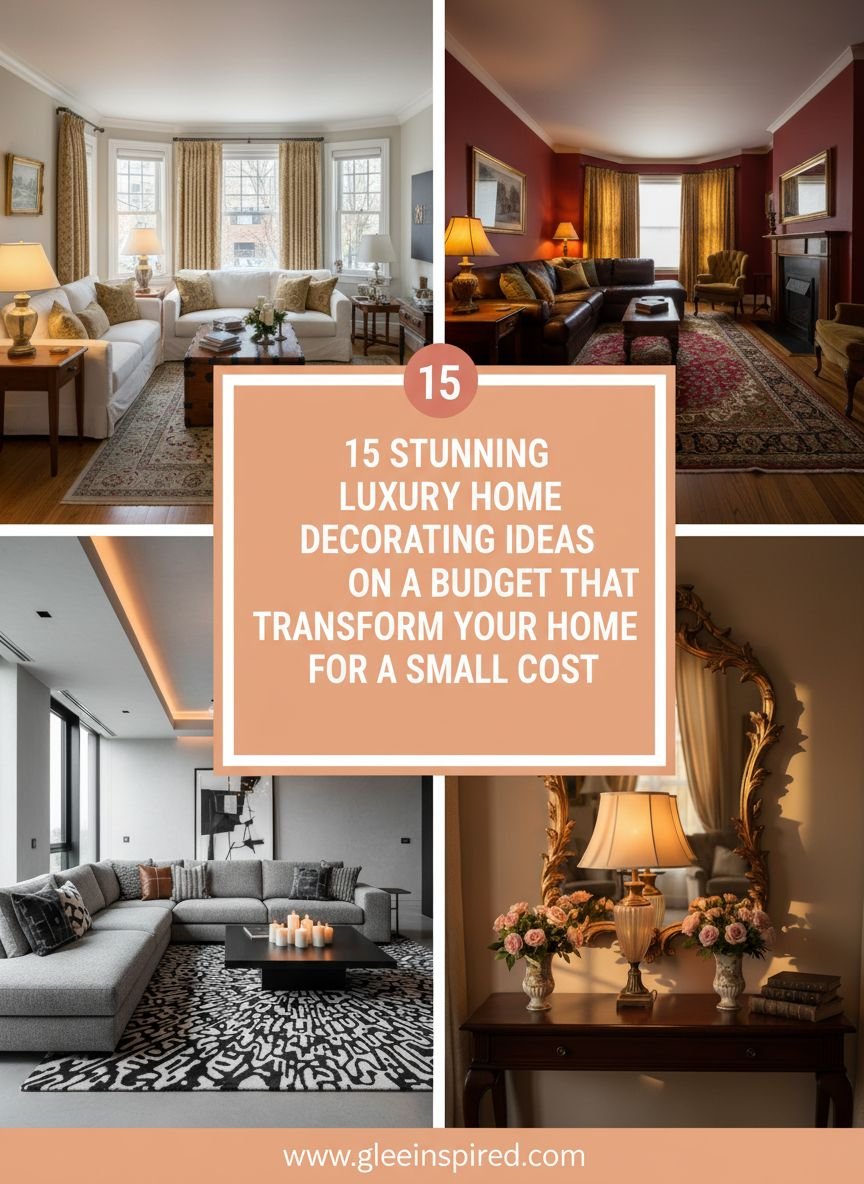
Creating a luxury home on a budget is not about tricking people; it is about creating a space that feels thoughtful, comfortable, and cohesive. By focusing on architectural details, lighting, and scale, you can elevate your home far beyond its price tag. Remember that the most expensive-looking homes are the ones that reflect the personality of the owner with confidence.


Leave a Comment