
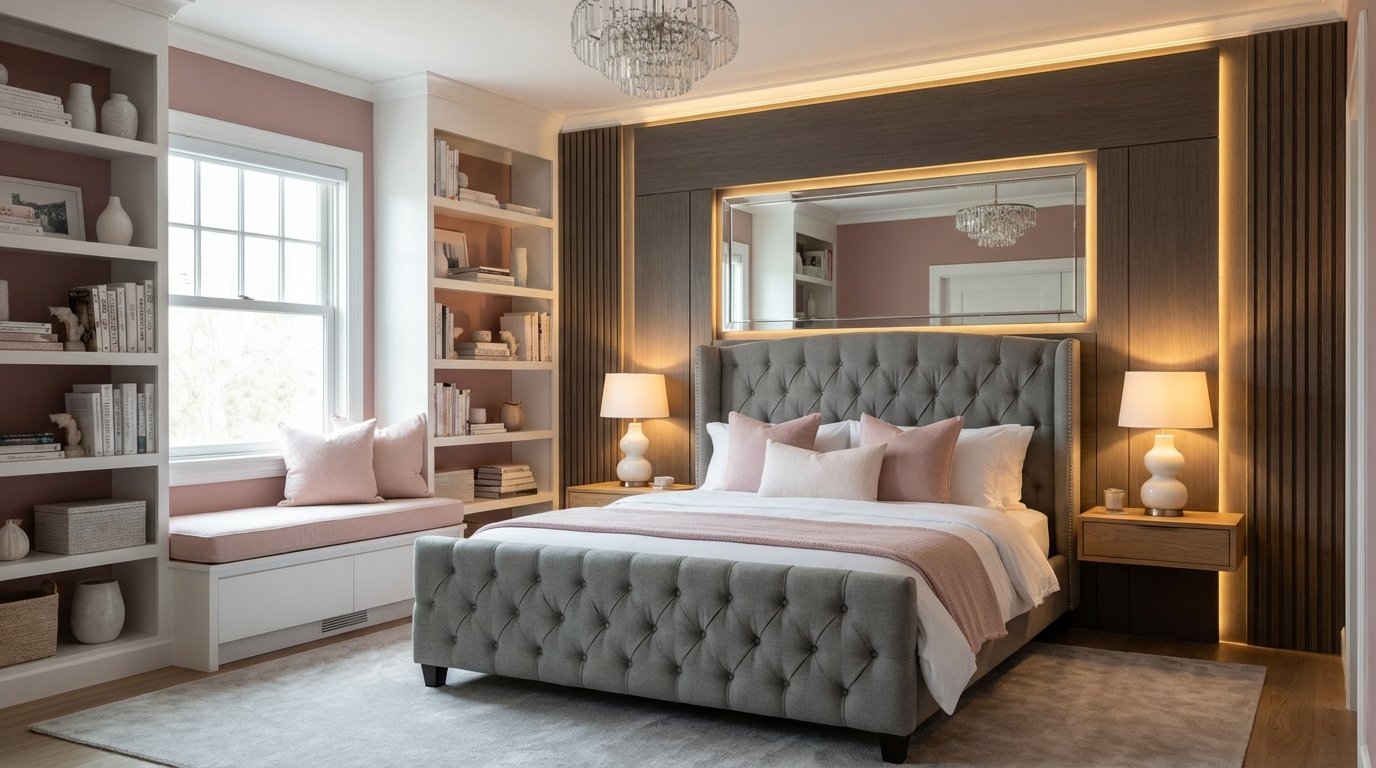
Tiny rooms challenge even the most creative decorators. You might feel limited by square footage or frustrated by clutter. But a small footprint does not mean you must sacrifice style. A compact room actually offers a unique opportunity to create a jewel-box effect that larger rooms cannot replicate.
This guide breaks down 9 small bedroom ideas to turn tight quarters into airy retreats. We focus on smart layouts, visual tricks, and space-saving furniture to expand your room. You will find practical solutions here that range from simple styling tweaks to structural changes. These tips help you reclaim your floor space and sleep in a room that feels twice its size.
Key Takeaways
- Reflect Light: Strategic mirror placement blurs boundaries and doubles visual depth.
- Go Vertical: Floor space is finite, but wall space offers untapped storage potential.
- Unified Color: Color drenching erases hard lines and makes ceilings feel higher.
- Custom Fits: Bespoke or DIY furniture tailored to your exact nooks eliminates wasted gaps.
- Layered Lighting: Wall-mounted fixtures free up bedside tables and add warmth.
Table of Contents
- Maximizing Space with Mirrors
- Multifunctional Furniture
- Creative Storage Solutions
- Color Drenching for Depth
- Bespoke Furniture for a Personal Touch
- DIY Headboard Ideas
- Lighting to Enhance Space
- Cozy Nooks
- Accessorizing Wisely
- Related posts
- Popular Asked Questions
- Conclusion
Maximizing Space with Mirrors
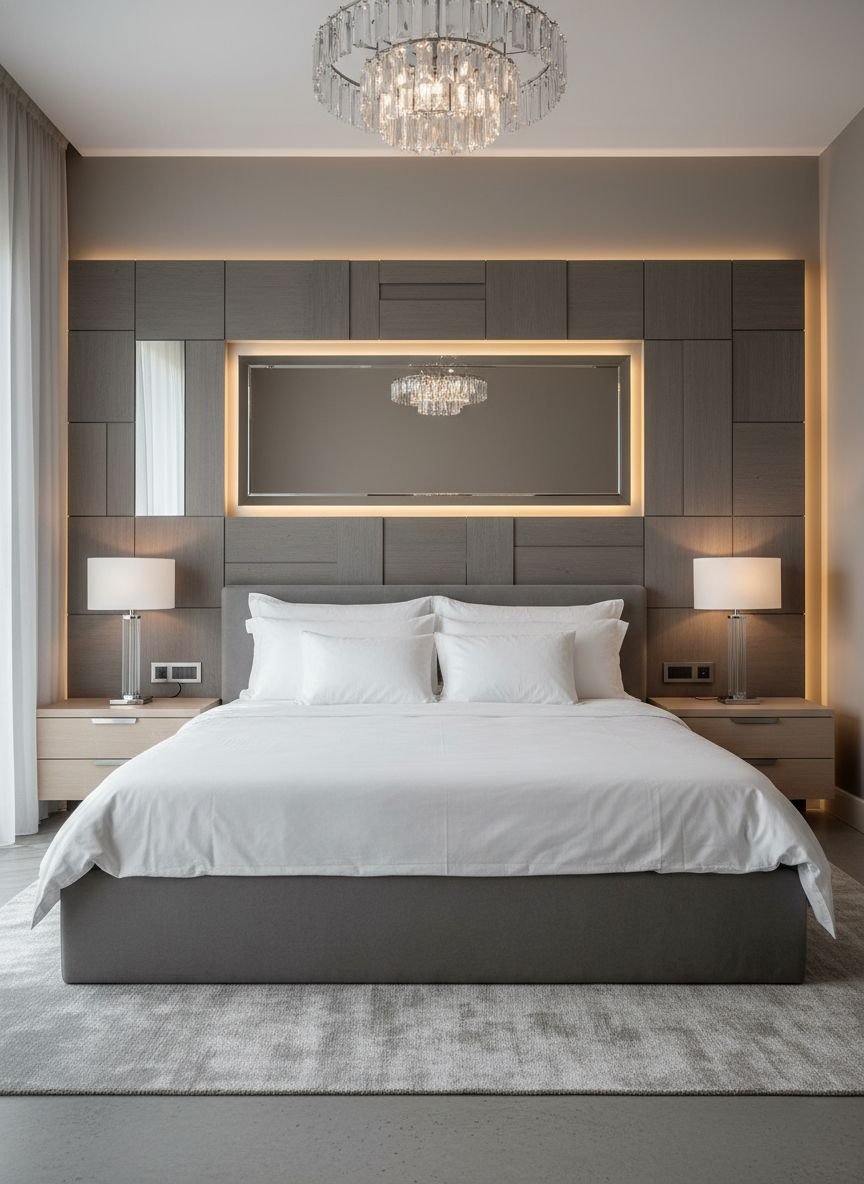
Mirrors act as the oldest and most effective trick in the interior design book. They do not just check your reflection. They function as additional windows. When you place a large mirror opposite a window, it bounces natural light into dark corners. This instantly makes the room feel airier. For a small bedroom layout, consider oversized floor mirrors that lean against the wall. The vertical lines draw the eye upward and make low ceilings feel taller. If floor space is too tight, mirrored closet doors offer the same benefit without taking up an inch of the footprint.
The frame you choose matters just as much as the glass. A thin, minimal metal frame keeps the look modern and uncluttered. A heavy, ornate wood frame adds character but can feel heavy in a tiny room. You want the mirror to feel like an extension of the room rather than a barrier. Try positioning mirrors behind bedside lamps. This creates a warm glow at night that expands the visual depth of the wall behind the bed.
Pro Tip: Keep your mirrors spotless. In a small room, smudges are more visible and ruin the crisp, open effect you are trying to achieve.
Multifunctional Furniture: A Must-Have
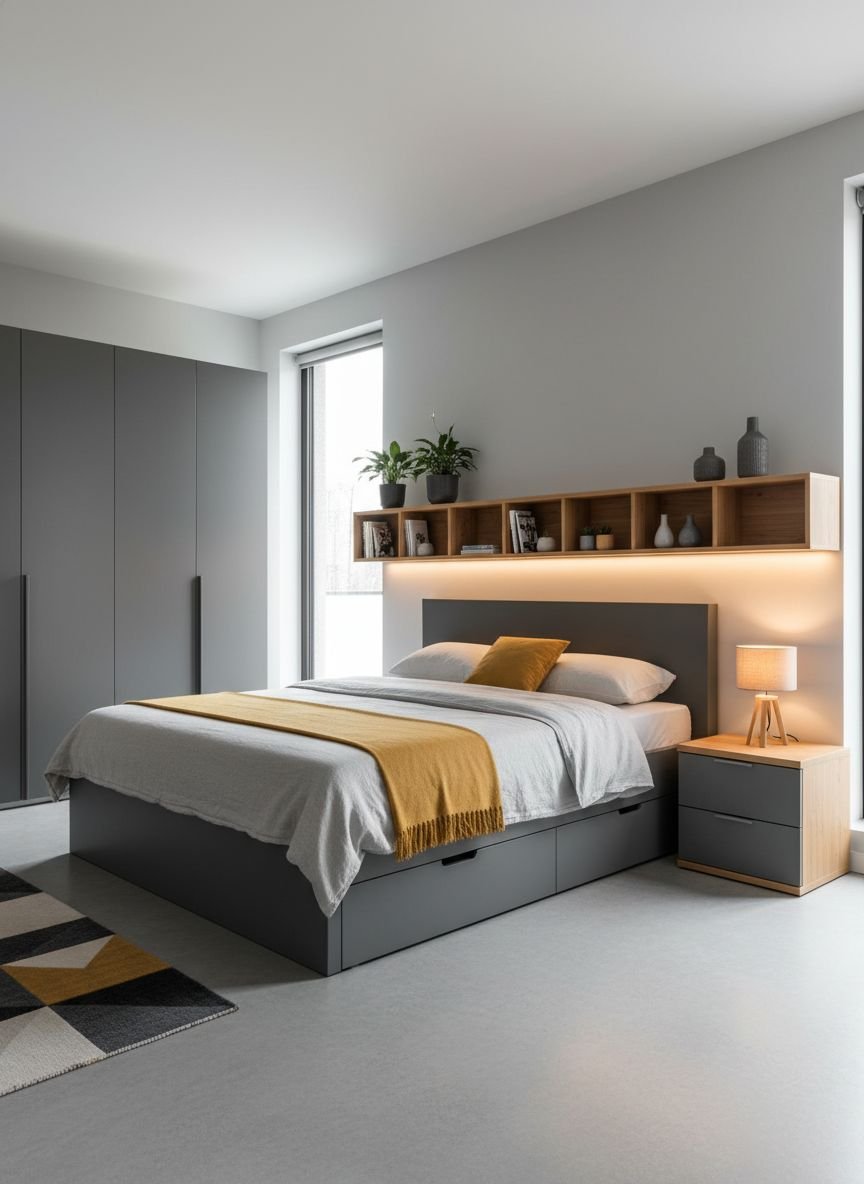
Every square inch counts in a compact room. Furniture that serves only one purpose is a luxury you cannot afford. Multifunctional furniture solves this by combining utility with comfort. A bed frame with built-in drawers eliminates the need for a bulky dresser. This frees up floor space for a rug or a chair. Ottomans with hidden storage provide a place to sit while putting on shoes and a place to hide extra blankets.
Think about your workspace needs too. A floating desk that folds down from the wall transforms a sleeping area into a home office during the day. When work ends, you fold it back up to reclaim your sanctuary. This separation helps mental clarity in small spaces where work and rest often collide. Look for nightstands that double as small writing desks or vanity tables. The goal is to reduce the number of individual furniture pieces to keep traffic flow open.
Pro Tip: Choose furniture with exposed legs. Being able to see the floor underneath a bed or chair tricks the brain into thinking the room is larger.
Creative Storage Solutions
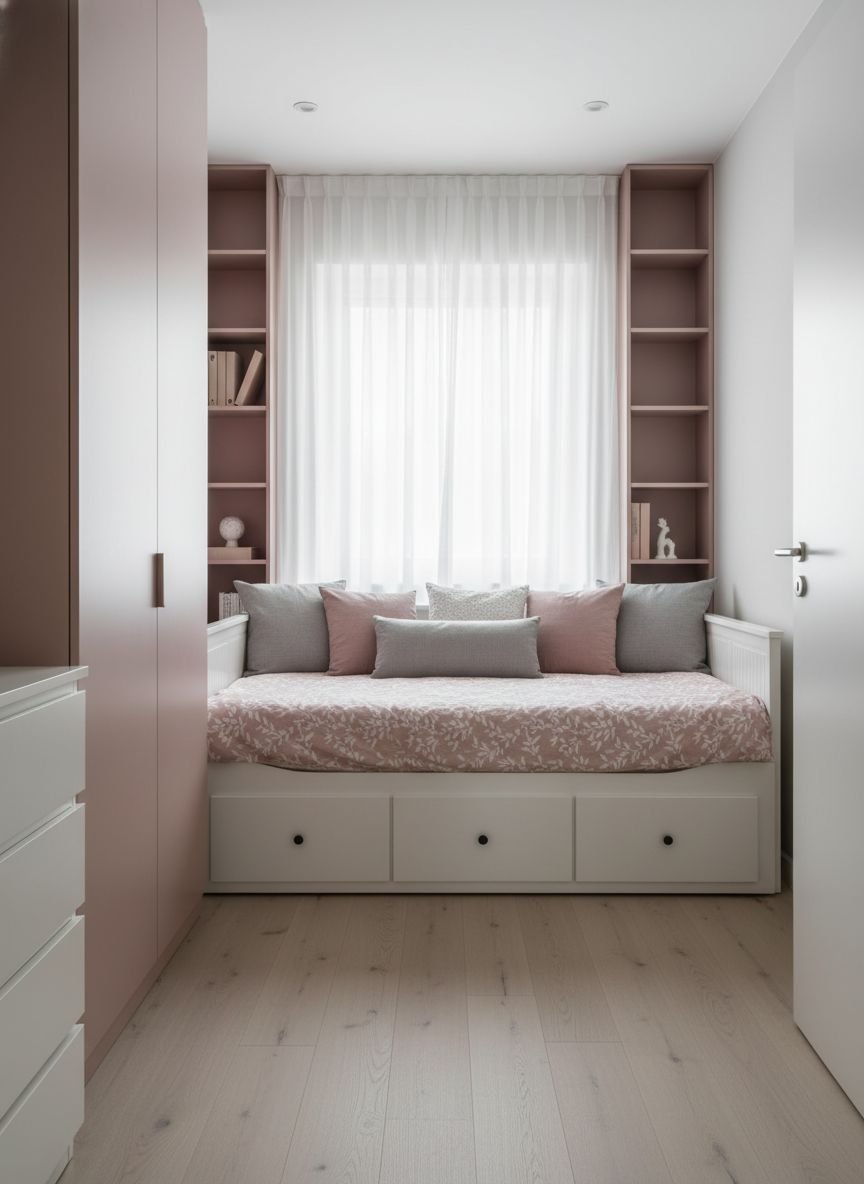
Clutter shrinks a room faster than dark paint. Creative storage solutions are the backbone of a functional small bedroom. You need to look beyond the standard closet. High shelving that runs the perimeter of the room creates a library feel and uses “dead” space near the ceiling. This is perfect for books, off-season clothing, or decorative boxes. Use the space under the bed wisely with rolling bins or vacuum-seal bags for items you do not need daily.
Vertical storage towers fit into tight corners that usually collect dust. These are excellent for organizing jewelry, accessories, or skincare products. If you lack a closet entirely, a visible clothing rack can look chic if curated well. Match your hangers and color-code your clothes to turn your wardrobe into a visual feature rather than a mess. Hooks on the back of the door provide a home for robes and bags that often end up on the floor.
Pro Tip: Use baskets with lids. Visual noise creates stress. Hiding mismatched items inside uniform baskets makes the shelves look organized and intentional.
Color Drenching for Depth
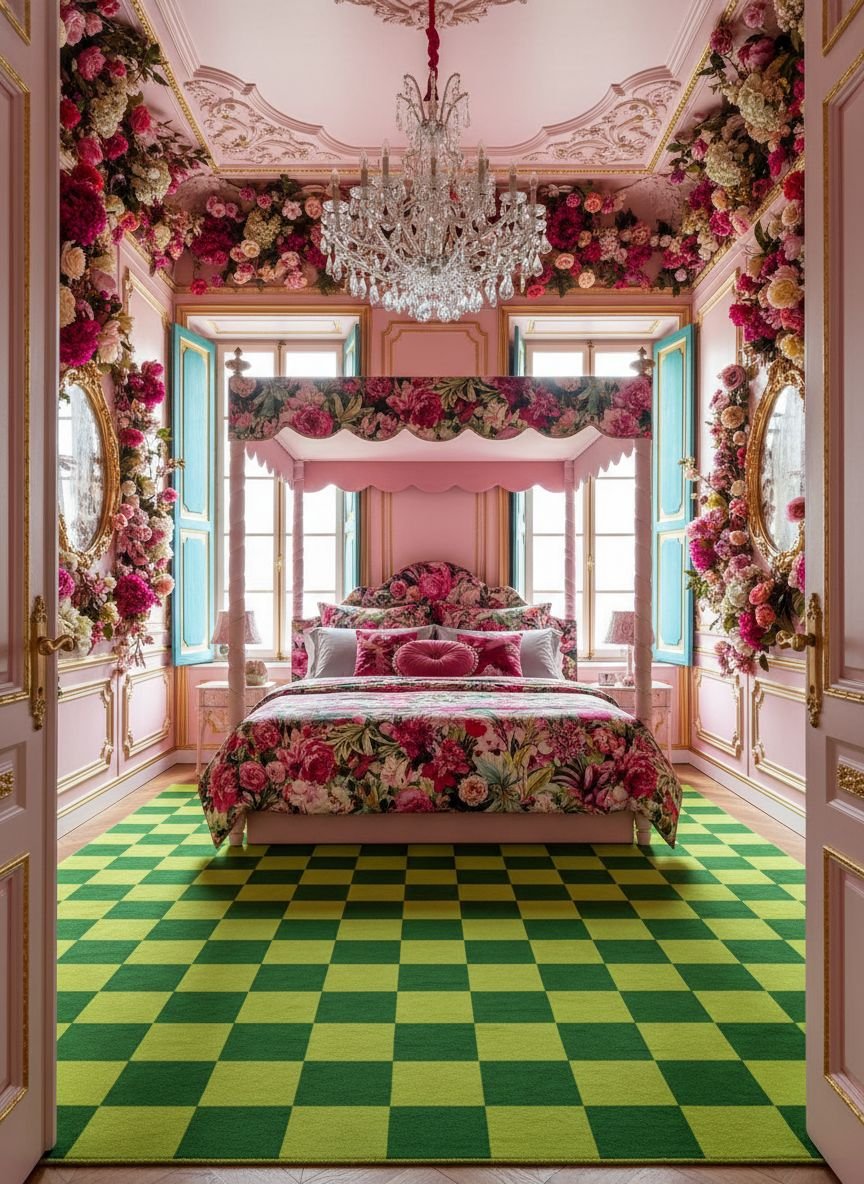
White walls are not the only way to make a room feel big. Color drenching is a bold technique where you paint the walls, trim, baseboards, and even the ceiling the same shade. This eliminates the visual breaks that usually define the edges of a room. When the corners disappear, the space feels expansive and enveloping. This works beautifully with moody blues, sage greens, or warm terracottas.
This technique creates a cozy, cocoon-like atmosphere that is perfect for sleeping. It simplifies the visual palette. You stop noticing the size of the room and start noticing the texture and mood. If a dark color feels too intimidating, try a soft beige or a pale gray. The principle remains the same. By removing the contrast between white trim and colored walls, you raise the visual ceiling height and create a seamless flow.
Pro Tip: Use different sheens for interest. Paint the walls matte and the trim semi-gloss in the exact same color to add subtle texture without breaking the monochrome look.
Bespoke Furniture for a Personal Touch
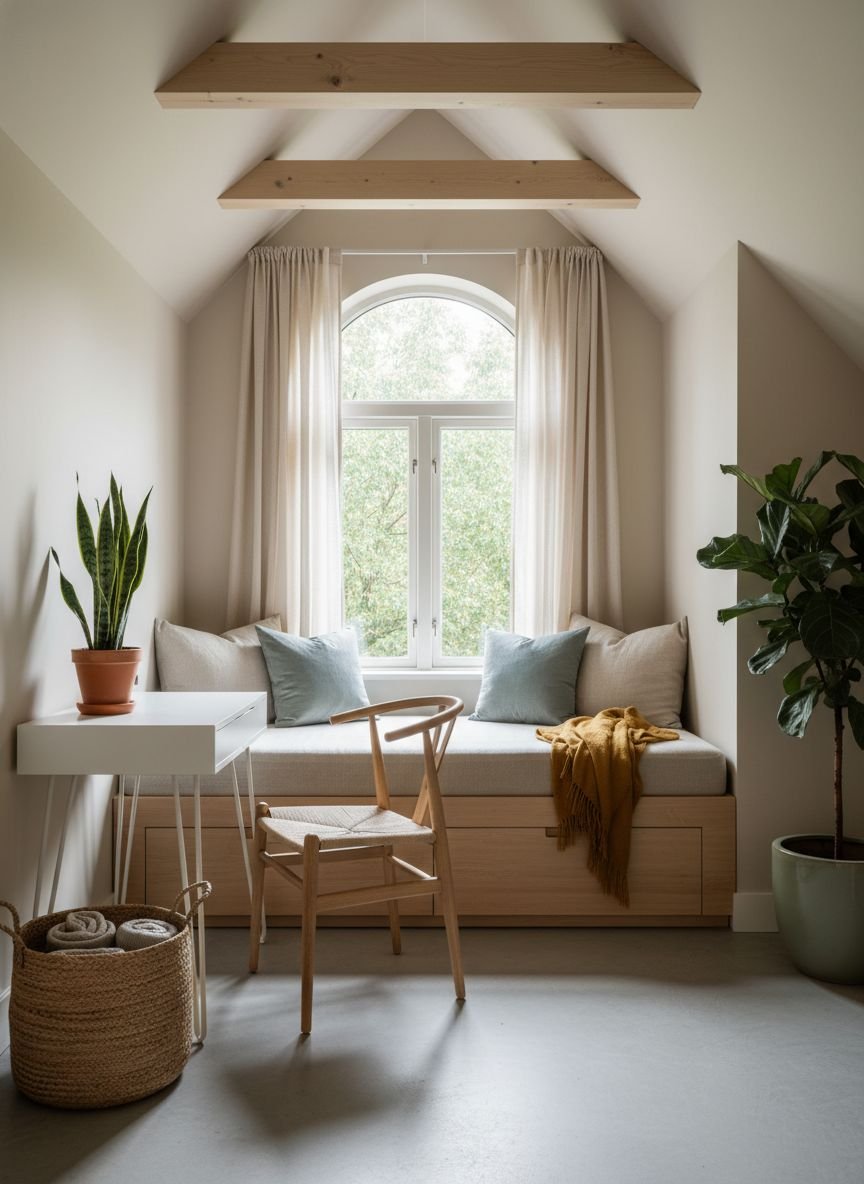
Standard furniture sizes often fail in small or awkwardly shaped rooms. A gap of six inches between a wardrobe and a wall is wasted space. Bespoke furniture or custom built-ins allow you to utilize every millimeter. A custom wardrobe can go floor-to-ceiling and wall-to-wall. This provides significantly more storage than a store-bought piece and looks like part of the architecture.
You can achieve this look on a budget with IKEA hacks or simple carpentry. Adding trim to basic shelving units gives them a built-in appearance. Consider a custom headboard that extends the full width of the wall. This unites the nightstands and the bed into one cohesive unit. It streamlines the design and prevents the “furniture showroom” look where pieces feel disjointed. Custom shelving around a window can frame the view and create a window seat with storage underneath.
Pro Tip: Paint your built-ins the same color as your walls. This helps them recede into the background, making the room feel less crowded.
Comparison: Custom vs. Store-Bought
| Feature | Custom Built-Ins | Store-Bought Furniture |
|---|---|---|
| Fit | Perfect usage of awkward nooks | Standard sizes leave gaps |
| Storage | Maximized vertical space | Limited by unit height |
| Cost | Higher upfront investment | Budget-friendly options |
| Look | Seamless, high-end aesthetic | Can look cluttered if not matched |
DIY Headboard Ideas
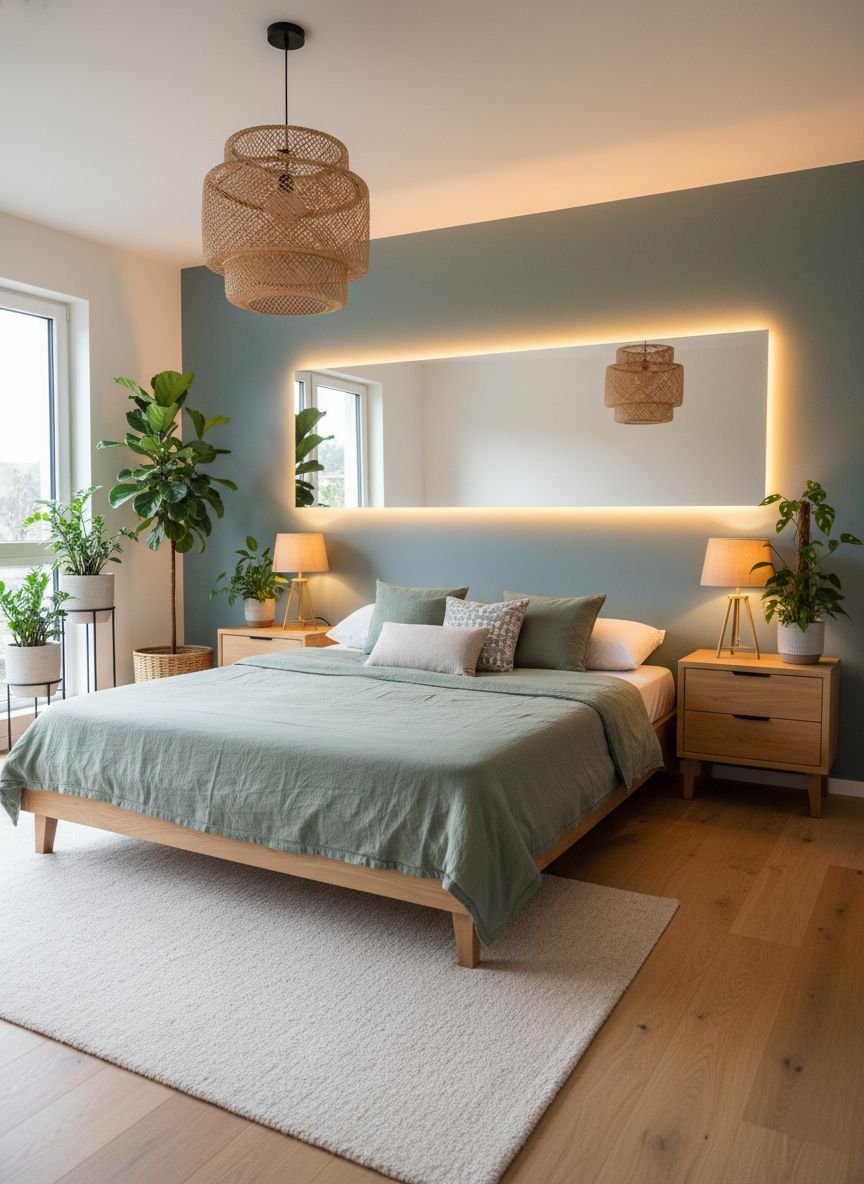
A bulky headboard can eat up precious depth in a small room. DIY headboard ideas allow you to anchor the bed without encroaching on the floor plan. Painting a shape on the wall behind the bed—like an arch or a rectangle—creates a focal point with zero physical footprint. This “painted headboard” trend is playful, cheap, and easy to change.
Another option is a wall-mounted upholstered panel. You get the comfort of a soft backrest for reading without the thick frame of a traditional bed. You can hang a tapestry or a rug behind the bed for texture and warmth. This adds softness and sound dampening, which is great for apartments with thin walls. For a rustic look, reclaimed wood planks mounted directly to the wall add character and warmth without bulk.
Pro Tip: Ensure your DIY headboard extends slightly wider than your mattress. This visually widens the bed area and creates a grander sense of scale.
Lighting to Enhance Space
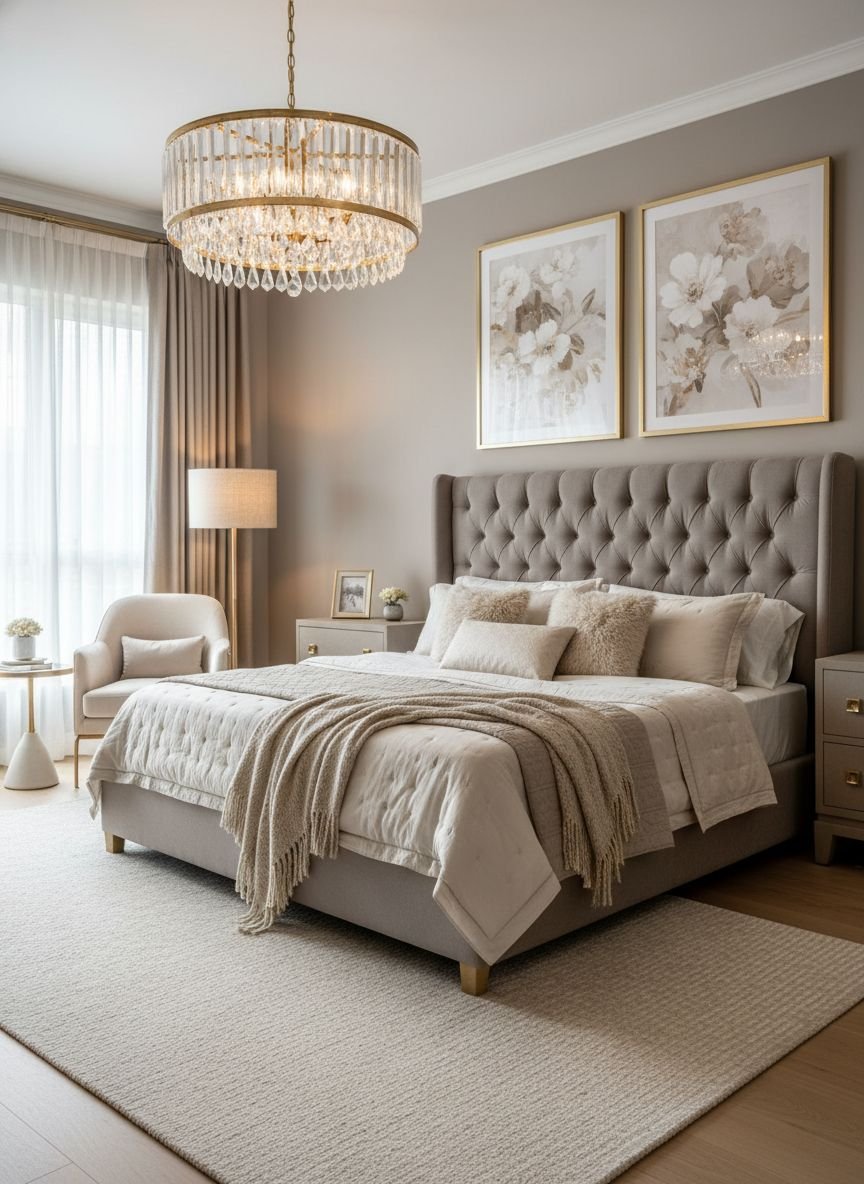
Lighting dictates the mood and perceived size of a room. A single overhead boob light casts harsh shadows that make a room feel small and dingy. Lighting to enhance space involves layering different light sources. Wall sconces are a game-changer for small bedrooms. They remove the need for table lamps, freeing up surface area on your nightstand for books and water.
Install dimmer switches on all overhead lights. Being able to control the intensity helps you shift from task lighting to relaxation mode. LED strips under the bed or behind a headboard create a floating effect. This adds depth and a modern touch. Pendant lights hanging from the ceiling over the nightstands draw the eye up and emphasize verticality. Choose warm white bulbs (2700K-3000K) to keep the room feeling inviting rather than clinical.
Pro Tip: Use mirrors behind your light sources. A sconce mounted on a mirror amplifies the light and doubles the brightness without extra electricity.
Cozy Nooks: Creating Comfort in Corners
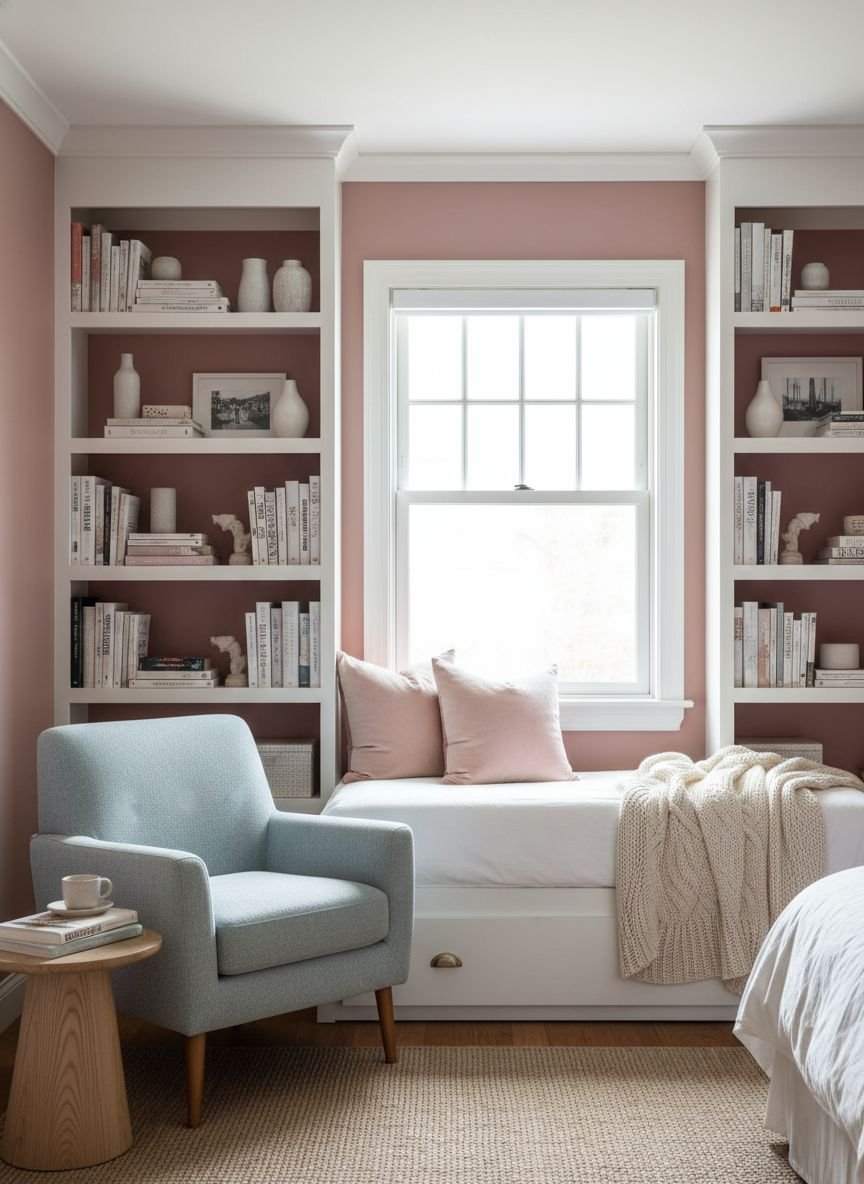
A small bedroom does not mean you cannot have a seating area. Cozy nooks maximize the corners that often go unused. A small armchair or a pouf in the corner creates a dedicated spot for reading or putting on socks. This signals that the room is for living, not just sleeping. If a chair does not fit, a deep window sill can become a bench with the addition of a custom cushion.
Define this zone with a small, round rug or a focused reading lamp. This zoning technique tricks the brain into seeing multiple functional areas within one room, which makes the overall space feel larger. Even a pile of floor cushions can serve as a flexible nook that can be stacked away when not in use. The key is to ensure the nook has a purpose and isn’t just a filler.
Pro Tip: Keep the scale petite. A massive wingback chair will dominate the room. Look for “slipper chairs” or mid-century modern designs with slim profiles.
Accessorizing Wisely
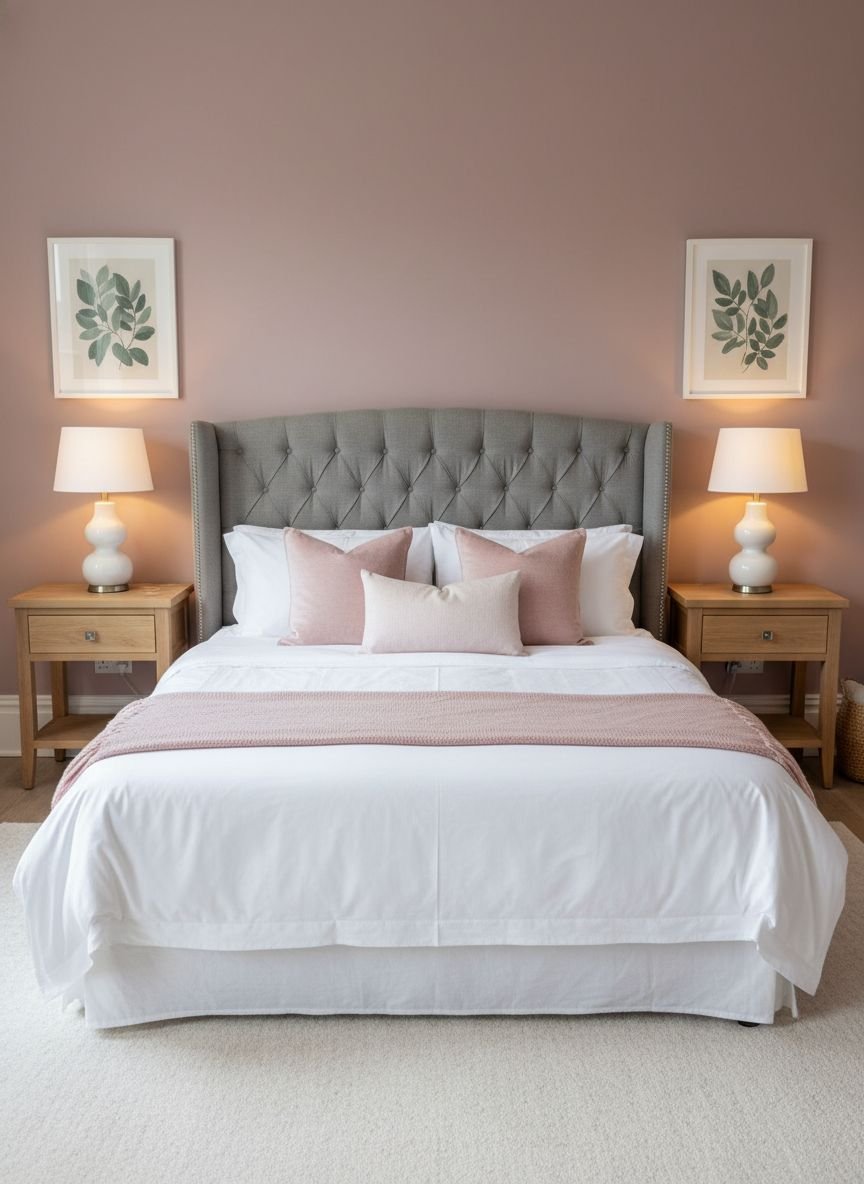
The final step is styling. Over-accessorizing creates visual chaos. Accessorizing wisely means choosing a few impactful pieces rather than many small trinkets. One large piece of art above the bed makes a stronger statement than a cluttered gallery wall. Large art expands the space, while tiny frames can make a wall feel busy and closed in.
Textiles are your best friend. A textured throw blanket and linen bedding add richness without taking up space. Keep your color palette restrained. You can mix textures—velvet, wool, wood, metal—as long as the colors harmonize. Plants are essential for bringing life to a small room. Hanging planters or a tall, slender snake plant add greenery without consuming floor space. They also improve air quality, which is vital in smaller, enclosed spaces.
Pro Tip: Rotate your decor. Instead of displaying everything you own, switch items out seasonally. This keeps the room fresh and clutter-free.
Popular Asked Questions
How do you arrange furniture in a small bedroom?
Start by placing the bed first since it is the largest piece. In a small room, centering the bed on the main wall is usually best to allow access from both sides. If the room is very narrow, pushing the bed against a wall might be necessary to open up a walkway. Place nightstands or floating shelves next. Avoid blocking windows or pathways to the door.
What colors make a small bedroom look bigger?
Light neutrals like white, cream, and soft gray are classic choices because they reflect light. However, cool colors like soft blue and green recede visually, which pushes the walls back. Monochromatic color schemes (using different shades of one color) also reduce visual clutter and expand the space.
How can I maximize storage in a tiny bedroom?
Look for “dead space” you are not using. The space under the bed is prime real estate for drawers or bins. The space above the door is perfect for a shelf. Use the full height of your walls with floor-to-ceiling shelving. Hooks on walls and doors provide storage for items that usually end up on the floor.
Is a queen bed too big for a small room?
Not necessarily. A queen bed can work if you minimize other furniture. If a queen bed takes up most of the room, skip the bulky dresser and use under-bed storage instead. Use wall-mounted nightstands to save floor space. The key is to ensure you have at least 24 inches of walking space around the sides and foot of the bed.
Conclusion
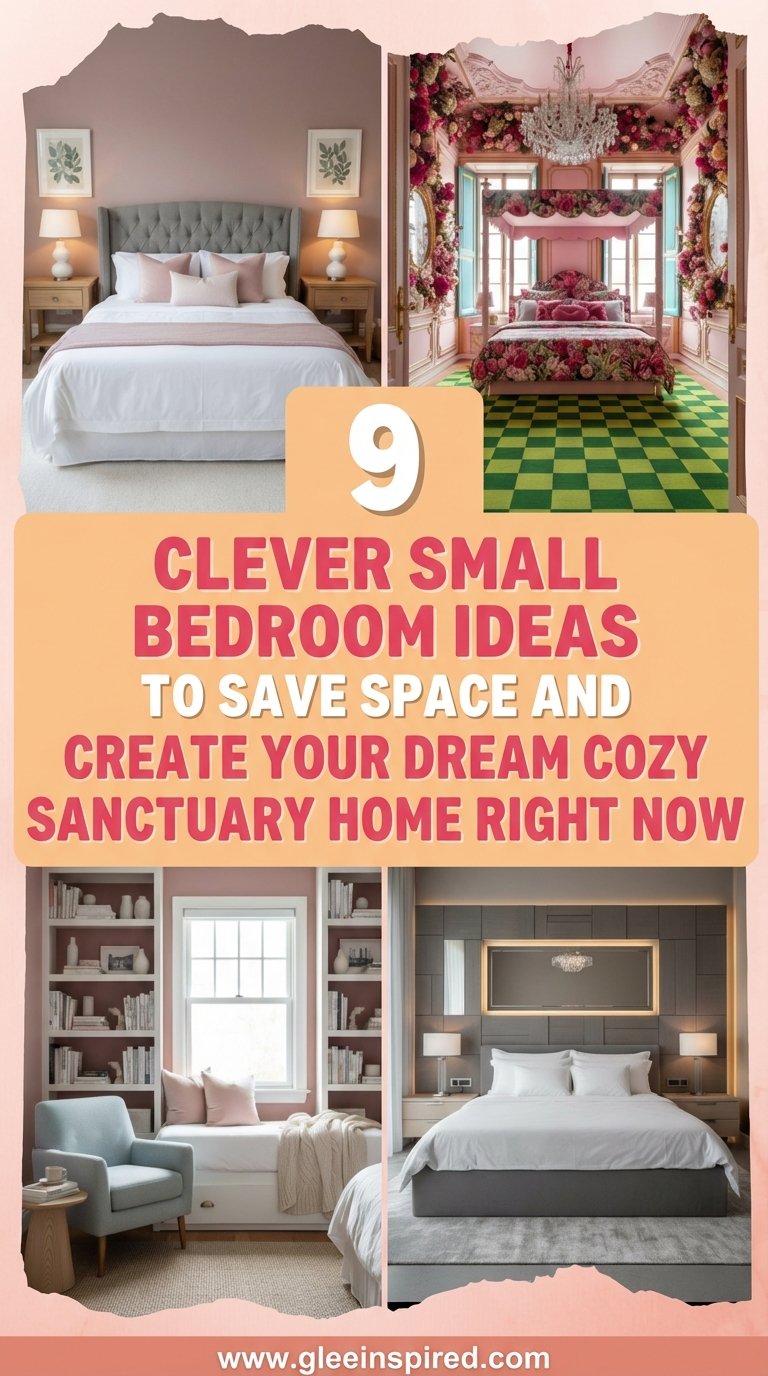
Designing a small bedroom requires intention and creativity. By using these 9 small bedroom ideas, you can transform a cramped space into a functional, aesthetic sanctuary. From multifunctional furniture to smart lighting, every choice helps maximize your square footage.
Your small room has the potential to be the coziest spot in your home. Do not let the size limit your imagination. Start with one of these changes this weekend and see how it shifts the energy of your space.



Leave a Comment