
The “Utility” Hook
Permaculture is currently one of the fastest-growing trends in sustainable living, and for good reason. If you are tired of high-maintenance lawns, constant weeding, and expensive chemical fertilizers, this design philosophy offers a refreshing alternative. It solves the problem of garden fatigue by mimicking natural ecosystems to create a self-sustaining landscape. Instead of fighting nature, you work with it to build a resilient outdoor space that feeds you.
By implementing these strategies, you can reduce your water usage by up to 50% and cut your gardening labor significantly once the systems are established. Whether you have acres of land or a tiny urban balcony, these 17 inspiring permaculture garden design ideas will help you cultivate an abundant, low-waste oasis that thrives year-round.
Key Takeaways
- Work with Nature: Shift from fighting pests and weeds to creating a balanced ecosystem where nature does the heavy lifting.
- Maximize Efficiency: Utilize vertical space, zoning, and companion planting to get higher yields from smaller footprints.
- Sustainability First: Focus on soil health, water conservation, and perennial plants to create a garden that lasts for generations.
- Low Maintenance: Design systems like swales and mulched beds that reduce the need for constant watering and weeding.
Table of Contents
- Create an Herb Spiral
- Set Up a Permaculture Guild
- Experiment with Hugelkultur Beds
- Try a Keyhole Garden
- Go Wild with a Forest Garden
- Utilize Companion Planting
- Design with Zoning in Mind
- Implement Composting and Mulching
- Plan for Wild Edibles
- Include a Wildlife Habitat
- Add a Polyculture Plot
- Incorporate Perennial Vegetables
- Design a Waterwise Garden
- Embrace Raised Beds
- Incorporate Vertical Gardening
- Create a Living Fence
- Add Edible Ground Covers
- Popular Asked Questions
- Conclusion
Create an Herb Spiral
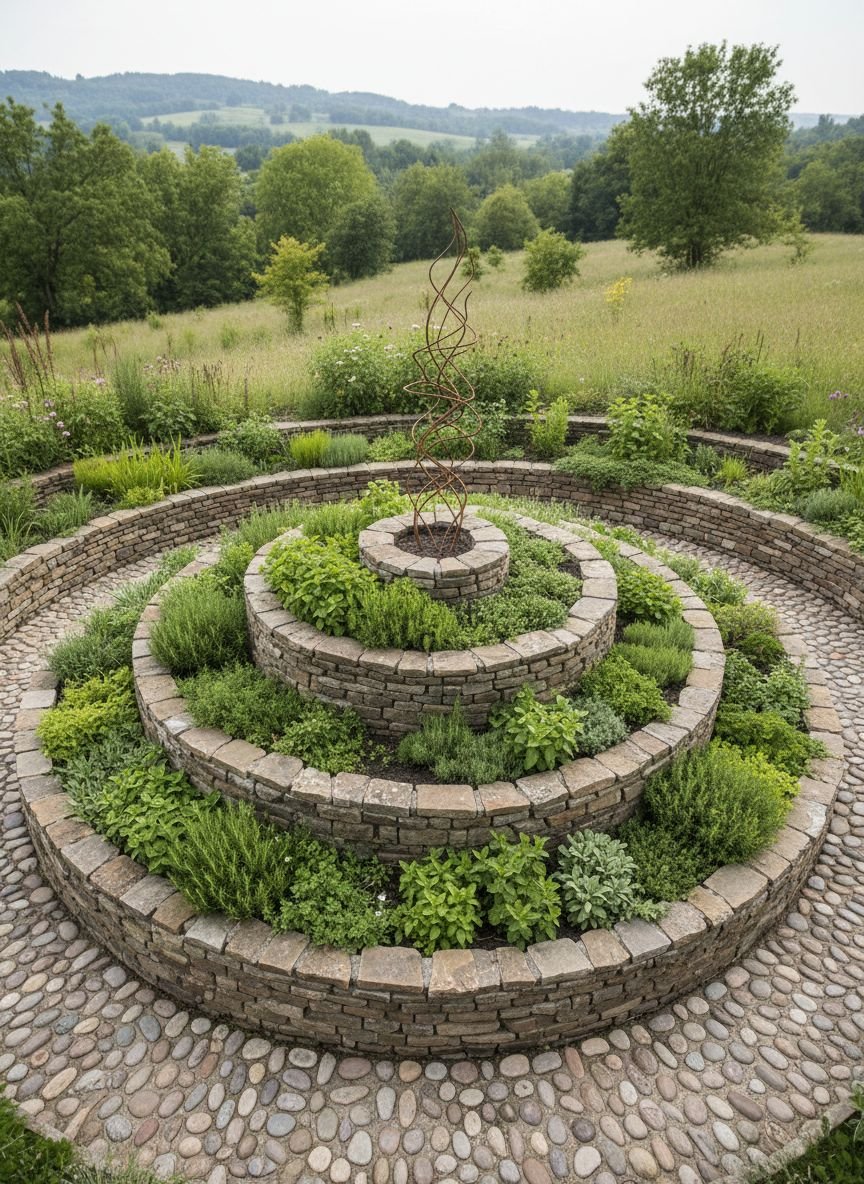
An herb spiral is the quintessential permaculture element that combines aesthetic beauty with intense functionality. Visually, it stands as a coiled, vertical structure often built from reclaimed stone, brick, or even urban concrete chunks. This spiral shape is not just for show; it creates a variety of microclimates within a tiny footprint of about two meters wide. The top of the spiral receives full sun and has excellent drainage, mimicking a Mediterranean climate perfect for rosemary, thyme, and oregano.
As the spiral winds down, the soil remains moister and shadier. The bottom section is ideal for water-loving plants like mint, parsley, or chives. By stacking these growing conditions vertically, you save massive amounts of ground space while keeping your most-used culinary herbs within arm’s reach of the kitchen. Construction is a straightforward weekend DIY project. You simply lay out a spiral pattern on the ground and build the walls up, filling the center with high-quality compost and soil as you go.
Pro Tip: Place your herb spiral in “Zone 1” (right outside your kitchen door) so you can easily snip fresh herbs while cooking without needing to trek across the yard.
Save this idea to your Pinterest.
Set Up a Permaculture Guild
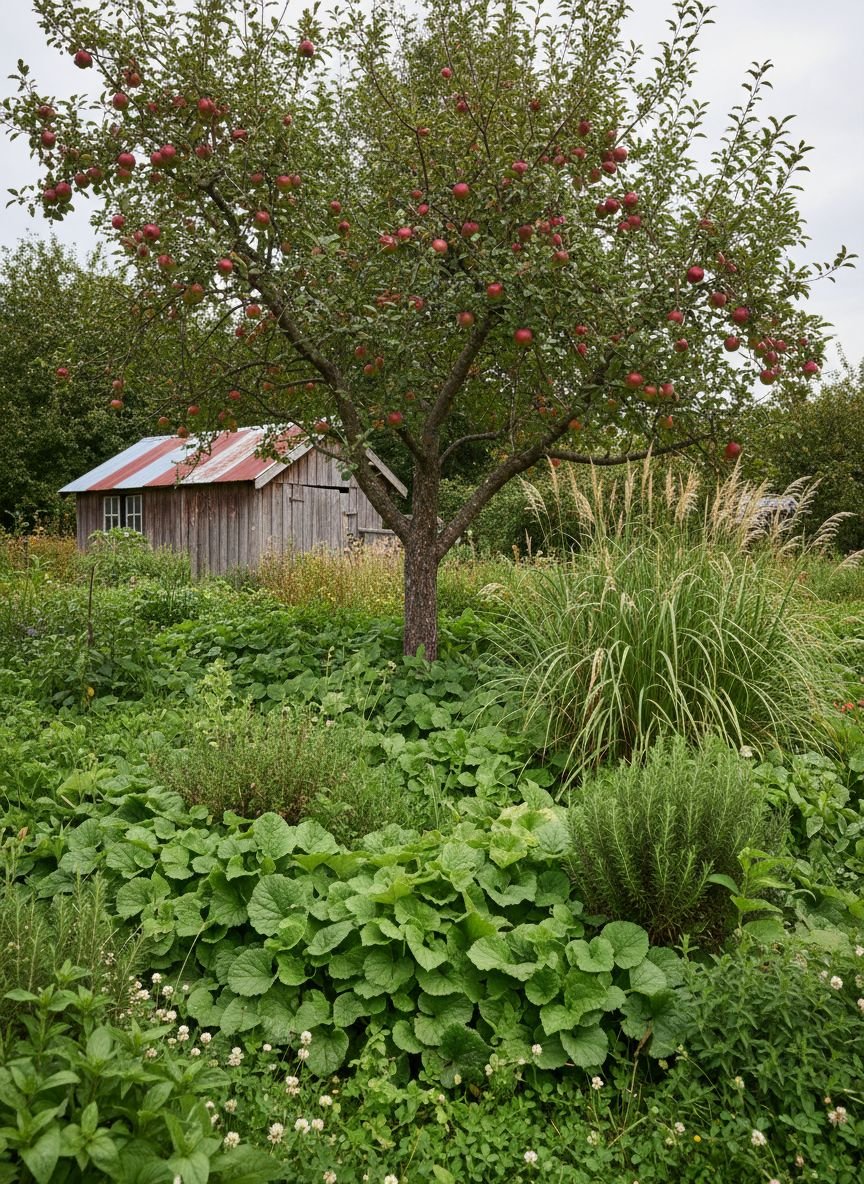
A permaculture guild is a harmonious grouping of plants that support one another, centered around a main “producer” like a fruit tree. Instead of a solitary apple tree surrounded by bare dirt or grass, a guild creates a lush, layered look that teems with life. You might see a central pear tree underplanted with comfrey to mine nutrients from deep in the soil, daffodils to repel grass creep, and clover to fix nitrogen. This design mimics a natural forest floor, reducing the need for fertilizers.
The visual appeal of a guild lies in its organized chaos. It looks wilder than a traditional orchard but functions like a well-oiled machine. The diverse textures of broad comfrey leaves against delicate clover flowers create a rich tapestry of greenery. To implement this, start with your central tree and plant in concentric circles. Place bulbs near the trunk to protect the roots, followed by herbaceous perennials and ground covers at the drip line.
Pro Tip: Use “dynamic accumulators” like yarrow or borage in your guild. These plants pull minerals up from the subsoil and make them available to your fruit tree when their leaves decompose.
Experiment with Hugelkultur Beds
Hugelkultur, a German term meaning “hill culture,” creates a striking visual feature in the garden that looks like a raised mound or small hillock. These beds are constructed by piling rotting logs and branches at the base and covering them with compost, soil, and straw. Over time, the wood decomposes, acting as a sponge that holds moisture and releases nutrients slowly. This creates a garden bed that requires very little watering, even in the heat of summer.
From a design perspective, hugelkultur beds add topography to flat landscapes. They break up the horizon line and can be shaped into gentle curves or mounds that guide the eye through the garden. The initial setup requires some heavy lifting to move the logs, but the long-term payoff is immense. You can plant heavy feeders like pumpkins, squash, and melons on the sides of the mound, where they will thrive on the warming soil and abundant nutrients.
Pro Tip: Let your hugelkultur bed cure for a few months before planting heavy vegetables, or plant nitrogen-fixing cover crops first to help balance the soil as the wood begins to break down.
Try a Keyhole Garden
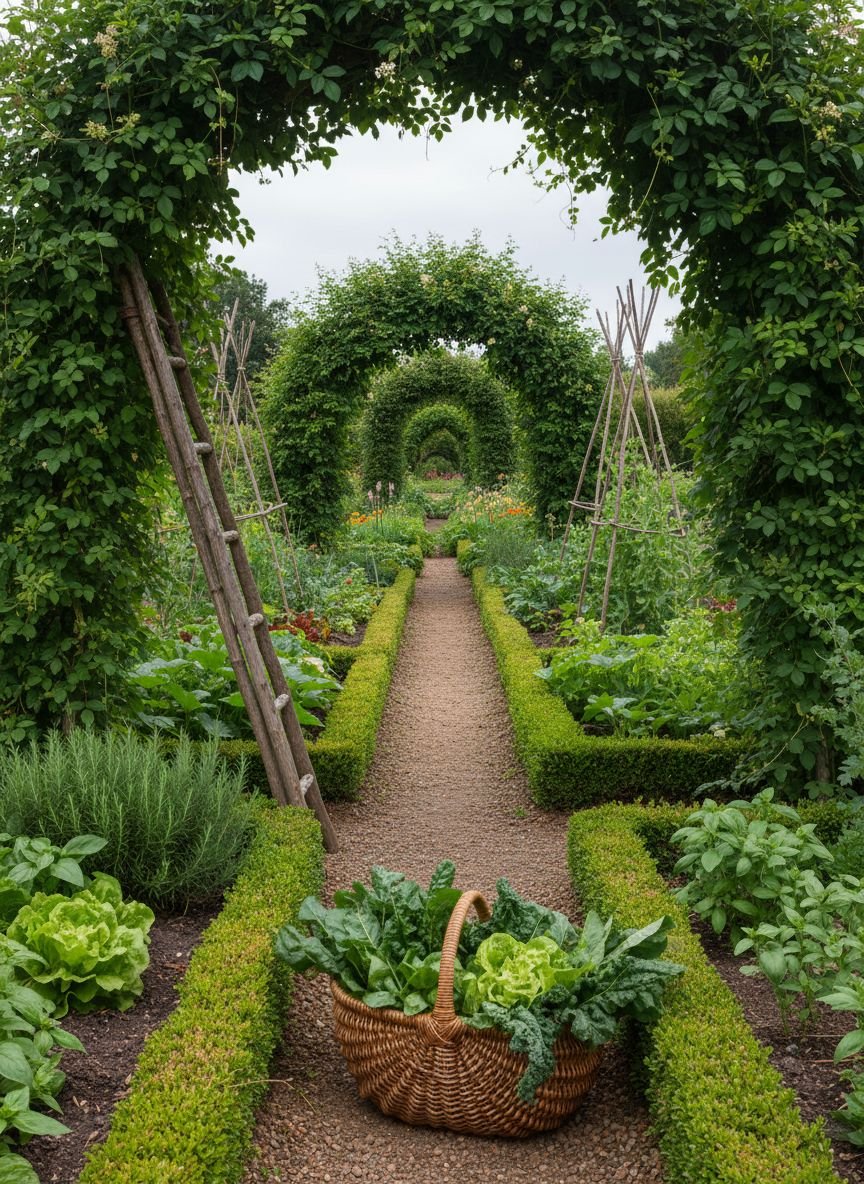
Keyhole gardens are circular raised beds with a unique “slice” cut out, allowing access to a central composting basket. This design is brilliant for maximizing space and nutrient recycling. Visually, they often look like stone or brick turrets, adding a structured, architectural element to the backyard. The central basket is the engine of this system; you throw your kitchen scraps directly into it, and as they decompose, the nutrients feed the surrounding soil.
This system is perfect for dry climates or areas with poor soil quality. The circular shape minimizes the materials needed for the retaining wall, while the height makes it accessible for gardeners who prefer not to bend over. To build one, construct a circle about six feet in diameter, leaving a wedge for the path. Use chicken wire to create the center compost tube, then fill the rest of the bed with layers of cardboard, compost, and soil.
Pro Tip: Water your keyhole garden through the central compost basket. This washes the nutrients from the decomposing scraps directly into the root zones of your plants.
Save this idea to your Pinterest.
Go Wild with a Forest Garden
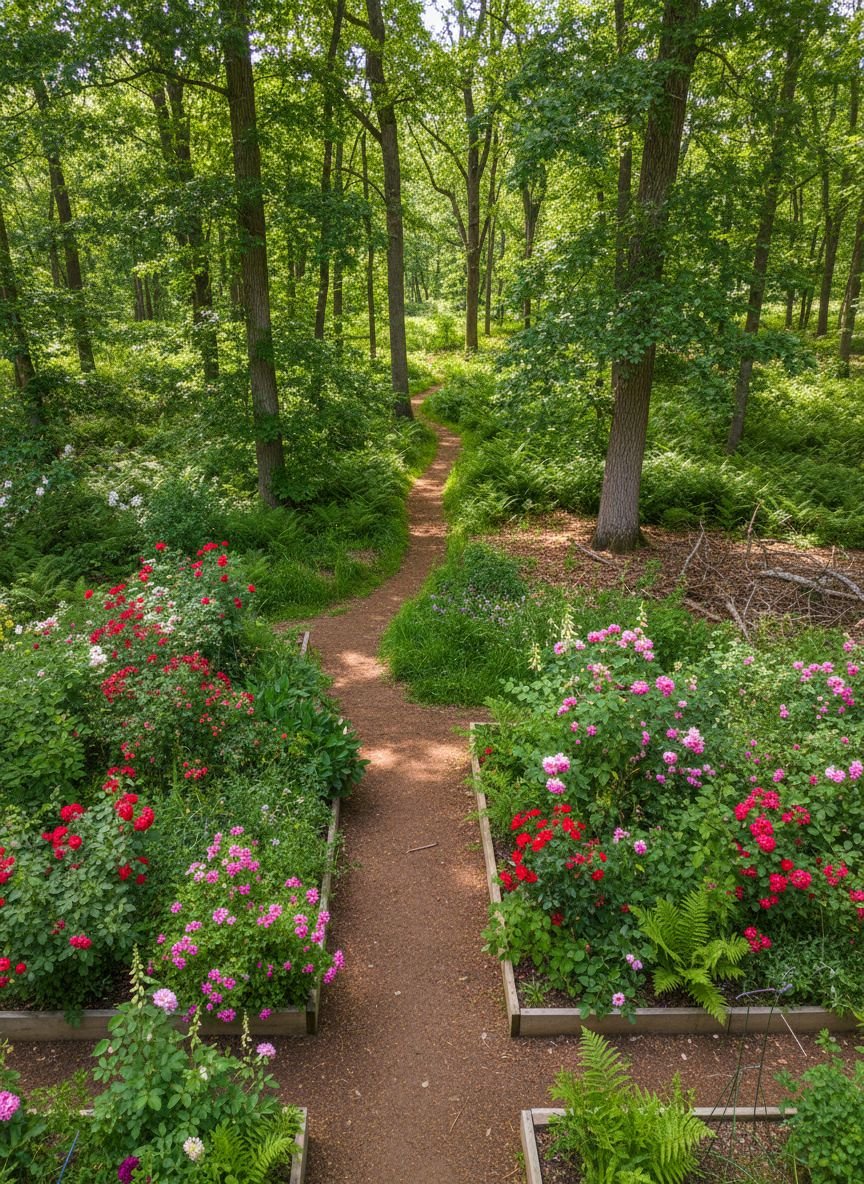
A forest garden, or food forest, is the ultimate expression of permaculture design. It mimics the structure of a young woodland but replaces standard forest plants with edible ones. This design features seven distinct layers: the canopy (large nut trees), the understory (fruit trees), the shrub layer (berry bushes), the herbaceous layer (vegetables and herbs), the ground cover, the rhizosphere (root crops), and the vertical layer (vines). The result is a dense, green sanctuary that feels like a private retreat.
Visually, a food forest is immersive and lush. It creates dappled light and shade, offering a cool respite during hot summers. It requires a shift in mindset from “neat rows” to “abundance.” You plan for succession planting, ensuring that as one crop finishes, another takes its place. Start small by establishing the canopy trees first, then gradually filling in the lower layers as the trees mature.
Pro Tip: Focus on perennial vegetables like asparagus, rhubarb, and artichokes in your forest garden to minimize the soil disturbance that comes with annual replanting.
Comparison: Raised Beds vs. In-Ground Planting
| Feature | Raised Beds | In-Ground Planting |
|---|---|---|
| Initial Cost | Higher (Materials for walls & soil) | Low (Uses existing soil) |
| Drainage | Excellent; prevents waterlogging | Varies; depends on native soil |
| Ergonomics | Better; less bending required | Harder; requires kneeling/bending |
| Soil Warmth | Warms up faster in spring | Takes longer to warm up |
| Water Retention | Dries out faster | Retains moisture longer |
Utilize Companion Planting
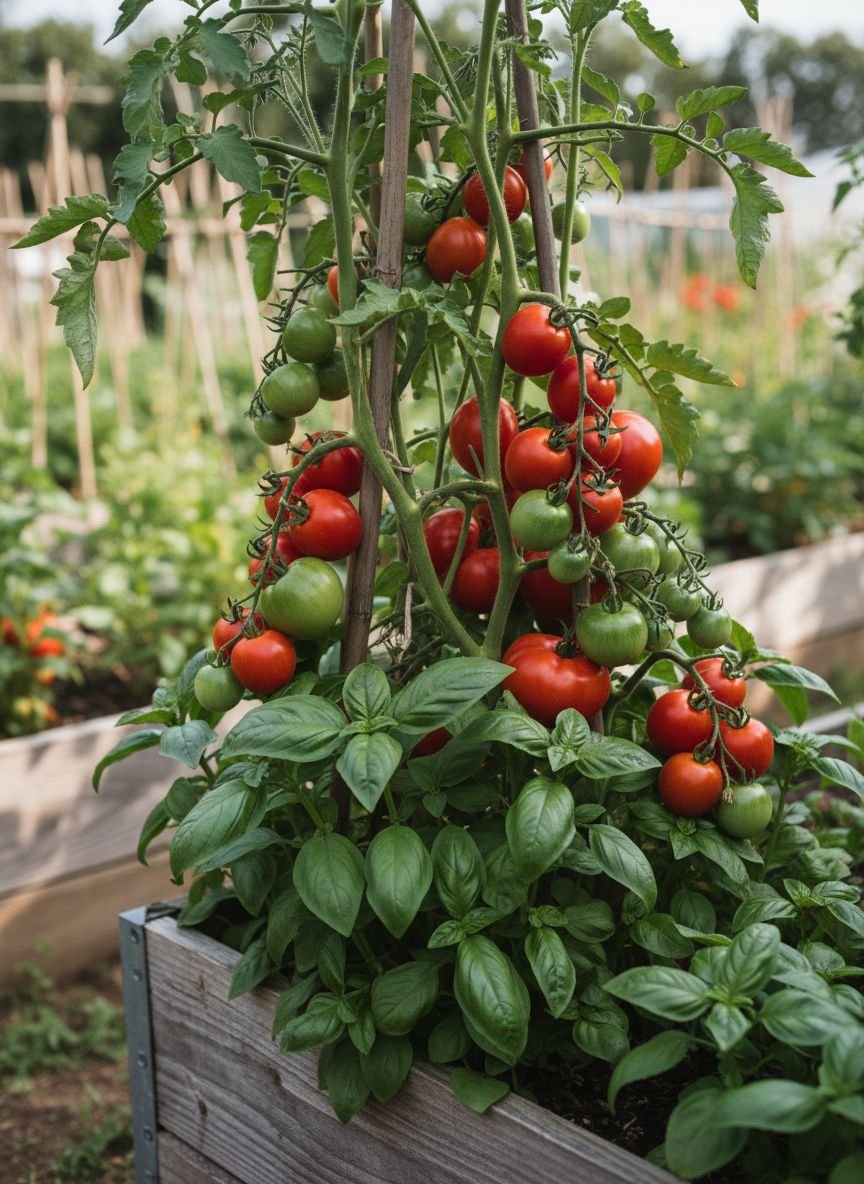
Companion planting goes beyond simple guilds; it is the practice of placing plants together that benefit each other in specific ways, such as pest control or flavor enhancement. A classic visual example is the “Three Sisters” method, where corn, beans, and squash grow together. The corn provides a trellis for the beans, the beans fix nitrogen for the corn, and the squash leaves act as a living mulch to suppress weeds. This creates a dense, productive patch that looks full and vibrant.
In a permaculture garden, you mix flowers and edibles freely. Marigolds are planted alongside tomatoes to repel nematodes, while nasturtiums are placed near brassicas to act as a trap crop for aphids. This intermingling adds pops of bright color among the green foliage, making the vegetable garden look more like a cottage flower garden. It breaks the monotony of monoculture and confuses pests looking for a large target.
Pro Tip: Plant aromatic herbs like basil and cilantro throughout your vegetable beds. Their strong scents mask the smell of your prize vegetables, hiding them from pests.
Design with Zoning in Mind
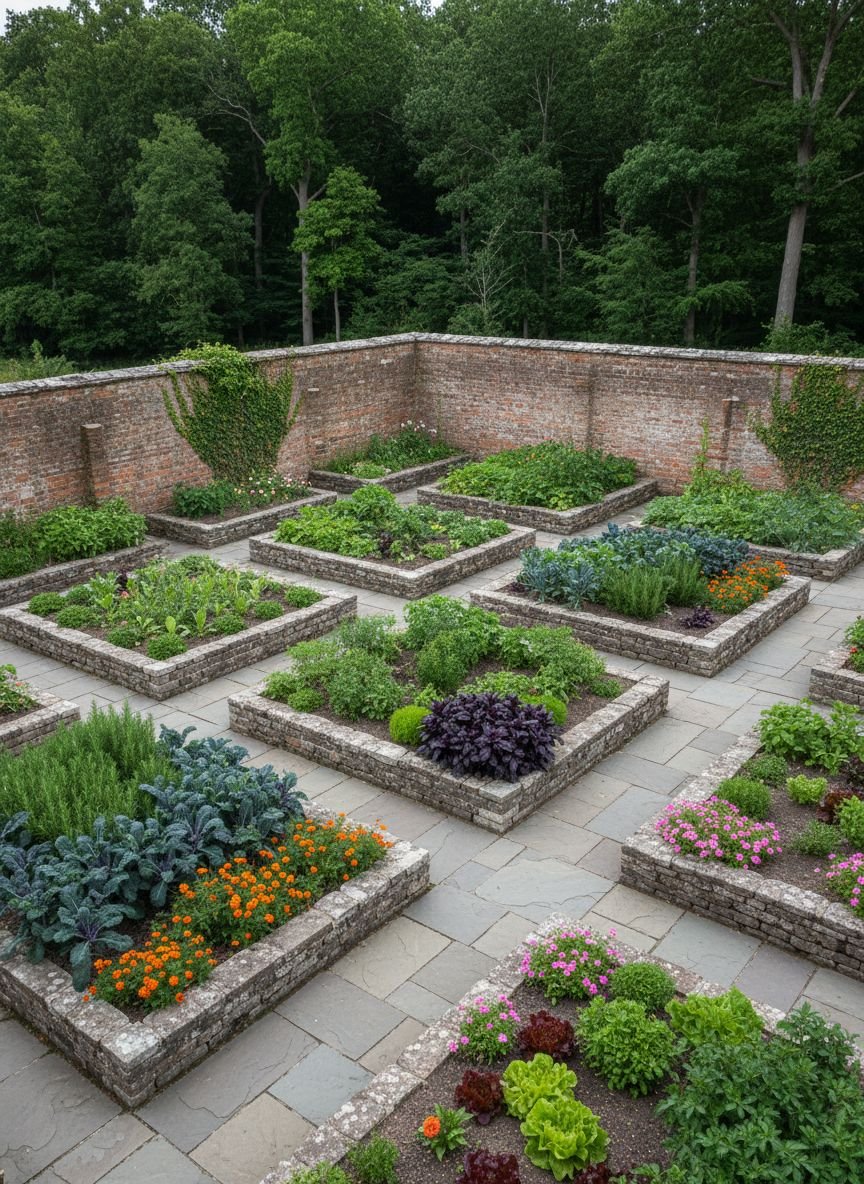
Zoning is a conceptual tool in permaculture that organizes the landscape based on how often you visit an area. Zone 0 is the house, Zone 1 is the area immediately surrounding it, and Zone 5 is the wild, unmanaged sector. Visually, this creates a gradient of maintenance. The areas closest to the house are manicured and intensively planted with salad greens and herbs, while the outer zones become wilder, with orchards and woodlots.
Designing with zones ensures you don’t burn out. You place the plants that need daily watering or harvesting (like lettuce and strawberries) in Zone 1. Zone 2 might hold potatoes or pumpkins that need less attention. This logical layout saves energy and time. You won’t have to drag a hose 100 feet every day to water a thirsty plant that was accidentally placed in Zone 4.
Pro Tip: Map out your daily walking paths. Your Zone 1 should be the areas you naturally walk through every day, such as the path from the car to the front door or the route to the trash bins.
Implement Composting and Mulching
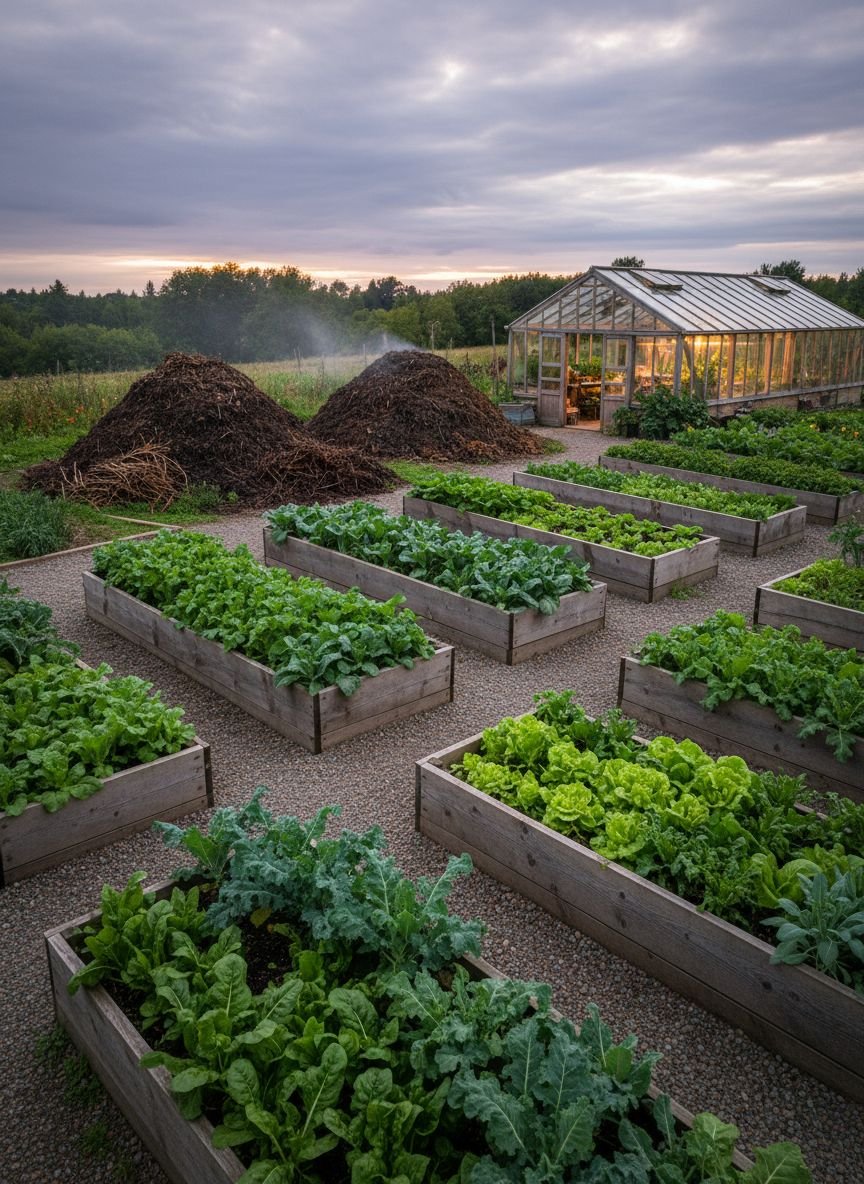
Composting and mulching are the heartbeat of a healthy permaculture system. While compost piles are often tucked away, mulched beds are a prominent visual feature. A thick layer of straw, wood chips, or leaves gives the garden a neat, uniform appearance while suppressing weeds. This “brown” layer contrasts beautifully with the vibrant green of vegetable leaves. It mimics the forest floor, where leaves fall and decompose to feed the trees.
Implementing a robust composting system means you are closing the loop on waste. Instead of buying bags of fertilizer, you are manufacturing your own rich soil amendment. You can use simple wire bins, tumblers, or even just a designated pile. The key is to layer “greens” (kitchen scraps, grass clippings) with “browns” (leaves, paper, cardboard) to keep the pile active and odorless.
Pro Tip: practice “chop and drop” mulching. When pruning plants like comfrey, simply cut the leaves and drop them directly on the soil around the plant to act as instant mulch and fertilizer.
Plan for Wild Edibles
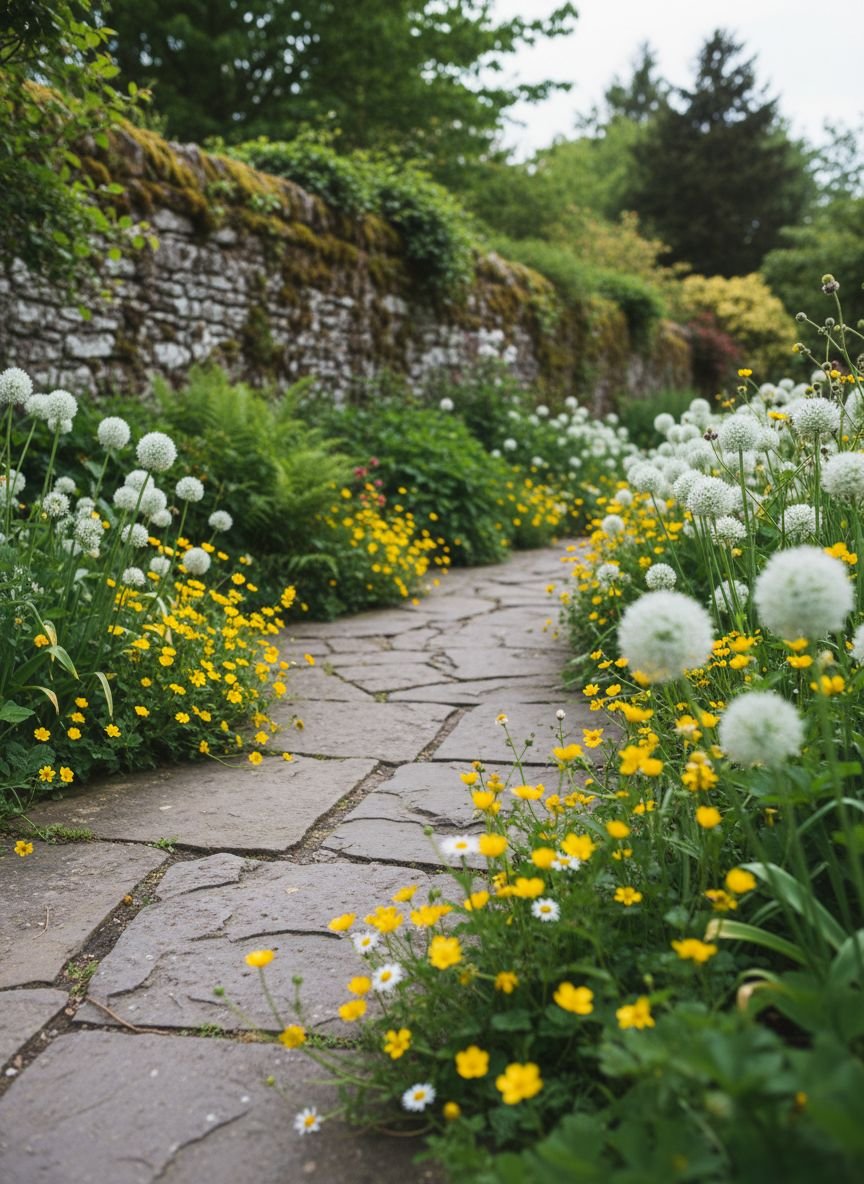
Incorporating wild edibles into your garden design blurs the line between “weed” and “crop.” Plants like dandelion, chickweed, and purslane are often eradicated in traditional gardens, but in permaculture, they are valued for their high nutrient content and resilience. Visually, allowing these plants to grow in designated areas adds a layer of natural softness to the landscape. A patch of stinging nettle can be a rich source of iron and a great tea ingredient.
To design for wild edibles, you simply need to learn to identify what is already growing and decide what to keep. You might designate a “wild corner” where these plants are allowed to flourish. This promotes biodiversity and ensures you have food sources that require absolutely zero maintenance. It challenges the conventional aesthetic of a weed-free lawn and replaces it with a diverse botanical collection.
Pro Tip: Dandelions have deep taproots that break up compacted soil. Leave them in areas with hard clay to help improve drainage naturally.
Include a Wildlife Habitat
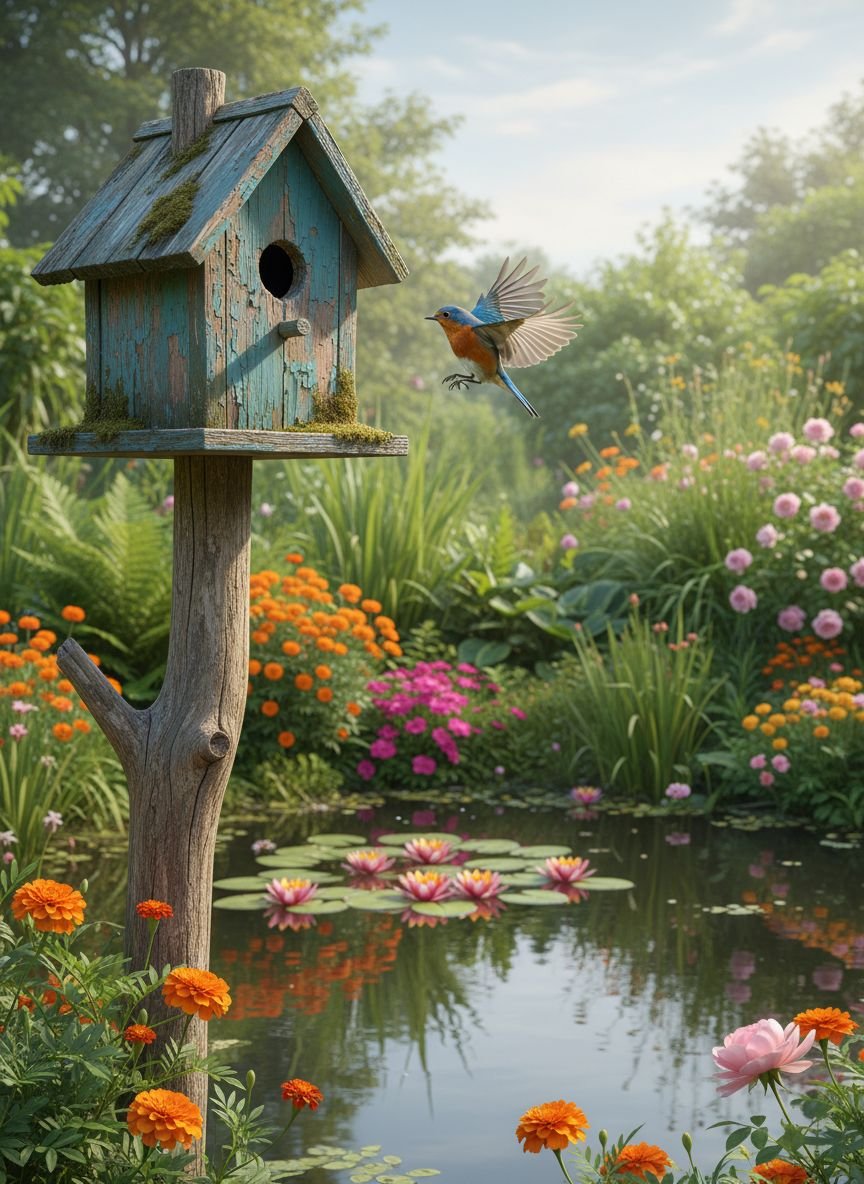
A permaculture garden is not just for humans; it is a sanctuary for wildlife. Designing for wildlife involves creating features like ponds, rock piles, and insect hotels. A small pond is a stunning focal point that reflects the sky and adds movement to the garden. It attracts frogs and dragonflies, which are voracious predators of mosquitoes and garden pests. Rock piles provide shelter for lizards and snakes, which help control rodent populations.
Visually, these elements add texture and interest. A bug hotel made from stacked pallets, bamboo canes, and pinecones can be a piece of garden art in itself. By inviting wildlife in, you are recruiting a natural workforce to help maintain the balance of your ecosystem. You will see more birds, which means fewer caterpillars eating your kale.
Pro Tip: Leave a small pile of brush or logs in a quiet corner of the yard. This provides essential winter shelter for hedgehogs, native bees, and other beneficial creatures.
Related posts :
- 18 Innovative Small Garden Ideas to Maximize Your Green Space
- 15 Unique Patio Roof Extension Ideas For A Stunning Backyard
Add a Polyculture Plot
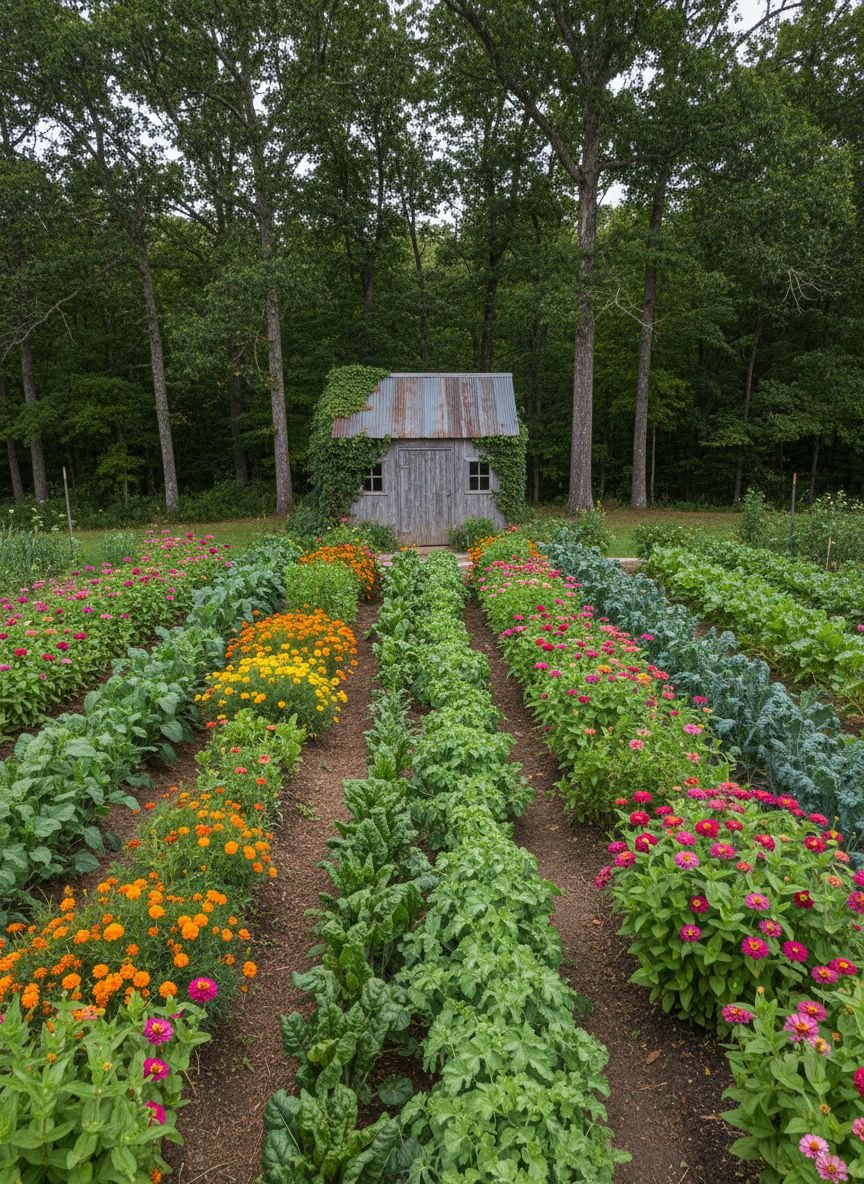
Polyculture is the opposite of monoculture. Instead of planting a whole bed of just onions, you mix multiple species in the same space. A polyculture plot might include root vegetables, ground covers, and climbing vines all occupying the same square footage. This creates a dense, jungle-like aesthetic that is incredibly productive. The different root depths and plant heights ensure that every inch of soil and sunlight is utilized.
This approach confuses pests that rely on sight or smell to find their favorite host plants. It also ensures that if one crop fails due to disease or weather, others will likely survive. To start a polyculture plot, mix seeds of fast-growing salad greens with slower-growing root crops like carrots and beets. Scatter them over a prepared bed and thin them as they grow, harvesting the greens to make room for the roots.
Pro Tip: Mix radish seeds with your carrot seeds. The radishes germinate quickly, marking the rows, and are harvested before the carrots need the space to expand.
Incorporate Perennial Vegetables
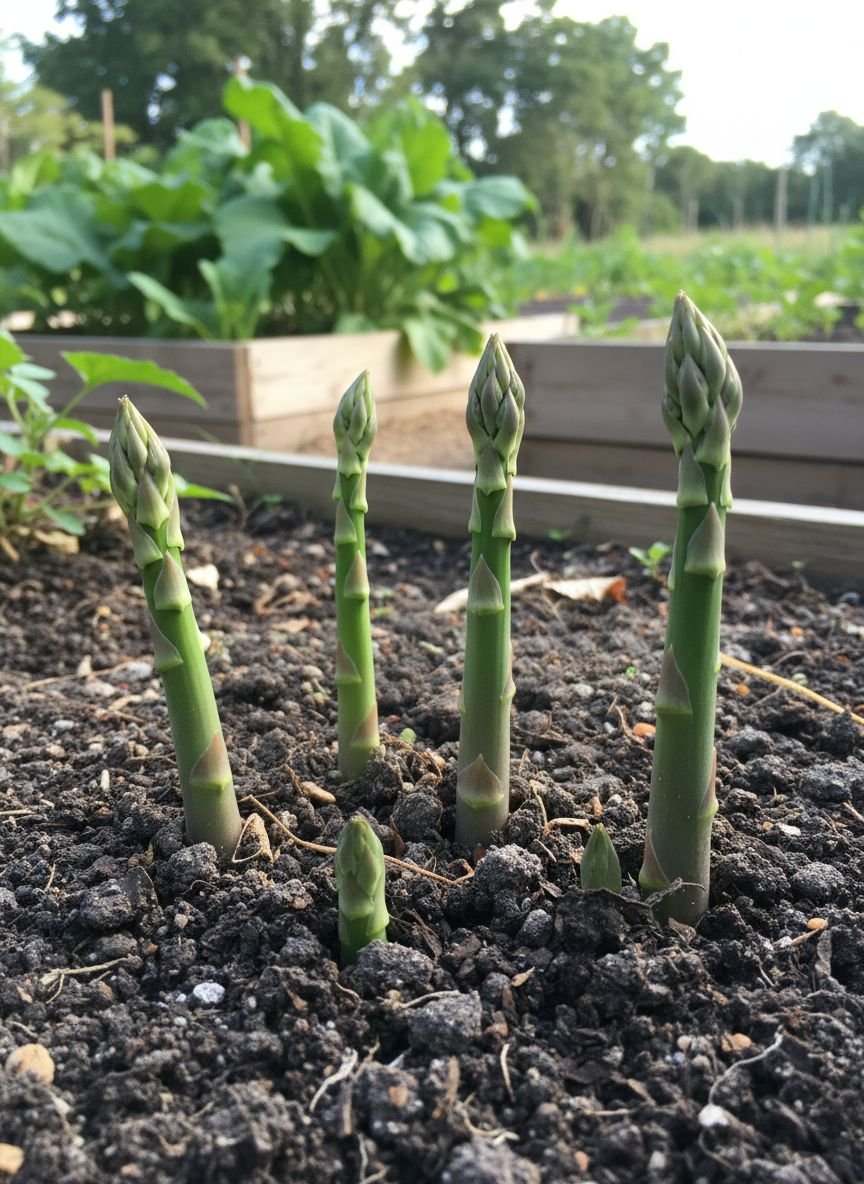
Perennial vegetables are the backbone of a low-maintenance permaculture design. Unlike annuals that need to be replanted every year, perennials come back season after season. Plants like asparagus, globe artichokes, rhubarb, and sorrel provide a reliable harvest with minimal effort. Visually, these plants are often large and architectural. Globe artichokes, for instance, have striking silver foliage and massive thistle-like flowers that are as ornamental as they are edible.
Integrating perennials gives your garden structure. You can use berry bushes as hedges or rhubarb as a border plant. Since they don’t need to be tilled or replanted, the soil structure around them remains intact, fostering a healthy network of fungal life. This leads to better water retention and nutrient uptake over time.
Pro Tip: Plant Jerusalem artichokes (sunchokes) as a summer screen or windbreak. They grow tall quickly, produce beautiful sunflower-like blooms, and yield pounds of edible tubers.
Design a Waterwise Garden
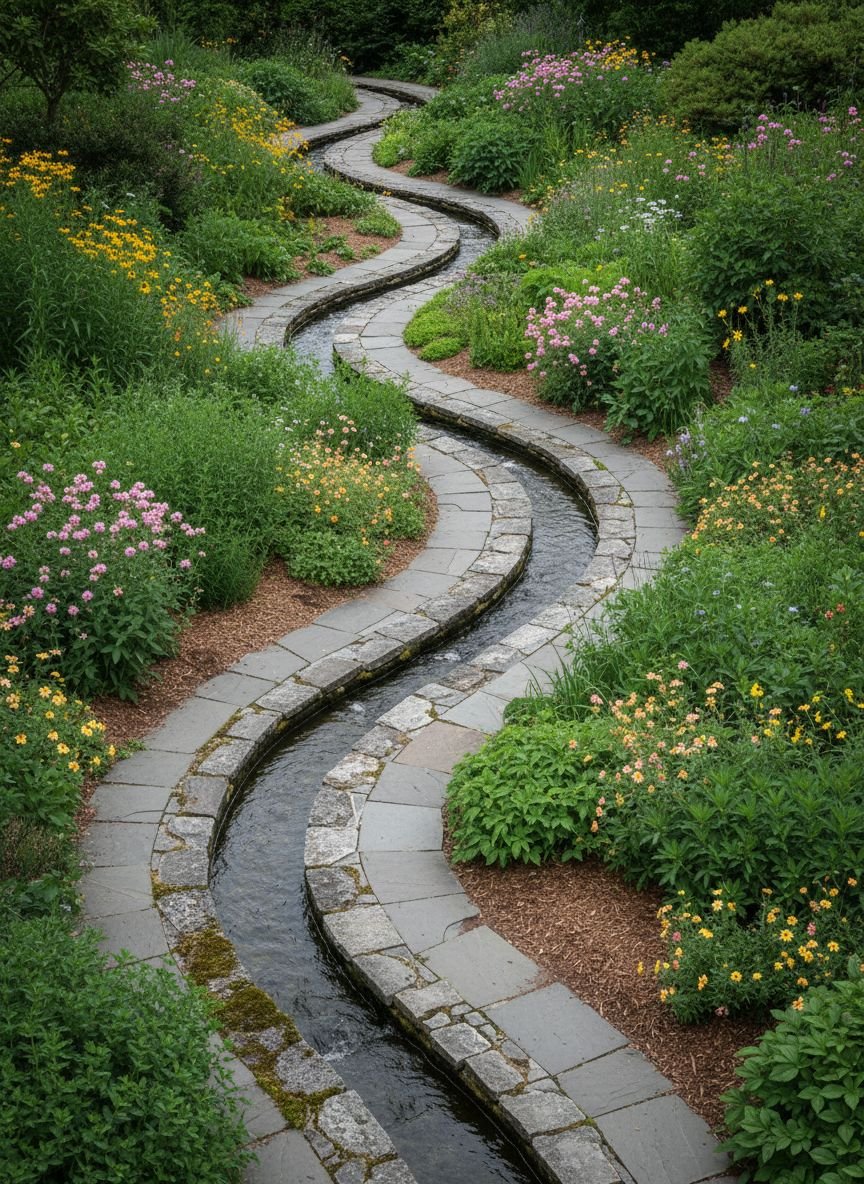
Water is a precious resource, and permaculture designs prioritize capturing and storing it. Techniques like swales (ditches on contour) and rain gardens are used to slow, spread, and sink rainwater into the landscape. A swale can be planted with fruit trees along the berm, creating a lush, green ribbon that follows the natural curves of the land. Rain gardens are planted with deep-rooted species that can tolerate temporary flooding, creating a burst of color in low-lying areas.
Visually, these water-harvesting earthworks add flow and movement to the garden design. They replace straight lines with organic curves. By designing your garden to catch water, you reduce the need for irrigation and protect your local watershed from runoff pollution. Rain barrels attached to downspouts are another functional element that can be aesthetically clad in wood or concealed with trellises.
Pro Tip: Observe your land during a heavy rainstorm before you dig. Notice where the water flows and pools naturally, then design your swales or ponds to intercept that flow.
Embrace Raised Beds
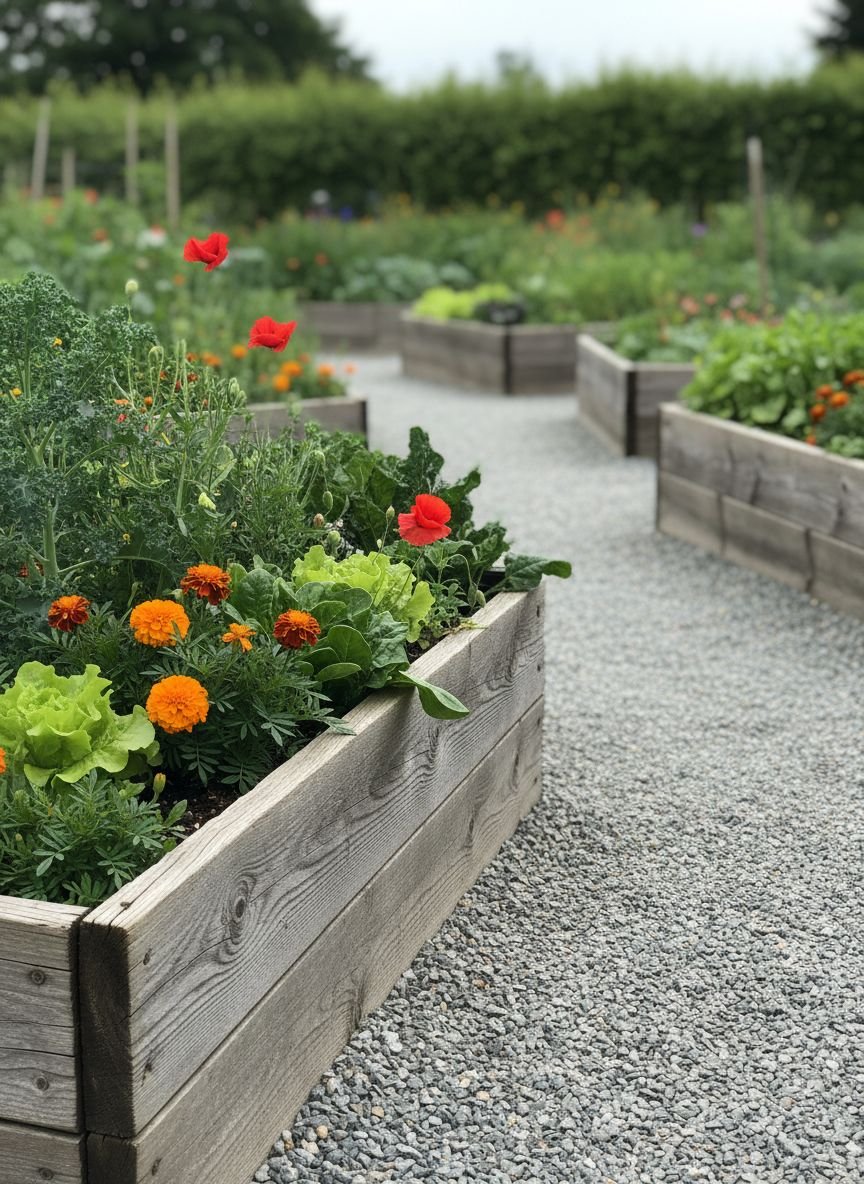
While permaculture often emphasizes planting in the ground, raised beds have a valuable place, especially in urban settings or areas with contaminated soil. They allow you to control the soil quality perfectly and prevent compaction from foot traffic. Raised beds can be built from rot-resistant cedar, stone, or even woven willow for a rustic look. They add height and definition to the garden layout, creating clear pathways and organized growing spaces.
Raised beds also warm up faster in the spring, allowing for an earlier start to the growing season. In a permaculture context, you can fill them using the hugelkultur method or sheet mulching to build long-term fertility. They are excellent for Zone 1 kitchen gardens, as they are easy to access for quick harvesting.
Pro Tip: Make your raised beds no wider than four feet. This ensures you can reach the center of the bed from either side without ever stepping on the soil.
Save this idea to your Pinterest.
Incorporate Vertical Gardening
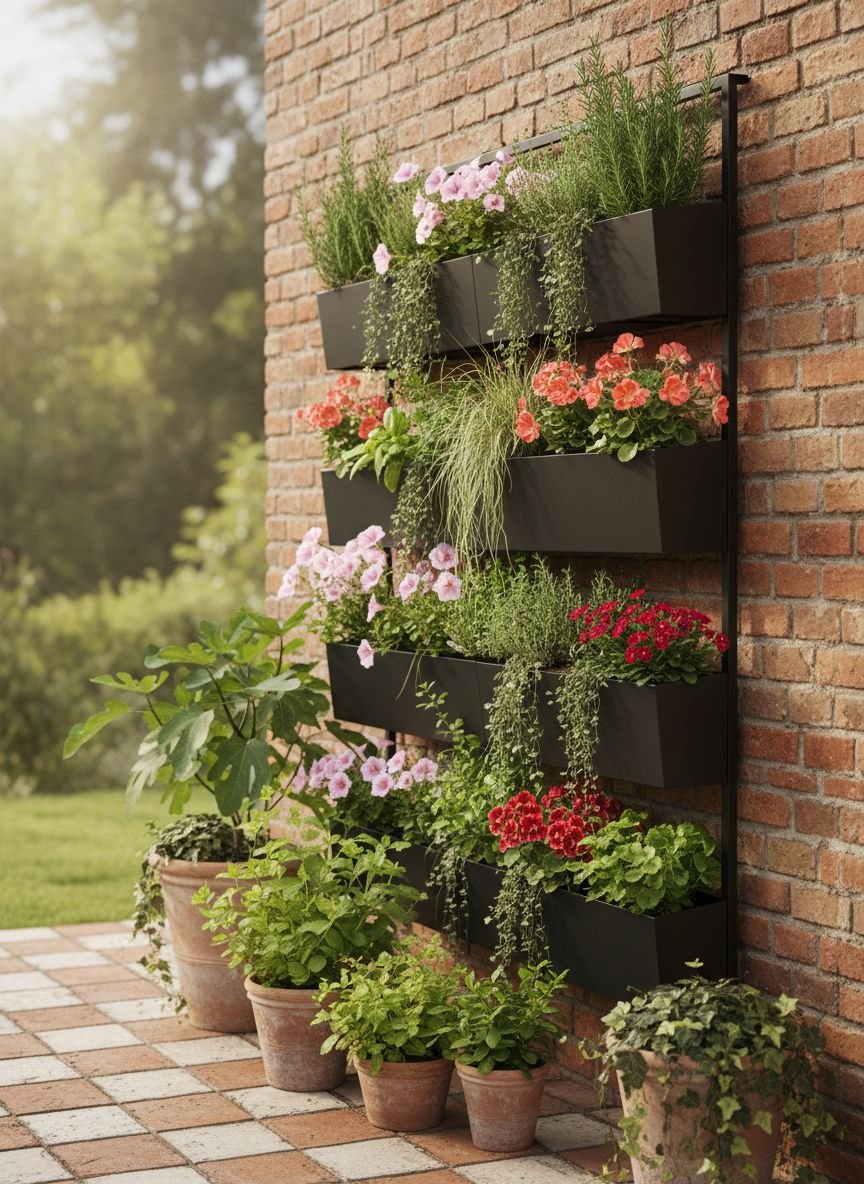
Vertical gardening is essential for maximizing yields in small footprints. By growing upwards, you increase your growing area without expanding your garden’s boundaries. Trellises, arbors, and cattle panel arches can support vining crops like beans, peas, cucumbers, and even small melons. Visually, these vertical elements add height and drama. A tunnel covered in hanging gourds or beans creates a magical, immersive experience as you walk through it.
Vertical structures also provide shade for heat-sensitive plants below. You can grow lettuce in the shadow of a cucumber trellis during the hot summer months. This stacking of functions is a core permaculture principle. Use sturdy materials like rebar or cedar posts to ensure your structures can withstand the weight of a heavy harvest and strong winds.
Pro Tip: Use “indeterminate” tomato varieties for vertical gardening. They will continue to grow and produce fruit along the vine until the first frost, unlike bush varieties.
Get The Look: Permaculture Starter Kit
- Tools: Hori Hori knife, Broadfork (for aerating without tilling), Pruning shears.
- Materials: Cardboard (for sheet mulching), Wood chips, Straw.
- Plants: Comfrey roots, Berry canes, Perennial kale seeds.
- Water: Rain barrel diverter kit, Soaker hoses.
Create a Living Fence
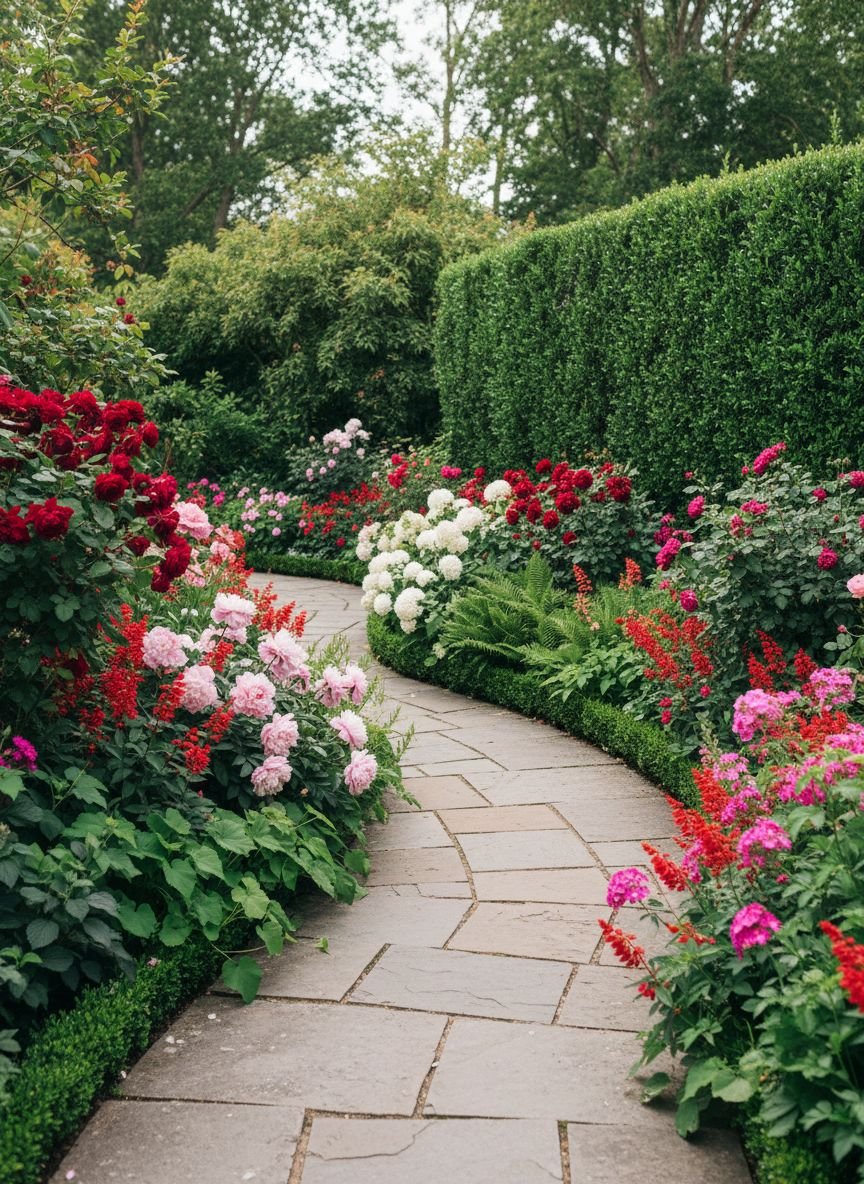
A living fence, or hedgerow, is a permanent boundary made of plants. Instead of a sterile wooden or chain-link fence, a living fence provides habitat, food, and privacy. You can use plants like willow, hazel, or thorny berry bushes to create an impenetrable barrier. Visually, a living fence softens the edges of your property and blends your garden into the surrounding landscape. It changes with the seasons, offering flowers in spring, fruit in summer, and structure in winter.
Living fences also act as windbreaks, creating a sheltered microclimate for your garden. They can filter road dust and reduce noise pollution. To create one, plant shrubs and trees closely together, sometimes weaving their branches (a technique called laying) to increase density. This is a long-term investment that increases in value and beauty every year.
Pro Tip: Willow is an excellent choice for a living fence because it is flexible and roots easily. You can weave living willow rods into a lattice pattern that fuses together as it grows.
Add Edible Ground Covers

Bare soil is the enemy in permaculture. Nature abhors a vacuum and will fill bare spots with weeds if you don’t fill them with something else. Edible ground covers are the solution. Plants like strawberries, creeping thyme, and sweet potato vines cover the soil, retaining moisture and suppressing unwanted weeds. Visually, they create a lush, green carpet that underplants your taller crops.
Using edible ground covers is a prime example of “stacking functions.” You get weed control, moisture retention, and a harvest all from one plant. Alpine strawberries are particularly good for edging paths, offering tiny, intense bursts of flavor. Clover is another option that, while not always eaten by humans, feeds the soil nitrogen and attracts pollinators, benefiting the entire system.
Pro Tip: Plant mint as a ground cover only if it is contained in a pot or a bounded area. It is incredibly invasive and will take over your entire garden if left unchecked.
Popular Asked Questions
Can permaculture work in small spaces?
Yes, absolutely. Permaculture is about design principles, not size. You can apply it to a balcony by using vertical planters, catching rainwater in buckets, and composting with a worm bin. Even a single windowsill herb garden can be designed using these principles of efficiency and sustainability.
Is permaculture expensive to start?
It does not have to be. In fact, it often saves money. Many techniques rely on free resources like cardboard for mulching, rainwater, and compost made from your own waste. You can propagate plants from cuttings or swap seeds with neighbors. The biggest investment is usually time and observation.
How do I manage pests without chemicals?
You manage pests by creating a balanced ecosystem. You encourage predators like ladybugs, frogs, and birds by providing them with habitat. You also use companion planting to confuse pests and build healthy soil so plants are strong enough to resist attacks naturally.
What are the 5 zones of permaculture?
The zones are a way to organize your space based on frequency of use. Zone 0 is the house. Zone 1 is for daily visits (herbs, salad). Zone 2 is for animals and main crops. Zone 3 is for orchards and main crops. Zone 4 is for semi-wild gathering. Zone 5 is unmanaged wilderness for nature.
Is permaculture different from traditional gardening?
Yes. Traditional gardening often fights nature (tilling, spraying, weeding) to grow specific crops. Permaculture works with nature to create a system that largely maintains itself. It focuses on soil health, water conservation, and perennial plants rather than annuals that need constant replanting.
Conclusion
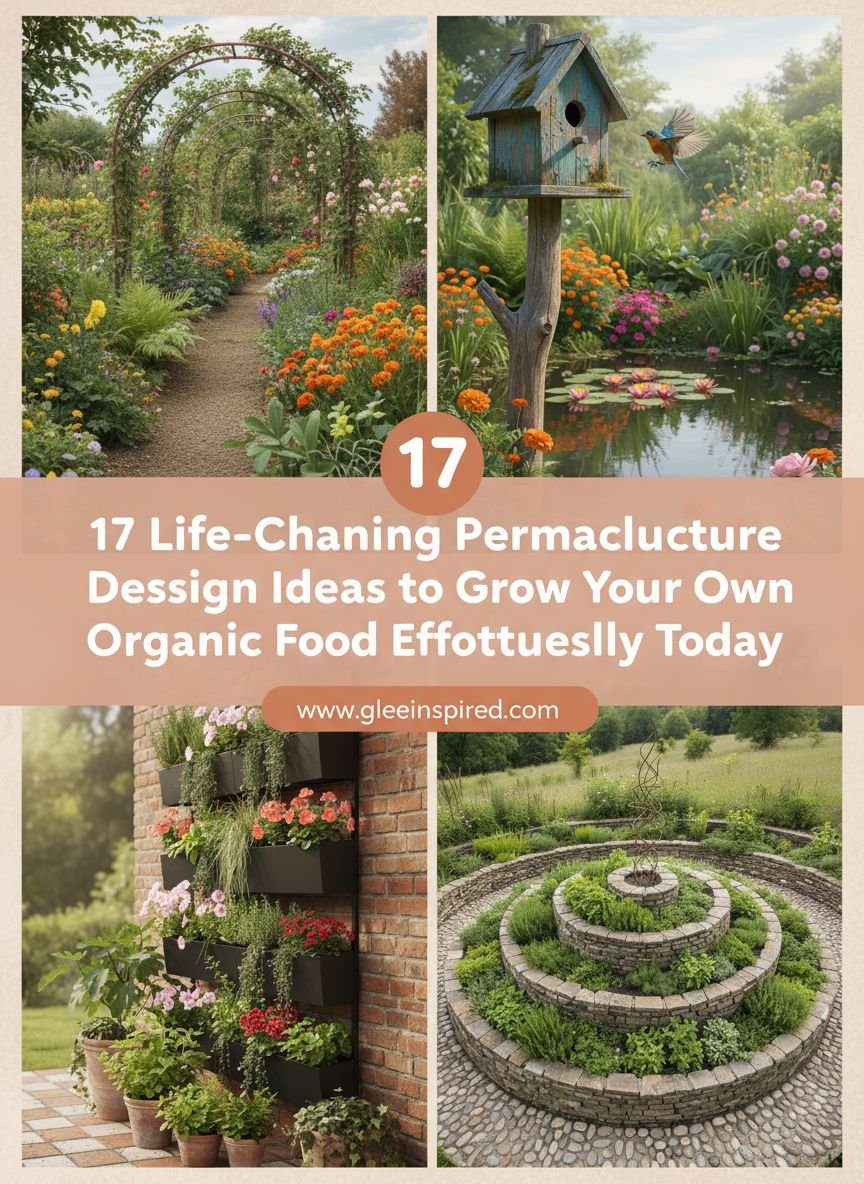
Adopting these 17 inspiring permaculture garden design ideas is more than just a landscaping choice; it is a step towards a more sustainable and resilient lifestyle. By observing nature and mimicking its patterns, you can create a backyard that is not only beautiful but also productive and healing. Whether you start with a simple herb spiral or dive into a full food forest, every step counts.





Leave a Comment