
You want a backyard that feels like an extension of your home. A concrete slab or a patch of grass does not cut it anymore. You need a space that pulls you outside the moment the sun hits the horizon. Creating an outdoor sanctuary increases your living footage and boosts your property value significantly.
Many homeowners struggle with undefined outdoor spaces. You might have a table and chairs but lack the atmosphere that makes a patio truly inviting. This guide solves that problem. We break down specific design elements that layer texture, light, and function to build a cohesive look. You will find practical ways to zone your yard, choose durable materials, and style your space for maximum comfort.
Key Takeaways
- Zoning is Essential: Define areas for eating, lounging, and cooking to make the patio feel larger and more functional.
- Lighting Sets the Mood: Layering string lights, lanterns, and fire pits extends the usability of your space into the night.
- Texture Adds Warmth: Mixing wood, stone, metal, and textiles prevents the design from feeling flat or cold.
- Vertical Space Matters: Utilize walls and overhead structures for greenery and privacy to create a cozy “room” effect.
Table of Contents
- Cozy Fire Pit Gathering
- Mixing Textures for Depth
- String Lights for Ambiance
- Built-In Seating Nooks
- Open-Air Bar Setup
- Outdoor Rug Comfort
- Rustic Meets Modern Aesthetic
- Lush Greenery Oasis
- Covered Patio Comfort
- DIY Cobblestone Path
- Patterned Tile Flooring
- Vertical Garden Walls
- Pergola for Shade and Style
- Swinging Daybed Retreat
- Colorful Plant Containers
- Outdoor Kitchen Delight
- Popular Asked Questions
- Conclusion
Cozy Fire Pit Gathering
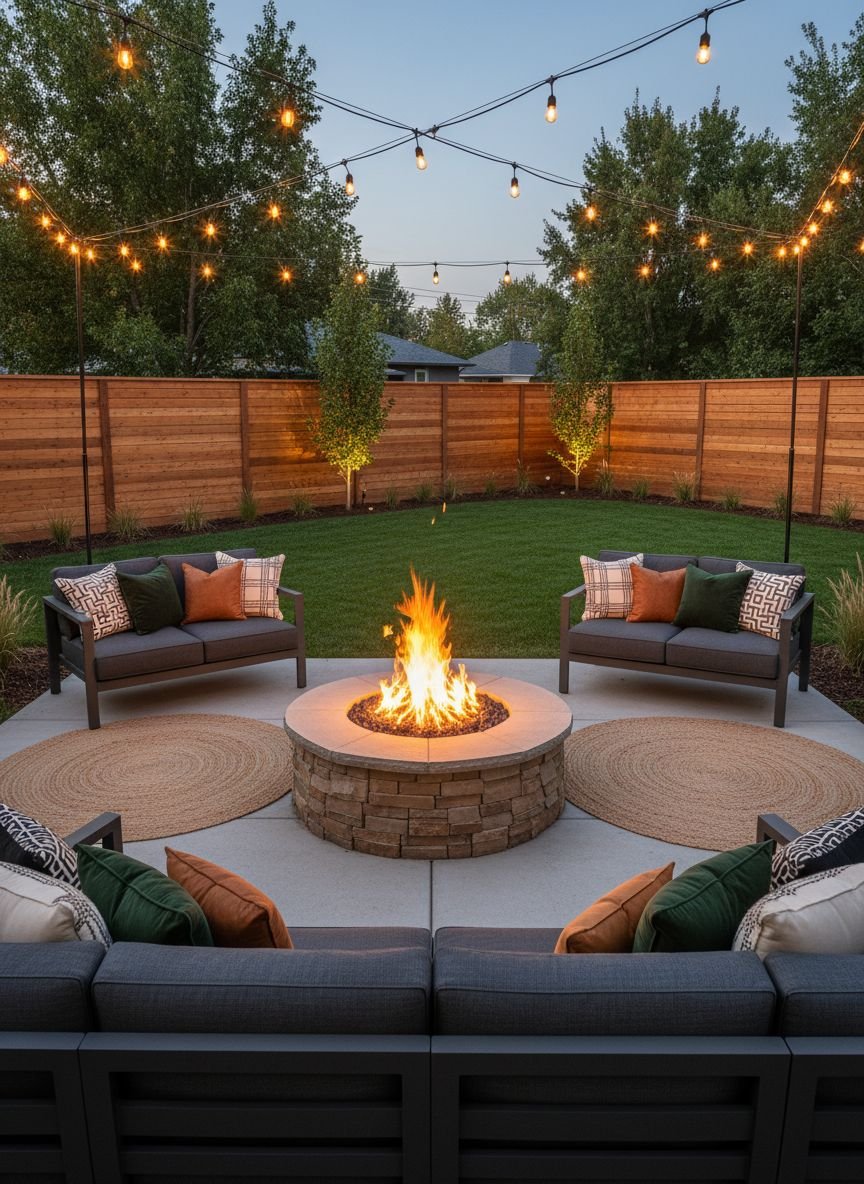
A fire pit acts as the natural heart of any outdoor space. It draws people in and anchors the seating arrangement. Placing a fire feature in the center of your patio creates an immediate focal point that dictates the rest of the furniture layout. Round fire pits work exceptionally well for circular seating arrangements which encourage conversation. Square or rectangular pits offer a more modern look and pair well with sectional sofas. You can choose between wood-burning options for that authentic crackle and scent or go with gas for instant ambiance without the smoke.
The material you choose for the surround sets the tone for the entire area. Rough-cut stone evokes a rustic, lodge-like feel that blends seamlessly with natural landscaping. Sleek concrete or corten steel pushes the aesthetic toward industrial modernism. Comfortable seating is non-negotiable here. Adirondack chairs are a classic choice for a relaxed vibe. Deep-seated armchairs with weather-resistant cushions provide a more luxurious experience. Ensure you leave enough legroom between the seats and the fire for safety and ease of movement.
Pro Tip: Keep a basket of rolled wool blankets nearby to extend your patio season well into the cooler autumn months.
Mixing Textures for Depth
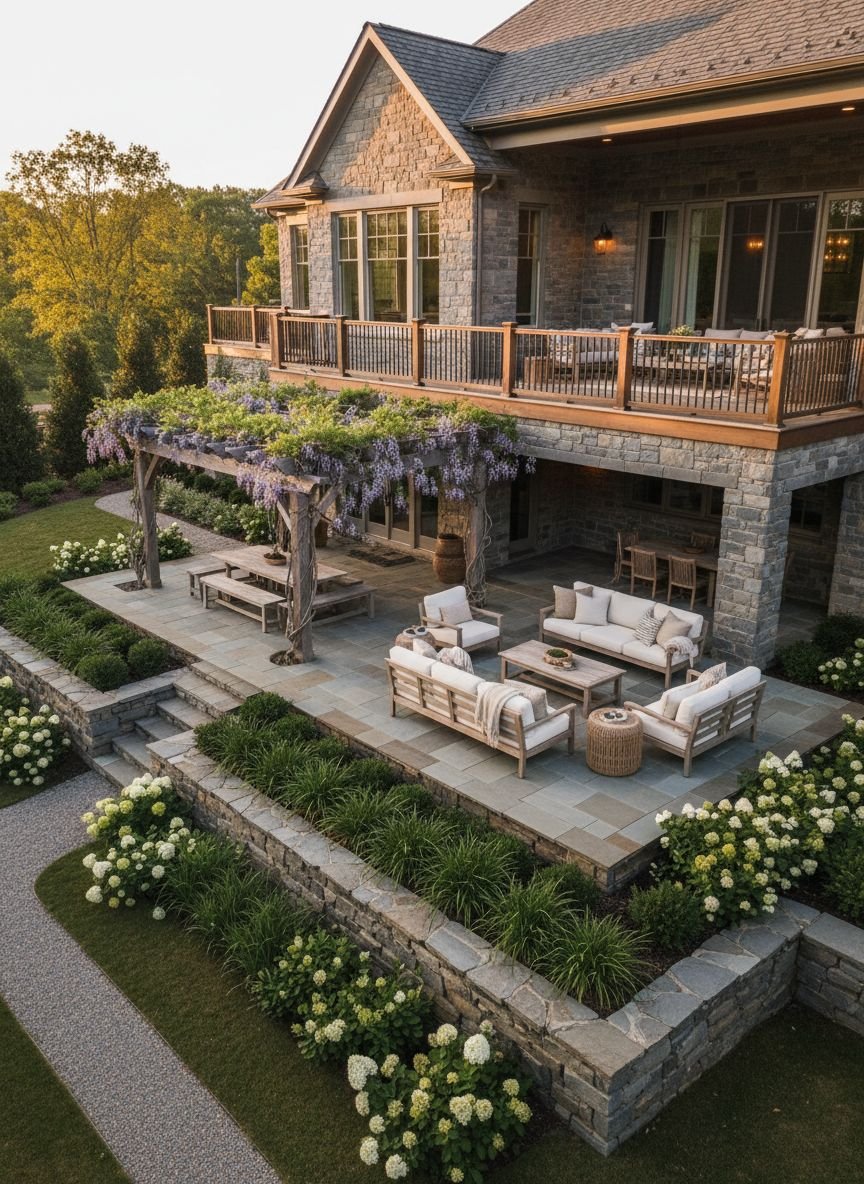
Flat designs feel boring. Great patio design relies on the interplay of opposing surfaces. You need to contrast hard materials with soft ones to create visual interest. Think about pairing a sleek, cool concrete floor with the warmth of a raw teak dining table. The roughness of a brick wall looks incredible against the smoothness of glass lanterns. This layering prevents the space from looking one-dimensional or like a furniture showroom display.
Woven elements bring a tactile quality that is essential for outdoor comfort. Rattan or wicker furniture adds an organic touch that connects the hardscape to the garden. Metal accents, such as iron planters or copper light fixtures, introduce a bit of shine and industrial edge. Don’t forget the soft goods. Canvas pillows, linen throws, and plush seat cushions soften the hard edges of outdoor furniture. The goal is to make the eye travel around the space, stopping to appreciate the difference between the grain of the wood and the weave of the fabric.
Pro Tip: Use matte black hardware on light wood structures to create a high-contrast, custom look that pops in photos.
String Lights for Ambiance
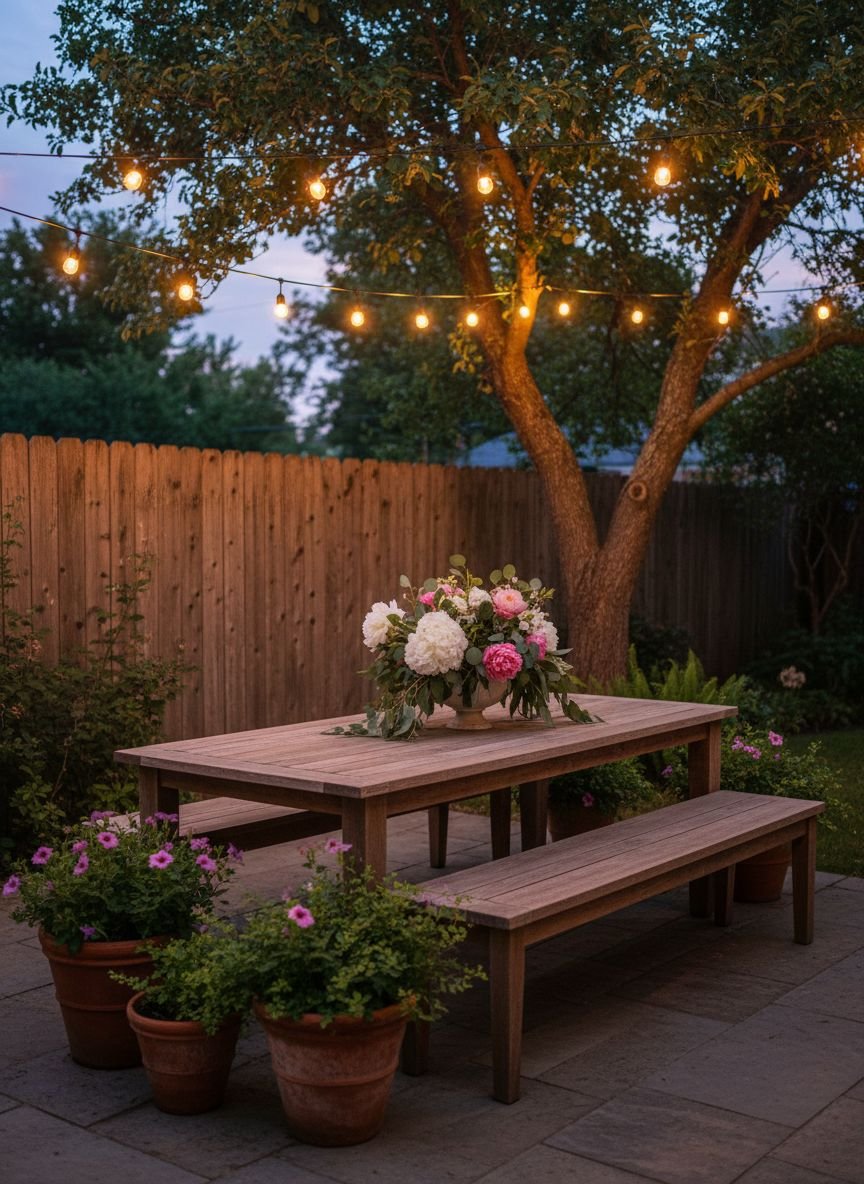
Overhead lighting transforms a dark backyard into a magical evening retreat. String lights are the most cost-effective way to change the atmosphere of your patio completely. Draping them in a zigzag pattern across the open space creates a “ceiling” of light that makes the area feel intimate and enclosed. This defines the gathering space without building actual walls. The warm glow mimics starlight and flatters skin tones, making it perfect for dinner parties or late-night conversations.
You have several options for installation depending on your layout. If you have trees, use them as natural anchor points. For open patios, install sturdy wooden posts or metal poles in planters to hold the lines. Globe lights with exposed filaments offer a vintage, bistro-style charm. Smaller fairy lights create a more delicate, whimsical effect. Ensure you choose commercial-grade, weatherproof strands that can withstand rain and wind. Putting these lights on a dimmer switch gives you total control over the mood, allowing you to go from bright and festive to soft and romantic in seconds.
Pro Tip: Connect your outdoor lights to a smart plug so you can schedule them to turn on automatically at sunset.
Built-In Seating Nooks

Custom seating maximizes every square inch of your patio. Built-in benches are a brilliant solution for small spaces or awkward corners where standard furniture might not fit. Constructing a bench along the perimeter of a deck or against a retaining wall keeps the center of the patio open for flow. This approach creates a clean, architectural look that feels intentional and high-end. Wood is the most common material for these builds, specifically cedar or redwood for their natural resistance to rot.
These structures often serve a dual purpose. You can design the bench with a hinged top to provide hidden storage for cushions, gardening tools, or pool toys. This keeps the patio clutter-free. To make the hard bench comfortable for long periods, add custom-sized seat cushions and an array of throw pillows. Using the same material for the bench as the deck flooring creates a seamless, monochromatic look that makes the space appear larger. For a concrete patio, a poured concrete bench with a floating wood backrest adds a stunning modern element.
Pro Tip: Angle the backrest of your built-in bench slightly (about 10 to 15 degrees) for significantly better lumbar support than a straight 90-degree back.
Open-Air Bar Setup
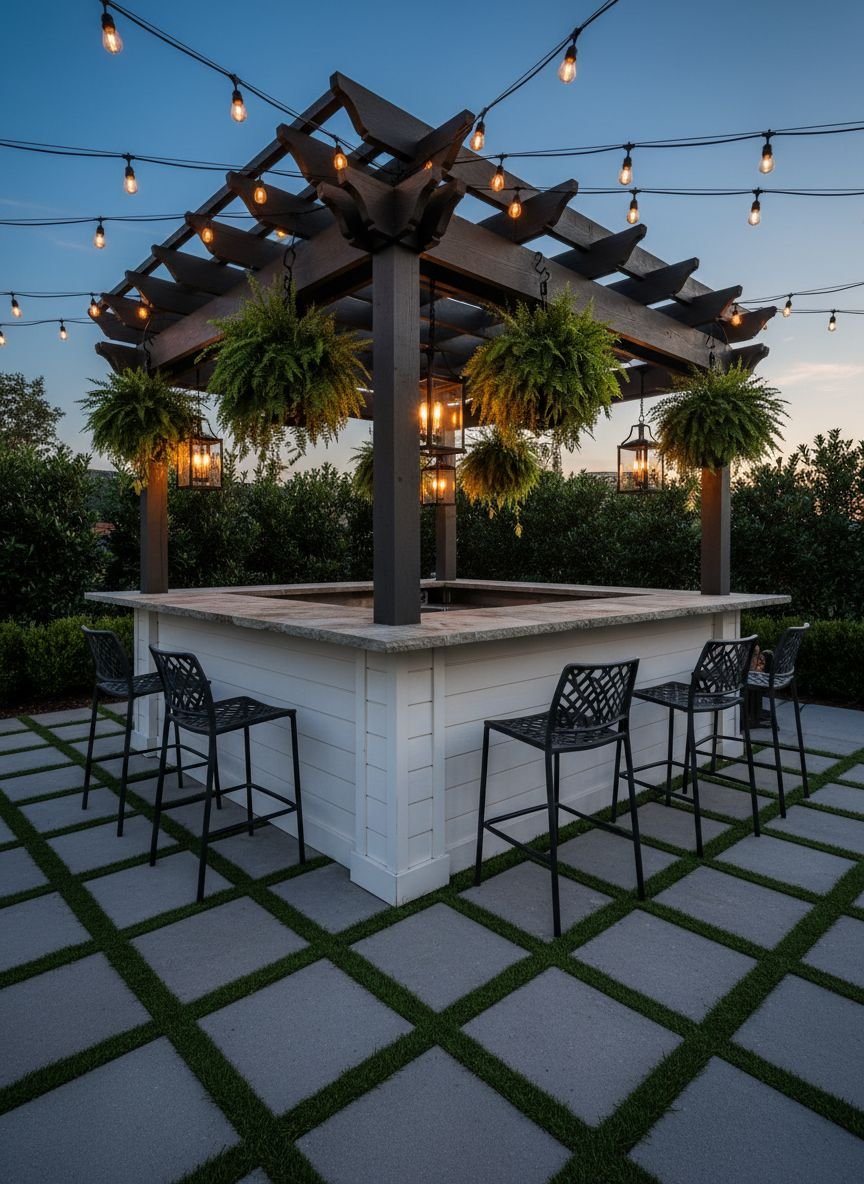
An outdoor bar elevates your hosting game instantly. You do not need a massive budget to create a functional beverage station. A simple console table or a repurposed potting bench can serve as the base. The key is accessibility. Position the bar near the kitchen entry or the grill area to keep the flow of traffic moving smoothly during parties. Stock it with durable acrylic glassware, a beverage tub for ice, and sealed containers for garnishes.
For a more permanent solution, consider a pass-through window from your indoor kitchen to the patio. Adding a counter shelf on the exterior side with a couple of barstools creates a connection between the cook and the guests. This “indoor-outdoor” link is a massive trend in home design right now. Use materials that wipe down easily, like granite, stainless steel, or sealed tile. Floating shelves above the bar area can hold small potted herbs like mint and basil, which look beautiful and serve as fresh cocktail ingredients.
Pro Tip: Install a wall-mounted bottle opener and a towel hook directly on the side of the bar so you never have to hunt for tools.
Save this idea to your Pinterest.
Outdoor Rug Comfort
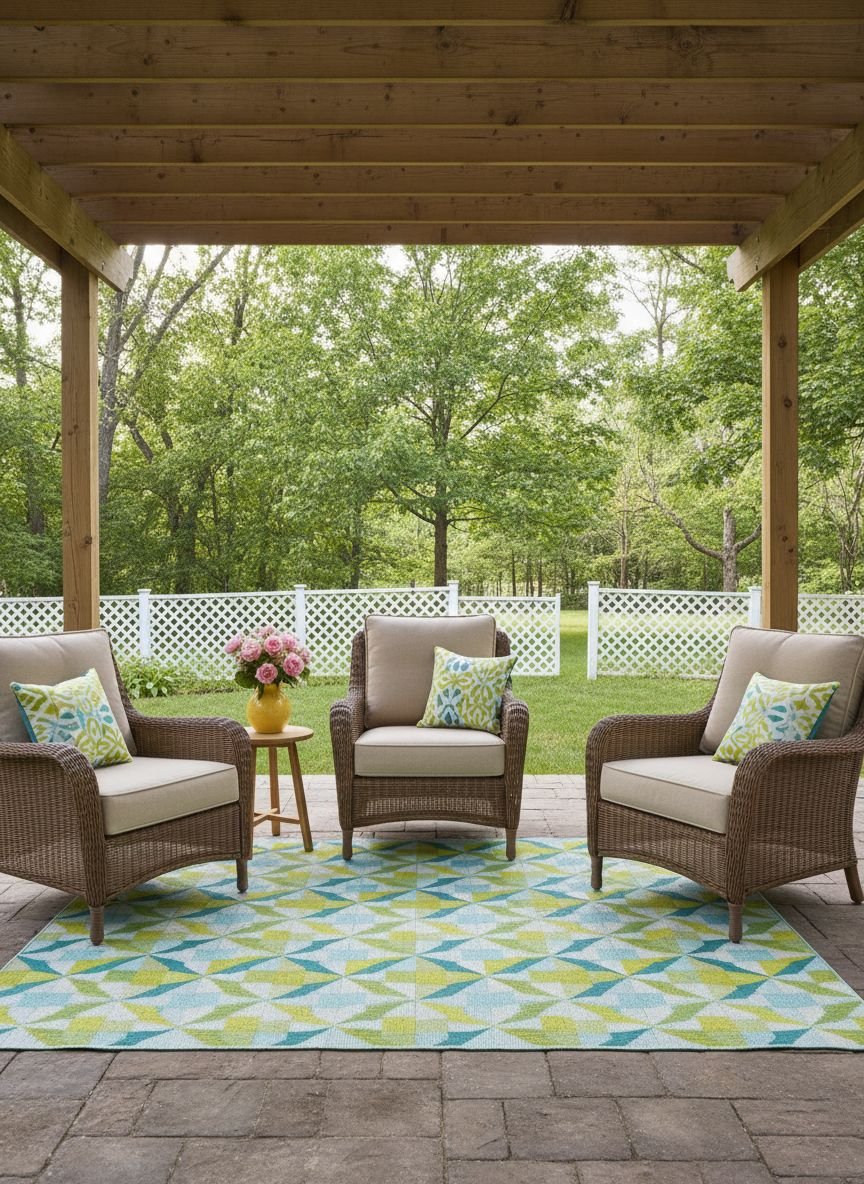
An outdoor rug is the anchor that holds your furniture arrangement together. Without it, chairs and tables can feel like they are floating aimlessly on the concrete. The rug defines the “living room” zone within the larger backyard. It adds a layer of softness underfoot, which is especially important on hot stone or splinter-prone wood decks. Choose a rug made from polypropylene or recycled plastic. These materials resist fading, mold, and moisture, and you can simply hose them down when they get dirty.
Pattern plays a huge role here. A bold geometric print can inject energy into a neutral furniture set. A natural jute-look rug brings a calming, organic texture that suits bohemian or coastal styles. Ensure the rug is large enough. The front legs of all your seating furniture should sit on the rug to create a cohesive grouping. If you have a dining table, the rug must extend far enough so that chairs do not catch on the edge when pulled out.
Pro Tip: Use rug tape or a non-slip pad underneath to prevent the corners from curling up and causing a tripping hazard.
Comparison: Fire Pit Fuel Types
| Feature | Wood Burning | Propane/Gas |
|---|---|---|
| Ambiance | Authentic crackle, smoke scent, high heat. | Consistent flame, no smoke, modern look. |
| Convenience | Requires chopping/buying wood, lighting effort. | Instant on/off switch, adjustable flame height. |
| Maintenance | High. Ash cleanup required regularly. | Low. Occasional tank refill or line check. |
| Cost | Lower upfront cost for the pit itself. | Higher upfront cost for mechanism/installation. |
| Best For | Rustic vibes, roasting marshmallows. | Urban settings, quick evening relaxation. |
Rustic Meets Modern Aesthetic
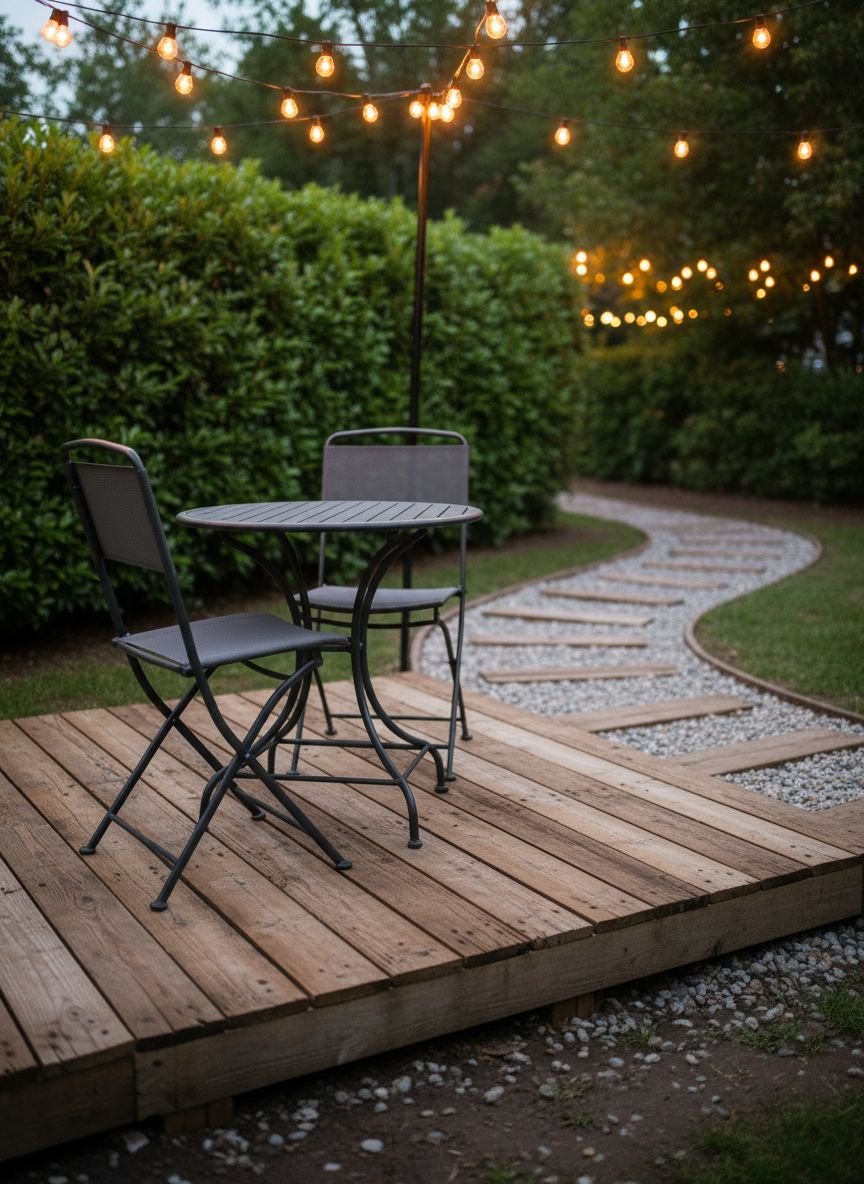
Blending rustic warmth with modern lines creates a timeless patio design. This style avoids looking too “country” or too “sterile” by taking the best elements of both. Start with a foundation of clean lines. Square-edged pavers or a simple concrete slab provide the modern base. Then, introduce rustic elements through furniture and decor. A reclaimed wood dining table with visible knots and imperfections acts as the perfect counterpoint to modern metal dining chairs.
The color palette should remain neutral and earthy. Think warm greys, creamy whites, charcoal, and natural wood tones. Avoid overly bright primary colors. Instead, let the greenery of your garden provide the color pop. Accessories bridge the gap between the two styles. A sleek, modern lantern filled with organic beeswax candles is a perfect example. Large terracotta pots with modern, architectural plants like snake plants or agave also nail this balance. The tension between the old and the new makes the space feel curated and expensive.
Pro Tip: Seal raw wood furniture with a matte marine-grade varnish to protect it from UV rays without adding an artificial glossy shine.
Lush Greenery Oasis
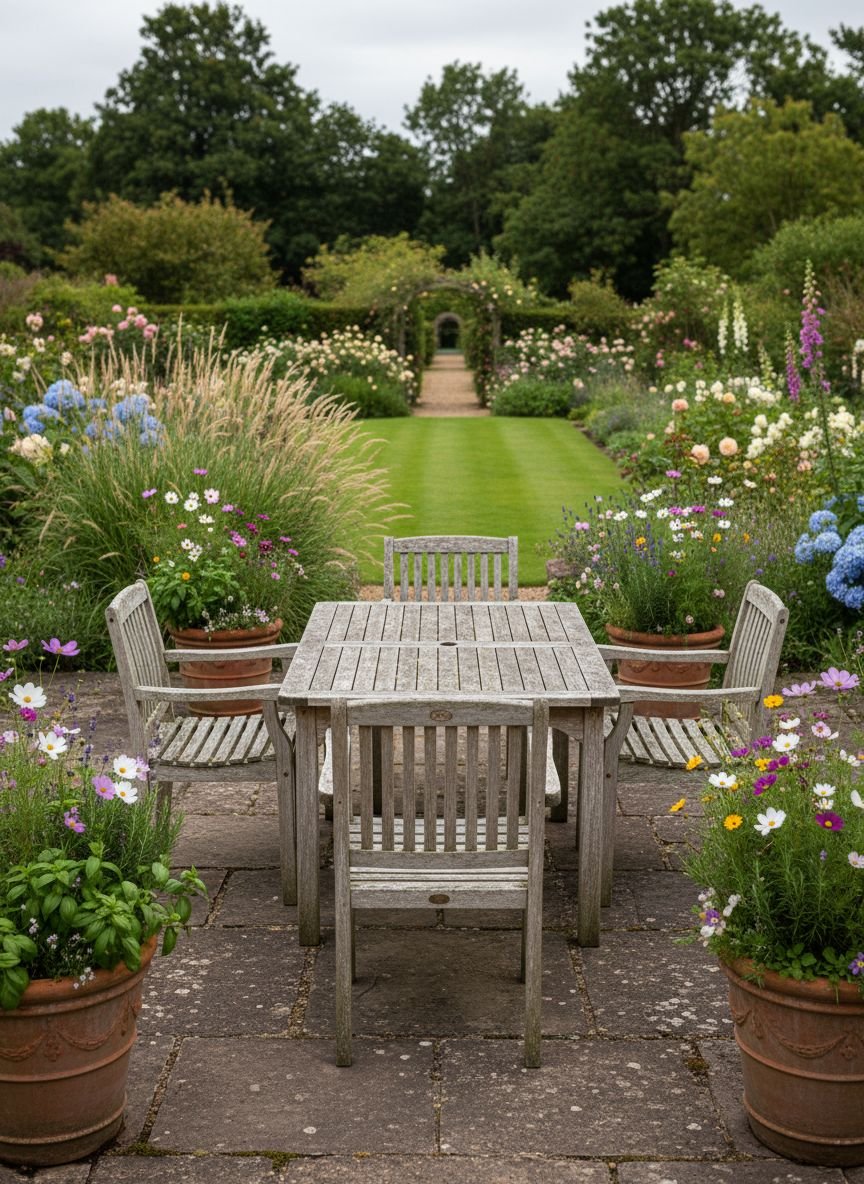
Plants are the makeup of your patio. They soften the hard lines of architecture and breathe life into the space. You don’t need a massive lawn to have a lush oasis. Potted plants are your best friends on a patio. Vary the height of your containers to create visual interest. Place tall plants like bamboo or palms in the corners to draw the eye up and make the space feel taller. Use trailing plants like pothos or ivy on shelves or in hanging baskets to add softness at eye level.
Grouping plants creates a microclimate that helps them thrive and looks more impactful than scattering single pots around. Create clusters of three or five pots of different sizes but similar materials for a cohesive look. Large-leaf tropical plants create a resort-like vibe, while lavender and rosemary bring a Mediterranean scent and feel. If you have a fence or wall, install a trellis for climbing vines like jasmine or clematis. This adds a vertical layer of green that surrounds you in nature.
Pro Tip: Put heavy planters on wheeled caddies so you can easily move them around to chase the sun or clear space for parties.
Covered Patio Comfort
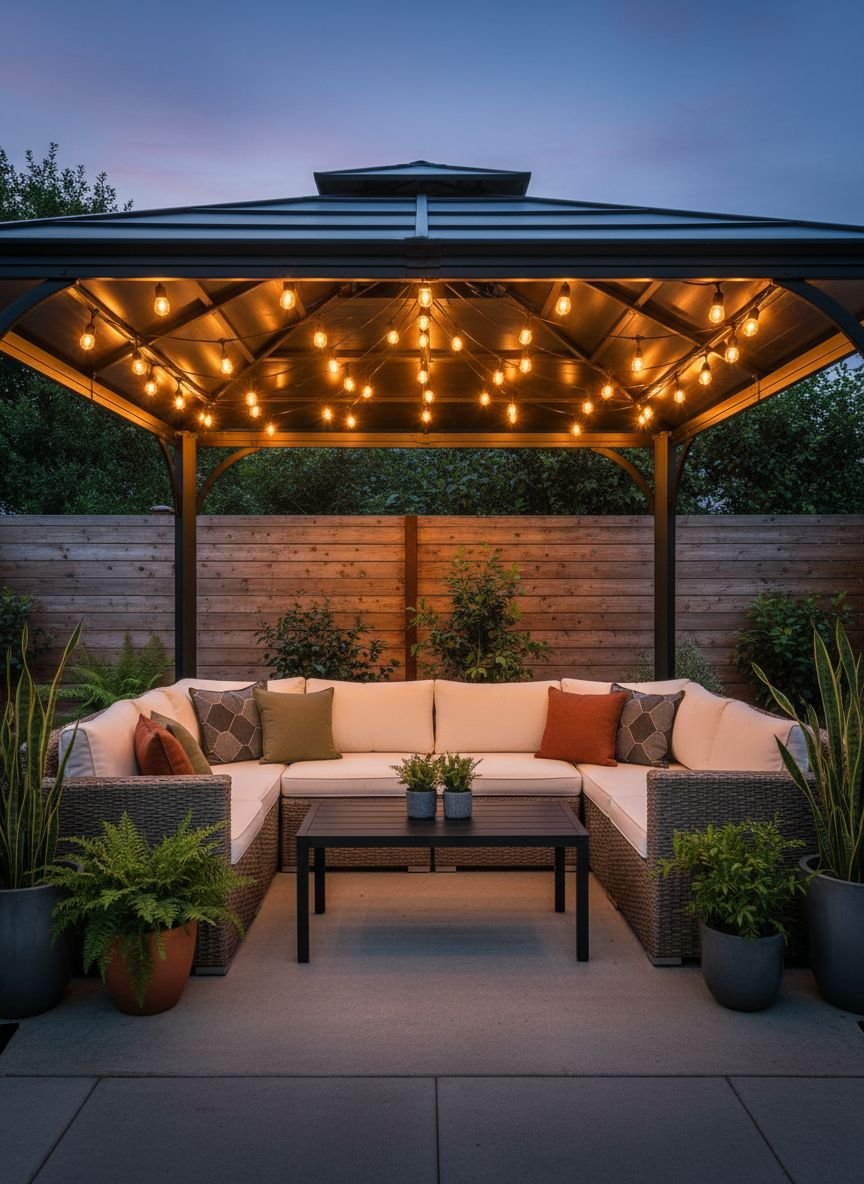
A roof over your patio guarantees you can use the space regardless of the weather. It protects you from the scorching midday sun and keeps the furniture dry during summer rain showers. A solid roof extension that matches your home’s architecture adds the most value. It allows for the installation of ceiling fans, which are crucial for air circulation on hot days, and recessed lighting for a clean look.
If a permanent roof is not in the budget, shade sails are a fantastic alternative. These fabric canopies block UV rays and add a modern, sculptural element to the backyard. You can layer multiple sails at different heights for an artistic look. Retractable awnings offer the best of both worlds, giving you sun when you want it and shade when you need it. Furnishing a covered patio allows for more indoor-style choices. You can use plush sofas and lamps that wouldn’t survive in a fully exposed area.
Pro Tip: Paint the ceiling of your covered patio a light blue (haint blue) to mimic the sky and visually lift the height of the roof.
DIY Cobblestone Path
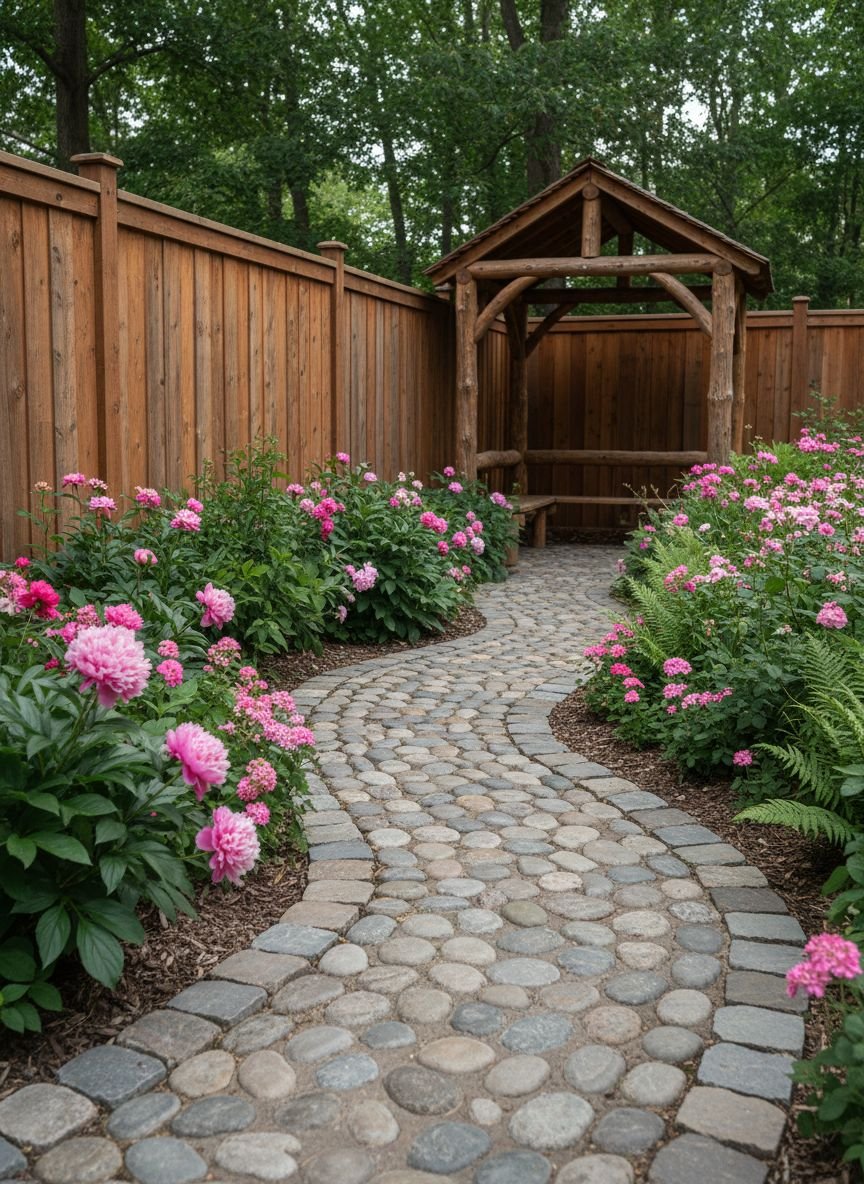
A path directs the flow of traffic and invites exploration. Cobblestones add an Old World charm and texture that concrete simply cannot match. Laying a cobblestone path is a manageable DIY project that transforms the look of your garden. The irregular shapes and natural color variations of the stone hide dirt and wear, making it a practical choice for high-traffic areas. You can lay them tightly together for a solid surface or space them out with creeping thyme or moss growing in the joints for a softer, romantic look.
Curving the path makes the garden feel larger by obscuring the destination. It creates a sense of mystery and slows down the pace of walking. Use the path to connect different zones, leading from the back door to the fire pit or the dining area. Edging the path with bricks or metal restraints keeps the stones in place and provides a crisp finish. The crunch of gravel or the solid feel of stone underfoot adds a sensory experience to moving through your backyard.
Pro Tip: Lay a base of crushed gravel and sand underneath your stones to ensure proper drainage and prevent the path from shifting over time.
Related posts :
- 13 Best Pergola Design Ideas That Transform Your Backyard Into a Luxury Oasis
- 10 Fantastic Outdoor Patio Kitchen Ideas That Will Instantly Upgrade Your Backyard Living Space
- 14 Chic Patio Curtain Ideas That Instantly Create a Private Backyard Oasis
Patterned Tile Flooring
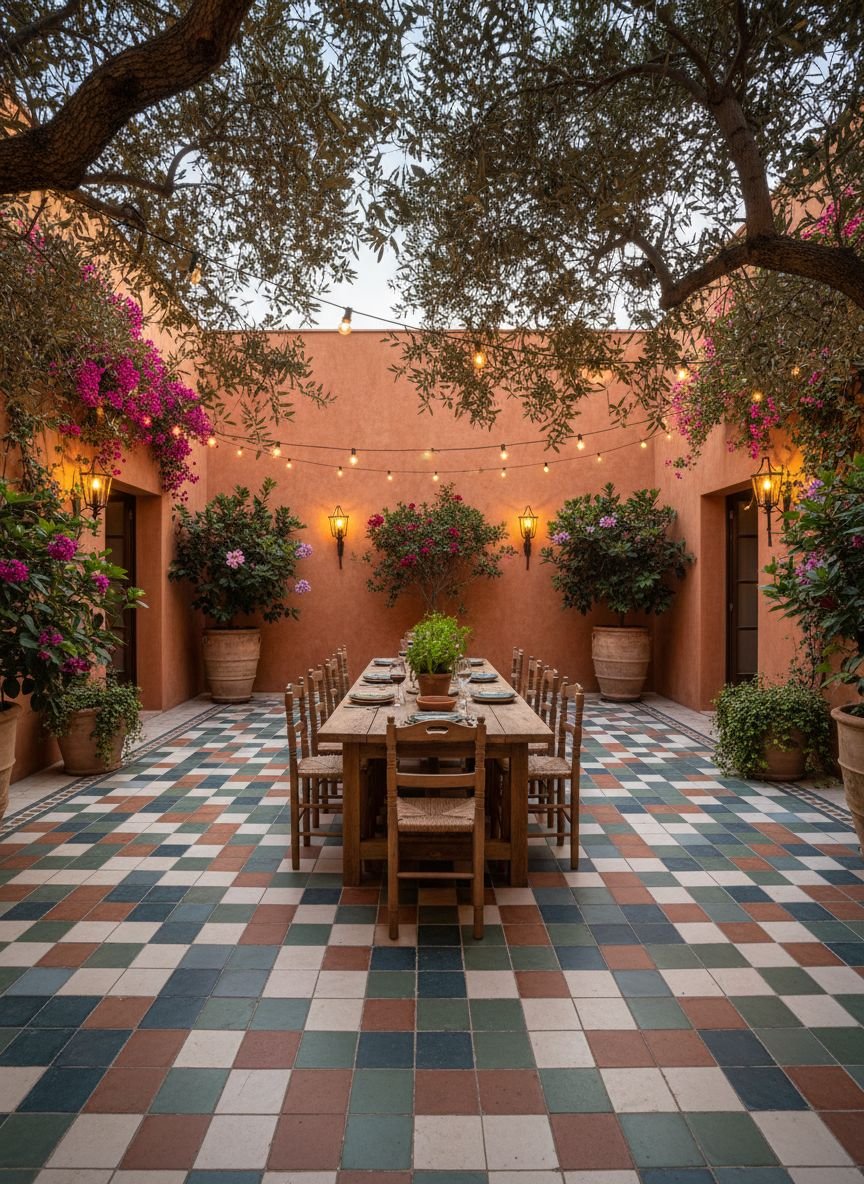
Flooring is often the most overlooked surface outdoors. Patterned tile changes that instantly. It turns the floor into the main design feature. Encaustic cement tiles or porcelain tiles with bold geometric patterns bring a Mediterranean or Moroccan vibe to your patio. This works exceptionally well in smaller spaces or designated dining areas where the tile acts as a permanent “rug.”
Durability is the main factor here. Ensure the tile is rated for outdoor use, meaning it is frost-proof and has a non-slip rating (R10 or higher) for safety when wet. Black and white patterns are classic and hide dirt well. Colorful Spanish-style tiles add warmth and character. If tiling the whole patio is too expensive, consider creating a tiled border around a concrete pad or just tiling the vertical risers of your patio steps for a subtle pop of pattern.
Pro Tip: Seal cement tiles immediately after installation and reseal them annually to prevent staining from leaves or spilled wine.
Vertical Garden Walls
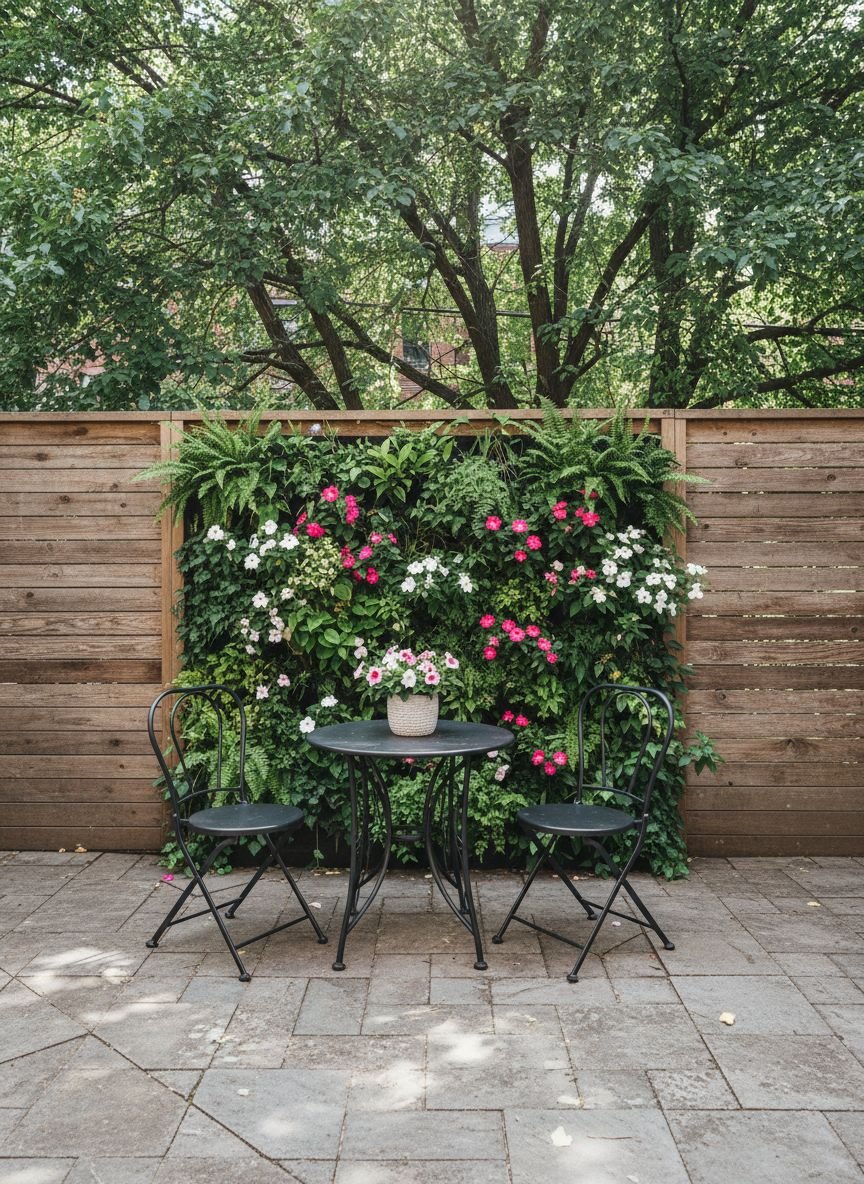
When you run out of floor space, grow up. Vertical gardens are a genius solution for small urban patios or balconies. They turn a plain fence or wall into a living work of art. You can buy ready-made felt pocket systems that hang on the wall, or build a simple wooden frame with horizontal slats to hold pots. This wall of green acts as a natural sound barrier, dampening noise from neighbors or traffic.
Succulents are excellent for vertical walls because they have shallow root systems and require less watering. For a kitchen patio, a vertical herb garden is practical and beautiful. Imagine snipping fresh basil right next to your grill. Ferns and hostas work well on shady walls, creating a lush, jungle-like feel. Ensure your wall has a drip irrigation system or is easily accessible with a hose wand, as vertical planters dry out faster than ground soil.
Pro Tip: Use a lightweight potting mix specifically designed for containers to reduce the weight load on your fence or wall structure.
Pergola for Shade and Style
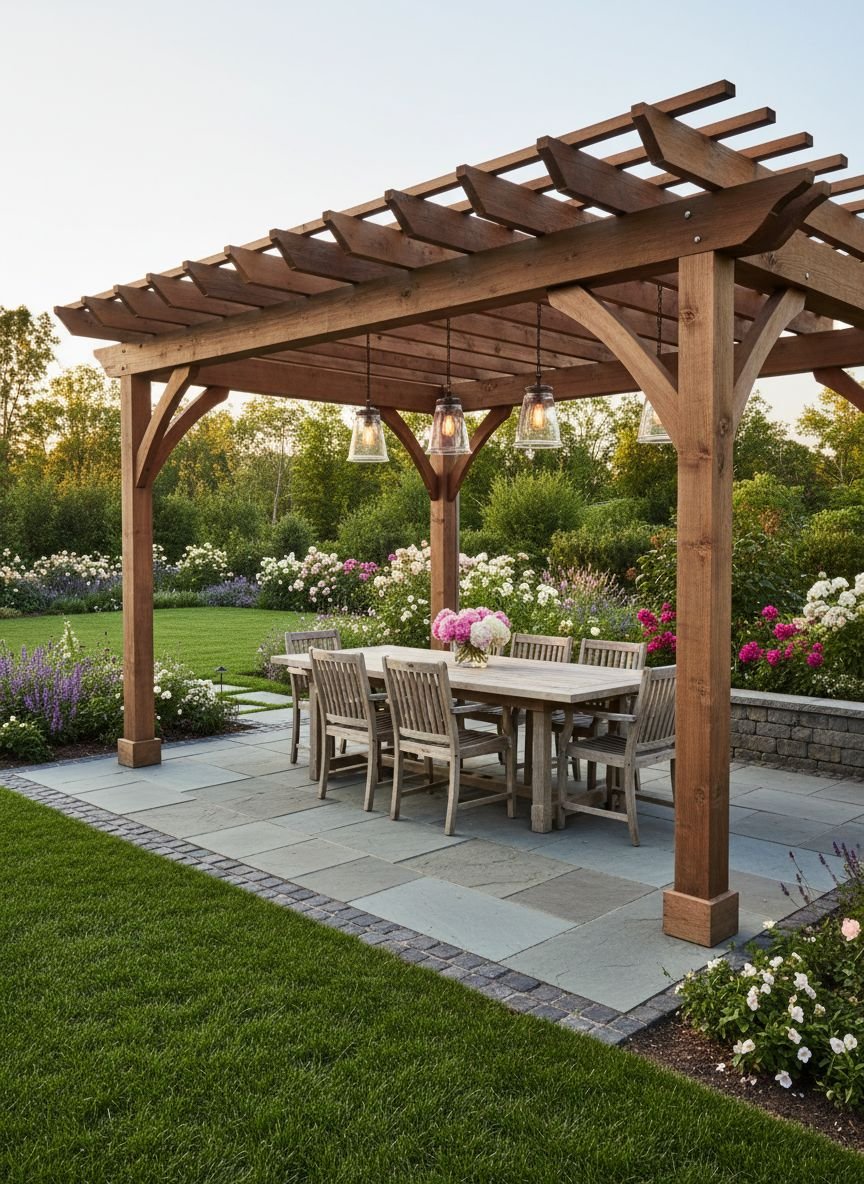
A pergola defines an outdoor room without blocking the view. The overhead beams create a sense of enclosure and intimacy while letting sunlight filter through. It gives your patio architectural height and grandeur. You can leave the wood raw for a rustic look or paint it white or black to match your home’s trim. The structure itself serves as a frame for nature.
Training climbing plants like wisteria, grapevines, or bougainvillea up the posts and over the beams creates a living ceiling. This provides dense, cooling shade in the summer and drops its leaves to let in warm sun during the winter. For immediate shade, weave canvas strips through the beams or install a retractable canopy underneath. Hanging a chandelier or a cluster of lanterns from the center beam creates a stunning focal point for evening dining.
Pro Tip: Anchor your pergola posts deep into the ground with concrete or bolt them securely to the patio footing to withstand high winds.
Swinging Daybed Retreat
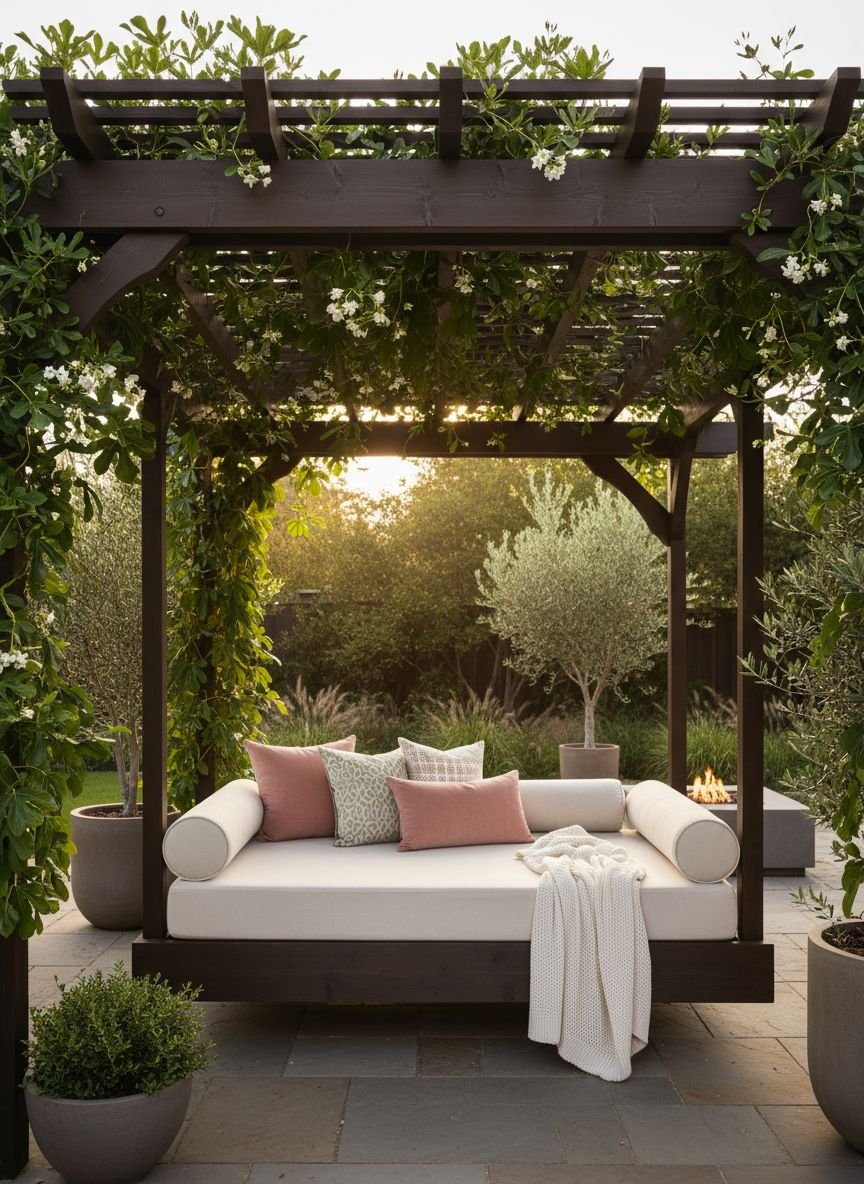
A swinging daybed is the ultimate luxury item for a patio. It invites immediate relaxation and creates a resort-style atmosphere. The gentle rocking motion is incredibly soothing. You can hang a daybed from a sturdy pergola beam or the ceiling of a covered porch. If you don’t have an overhead structure, freestanding frames are available.
Size matters here. A twin-size mattress is standard and offers plenty of room for lounging or reading. Pile it high with weather-resistant pillows and a soft throw blanket. The ropes or chains used to hang the bed add to the aesthetic. Thick manila rope gives a nautical or rustic look, while sleek metal chains fit a modern industrial vibe. Ensure you have plenty of clearance on all sides so the bed can swing freely without hitting walls or furniture.
Pro Tip: Use a waterproof mattress cover underneath your decorative fabric to protect the foam from moisture and mildew.
Colorful Plant Containers
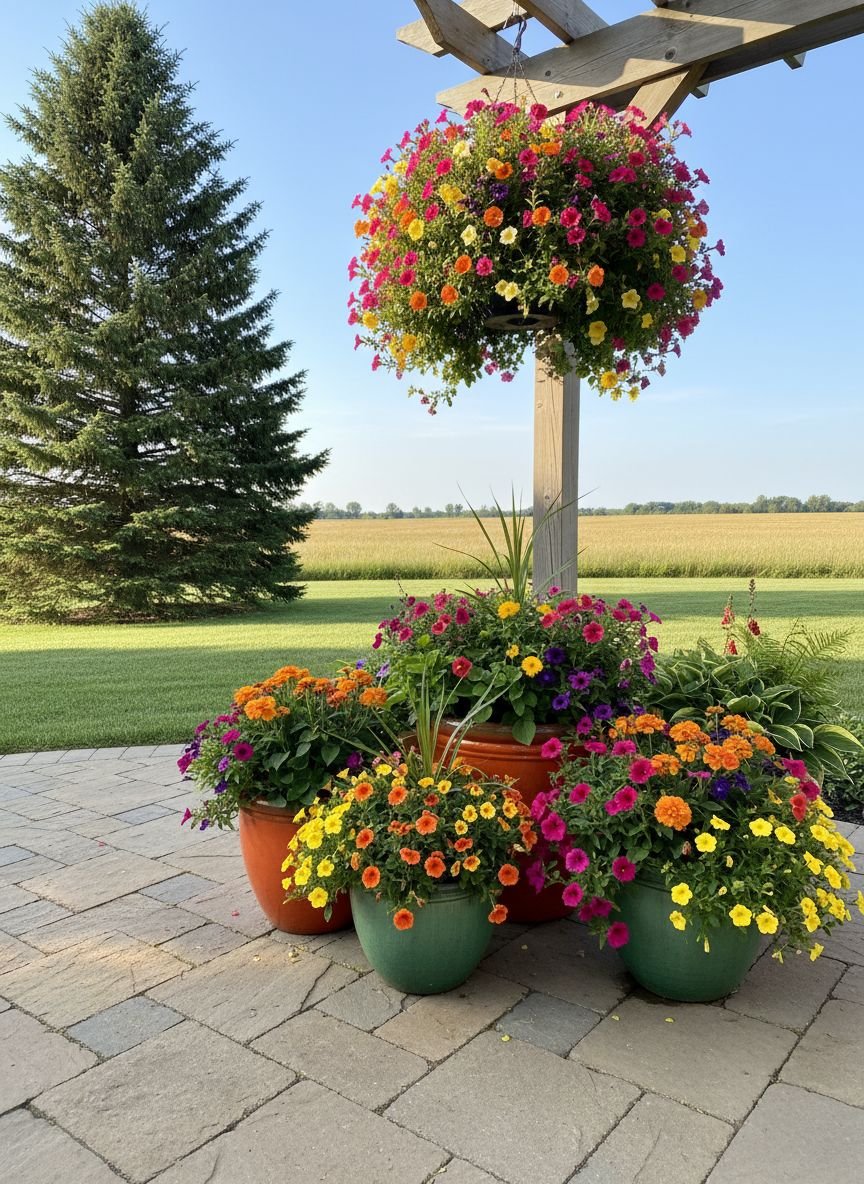
Pots and planters are the jewelry of the garden. They allow you to introduce bold colors without painting walls or buying new furniture. A cluster of cobalt blue glazed pots creates a stunning contrast against orange terracotta tiles. Bright yellow planters pop against a dark grey fence. The flexibility of containers means you can change your color scheme every season if you wish.
Mix and match shapes for a curated look. Pair tall, cylindrical urns with low, wide bowls. The material of the pot affects plant health. Terracotta breathes well but dries out fast. Glazed ceramic holds moisture better. Plastic or resin pots are lightweight and frost-resistant, making them ideal for cold climates. Don’t just plant flowers; use pots for structural plants like boxwoods or ornamental grasses to add texture and height.
Pro Tip: Place upside-down plastic nursery pots at the bottom of large decorative planters before adding soil. This reduces the amount of soil needed and makes the pot lighter to move.
Outdoor Kitchen Delight
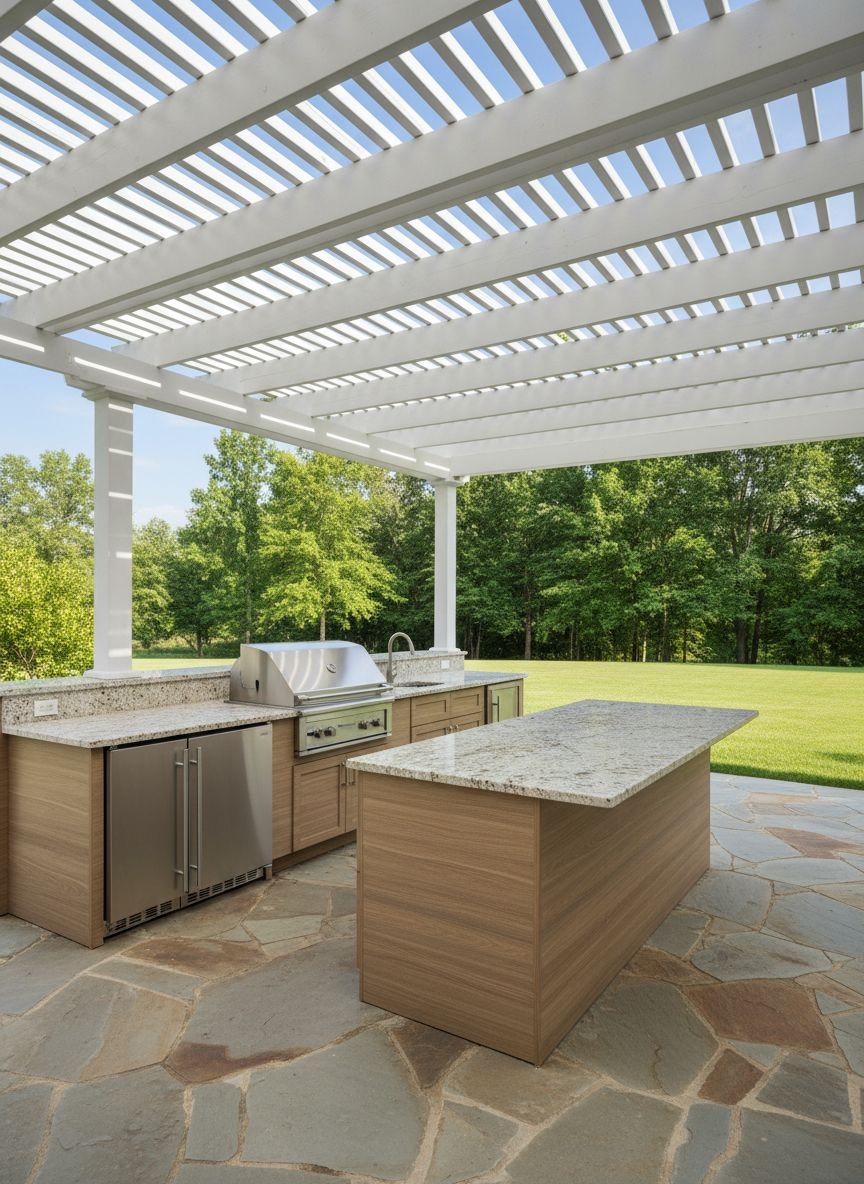
Bringing the kitchen outside changes the way you live. It stops the cook from being isolated inside while everyone else enjoys the party. A full outdoor kitchen adds massive value to a home. At a minimum, you need a quality grill and a prep surface. If space and budget allow, add a mini-fridge, a sink, and a side burner.
Stone veneer is a popular finish for outdoor kitchen islands because it is durable and looks substantial. Concrete countertops are trendy, indestructible, and easy to clean. Stainless steel appliances are the standard for durability against the elements. Plan your layout carefully. You want the “working triangle” (grill, sink, fridge) to be efficient. Ensure you have task lighting over the grill for evening cooking.
Pro Tip: Install plenty of enclosed cabinets in your outdoor kitchen island to store grill tools and cleaning supplies, keeping them dry and out of sight.
Get The Look: Modern Patio Essentials
- Lighting: Globe String Lights (Commercial Grade).
- Furniture: Teak Wood Sectional with Cream Cushions.
- Heating: Propane Concrete Square Fire Table.
- Textiles: Black and White Geometric Outdoor Rug.
- Greenery: Large Faux-Concrete Planters with Snake Plants.
Popular Asked Questions
How do I make my patio look expensive on a budget?
Focus on lighting and uniformity. Matching planters, a cohesive color palette (like just black and white), and properly installed string lights make a space look designed rather than thrown together. A large outdoor rug also instantly grounds the space and hides ugly concrete.
What is the best flooring for an outdoor patio?
Concrete pavers are the best balance of durability and cost. Natural stone (like flagstone) looks more premium but costs more. For a wood look without the rot, composite decking is the superior long-term choice.
How can I make a small patio look bigger?
Use the same flooring material inside and outside to blur the boundary. Choose furniture with legs rather than solid bases to let light pass through. Hang mirrors on fences or walls to reflect greenery and create the illusion of depth.
How do I add privacy to my backyard patio?
Plant tall, fast-growing hedges like bamboo or arborvitae. Install a pergola with drapes that can be closed. Use wood slat screens or trellis walls with climbing vines to block the view from neighbors without blocking the breeze.
Final Thoughts
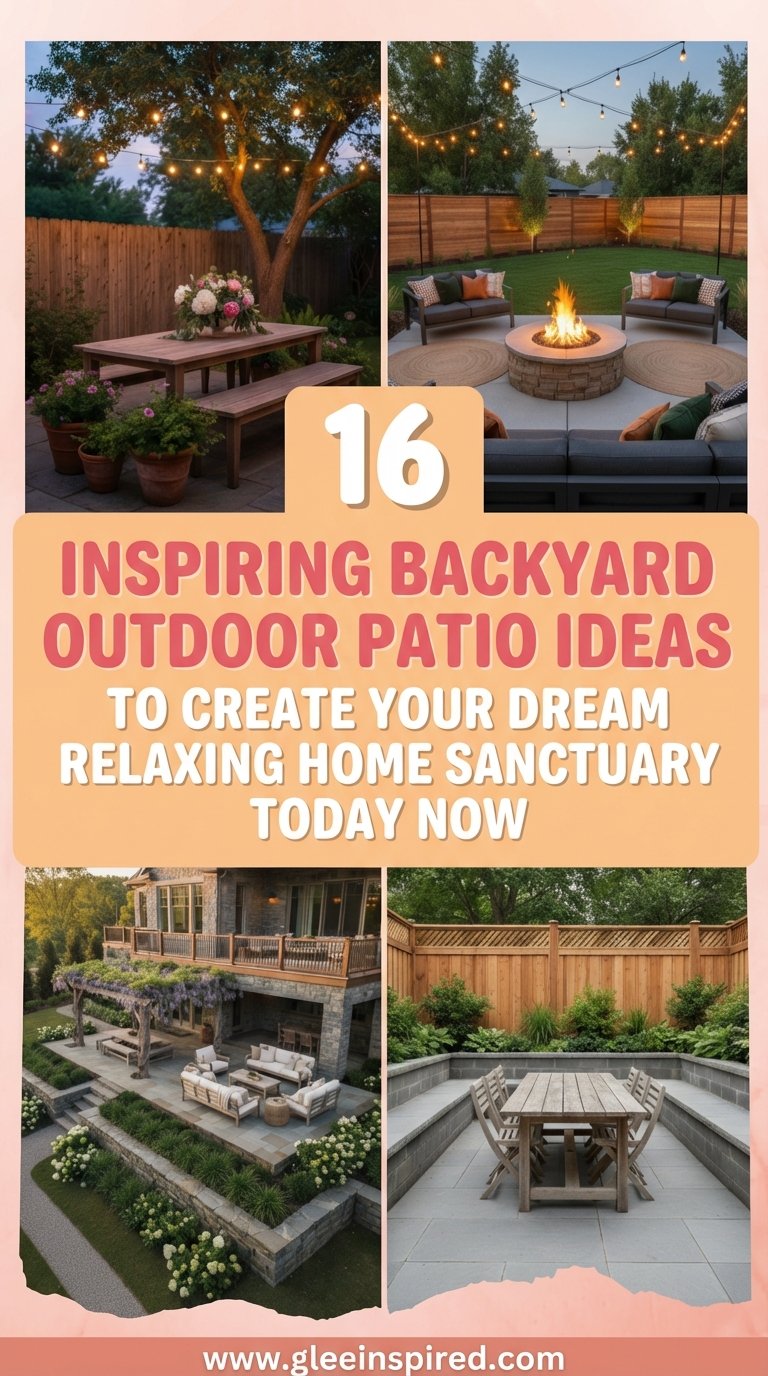
Designing a backyard patio is about creating a space that serves your lifestyle. Whether you crave a quiet corner for reading or a full entertainment hub for summer parties, these 16 ideas provide the building blocks. Start with the layout, layer in the textures, and don’t forget the lighting.






Leave a Comment