
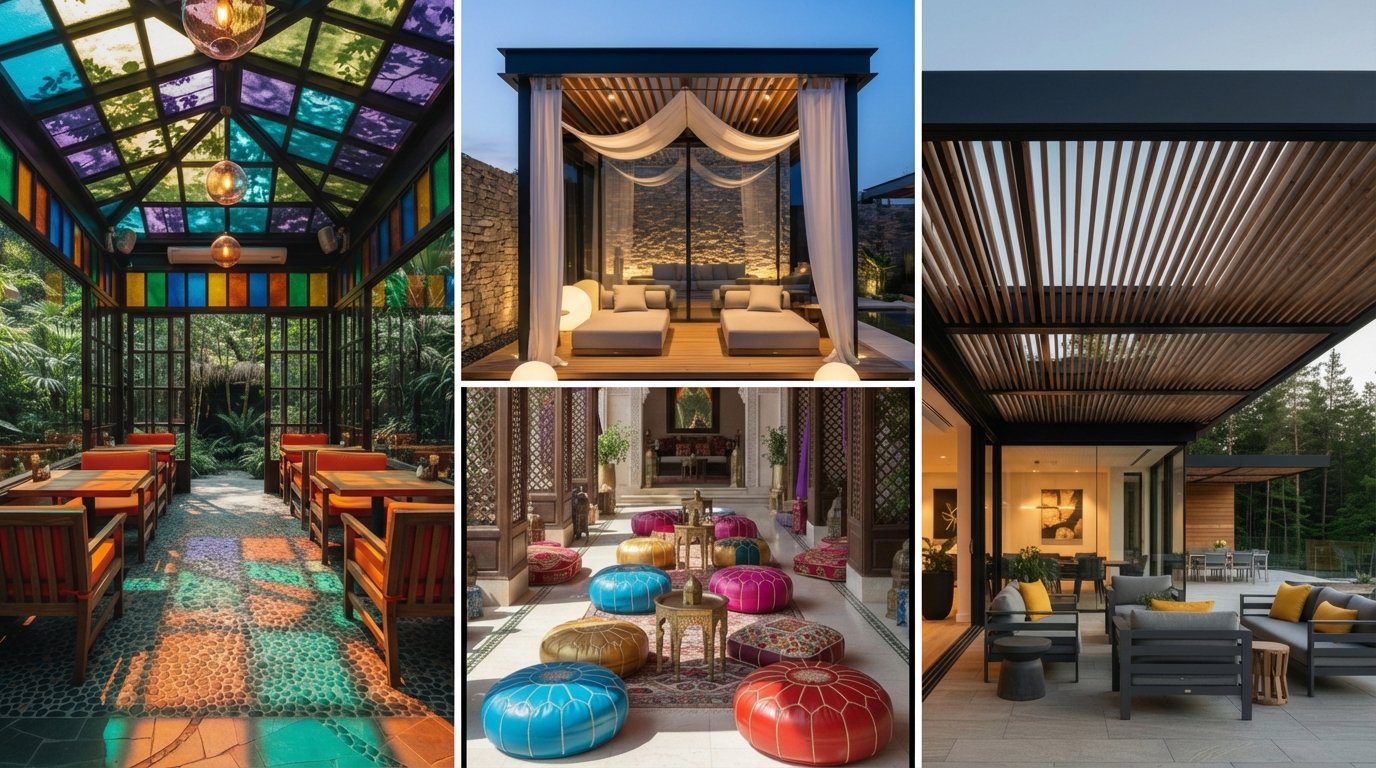
You have curated the perfect outdoor furniture and potted the lush greenery, yet your backyard still feels incomplete. The missing piece is often a dedicated structure that defines the zone while offering protection from the harsh sun or unexpected drizzle. A well-designed patio roof extension does more than just block UV rays. It extends your living area, increases your property value, and creates a seamless transition between the comfort of indoors and the beauty of nature.
Many homeowners hesitate because they fear complex construction or high costs. This guide eliminates that uncertainty. We have compiled fifteen distinct architectural and styling approaches to suit every budget, from simple DIY fabric solutions to permanent structural additions. You will find specific inspiration for modern industrial looks, rustic farmhouse vibes, and bohemian retreats. Get ready to reclaim your backyard and turn it into the sanctuary you deserve.
Key Takeaways
- Maximize Usability: A roof extension allows you to use your patio during peak sun hours and light rain.
- Design Versatility: Options range from solid structural builds to flexible, retractable fabric canopies.
- Value Addition: Permanent structures like glass extensions or wood pergolas significantly boost home resale value.
- Climate Control: Smart material choices like insulated panels or green roofs can lower ambient temperatures by up to 10 degrees.
- Aesthetic Impact: The right roof style acts as a focal point that ties your entire garden design together.
Table of Contents
- Enchanting Fairy Light Canopy Ideas
- Versatile Patio Roof Shade Solutions
- Rustic Draped Pergola Inspiration
- Sleek Glass Patio Roof Extension
- Tropical Patio Roof Extensions
- Metal Awning with Climbing Plants
- Solar Panel Roofing Options
- Modern Industrial Patio Roof Design
- Green Living Roof Inspiration
- Sail Shading with Poles
- Stained Glass Patio Roof Ideas
- Woven Willow Branch Canopy Ideas
- Cloud Canopy Extension Inspiration
- Colorful Moroccan Fabric Patio Cover
- Creative Roof Extension Solutions
- Popular Asked Questions
- Conclusion
Enchanting Fairy Light Canopy Ideas
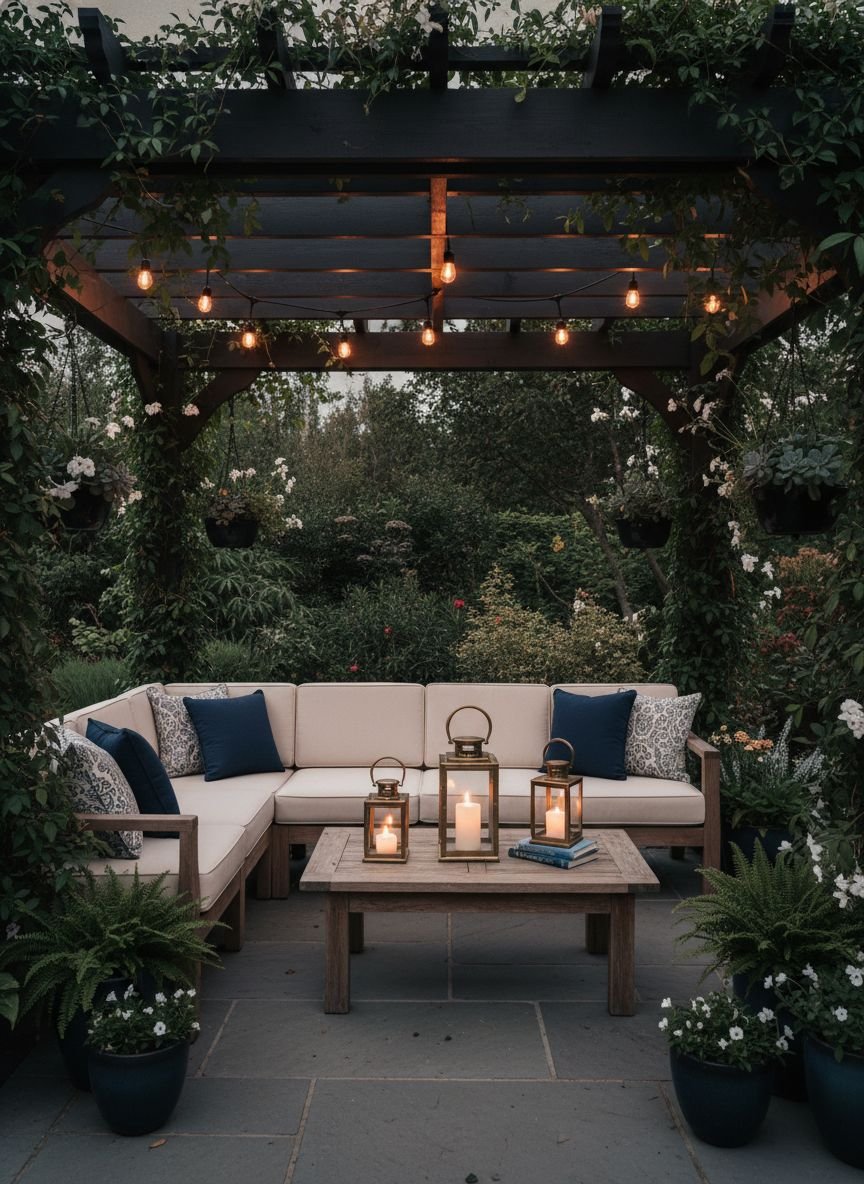
Creating a roof strictly out of light is a magical way to define a space without heavy construction. This concept relies on high-tension cables or sturdy poles to support a dense grid of string lights. The visual effect is stunning at night, as it mimics a starry sky and creates an intimate, warm atmosphere perfect for dinner parties. During the day, the cables are nearly invisible, keeping the view of the sky open and unobstructed. This “roof” suggests a ceiling rather than physically blocking the elements, making it ideal for regions with mild weather where ambiance is prioritized over heavy rain protection.
To achieve this look successfully, you need commercial-grade string lights with heavy-duty wiring. Standard Christmas lights will often sag and fail after a few months of outdoor exposure. Anchor points must be secured into the fascia of your home or cemented posts in the ground to maintain tension. The layering is key here. Criss-cross the strands in a diamond or zigzag pattern to create density. This approach offers a high-impact visual return for a relatively low financial investment compared to lumber or steel structures.
Pro Tip: Install a dimmer switch on your outdoor outlet to control the mood, taking the lights from a bright festive glow to a soft romantic shimmer instantly.
Save this idea to your Pinterest.
Versatile Patio Roof Shade Solutions
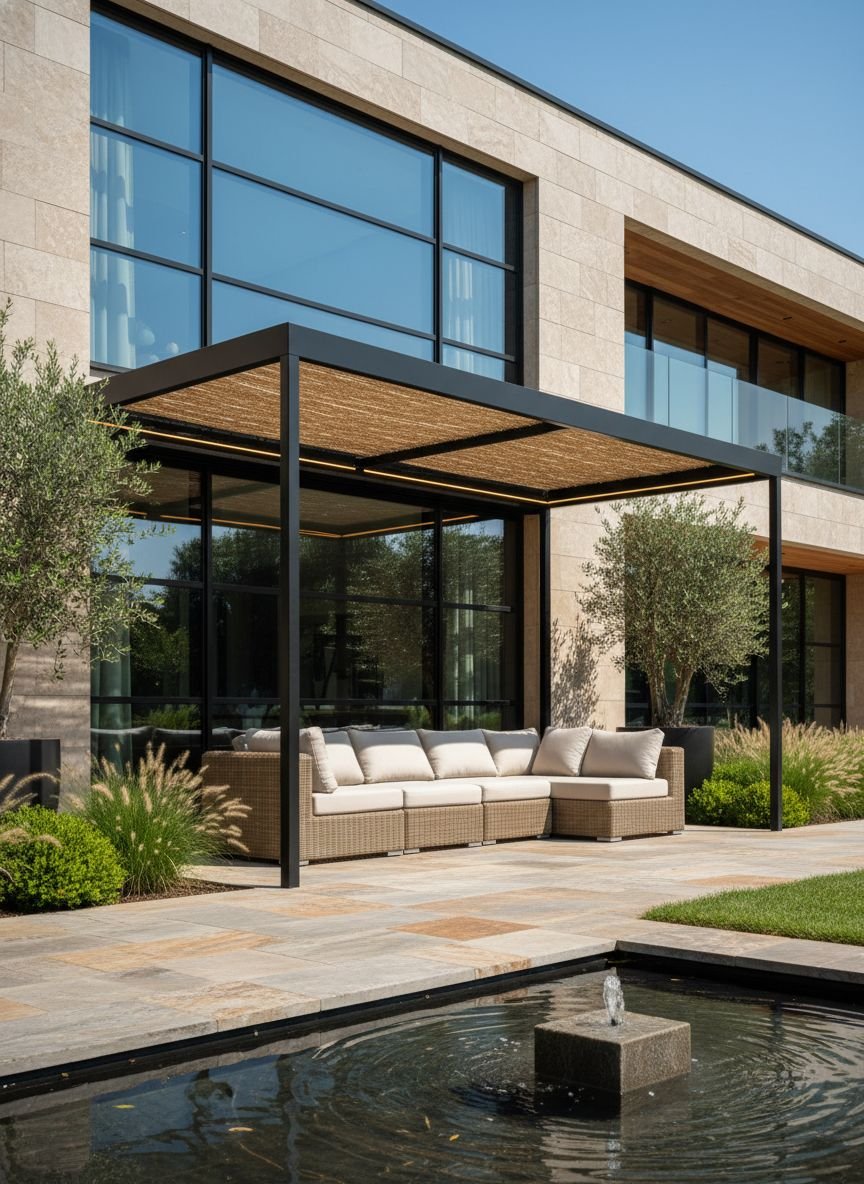
Retractable shade systems offer the best of both worlds for homeowners who cannot decide between full sun and full shade. These systems typically use a track or wire guide mounted to an existing frame or the side of the house. You can slide the fabric panels open to enjoy the morning sun and close them when the midday heat becomes unbearable. The aesthetic is clean and modern, often featuring neutral canvas or weather-resistant polyester that complements contemporary home exteriors. The hardware is usually minimalist, ensuring the mechanism does not distract from the garden view.
Functionality is the primary driver for this design. The ability to manipulate light levels protects your outdoor furniture from fading and keeps the patio surface cool to the touch. High-quality systems are motorized and can even be connected to smart home hubs, allowing you to deploy the roof via voice command or smartphone app. When choosing fabric, opt for UV-rated textiles that block harmful rays while still allowing hot air to escape through the weave. This ventilation prevents the heat trap effect common with solid metal roofs.
Pro Tip: Choose a light-colored fabric like cream or light grey to reflect heat away from the patio rather than absorbing it.
Rustic Draped Pergola Inspiration
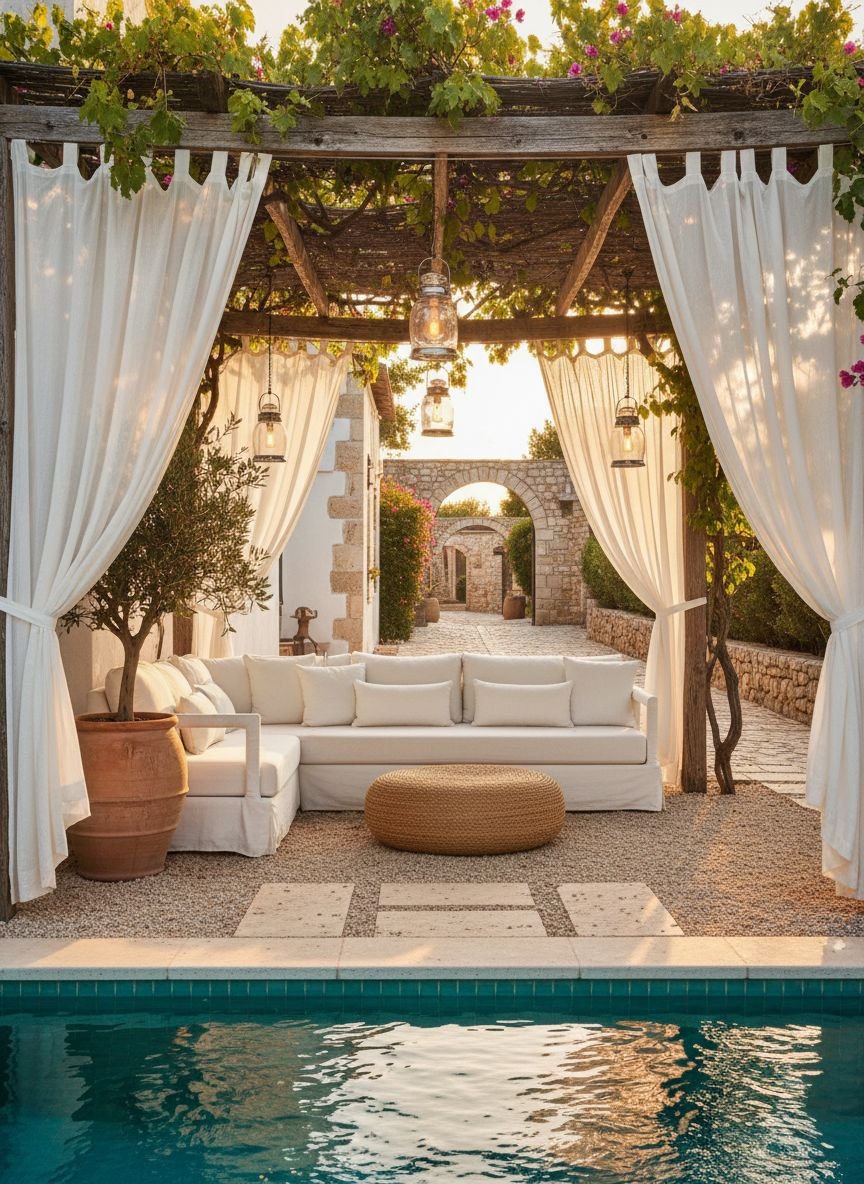
Softening the hard lines of a wooden pergola with draped fabric creates a resort-like cabana feel right in your backyard. This style uses long, flowing panels of outdoor fabric woven through the roof beams of a pergola structure. The fabric hangs in gentle swoops or “billows,” adding texture and movement when a breeze passes through. The contrast between the rigid, dark-stained timber and the soft, white or beige cloth creates a sophisticated visual balance that feels both grounded and airy.
This approach is particularly effective for softening new construction that might feel too stark or industrial. The fabric acts as a diffuser, turning harsh direct sunlight into a soft, flattering glow that is perfect for photography or relaxing with a book. Maintenance is a consideration here. You need to use marine-grade fabrics like Sunbrella that resist mold and mildew. The installation should allow for easy removal of the panels during winter months or severe storms to prolong their lifespan.
Pro Tip: Use grommets and hooks at the end of each fabric panel to keep them taut enough to prevent flapping noise in the wind but loose enough to maintain the elegant draped look.
Sleek Glass Patio Roof Extension
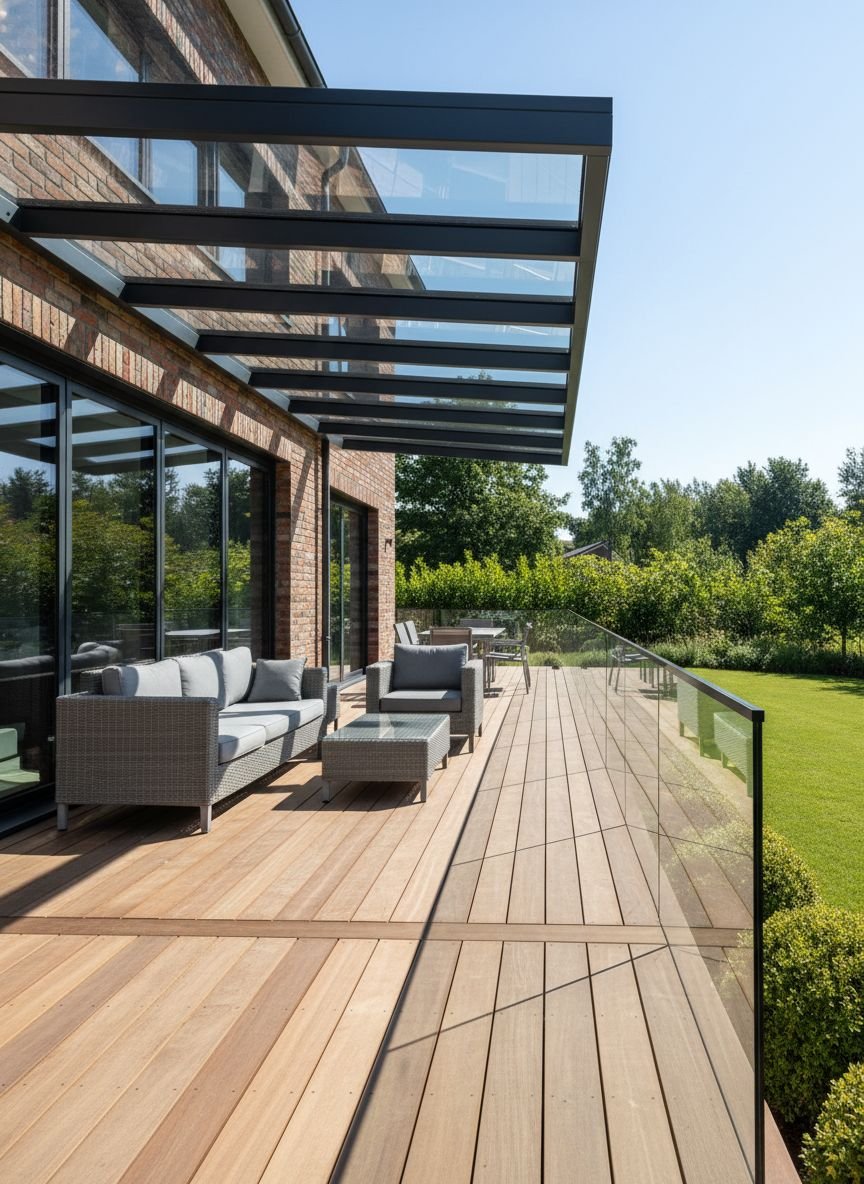
For those who want rain protection without sacrificing natural light, a glass patio extension is the ultimate luxury solution. This design typically features a lean-to structure attached to the house, utilizing tempered safety glass or high-end acrylic panels. The transparency ensures that the adjoining interior rooms remain bright and sunny, addressing a common complaint about solid patio roofs making the house dark. The lines are crisp and architectural, often framed in black aluminum or steel for a striking modern contrast.
The engineering behind a glass roof requires precision. The slope must be calculated to ensure proper water runoff, and the framing must be robust enough to support the weight of the glass and potential snow loads. This is not a temporary fix but a permanent home addition. The visual payoff is immense, offering unobstructed views of the sky, trees, and stars while keeping you completely dry. It blurs the boundary between indoors and outdoors more effectively than any other material.
Pro Tip: Invest in self-cleaning glass or apply a hydrophobic coating to minimize water spots and debris accumulation, keeping your view crystal clear.
Tropical Patio Roof Extensions
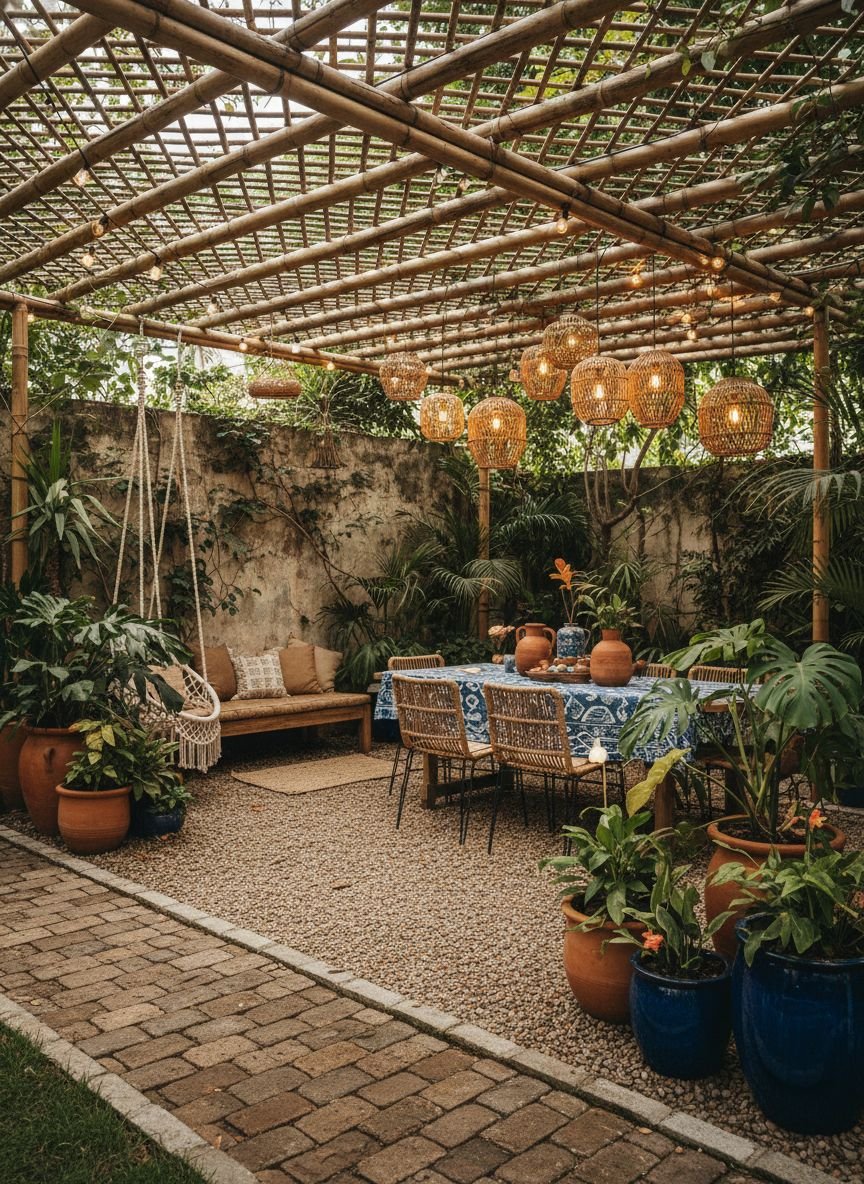
Bring the vacation vibes home with a patio roof inspired by tropical design elements. This style often utilizes natural materials like thatch, bamboo, or reed mats layered over a wooden frame. The texture is rich and organic, instantly transporting you to a Balinese villa or a Caribbean beach bar. The color palette is naturally warm, featuring tans, browns, and honeys that blend beautifully with garden greenery. This type of roofing offers excellent shade and allows for air circulation, as the natural materials are breathable.
Designing a tropical extension requires a commitment to the theme. The supporting structure usually features round timber poles or rough-hewn beams rather than perfectly milled lumber. While authentic thatch can be maintenance-heavy and prone to pests, modern synthetic thatch options offer the exact same look with decades of durability and fire resistance. This style pairs exceptionally well with ceiling fans and hanging plants, creating a cool, breezy oasis even in the height of summer.
Pro Tip: Treat natural bamboo or reed materials with a clear sealant to prevent graying and protect against moisture damage.
Save this idea to your Pinterest.
Comparison: Glass vs. Fabric Roofing
| Feature | Glass Extension | Fabric/Canvas Shade |
|---|---|---|
| Durability | High (15+ years) | Medium (5-7 years) |
| Cost | High ($$$$) | Low to Medium ($$) |
| Light | Full transparency | Diffused/Filtered |
| Rain Protection | 100% Waterproof | Water-resistant (mostly) |
| Heat Control | Can trap heat (needs venting) | Breathable (releases heat) |
Metal Awning with Climbing Plants
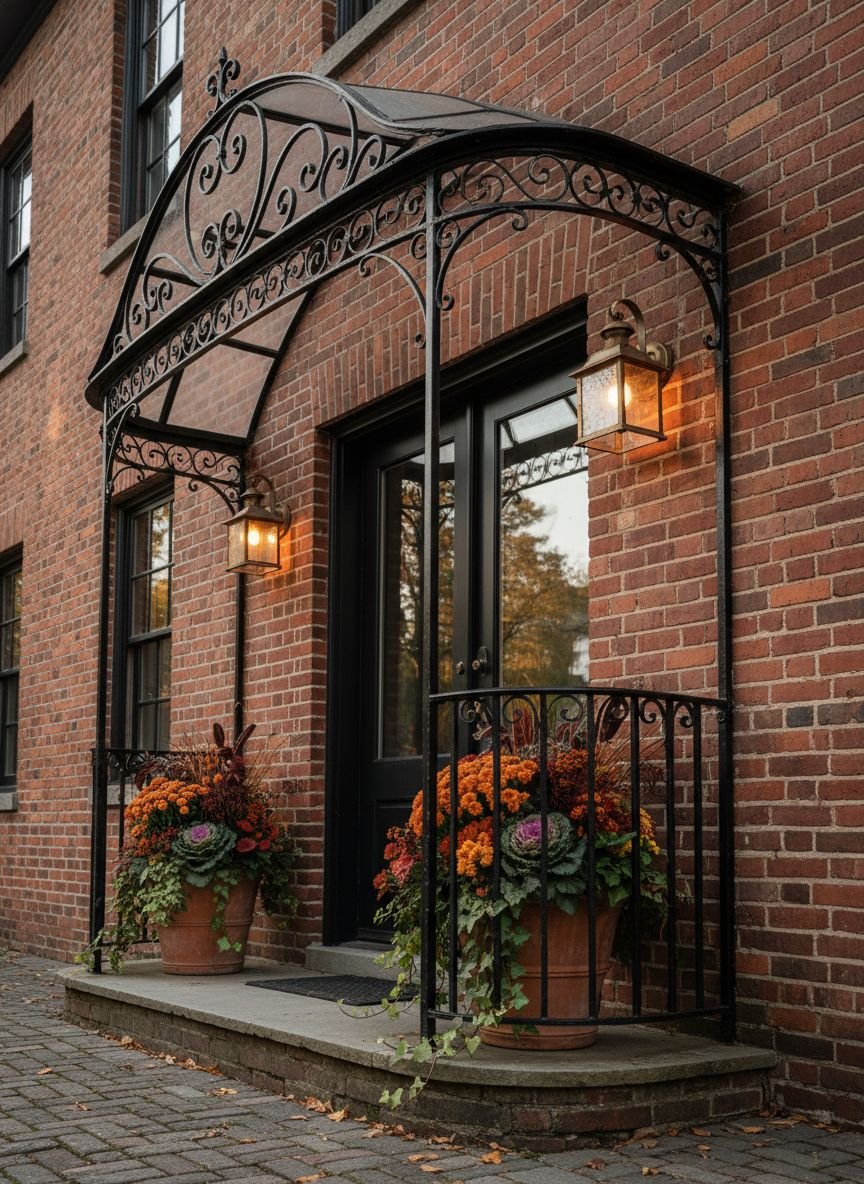
A metal framework provides a sturdy, industrial base that softens over time as nature takes over. This design uses a steel or iron grid structure attached to the home or supported by posts. Initially, it offers architectural interest with its geometric lines. However, the true goal is to train climbing plants like wisteria, grapevines, or jasmine to weave through the metal. Over a few seasons, this creates a “living roof” that provides dense, cooling shade and improves local air quality.
The juxtaposition of cold, hard metal with soft, vibrant leaves is visually compelling. This type of extension changes with the seasons, offering lush green shade in summer, spectacular colors in autumn, and letting in warming sun during winter when the leaves drop. It is a dynamic, ever-changing feature of your home. You must ensure the metal is galvanized or powder-coated to prevent rust, as the plants will hold moisture against the frame.
Pro Tip: Choose a fast-growing vine like Boston Ivy for quick coverage, but be prepared to prune it aggressively twice a year to keep it from taking over your house gutters.
Solar Panel Roofing Options
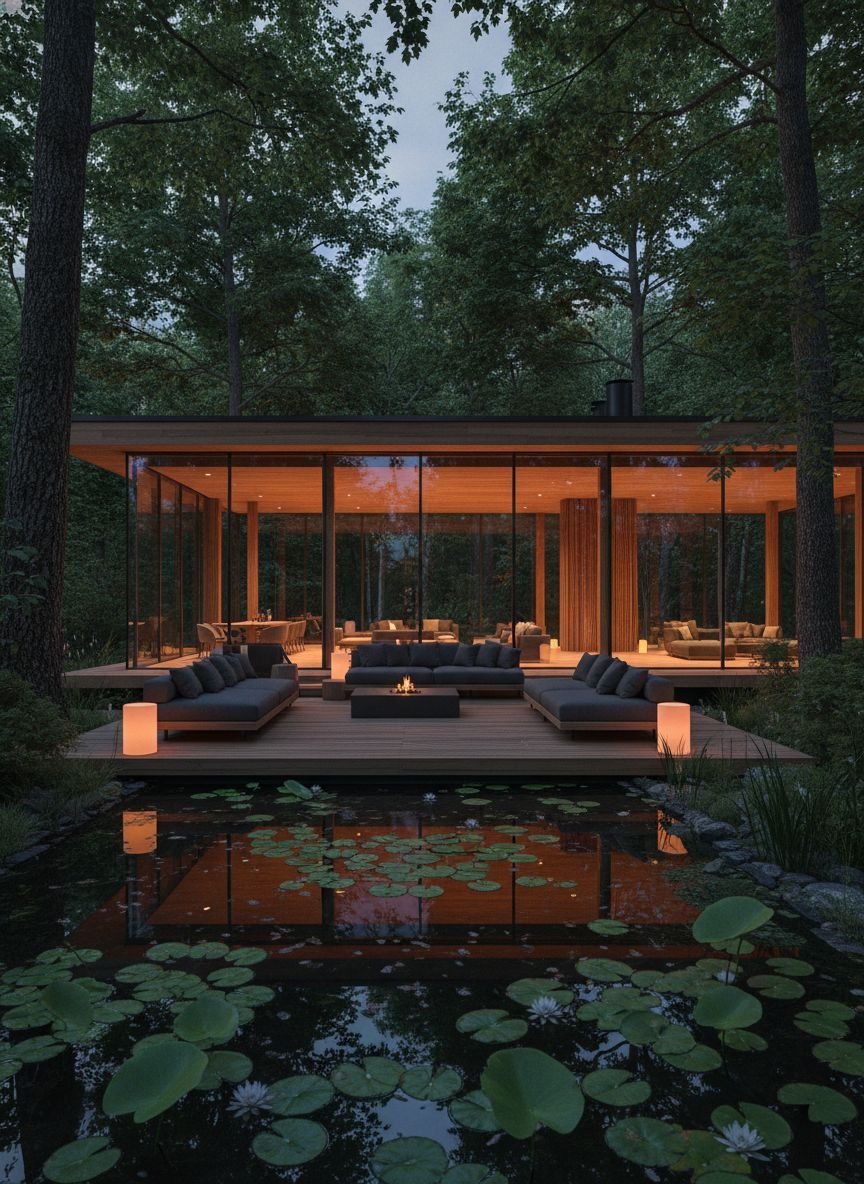
Sustainability meets functionality with a solar pergola or patio cover. Instead of standard roofing materials, bifacial solar panels serve as the roof itself. These specialized panels are designed to capture sunlight from above while allowing some light to filter through the gaps or the semi-transparent glass of the panel itself. This transforms your patio cover into a power plant that can offset your home’s energy bills or charge an electric vehicle.
The aesthetic is undeniably high-tech and modern. The panels create a sleek, uniform dark surface that looks intentional and sophisticated. This is a smart investment for forward-thinking homeowners. While the upfront cost is higher than a wood pergola, the return on investment through energy savings and potential tax incentives makes it financially savvy in the long run. It also provides deep shade, significantly cooling the area beneath.
Pro Tip: Consult with a solar specialist to ensure the pitch and orientation of your patio roof are optimized for maximum energy generation in your specific location.
Modern Industrial Patio Roof Design
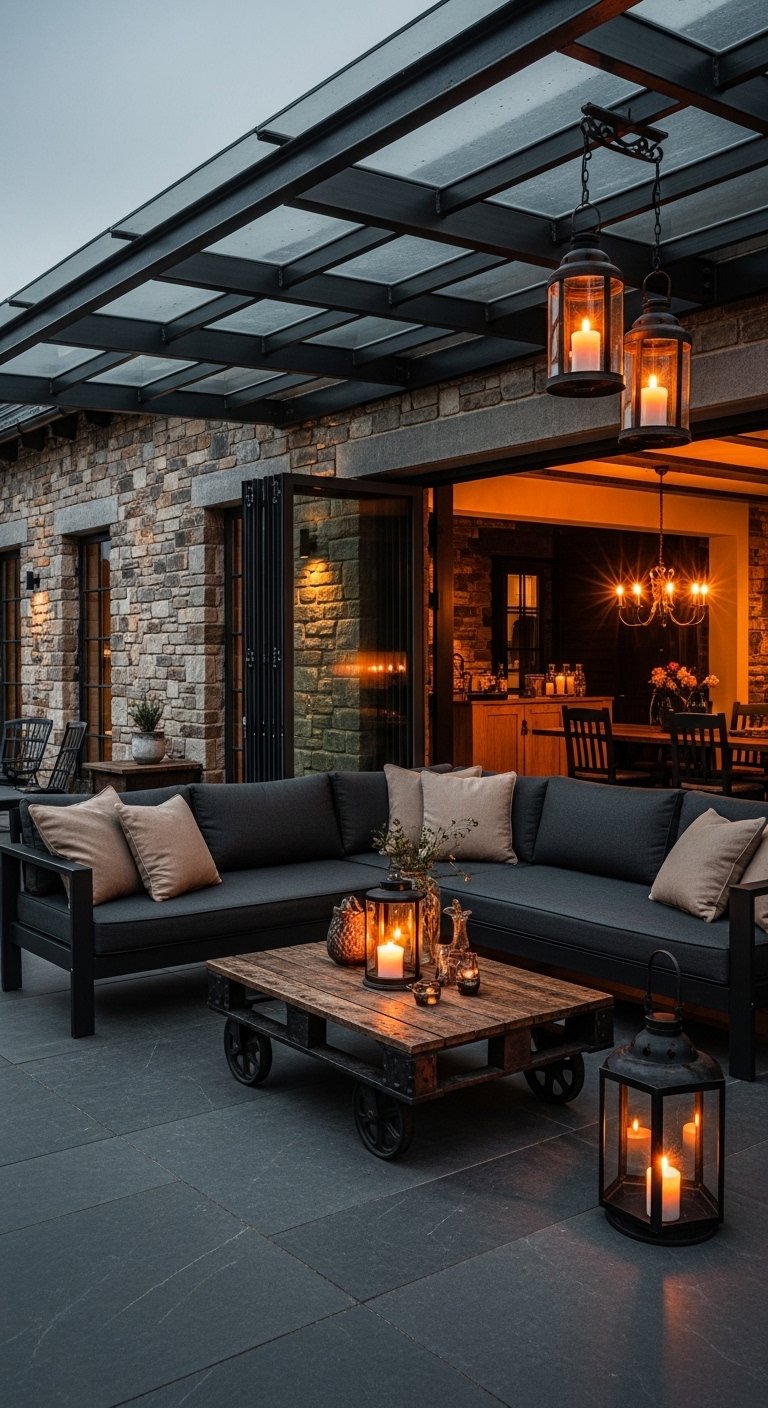
Industrial design embraces raw materials and structural honesty. An industrial patio roof typically features corrugated metal sheets, exposed steel I-beams, and chunky hardware. The look is rugged, durable, and effortlessly cool. It pairs perfectly with brick exteriors, concrete patios, and minimalist furniture. The corrugated metal is incredibly weather-resistant and sheds water efficiently, making it a practical choice for rainy climates.
To prevent the space from feeling like a warehouse, designers often mix the metal with warm wood accents or install skylights within the corrugated panels. The sound of rain on a metal roof is another sensory detail that many find soothing, adding an auditory layer to your outdoor experience. This style is low maintenance; a simple wash down with a hose is usually all that is needed to keep it looking fresh.
Pro Tip: Use insulated corrugated panels to dampen the noise of heavy rain and prevent the underside of the roof from radiating heat downwards on hot days.
Green Living Roof Inspiration
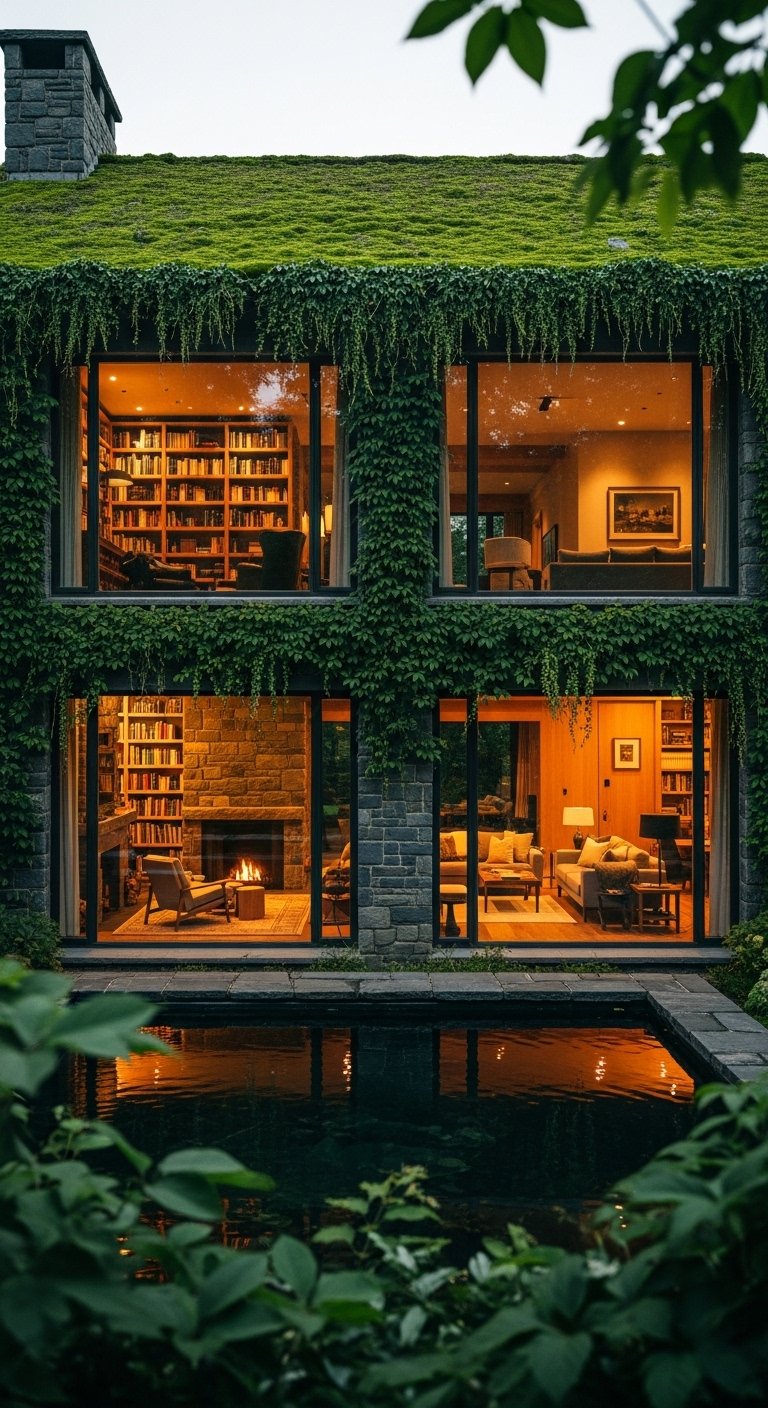
A true green roof is an engineering marvel that places a garden on top of your patio structure. Unlike a vine-covered pergola, this involves a solid roof deck with a waterproofing layer, drainage system, soil medium, and shallow-rooted plants like sedums or succulents. The visual impact is spectacular—a carpet of greenery that blends your home into the landscape. From the second story windows, the view is of flowers and foliage rather than shingles or metal.
Beyond aesthetics, a living roof offers superior insulation. It absorbs solar heat, keeping the patio beneath significantly cooler than standard roofing materials. It also manages stormwater runoff and supports local pollinators. This option requires a very strong support structure to handle the immense weight of wet soil, so professional structural consultation is non-negotiable. It is a statement piece for the eco-conscious luxury home.
Pro Tip: Select drought-tolerant sedum varieties that require minimal watering once established to keep maintenance low.
Sail Shading with Poles
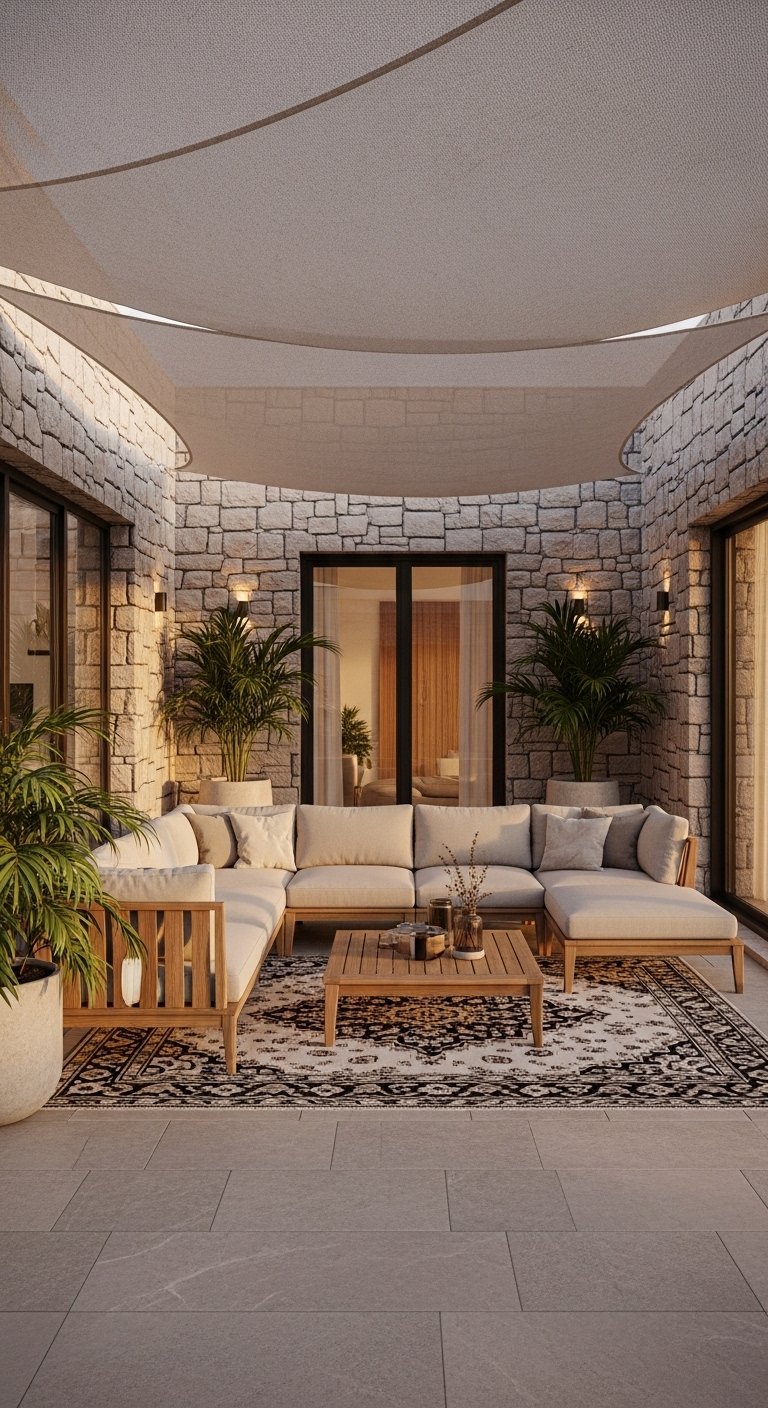
Shade sails bring a nautical, sculptural element to backyard design. These are tensioned fabric structures anchored to the house and several independent poles. By varying the height of the attachment points, you create dynamic hyperbolic shapes that look like art installations. The triangular or rectangular sails can be layered to cover large or irregular spaces that would be difficult to roof with traditional methods.
This is one of the most customizable options available. You can mix and match colors to create a vibrant canopy or stick to monochrome for a sleek look. The open sides allow for maximum airflow, preventing the stuffy feeling that can occur under solid roofs. While they appear light, the tension loads are massive, so the steel poles must be set deep in concrete footings.
Pro Tip: Install the sails with a significant twist or slope to ensure water runs off quickly and doesn’t pool in the center, which can stretch and damage the fabric.
Save this idea to your Pinterest.
“Get The Look” Materials Checklist
- For Rustic Vibes: Cedar or Redwood lumber, outdoor canvas drop cloths, galvanized lag bolts.
- For Modern Vibes: Black powder-coated aluminum posts, polycarbonate sheets, cable railing kits.
- For Boho Vibes: Bamboo fencing rolls, bistro string lights, macramé hanging planters.
- For Industrial Vibes: Corrugated galvanized steel panels, iron pipe fittings, exposed bulb fixtures.
Stained Glass Patio Roof Ideas
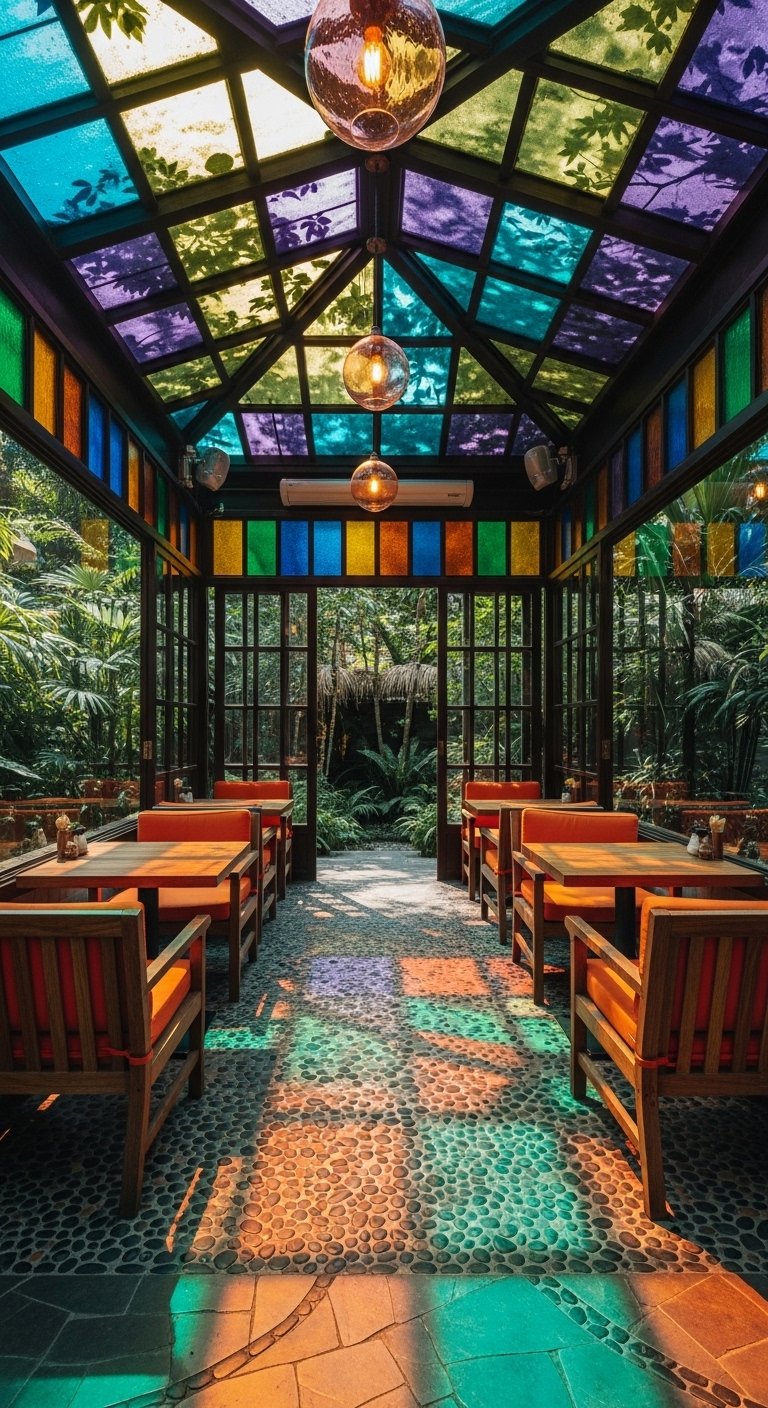
For a patio that doubles as a piece of art, consider incorporating colored acrylic or stained glass panels into the roof structure. When the sun hits the roof, it casts a kaleidoscope of colored light onto the patio floor and furniture, creating a constantly shifting visual experience. This style is often seen in Victorian-inspired gardens or eclectic, artistic homes. You don’t need to do the entire roof in colored glass; even a few accent panels can create a stunning effect.
The interplay of color and light adds a spiritual or whimsical quality to the space. It turns a standard afternoon sitting area into a destination. Modern materials like colored polycarbonate offer this look without the fragility and weight of traditional leaded glass, making it safer and more affordable for overhead applications.
Pro Tip: Stick to a palette of two or three analogous colors (like blue, teal, and green) to create a soothing atmosphere rather than a chaotic one.
Woven Willow Branch Canopy Ideas
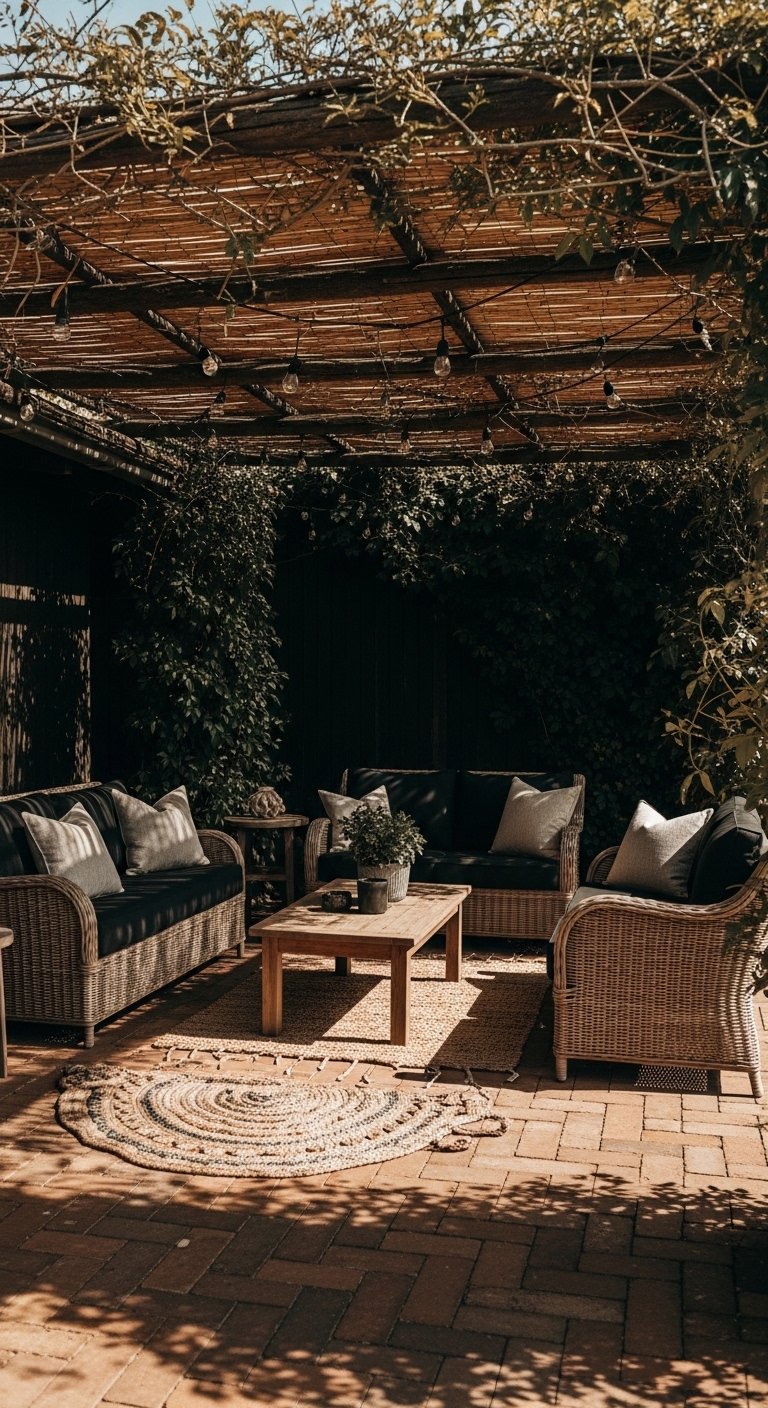
Woven willow or hazel hurdles can be used horizontally to create a dappled shade structure that feels ancient and organic. This technique, often used in English cottage gardens, involves weaving flexible branches through a framework. The result is a textured, semi-permeable roof that filters sunlight into intricate patterns. It creates a rustic, woodland feel that is incredibly grounding.
This material is sustainable and often locally sourceable. It breathes perfectly, allowing hot air to rise through the gaps. Over time, the wood weathers to a beautiful silver-grey. It is not waterproof, but it breaks the force of heavy rain and provides excellent shade. It is the perfect choice for a nature-focused garden where synthetic materials would feel out of place.
Pro Tip: Soak the willow branches in water for 24 hours before weaving to make them pliable and prevent snapping during installation.
Cloud Canopy Extension Inspiration
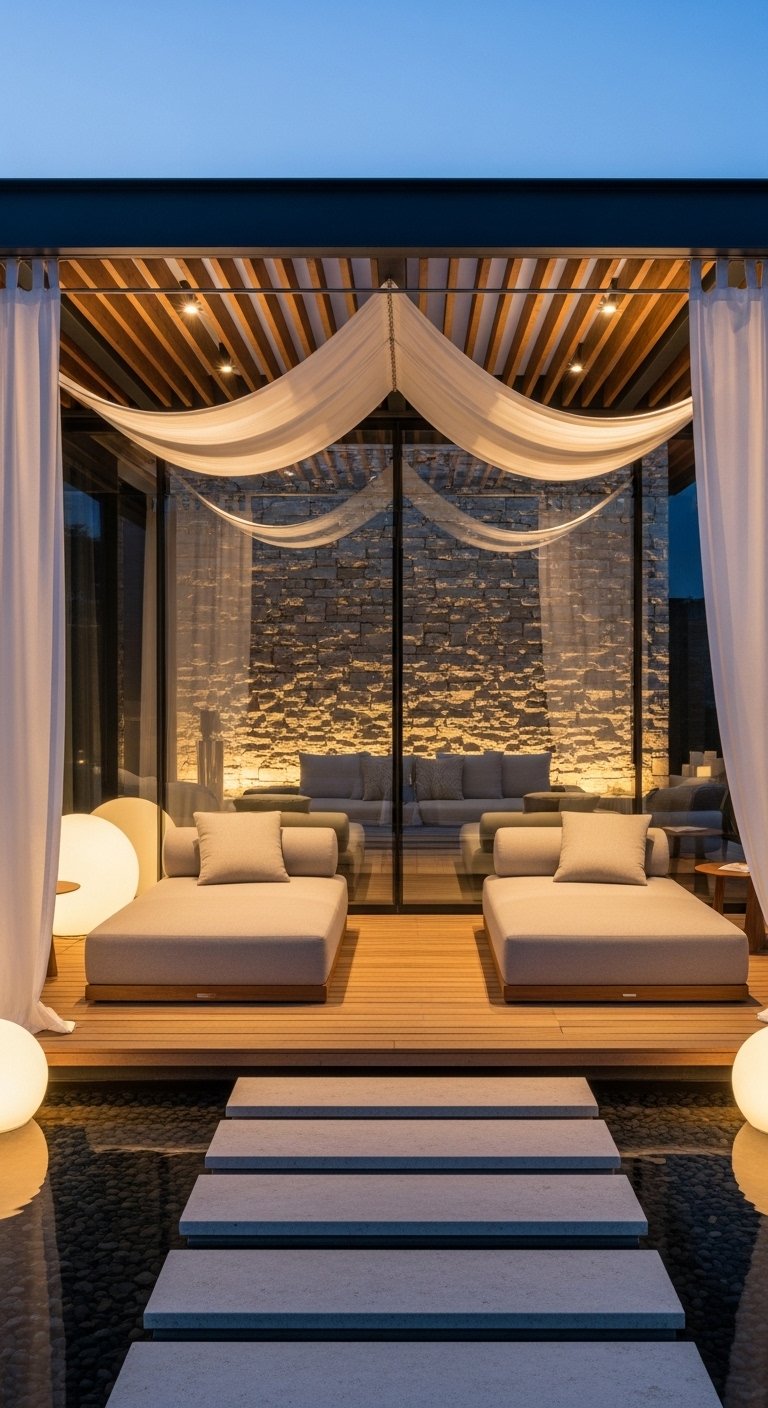
The “cloud” look is achieved by suspending multiple horizontal panels or “baffles” of fabric or wood at varying heights. This creates a ceiling with depth and dimension, resembling floating clouds. In modern design, this might look like a series of slat panels suspended on cables. It breaks up the direct sunlight while maintaining an open, airy feeling.
This architectural approach is visually lighter than a solid roof. It defines the space without enclosing it. It is excellent for modern minimalist homes where clean lines are essential. The gaps between the floating panels allow for heat escape and keep the patio feeling connected to the open sky.
Pro Tip: Align the panels to block the sun during the hottest part of the day (usually late afternoon) based on your home’s orientation.
Colorful Moroccan Fabric Patio Cover
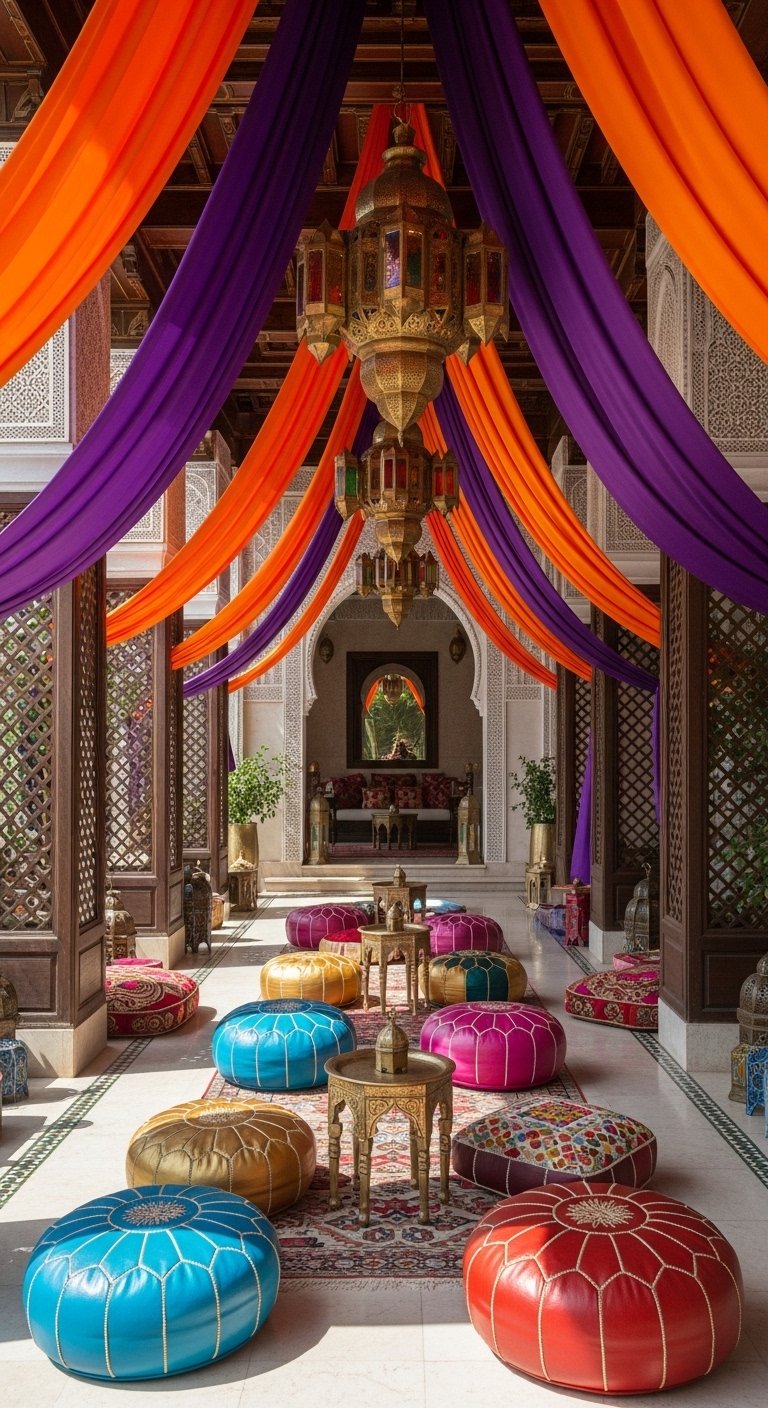
Inject vibrant energy into your backyard with a Moroccan-inspired tent ceiling. This involves draping rich, colorful fabrics with intricate patterns—think deep reds, burnt oranges, and royal blues—underneath a waterproof structure or as a standalone dry-weather canopy. The fabric is often gathered in the center, creating a tent-like peak that feels cozy and exotic.
This style focuses on immersion. Combined with low seating, lanterns, and rugs, the roof extension transforms your patio into a Marrakesh lounge. It is perfect for entertaining and creates a distinct “room” feeling outdoors. The fabric creates a warm, flattering light that makes evenings feel intimate and festive.
Pro Tip: Use outdoor rug materials or heavy upholstery fabric for the canopy to ensure it holds its shape and resists fading better than lightweight cottons.
Creative Roof Extension Solutions
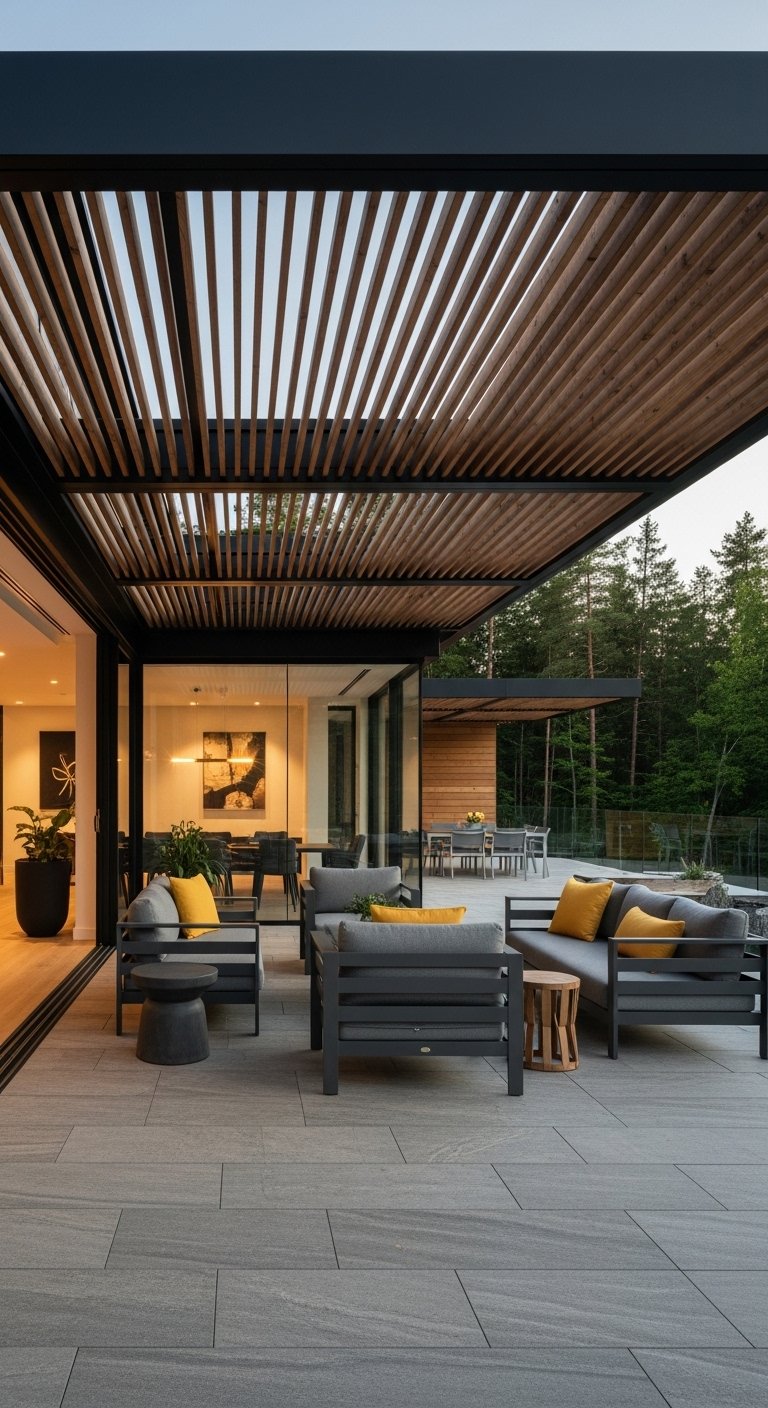
Sometimes the best solution is a hybrid. Creative extensions might mix materials, such as a solid wooden section for the BBQ area (fire safety and rain protection) transitioning into an open pergola for the dining area. Or, cantilevered designs that hang from the side of the house without any supporting posts, keeping the floor plan completely open.
Innovation in this space is about solving your specific problems. If you have a small space, a folding awning might be best. If you have a large sprawling deck, a multi-zone structure with different roof heights can designate separate “rooms” for dining and lounging. Don’t be afraid to consult an architect to create a custom shape that complements your home’s unique roofline.
Pro Tip: Always check local building codes before starting a creative or non-standard project, as setback rules and height restrictions will still apply.
Save this idea to your Pinterest.
Popular Asked Questions
Do I need a permit for a patio roof extension?
In most municipalities, yes. Any structure that is attached to your home or exceeds a certain size (often 120 square feet) requires a building permit. This ensures the structure is safe, handles snow/wind loads, and meets local zoning laws. Always check with your local city planning office before buying materials.
What is the cheapest way to cover a patio?
Shade sails and fabric canopies are the most budget-friendly options. They use less material and require less structural framing than wood or metal roofs. A simple DIY shade sail setup can cost a fraction of a permanent wooden pergola.
How do I attach a patio roof to my house?
A patio roof is typically attached using a “ledger board.” This is a strong piece of lumber bolted directly into the house’s framing (studs or rim joist). Flashing must be installed over the ledger board to prevent water from leaking behind it and rotting your house’s structure. This is a critical step that must be done correctly.
Can a patio roof withstand heavy snow?
It depends on the design. A flat fabric canopy will collapse. A structural wood or metal roof must be engineered with the correct pitch (slope) and beam strength to support the weight of snow in your specific region. If you live in a snowy area, you must design for “snow load.”
Does a patio cover increase home value?
Yes. A well-built, permanent patio cover extends the usable square footage of the home’s living space. It is a highly desirable feature for buyers who envision outdoor entertaining. It can offer a high return on investment, especially in warmer climates.
Conclusion
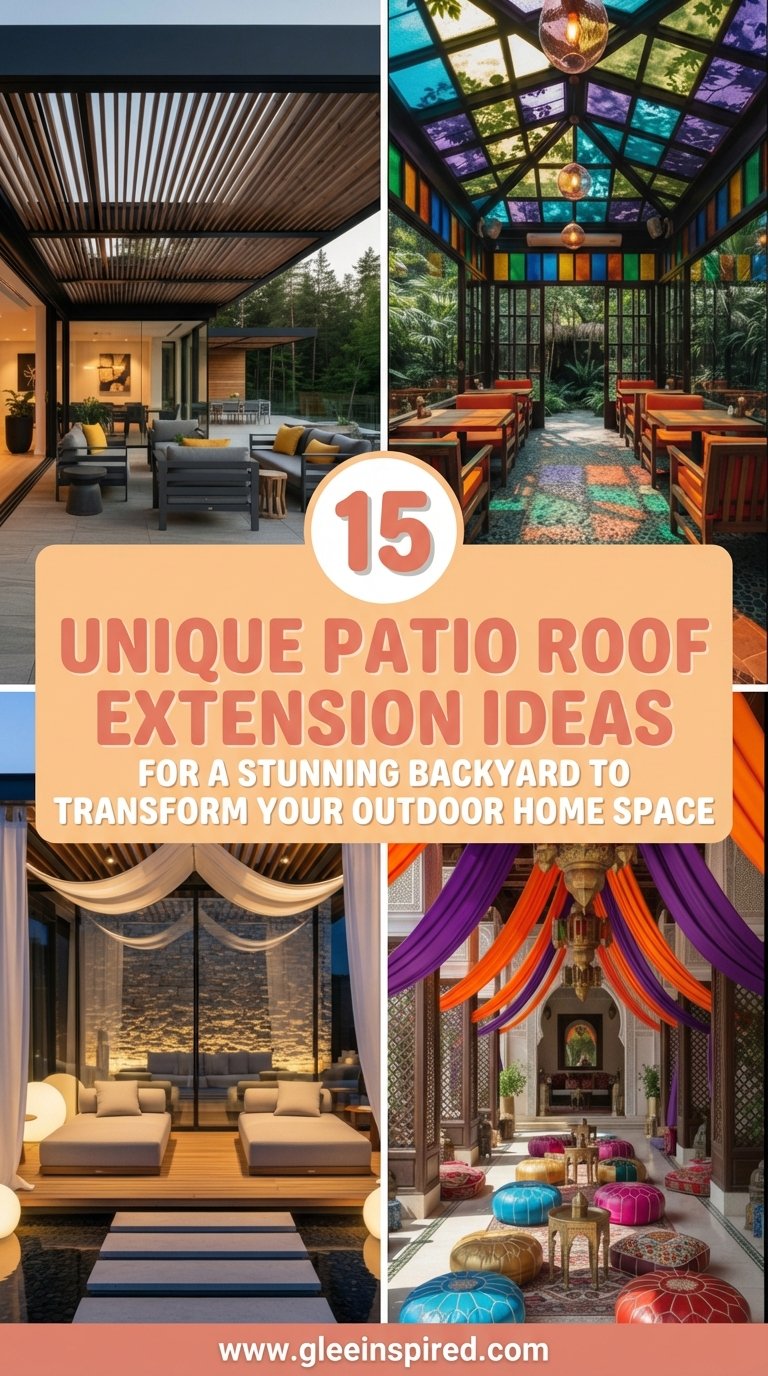
Transforming your backyard with a unique patio roof extension is one of the most rewarding home improvement projects you can undertake. Whether you choose the romantic glow of a fairy light canopy, the sleek utility of a glass extension, or the eco-friendly benefits of a living roof, the result is the same: a more functional, beautiful, and valuable home. You are not just building a roof; you are creating a lifestyle.
Leave a Comment