
Living in a compact apartment often feels like a constant battle for space. You might look at your cramped quarters and wonder how to fit a sofa, a workspace, and your personality into such tight square footage without it feeling cluttered. The struggle to balance functionality with style is real for city dwellers and downsizers alike. You need practical solutions that maximize every inch while maintaining a high-end aesthetic. This guide provides actionable design strategies to open up your room, boost light flow, and create the illusion of grandeur.
Key Takeaways
- Verticality is Vital: Drawing the eye upward with shelves and art instantly makes ceilings feel higher and footprints larger.
- Light Manipulation: Strategic use of mirrors and gloss finishes bounces natural light into dark corners.
- Dual-Purpose Design: Every piece of furniture must earn its keep by offering storage or multiple functions.
- Cohesive Palettes: Monochromatic or analogous color schemes reduce visual noise and create a seamless flow.
Table of Contents
- Light Color Palettes
- Multi-Functional Furniture
- Creative Wall Art
- Cozy Corner Nooks
- Layered Textures
- Compact Coffee Tables
- Mirrored Accents
- Vertical Storage Solutions
- Natural Light Maximization
- Zen-Inspired Minimalism
- Smart Lighting Solutions
- Open Shelving Displays
- Personalized Decorative Touches
- Indoor Plants Integration
- Colorful Accent Walls
- Popular Asked Questions
- Conclusion
Light Color Palettes
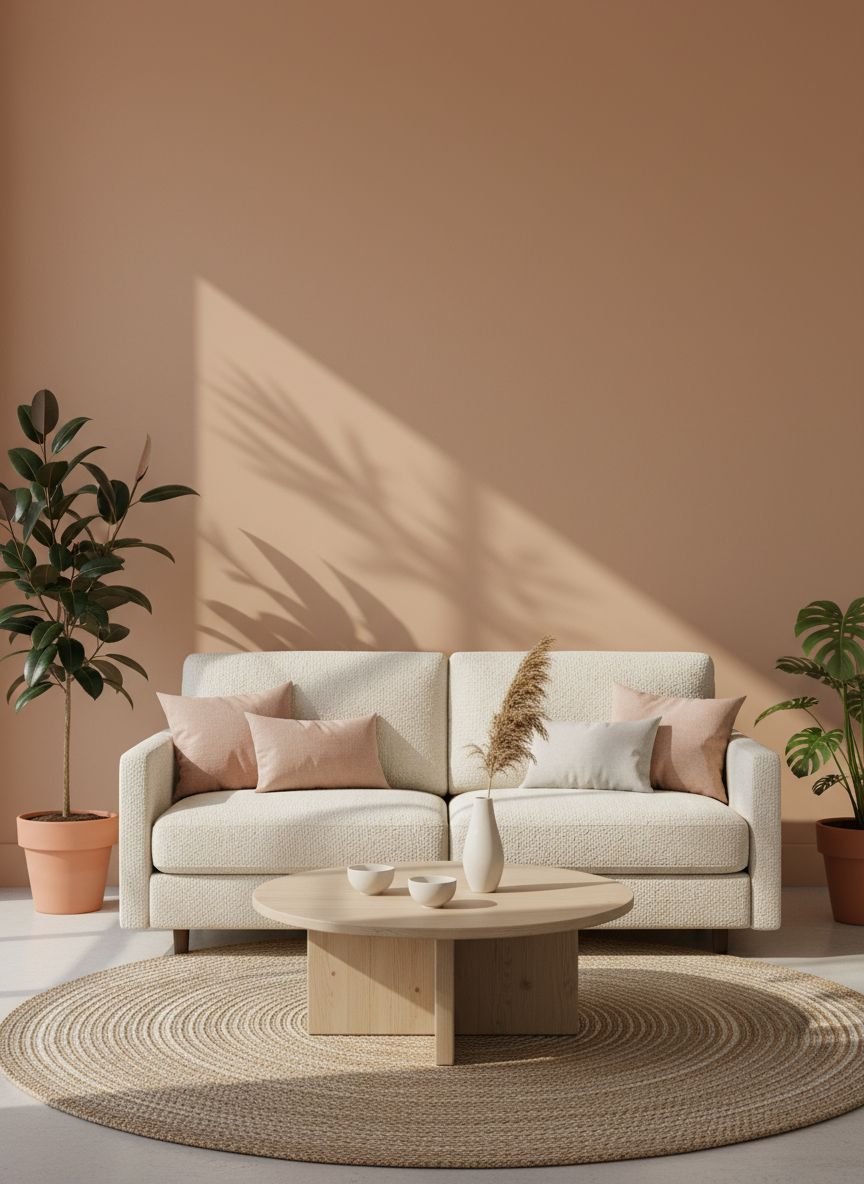
White, cream, and soft pastels act as the oldest trick in the interior design book for a reason. These hues reflect natural light rather than absorbing it. This reflection blurs the boundaries between walls and ceilings. Your room feels airy and open immediately. Painting your walls a crisp white or a soft dove gray creates a blank canvas. This approach allows your furniture to breathe. You do not need to stick to clinical white, though. Warm oatmeals and blush pinks add depth without shrinking the room. The lack of heavy contrast keeps the eye moving smoothly across the space.
Applying a satin or semi-gloss finish to your paint amplifies this effect. The slight sheen catches sunlight and lamp light alike. It bounces that luminosity back into the room. Keep your baseboards and trim the same color as the walls but use a different sheen. This subtle difference adds sophistication without breaking the visual line. A unified color envelope prevents the choppy look that makes small rooms feel boxy.
Pro Tip: Paint your ceiling one shade lighter than your walls to create a lifting effect that makes the room feel taller.
Multi-Functional Furniture
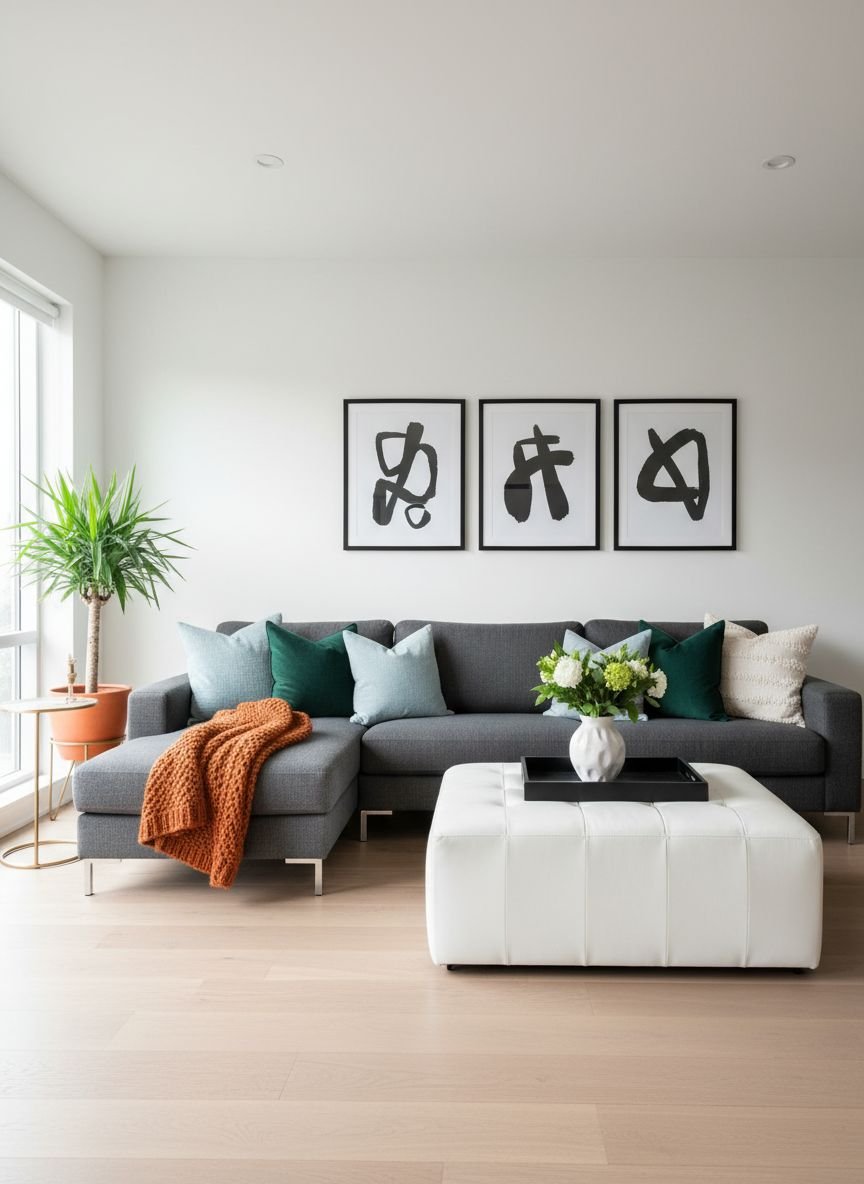
Square footage in an apartment is premium real estate. Furniture that does only one job is a wasted opportunity. You need pieces that work double shifts. An ottoman with hidden storage creates a spot for blankets while serving as a footrest. A sofa bed transforms your living area into a guest room in seconds. Drop-leaf tables tuck away against a wall when not in use but expand for dinner parties. This versatility allows you to live large in a tiny footprint.
Think about the mechanics of your furniture. A lift-top coffee table brings your laptop to eye level. It turns your lounge space into a home office instantly. Underneath that top often lies deep storage for chargers, remotes, and magazines. Using furniture that adapts to your needs reduces the need for extra pieces. Less furniture means more floor space visible. More visible floor space tricks the brain into perceiving a larger room.
Pro Tip: Choose furniture with exposed legs. Being able to see the floor underneath a sofa or chair makes the room appear less congested.
Creative Wall Art
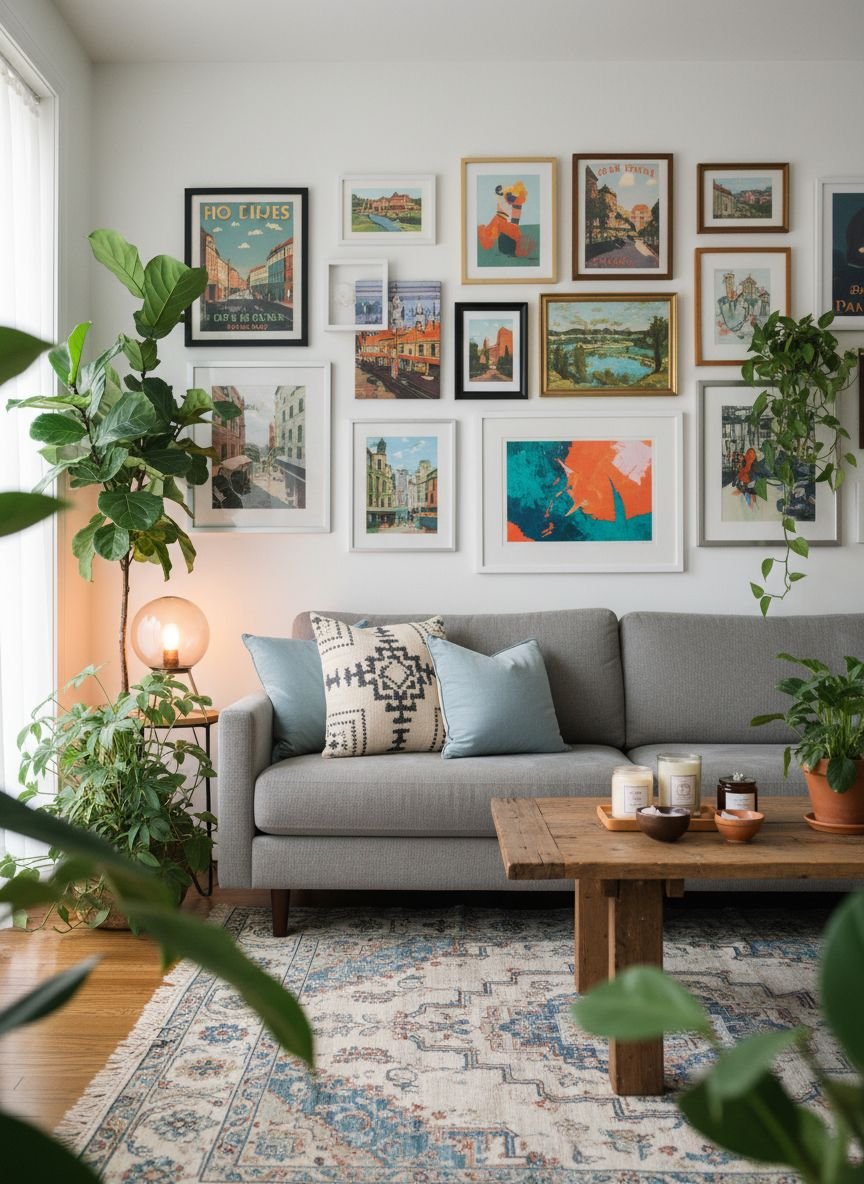
Small spaces often scare people away from large artwork. The common belief is that small walls need small art. This is false. A single, oversized piece of art acts as a focal point. It anchors the room and gives it structure. Tiny frames scattered everywhere can look like clutter. A large canvas or print commands attention and sets the tone for the entire area. It creates a “moment” in the room that feels intentional and curated.
If you prefer a gallery wall, keep it tight and organized. Use matching frames or a specific color theme to maintain cohesion. Run the gallery wall from floor to ceiling to emphasize height. This draws the eye up and distracts from the narrow width of a room. Art adds personality without taking up valuable floor space. It is the perfect vehicle for style in a compact apartment.
Pro Tip: Lean a large piece of art against the wall on a low shelf or the floor for a relaxed, loft-style vibe that adds depth.
Cozy Corner Nooks
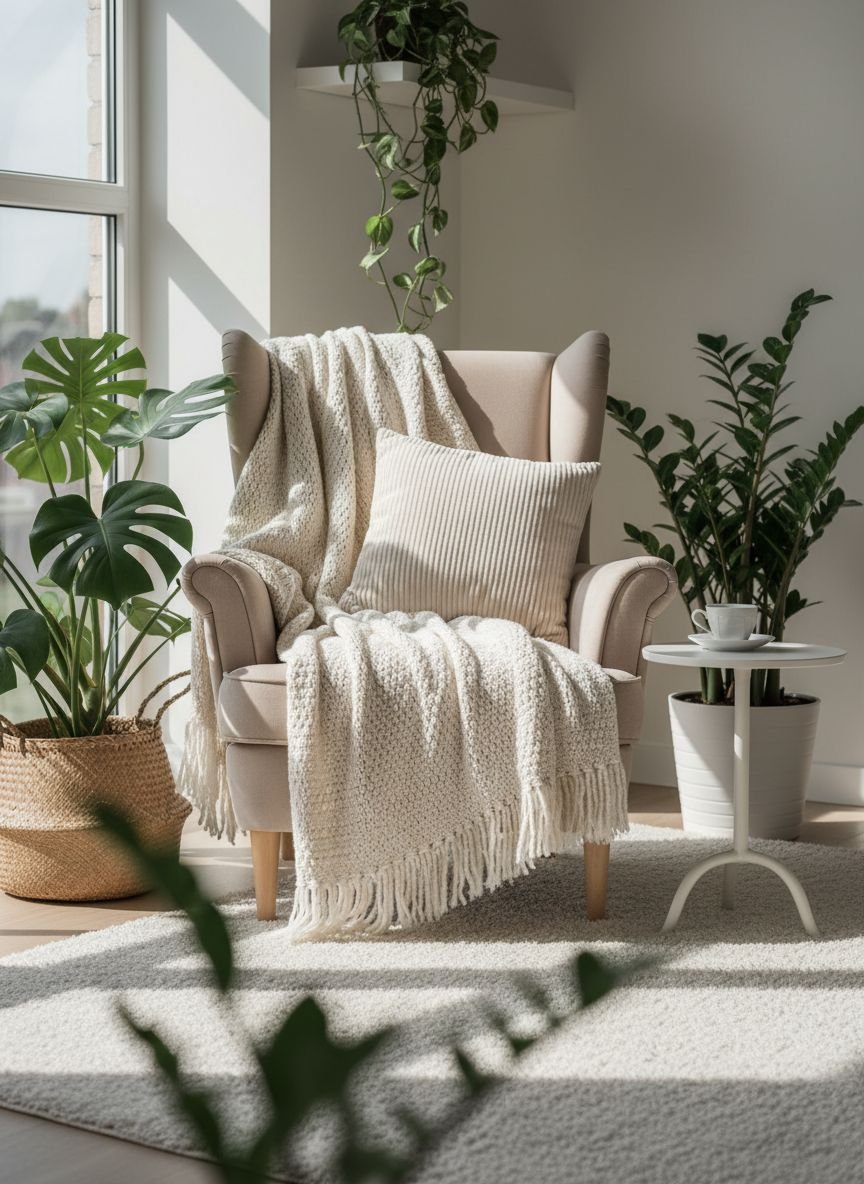
Corners are often dead zones in living rooms. In a small apartment, you cannot afford dead zones. Transforming an awkward corner into a purposeful nook adds value. A comfortable armchair, a small side table, and a floor lamp create a dedicated reading spot. This zoning makes the living room feel like it has multiple destinations. It breaks the boxy feeling of a standard square room.
You can also use corners for work. A triangular floating desk fits perfectly into a 90-degree angle. It provides a workspace that disappears when you push the chair in. This utilization of peripheral space frees up the center of the room for flow and movement. Defining these little pockets of activity makes the apartment feel richer and more functional.
Pro Tip: Use a round rug under your corner chair to visually separate the nook from the main seating area.
Layered Textures
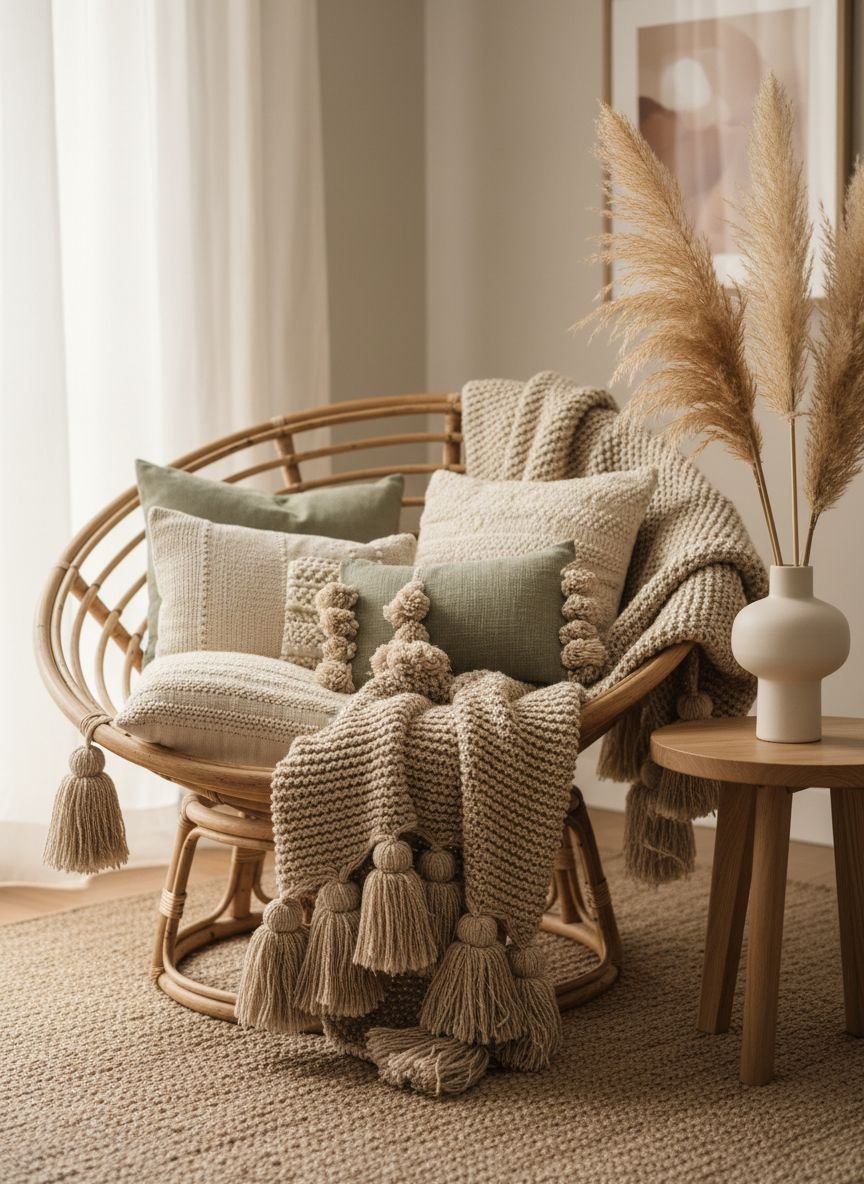
A neutral or small room risks feeling flat and boring. Texture is the antidote. Layering different materials adds visual weight and interest without adding clutter. Mix a chunky knit throw with smooth velvet pillows. Place a woven jute rug over a sleek hardwood floor. These contrasts give your eyes something to explore. The interplay of rough, soft, shiny, and matte surfaces makes the room feel designed and luxurious.
Texture also affects how cozy a space feels. In a small room, you want to feel embraced, not trapped. Soft textiles like faux fur or wool soften the hard edges of walls and furniture. They absorb sound, making the apartment quieter and more intimate. A room rich in tactile experiences feels complete. It does not need knick-knacks to feel “done.”
Pro Tip: Switch out pillow covers seasonally. Linen in summer and velvet in winter keeps the texture dynamic and fresh.
Save this idea to your Pinterest.
Comparison: Light vs. Dark Paint in Small Spaces
| Feature | Light Paint (White/Cream/Pastel) | Dark Paint (Navy/Charcoal/Forest) |
|---|---|---|
| Space Illusion | Expands walls, feels airy and open. | Blurs edges, creates infinite depth. |
| Light Reflection | High. Bounces light everywhere. | Low. Absorbs light for moodiness. |
| Vibe | Energetic, clean, Scandinavian. | Cozy, dramatic, intimate. |
| Best For | Rooms with limited windows. | Media rooms or evening spaces. |
Compact Coffee Tables
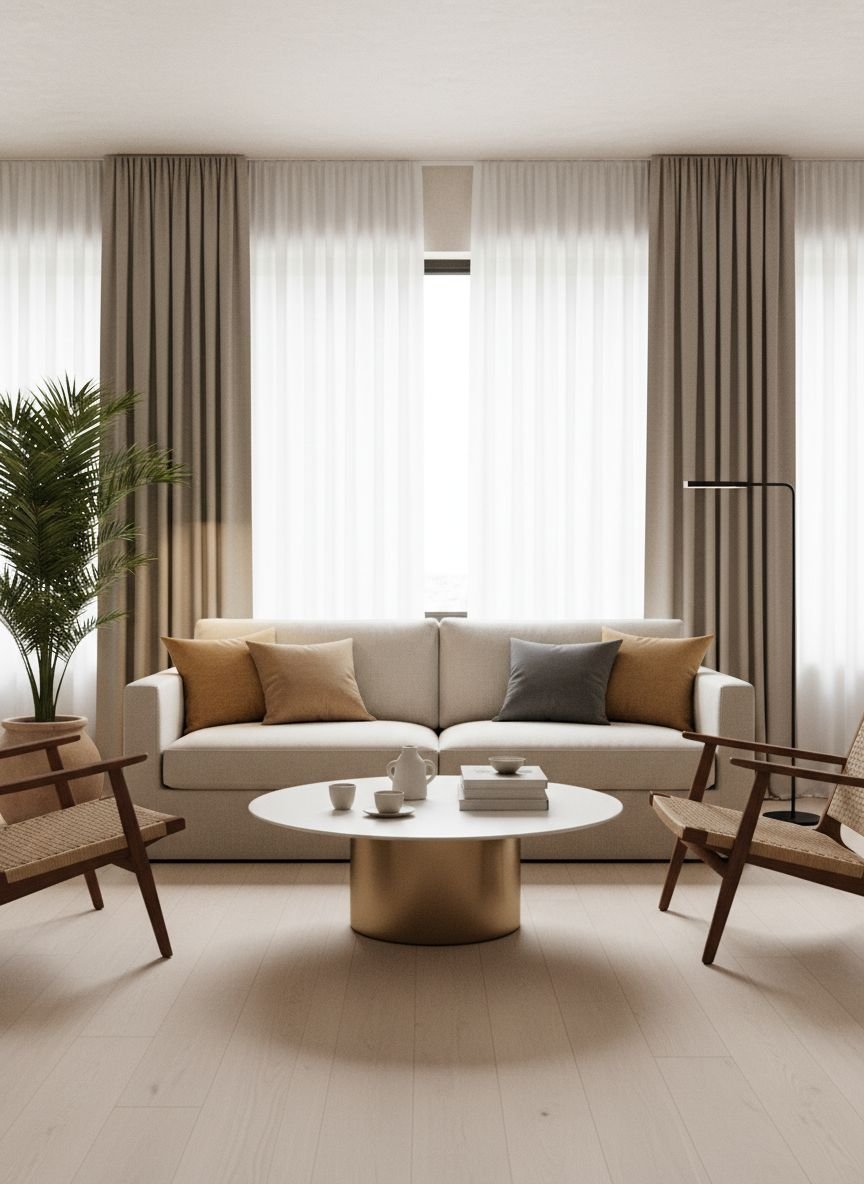
The coffee table often dominates the center of a living room. In a small space, a massive rectangular block blocks traffic flow. Round or oval tables are superior choices here. Their curved edges allow for easier movement around the room. You won’t bump your shins on sharp corners. Glass or acrylic tables are even better. They are visually weightless. You can see the rug through them, which keeps the visual floor space uninterrupted.
Nesting tables offer incredible flexibility. You can keep them stacked to save space on a daily basis. When guests arrive, you pull them apart to provide surfaces for drinks and snacks. This adaptability is crucial for apartment living. You get the functionality of a large table without the permanent footprint.
Pro Tip: If space is extremely tight, skip the coffee table entirely and use two small ceramic garden stools or C-tables that slide over the sofa arm.
Mirrored Accents
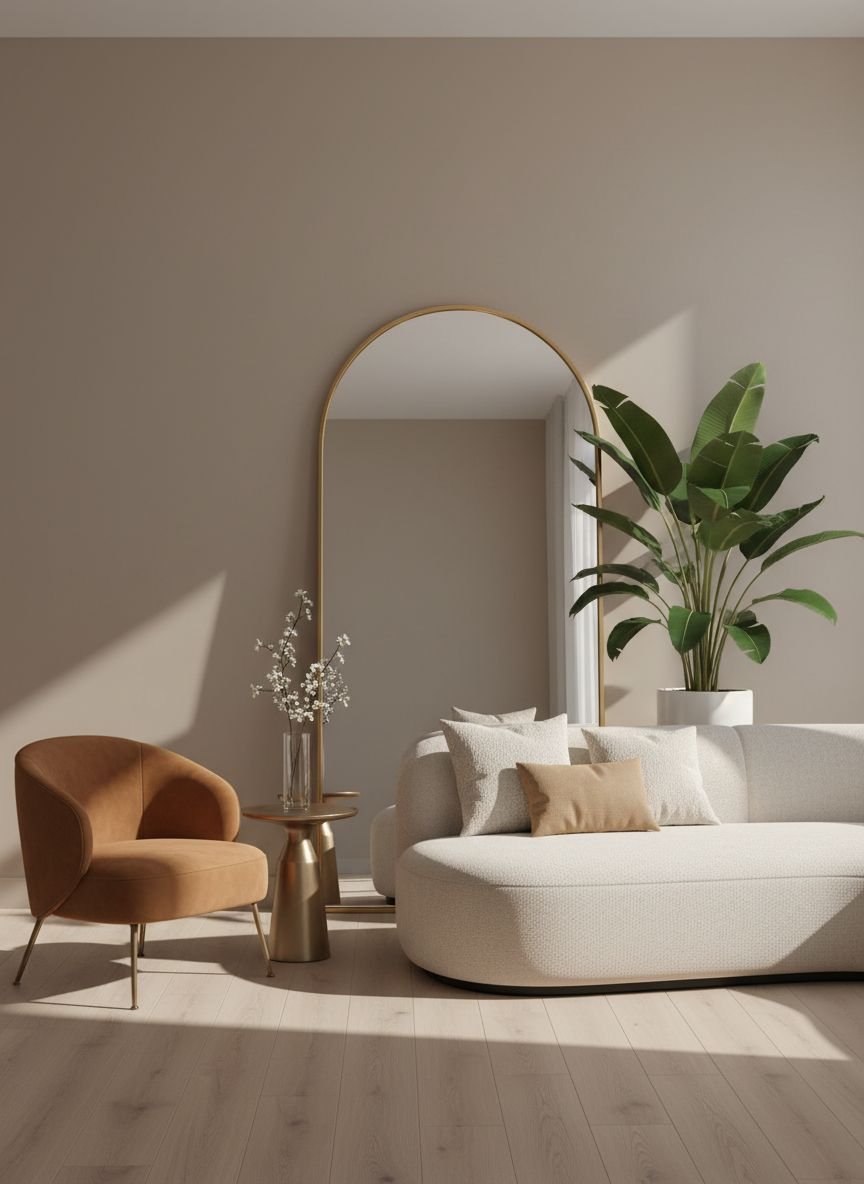
Mirrors are the magician’s tool in interior design. They duplicate views and amplify light. Placing a large mirror opposite a window essentially adds a second window to your room. It brings the outdoors in and doubles the natural brightness. You can use mirrored furniture, like a side table or a console, to achieve a similar effect on a smaller scale. These pieces disappear into the surroundings while reflecting the rug and other decor.
The placement is key. A mirror behind a sofa creates depth. A mirror in a dark hallway bounces light from adjoining rooms. You can even use mirrored backsplashes in open-concept kitchen-living areas. The reflection tricks the eye into thinking the room continues past the wall. It breaks down the solid barriers that define the small space.
Pro Tip: Group a collection of vintage mirrors with different frame shapes for an art installation that also expands the room.
Vertical Storage Solutions
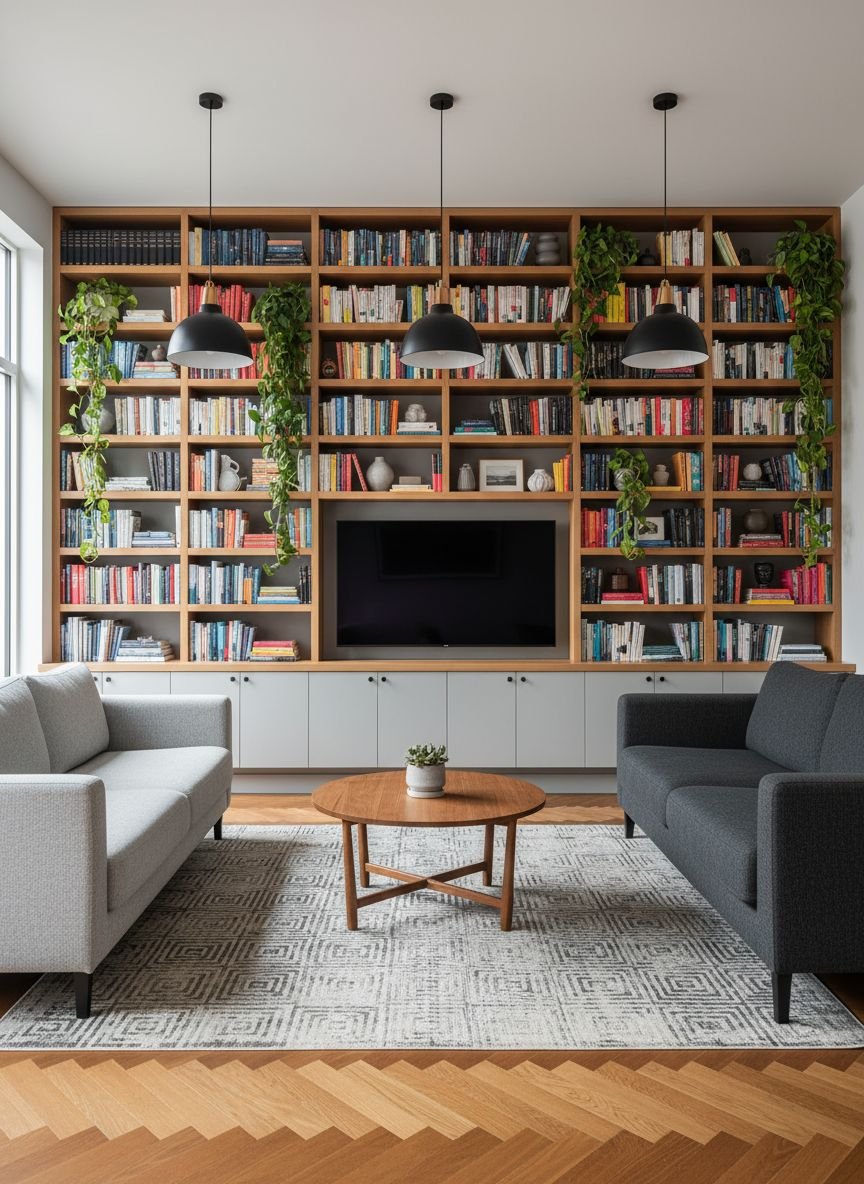
When you cannot build out, you must build up. Floor space is limited, but wall space is usually abundant. Tall bookcases that reach the ceiling draw the eye upward. This emphasizes the height of the room rather than the small footprint. Use the upper shelves for items you use less frequently. Use the lower shelves for daily necessities. This storage strategy keeps clutter off the floor and tables.
Floating shelves are another excellent option. They provide storage without the visual bulk of a cabinet. You can install them above the sofa, above the TV, or even above the door frame. Keeping the floor clear creates a sense of openness. Closed vertical cabinets hide the mess, while open shelves display your treasures. A mix of both often works best.
Pro Tip: Paint your bookshelves the same color as the wall. This makes the unit look built-in and less imposing.
Natural Light Maximization
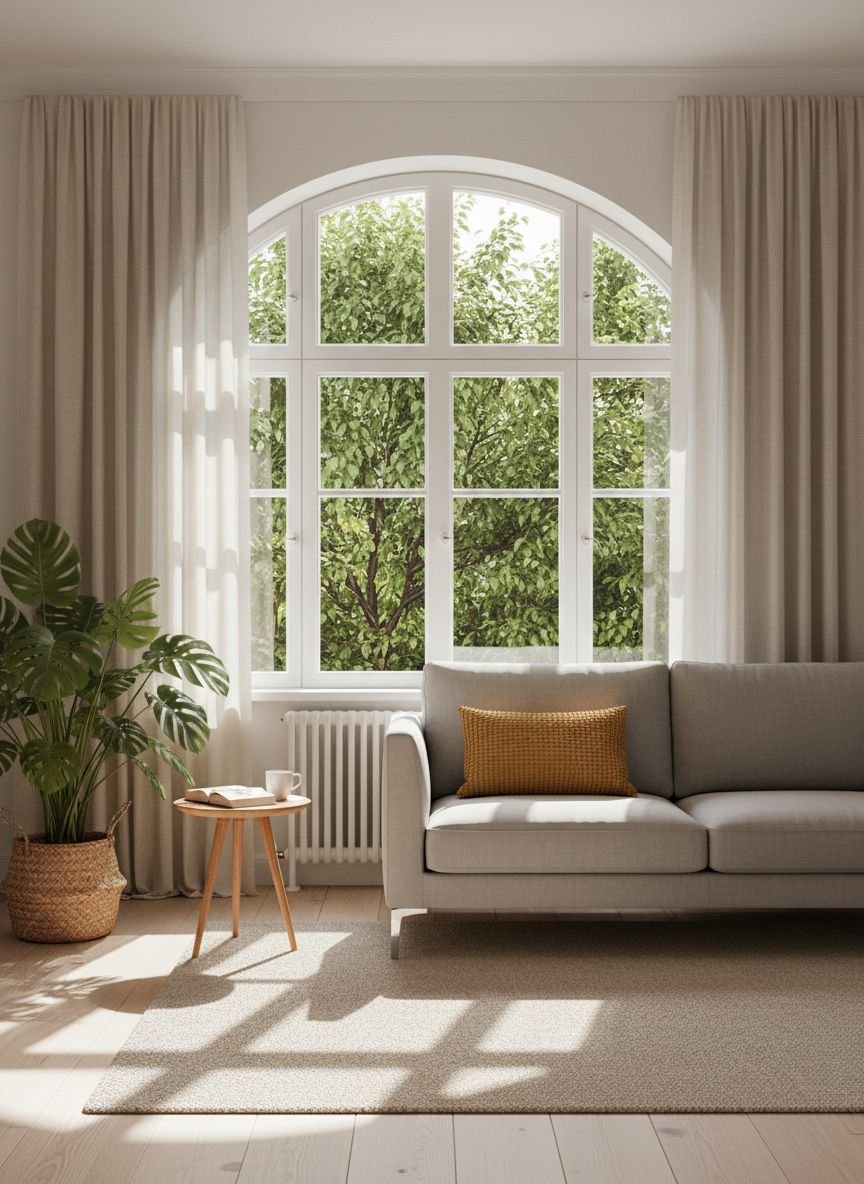
Sunlight makes any space feel larger and happier. Blocking windows with heavy drapes creates a cave-like atmosphere. Ditch the thick velvet curtains. Opt for sheer fabrics that let the light filter through while providing privacy. If you need blackout capabilities, layer a sleek roller blind behind the sheers. This setup keeps the window frame visible and the look light.
Keep the window sills clear. Clutter in front of the glass blocks light entry. Position your furniture so it does not obstruct the path of sunlight. If you have a single window, consider it the room’s most valuable asset. Orient your seating to face the light or the view. This connection to the outside world extends your living space visually beyond the glass.
Pro Tip: Hang curtain rods six inches above the window frame and extend them wider than the window. This tricks the eye into thinking the window is huge.
Zen-Inspired Minimalism
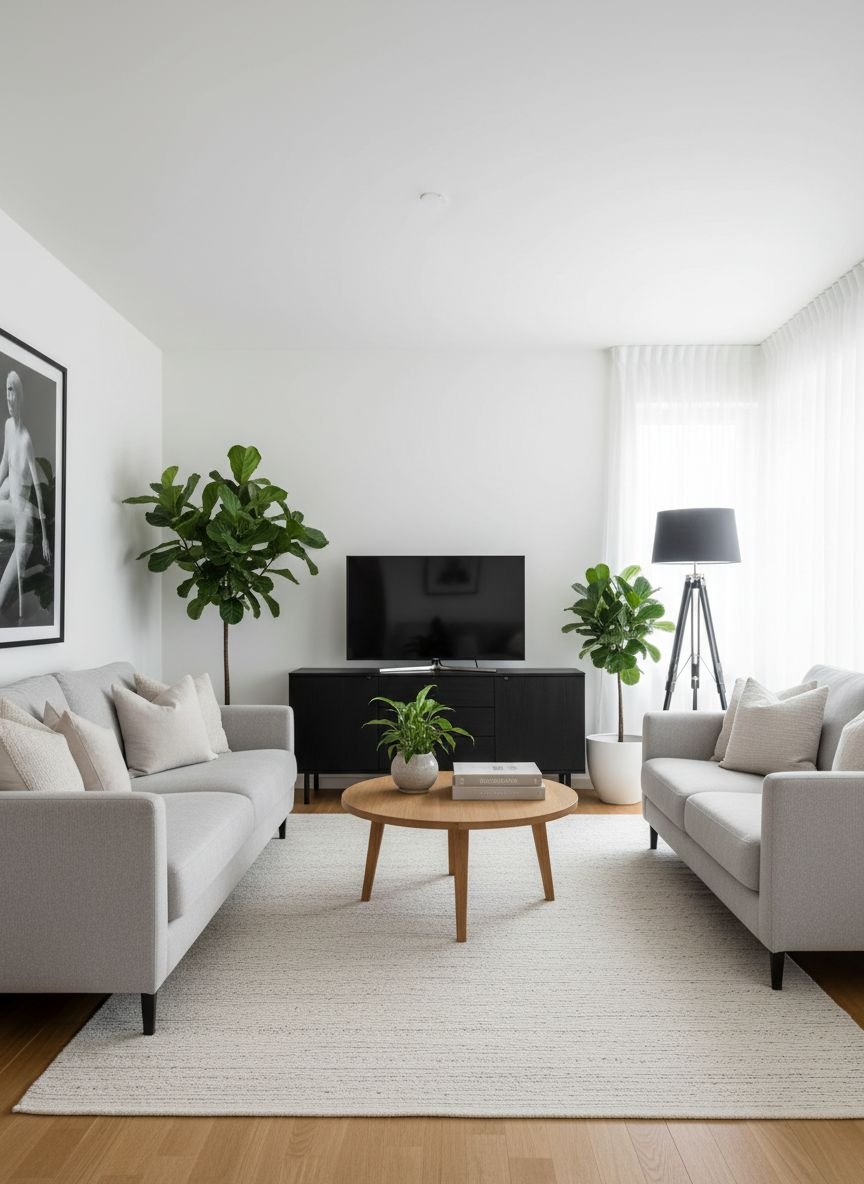
Clutter is the enemy of small spaces. A minimalist approach keeps the room serene and spacious. This does not mean living in an empty white box. It means choosing each item with intention. Every object should have a purpose or bring you joy. Clear surfaces create a calm mind. When the eye does not have to process hundreds of tiny items, the room feels bigger.
Adopt a “one in, one out” policy. If you buy a new throw pillow, donate an old one. Keep surfaces like coffee tables and media consoles relatively bare. A single vase is more impactful than a collection of twelve figurines. Negative space—the empty space around objects—is a design element itself. It lets the architecture of the room stand out.
Pro Tip: Use concealed storage bins or baskets to hide daily clutter like cables, toys, and paperwork, keeping the visual noise low.
Related posts :
- 26 Living Room Mirror Ideas Designers Swear By to Instantly Brighten Your Home
- 12 Very Small Garden Ideas On a Budget That Will Transform Your Tiny Outdoor Space into a Paradise
- 20 Chic Black and Dark Green Bedroom Ideas for a Trendy Look That Redefine Cozy Luxury
Smart Lighting Solutions
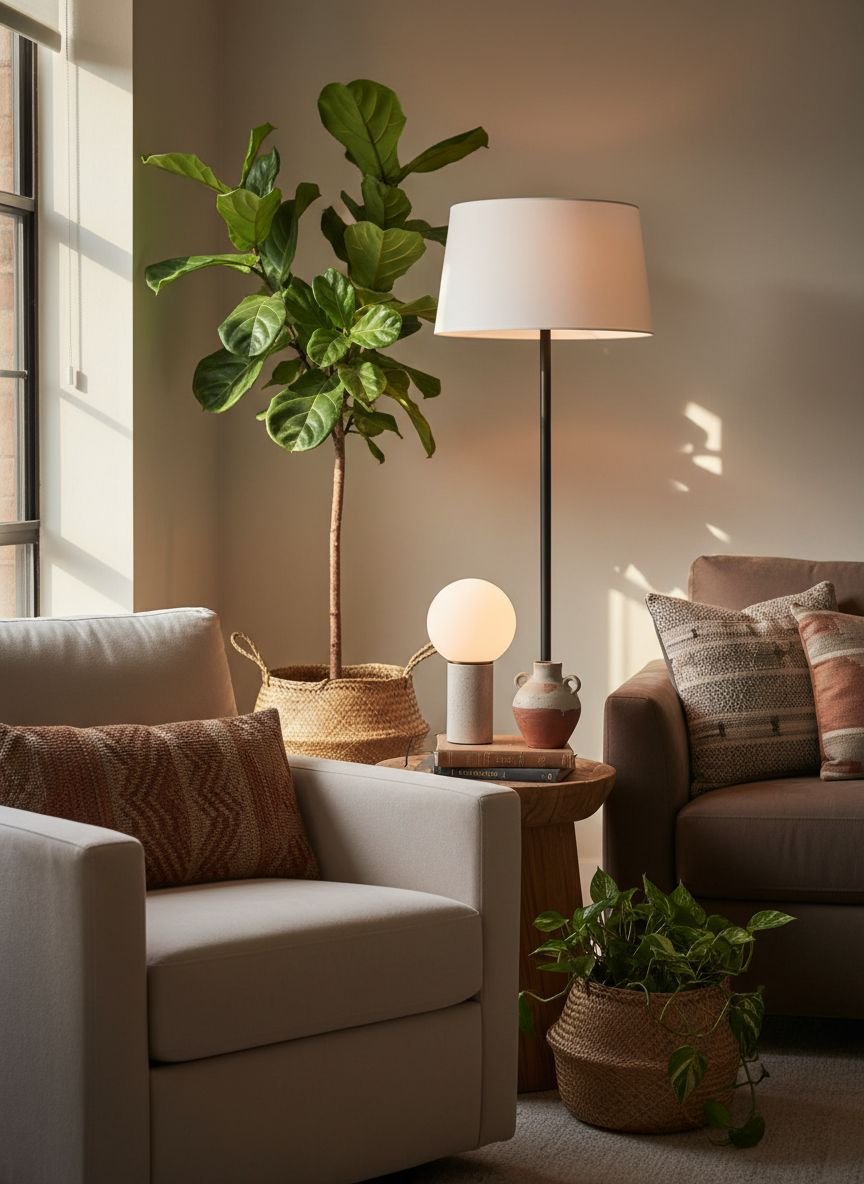
A single overhead light creates harsh shadows and shrinks the room. You need layers of light to create depth. Combine ambient, task, and accent lighting. Floor lamps illuminate dark corners. Table lamps provide a warm glow for reading. Wall sconces save floor space and add architectural interest. Lighting at different heights keeps the eye moving and highlights different zones.
Use warm white LED bulbs. Cool white can feel sterile and hospital-like. Warm light makes the small space feel inviting. Dimmers are essential. Being able to control the light intensity allows you to change the mood from bright and functional to soft and intimate. Lighting the walls (wall washing) pushes them out visually, making the room feel wider.
Pro Tip: Install plug-in wall sconces beside the sofa. You get the high-end look of hardwired lighting without calling an electrician.
Open Shelving Displays
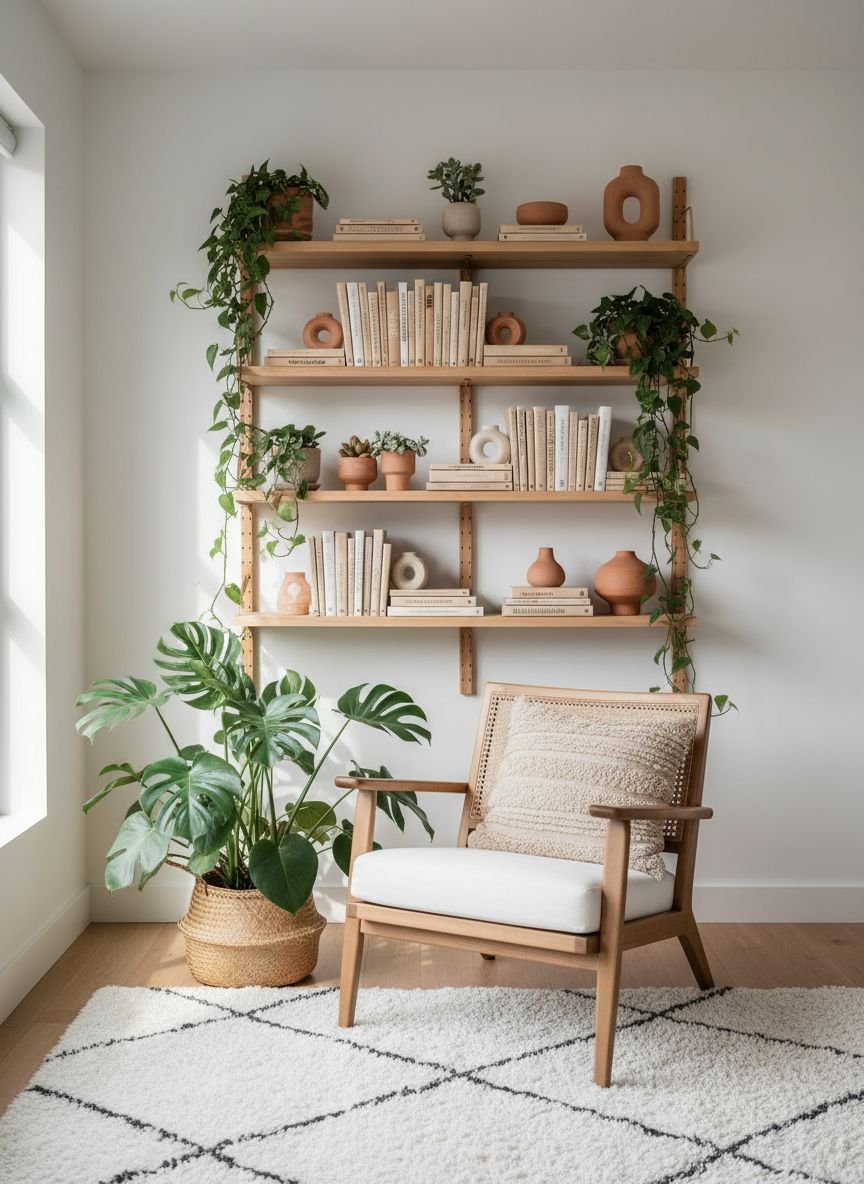
Open shelving bridges the gap between storage and decoration. Unlike heavy cabinets, open shelves look airy. They allow you to display your personality through books, plants, and travel souvenirs. The key is styling. Do not jam them full. Leave some empty space on each shelf to prevent a heavy look. Group items in odd numbers for a pleasing arrangement.
Use baskets on the lower shelves to hide unsightly items. Keep the pretty items at eye level. This mix of open and concealed storage is practical for apartment living. You can install open shelves in awkward niches or above radiators to reclaim wasted space. They turn a blank wall into a feature without encroaching on the room.
Pro Tip: Color-code your books or turn the spines inward for a neutral, cohesive look that reduces visual chaos on open shelves.
Personalized Decorative Touches
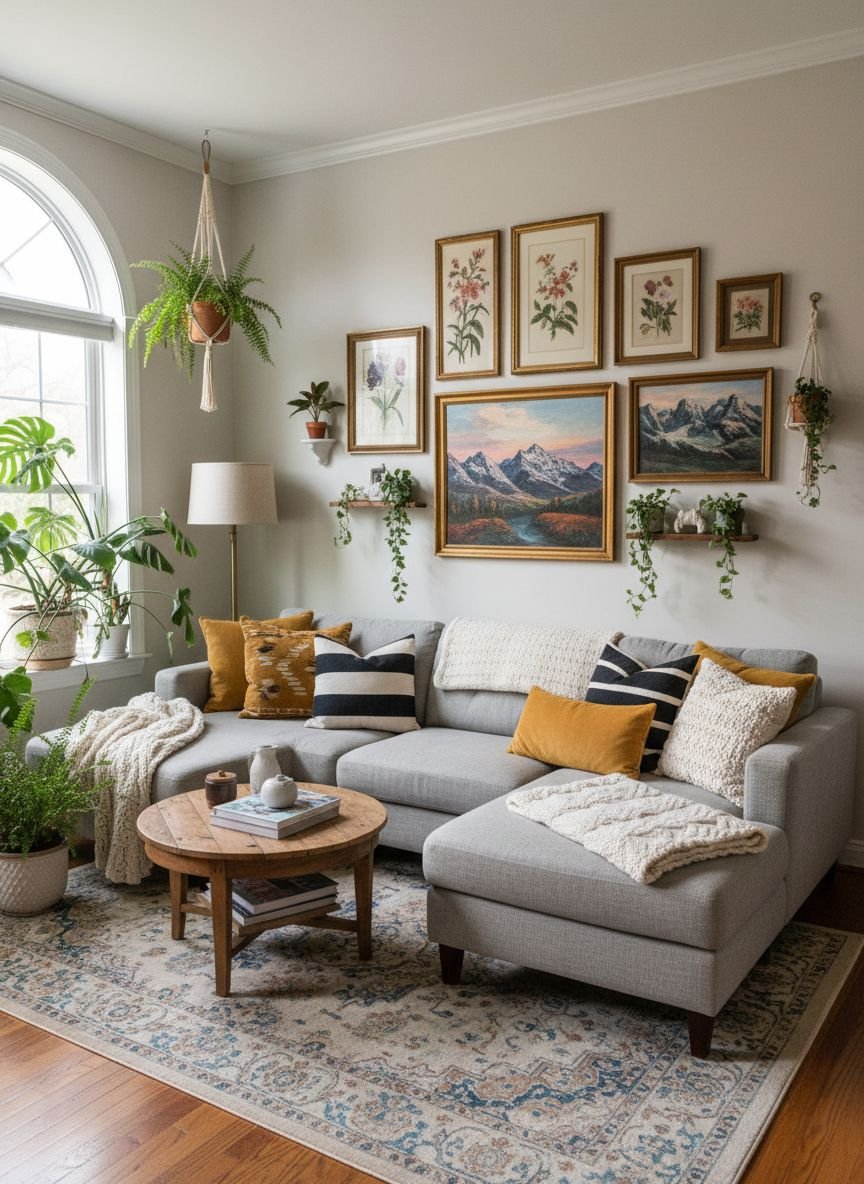
Your apartment should tell your story. Generic decor makes a small space feel like a hotel room. Personal touches make it a home. Display a collection of vintage cameras. Hang a framed map of your favorite city. Use a quilt made by your grandmother. These items spark conversation and bring warmth. In a small room, these details are noticeable. They do not get lost in a sea of furniture.
Rotate your decor. You do not need to display everything you own at once. Changing your decor keeps the space feeling fresh. It stops you from becoming “clutter blind.” A curated selection of personal items is far more powerful than a cluttered mass. Let your personality shine through specific, chosen pieces.
Pro Tip: Use a tray on your coffee table to corral small personal items. It creates a tidy vignette rather than a scattered mess.
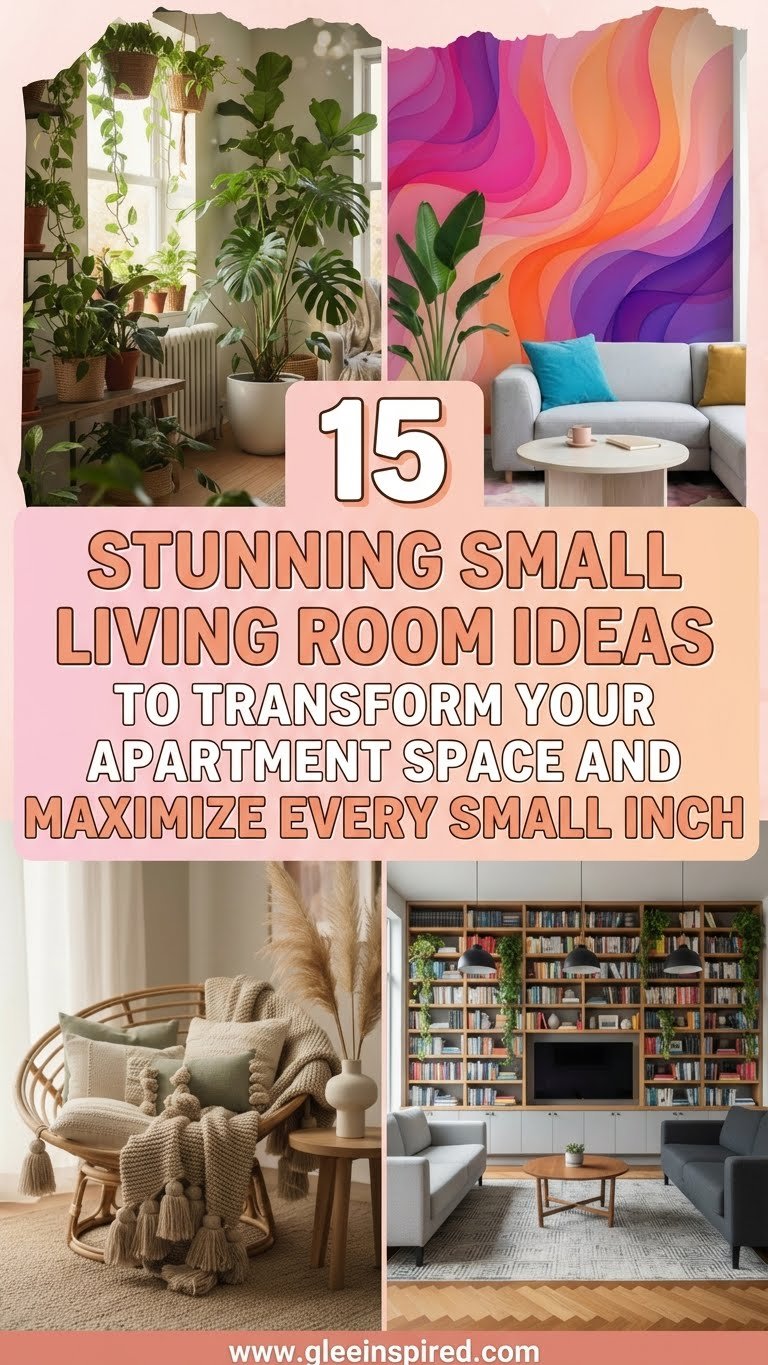
Indoor Plants Integration
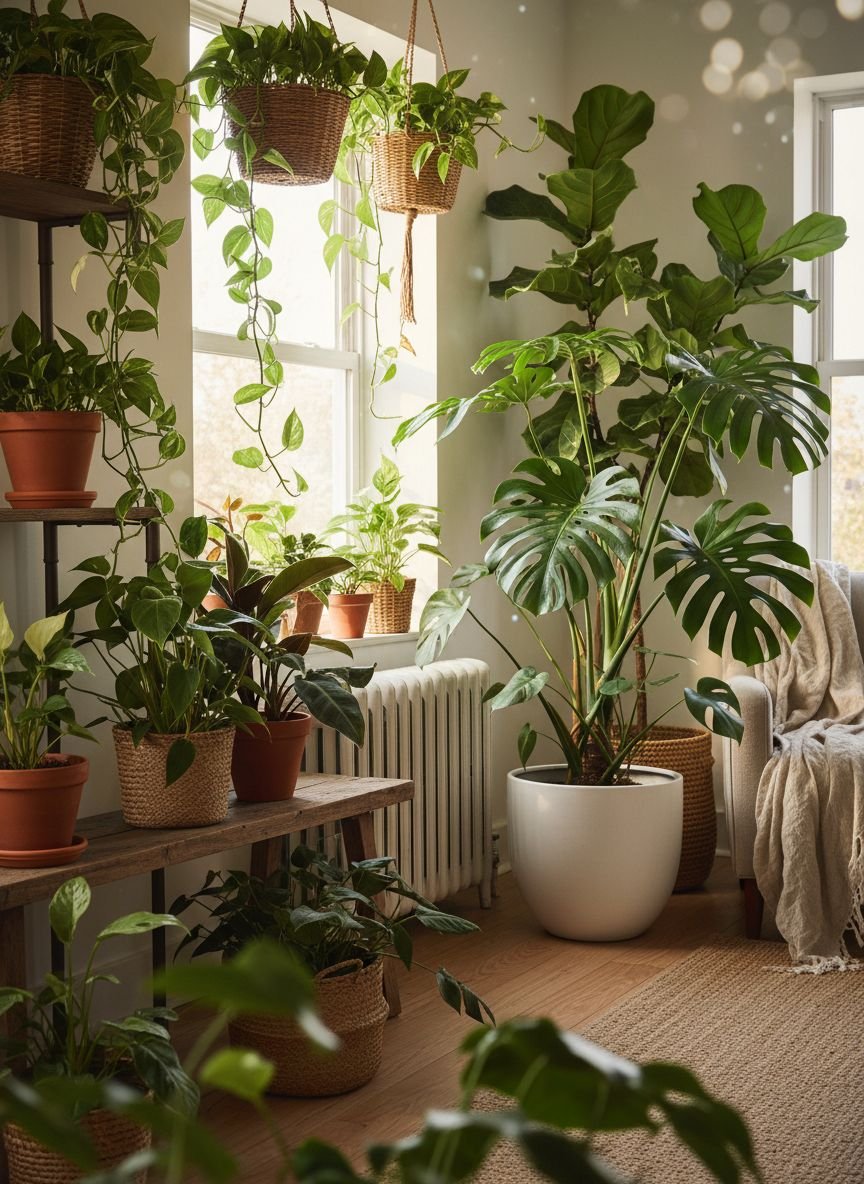
Bringing nature inside breathes life into a small room. Plants add organic shapes and vibrant green color. They soften the straight lines of architecture and furniture. A tall fiddle leaf fig draws the eye up. Trailing pothos plants on a high shelf draw the eye down. This movement is dynamic. Plants also improve air quality, which is a bonus in city apartments.
If you lack floor space, hang plants from the ceiling. Macramé hangers add a boho texture. Wall-mounted planters turn greenery into living art. You do not need a green thumb to succeed. Snake plants and ZZ plants are nearly indestructible and thrive in low light. They add a sculptural element that feels modern and fresh.
Pro Tip: Place a plant in front of a mirror. You get twice the greenery for the price and space of one plant.
Colorful Accent Walls
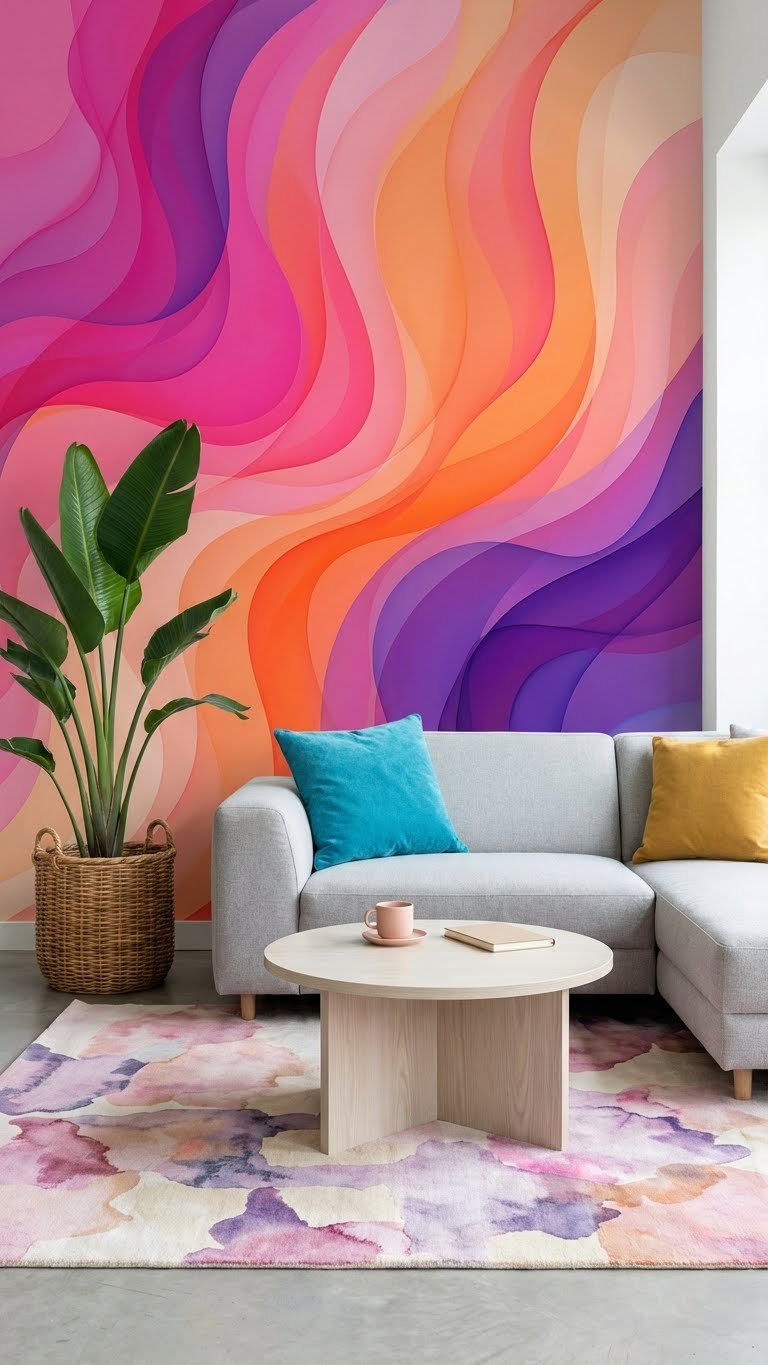
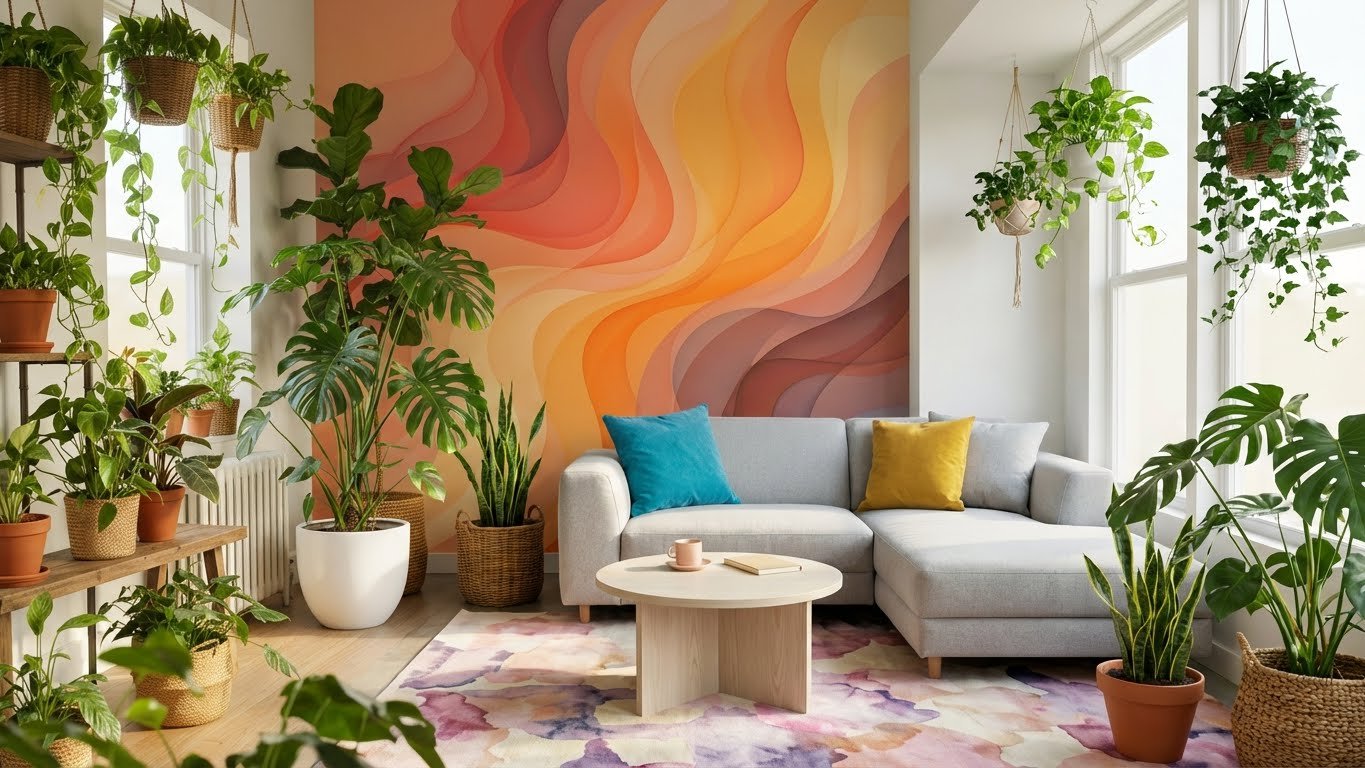
You might fear that dark colors shrink a room. Used correctly, a dark accent wall adds infinite depth. Painting one wall a deep navy, charcoal, or emerald green pushes that wall back visually. It creates a focal point that anchors the room. This works particularly well behind a sofa or a TV unit. The dark color camouflages the black TV screen, making it less obtrusive.
If dark is not your style, try a bright, cheerful color. A sunny yellow or a vibrant coral energizes the space. You can also use wallpaper. A subtle geometric pattern or a vertical stripe can trick the eye. Vertical stripes make the ceiling feel higher. Horizontal stripes make the room feel wider. An accent wall defines the living zone in an open-plan studio.
Pro Tip: Extend the accent color onto the door or trim on that specific wall for a seamless, designer-grade finish.
Save this idea to your Pinterest.
Popular Asked Questions
How can I make my small living room look expensive?
To make a small space look luxe, focus on texture and lighting. Swap out the standard light fixture for a statement chandelier or pendant. Use long curtains that touch the floor; hanging them high makes the room look grand. Add a large rug that fits under all furniture legs to ground the space. Finally, declutter relentlessly—nothing looks cheaper than mess.
What is the best furniture layout for a narrow living room?
For a narrow or rectangular room, avoid pushing all furniture against the walls, as this creates a “bowling alley” effect. Instead, float the sofa slightly away from the wall if possible. Create zones: a main seating area and a separate small reading nook or desk area. Use a long, narrow coffee table or two small ottomans to maintain a clear walking path.
Can I use dark furniture in a small apartment?
Yes, you can. The secret is balance. If you have a dark velvet sofa, keep the walls and rug light to provide contrast. Dark furniture can ground the room and make it feel cozy. Ensure the piece has clean lines and isn’t overly bulky. Legs that lift the piece off the floor help maintain a sense of openness.
How do I decorate a rental apartment without damaging walls?
Focus on non-permanent upgrades. Use peel-and-stick wallpaper to create an accent wall. Swap out cabinet knobs and light switch covers (keep the originals to put back later). Use command strips for hanging art. Layer rugs over existing carpet or flooring to change the look entirely. Lean large mirrors or art against walls instead of hanging them.
Conclusion
Transforming a small living room does not require a demolition crew. It requires smart choices and a bit of creativity. By using light colors, maximizing vertical storage, and selecting multi-functional furniture, you can turn a cramped apartment into a spacious sanctuary. Remember that your home should serve you. Every item should earn its place.

Leave a Comment