
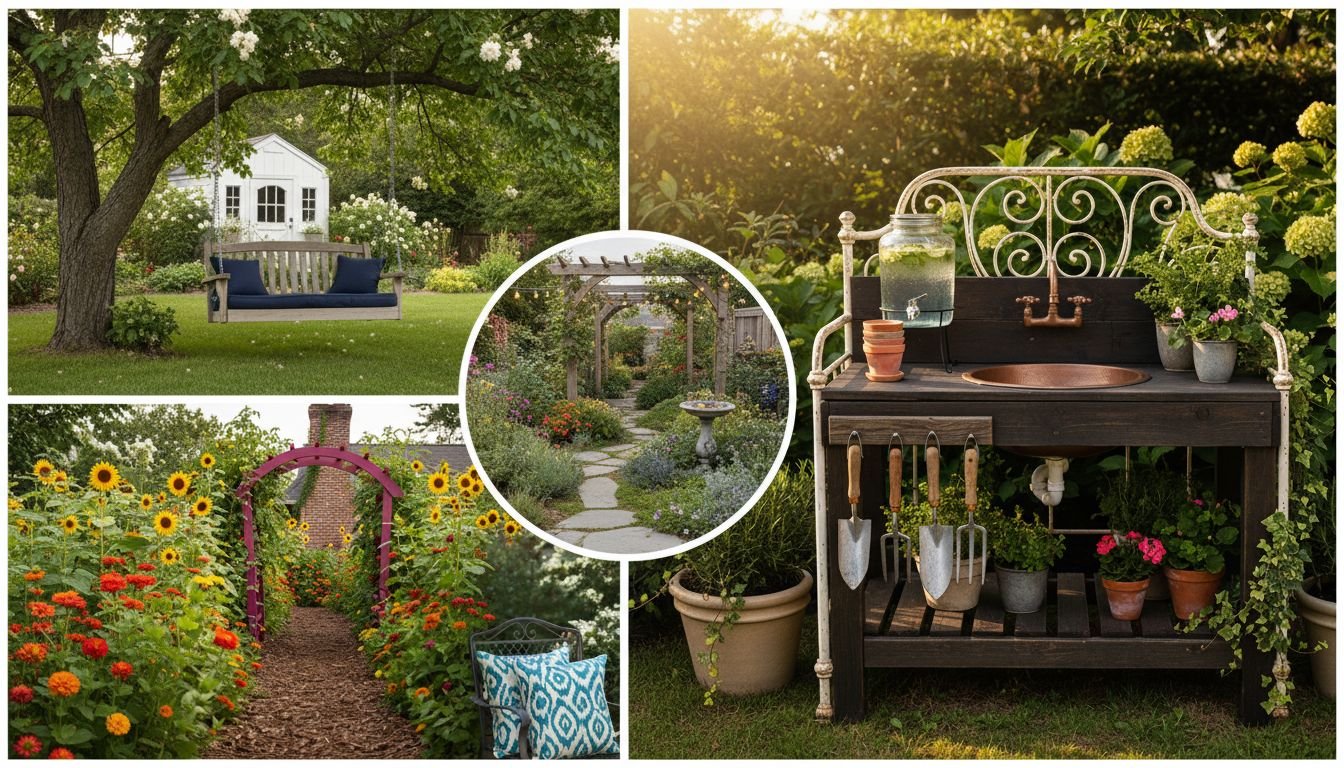
You don’t need a contractor’s budget to create an outdoor oasis that rivals a luxury resort. The current trend in outdoor living is shifting away from expensive, high-maintenance hardscaping toward organic, DIY-friendly solutions that prioritize comfort and character over cost. If you are staring at a patch of dirt, a small concrete slab, or an overgrown lawn, you might feel overwhelmed by the potential expense of a makeover.
But here is the reality: some of the most stunning backyard transformations cost less than a nice dinner out. By focusing on strategic updates like vertical gardening, ambient lighting, and multi-functional furniture, you can unlock the hidden potential of your exterior space. This guide provides 14 specific, low-cost strategies to upgrade your backyard, increasing your usable living space by up to 50%.
Key Takeaways
- Verticality maximizes value: Using walls and fences for greenery doubles your planting space without a footprint cost.
- Lighting creates luxury: Inexpensive string lights and solar path markers instantly elevate the perceived value of your home at night.
- Repurposing is key: Old furniture and pallets can be transformed into high-end garden features with simple paint and sanding.
- Perennials save money: Investing in plants that return every year reduces long-term gardening costs significantly.
- Zoning creates illusion: Defining separate areas for dining, lounging, and gardening makes small spaces feel much larger.
Table of Contents
- Install a Porch Swing
- Build a Gardening Station
- Add a Pop of Color
- Install Hanging Planters
- Transform a Garden Shed
- Decorate for the Seasons
- Create DIY Planters
- Make it Cozy
- Install a DIY Fire Pit
- Plant Inexpensive Perennials
- Invest Smartly
- Grow a Living Fence
- Revive Old Furniture
- Save Space with Two-in-one Furniture
- Comparison: Gravel vs. Mulch vs. Pavers
- Related posts :
- Popular Asked Questions
- Conclusion
Install a Porch Swing
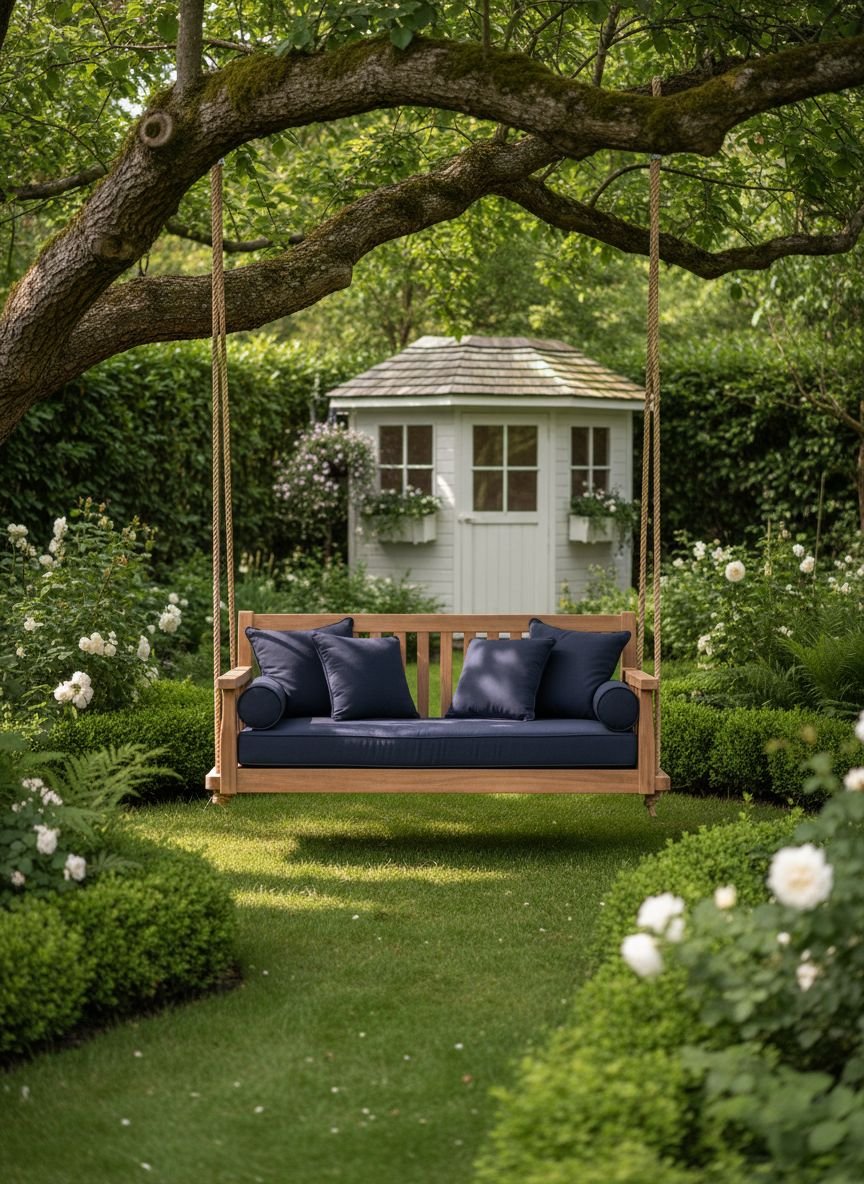
A porch swing acts as an immediate focal point that invites relaxation and nostalgia. Visually, the suspension of the furniture adds a layer of airiness to the porch or patio, breaking up the monotony of ground-level seating. The gentle motion of a swing introduces a kinetic energy to the static architecture of a backyard, creating a dynamic yet soothing atmosphere. From a design perspective, a swing utilizes vertical space that often goes wasted, drawing the eye upward and making the ceiling or pergola feel higher and more grand.
Implementation is often simpler than homeowners expect. You do not need a massive wrap-around porch; a sturdy A-frame stand or a strong pergola beam works perfectly for small patios. If buying a new swing is out of budget, consider building a simple slat-style bench from pressure-treated lumber and suspending it with heavy-duty marine rope for a nautical, rustic look. Ensure your mounting hardware is rated for at least 500 pounds to guarantee safety.
- Pro Tip: Add weather-resistant throw pillows in contrasting textures—like chunky knit or smooth canvas—to make the swing look like a high-end installation rather than a budget DIY project.
Build a Gardening Station
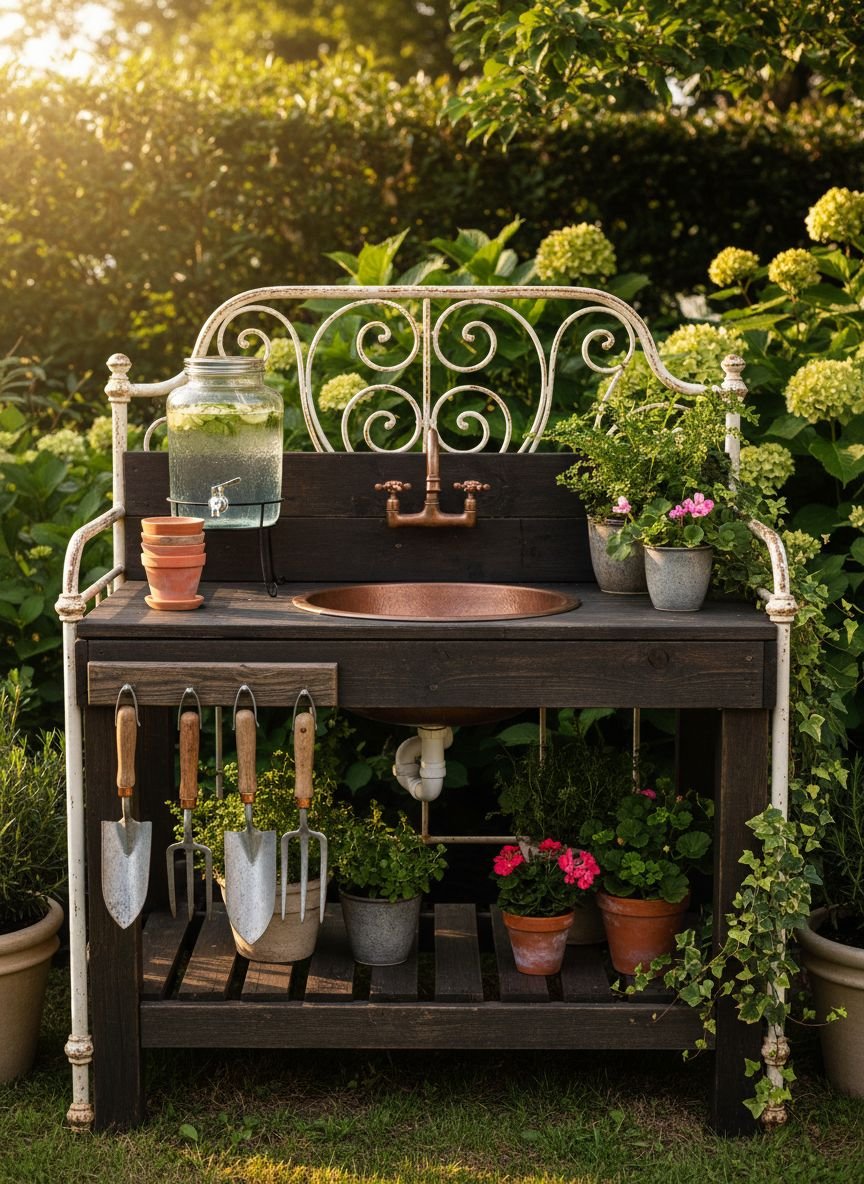
A dedicated potting bench or gardening station serves as both a functional workspace and a charming vignette. The texture of raw wood against terracotta pots and galvanized metal tools creates a “modern farmhouse” aesthetic that is incredibly popular on Pinterest. This station organizes your clutter, keeping soil bags and trowels in one place, which instantly makes the rest of a small yard feel tidier and more spacious. It anchors a corner of the yard, giving purpose to an area that might otherwise be dead space.
To build one cheaply, look for discarded shipping pallets or an old dresser at a thrift store. A coat of exterior sealant can turn an indoor piece of furniture into a durable outdoor station. Install hooks on the side for hanging tools and use the drawers for storing seed packets and gloves. The surface should be durable; a simple sheet of galvanized steel or even leftover tiles from a bathroom renovation can create an easy-to-clean worktop.
- Pro Tip: Install a simple gravity-fed sink by mounting a water dispenser or a bucket with a spigot above a metal basin. It allows you to wash vegetables or hands without plumbing.
Add a Pop of Color
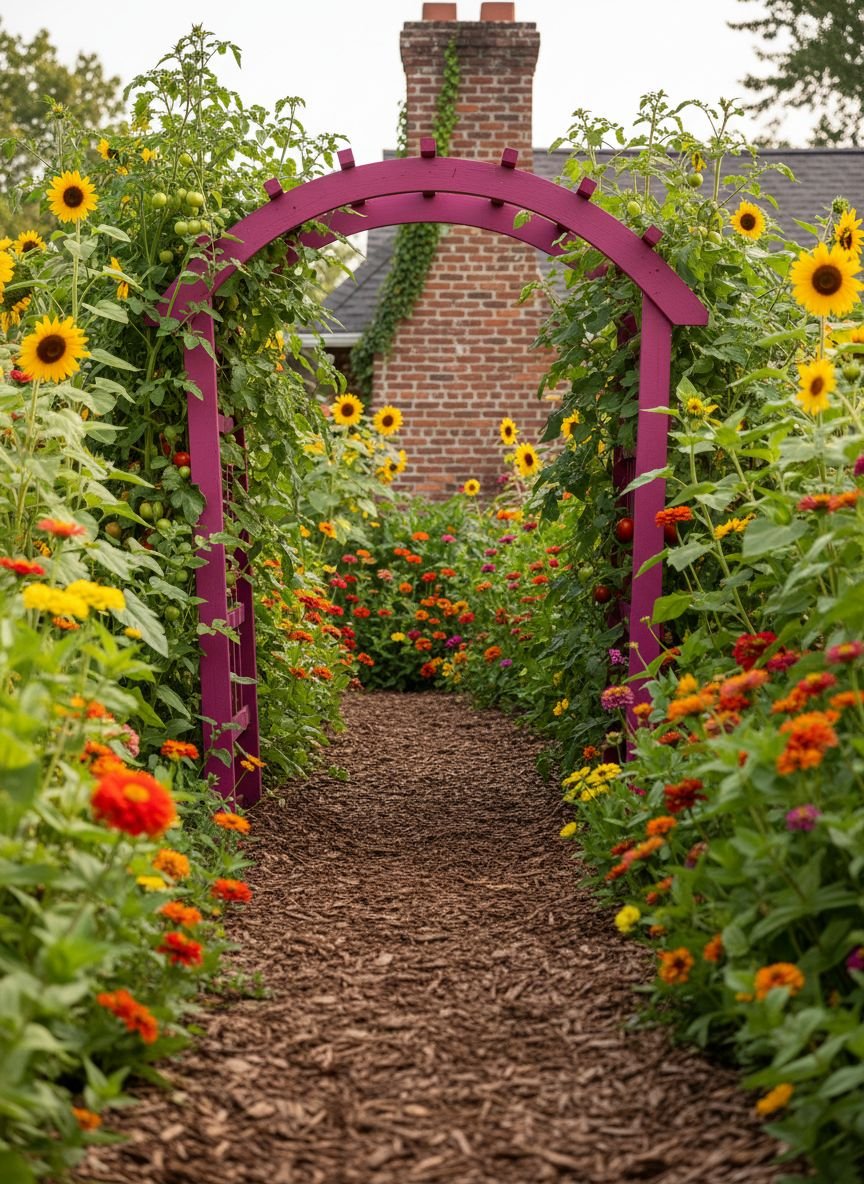
Neutral tones like beige, grey, and wood are safe, but they can make a small backyard feel flat and uninspired. Introducing a deliberate pop of color creates visual depth and guides the viewer’s eye across the landscape. Whether it is a vibrant teal accent wall, bright yellow bistro chairs, or a collection of cobalt blue planters, color establishes a hierarchy in the design. It breaks up the “green blur” of a lawn and fence, adding personality and energy to the space.
You do not need to repaint the entire house to achieve this. Focus on accessories and small structures. Spray paint is your best friend here; a $5 can of paint can transform rusted metal furniture or faded plastic pots into designer-look pieces. For a more temporary solution, use outdoor textiles like rugs and cushions. These allow you to change the color scheme seasonally without any labor-intensive work.
- Pro Tip: Follow the “60-30-10” rule. Keep 60% of the space neutral (wood/stone), 30% green (plants), and use your pop of color for the remaining 10% to create a balanced, professional look.
Install Hanging Planters
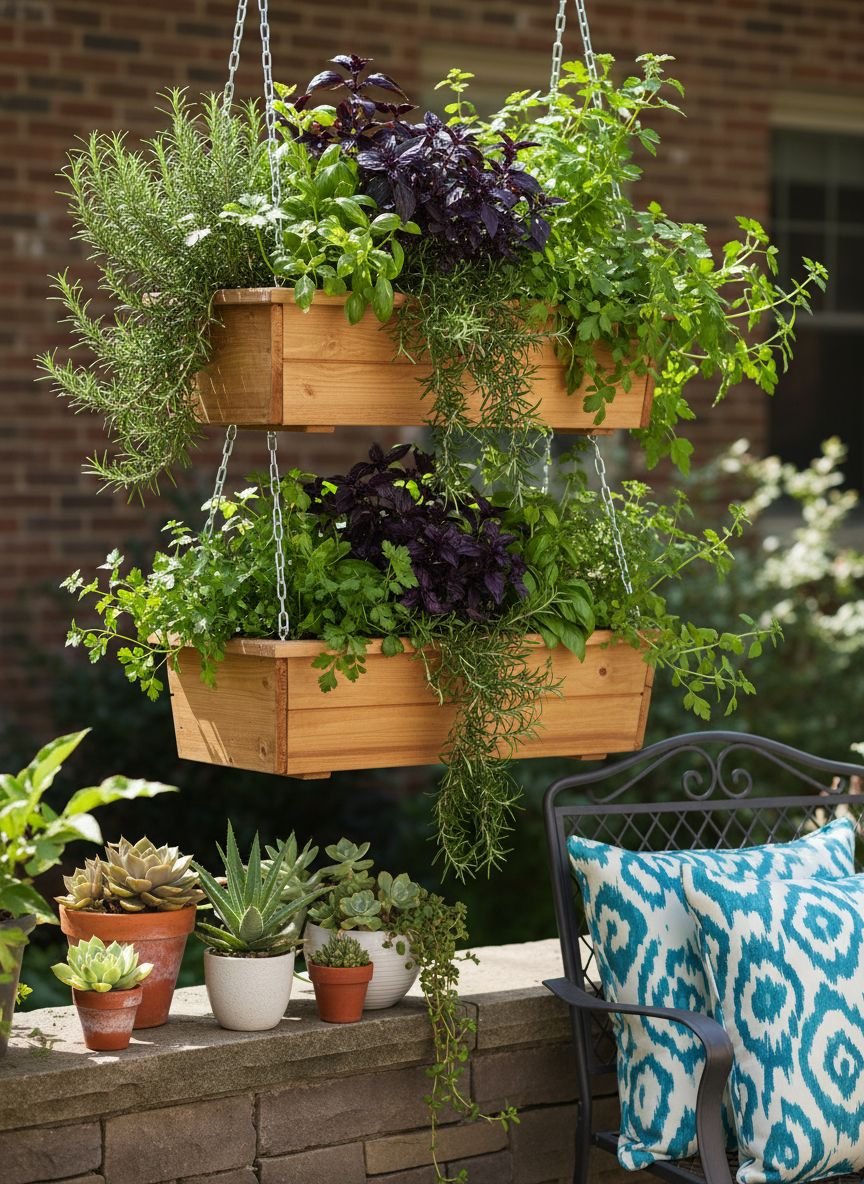
Hanging planters are the ultimate solution for small footprints because they add greenery without occupying a single square inch of floor space. They introduce a “ceiling” of foliage that creates a sense of enclosure and intimacy, mimicking the feeling of a tree canopy. Visually, the trailing vines of plants like Pothos, Ferns, or Ivy soften the hard lines of pergolas, eaves, and fences, adding organic softness to rigid architectural structures.
For a budget-friendly approach, avoid expensive ceramic hanging pots. Instead, use macramé hangers which can be made from cheap cotton cord, holding simple terracotta or even recycled plastic bowls. You can hang these from tree branches, shepherd’s hooks, or bracket mounts on a fence. Grouping them at varying heights creates a “living chandelier” effect that is stunning and highly photogenic.
- Pro Tip: Use “self-watering” inserts or water-retaining crystals in the soil. Hanging plants dry out faster due to wind exposure, and this small investment keeps them lush with less maintenance.
Transform a Garden Shed
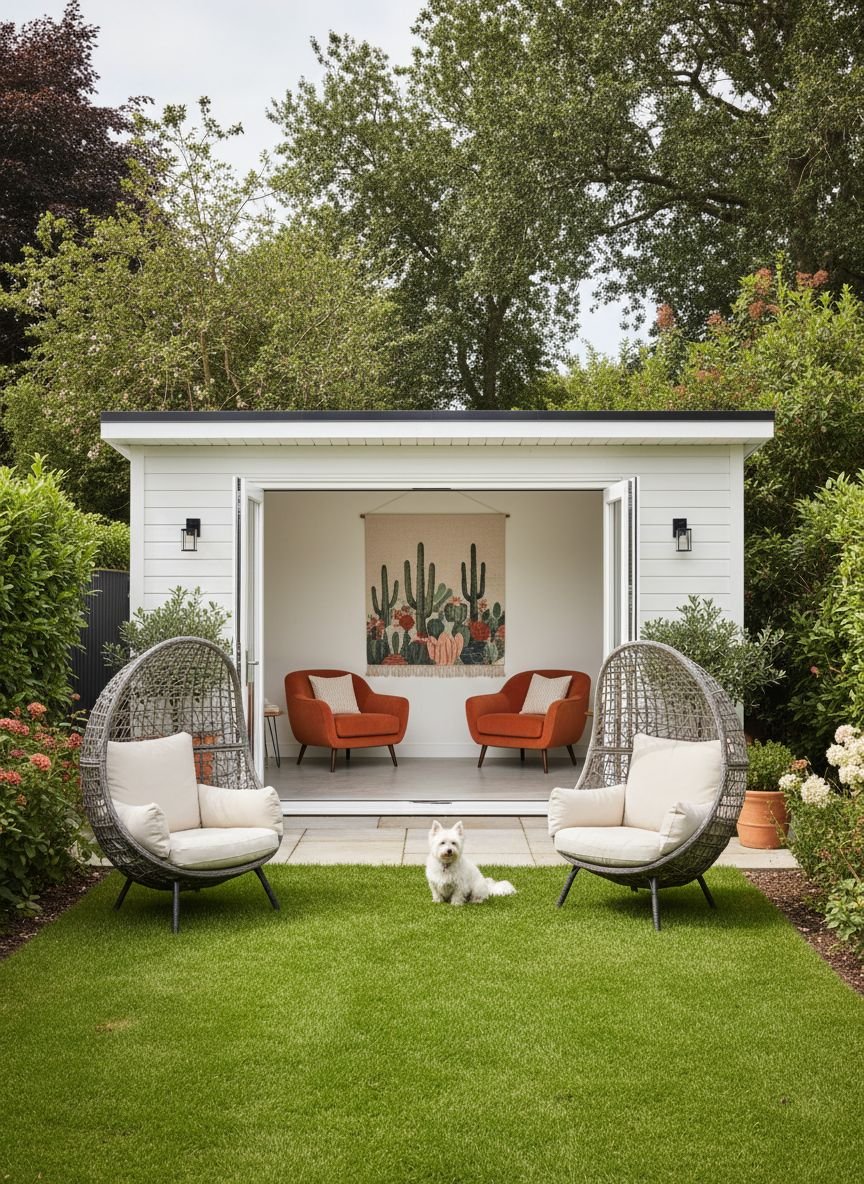
A garden shed is often a neglected, cobweb-filled eyesore, but it holds massive potential as a design feature. By treating the shed like a miniature house, you add architectural interest to the backyard. A cute, well-styled shed acts as a “destination” in the yard, drawing people out of the main house and into the garden. The contrast between a rustic structure and refined landscaping creates a charming “cottagecore” vibe that is timeless and welcoming.
Transformation does not require structural changes. Start by painting the door a bold, welcoming color like sage green or barn red. Add window boxes with bright flowers to frame the structure. If the siding is rough, a simple whitewash can hide imperfections and unify the look. You can even attach a trellis to one side to let climbing roses or jasmine grow, effectively blending the structure into the garden.
- Pro Tip: Hang a vintage mirror on the exterior wall of the shed. It reflects the garden, making the space feel larger, and adds a whimsical, secret-garden touch.
Comparison: Gravel vs. Mulch vs. Pavers
| Feature | Pea Gravel | Wood Mulch | Concrete Pavers |
|---|---|---|---|
| Cost | Low ($) | Very Low ($) | Medium ($$) |
| Installation | DIY Friendly (Pour & Rake) | Easiest (Spread by hand) | Moderate (Requires leveling) |
| Durability | High (Lasts forever) | Low (Needs annual top-up) | High (Lasts decades) |
| Best For | Fire pits, walkways, patios | Garden beds, play areas | Dining areas, heavy furniture |
| Drainage | Excellent | Good | Poor (unless permeable) |
Decorate for the Seasons
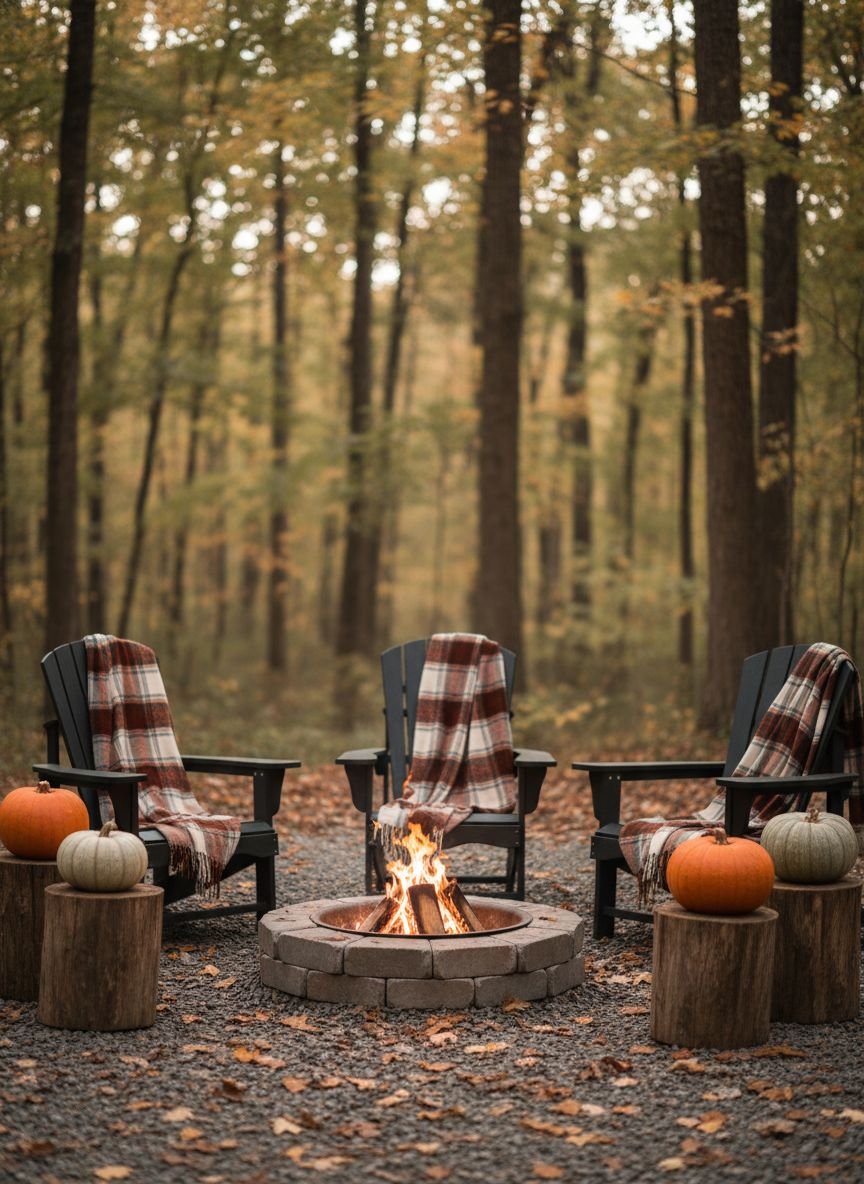
Seasonal decor keeps your outdoor space feeling fresh and relevant throughout the year, preventing “design fatigue.” It allows you to experiment with trends without a permanent commitment. Visually, aligning your decor with nature’s cycle—pumpkins and mums in autumn, tulips and pastels in spring—creates a harmonious connection between your home and the environment. This practice turns your backyard into a living, breathing extension of the seasons.
The key to doing this cheaply is foraging and using natural materials. In the fall, use dried corn stalks, pinecones, and branches gathered from nearby woods. In the spring, cut fresh flowers from your own garden. Swap out cushion covers rather than buying new pillows, and use inexpensive throws to transition summer furniture into cozy winter seating. Lighting also plays a huge role; warm white lights for winter and cool, bright lanterns for summer evenings change the mood instantly.
- Pro Tip: Invest in a few high-quality “base” lanterns. You can fill them with candles in summer, ornaments in winter, and moss/eggs in spring, making them a versatile year-round staple.
Create DIY Planters
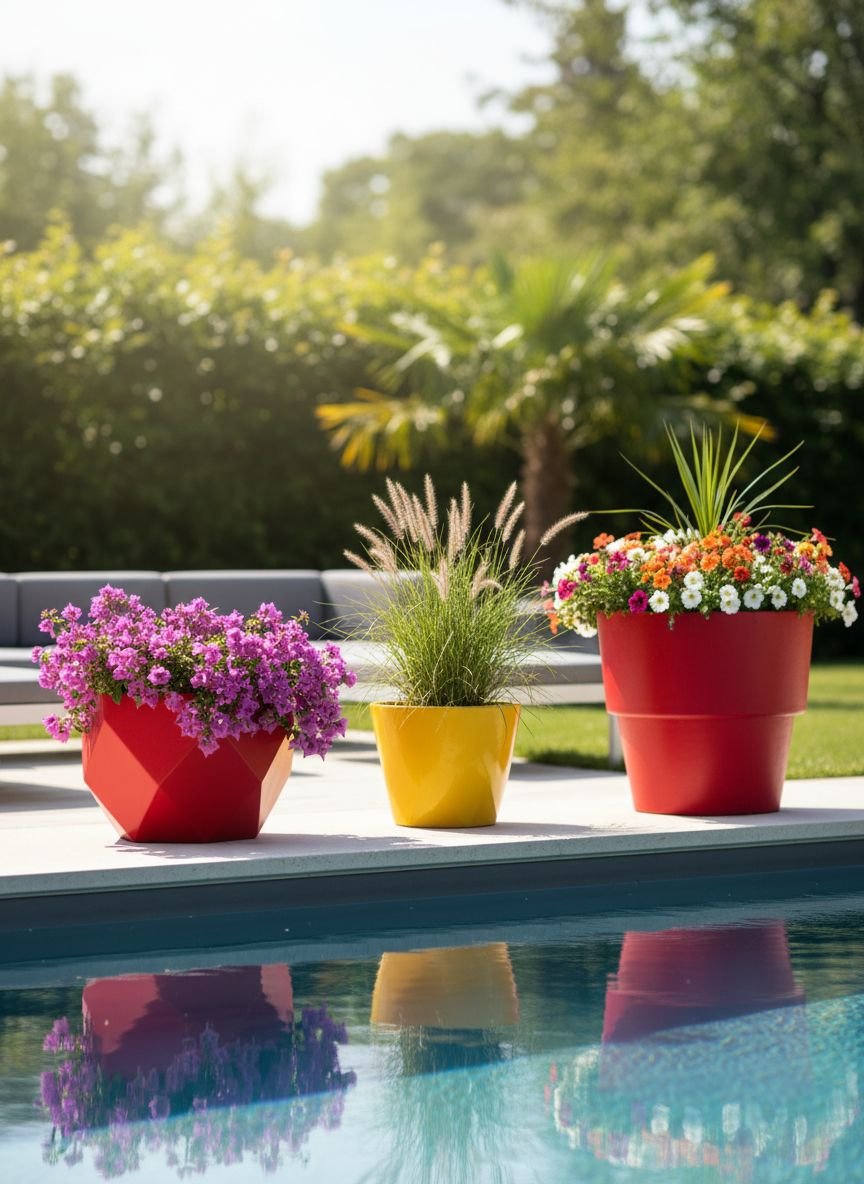
Custom planters allow you to control the scale and geometry of your garden design. Large, commercial planters can cost hundreds of dollars, but DIY versions give you that same high-end, structural look for pennies. Visually, large planters anchor a space better than small pots, which can look cluttered. They can be used to define borders, create privacy screens, or flank a doorway for a grand entrance.
Concrete is an excellent material for budget DIY planters. Using a simple mold made from two cardboard boxes of different sizes, you can pour your own modern, minimalist planters. Alternatively, wood scraps or cedar fence pickets can be assembled into square or rectangular troughs. These wooden planters can be stained to match your deck or painted to contrast with the greenery.
- Pro Tip: Line wooden planters with heavy-duty plastic sheeting (poke holes for drainage) to prevent rot and extend the life of the wood by several years.
Make it Cozy
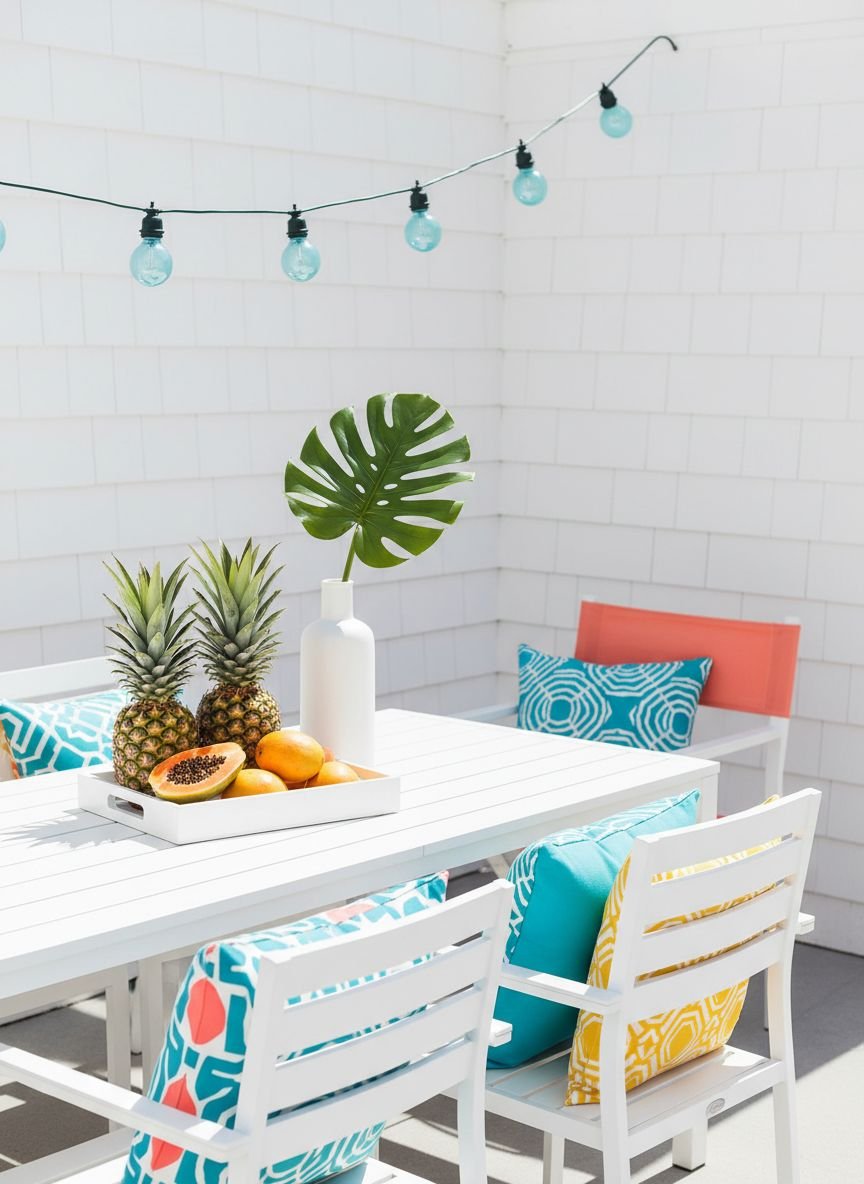
“Coziness” or hygge is achieved through texture, lighting, and enclosure. An outdoor space feels cozy when it feels safe and embraced. Visually, this means softening hard edges with textiles and creating a sense of warmth. A sterile concrete patio becomes a cozy retreat with the addition of an outdoor rug, a few plush throw blankets, and soft, diffused lighting. The goal is to replicate the comfort of your living room under the open sky.
To achieve this on a budget, focus on “softscaping.” An outdoor rug covers ugly pavement and defines the seating area. Drapery made from drop cloths (canvas) can be hung from a pergola or porch overhang to create privacy and softness. Solar-powered lanterns placed on the ground create a warm, low-level glow that feels intimate and inviting compared to harsh overhead floodlights.
- Save this idea to your Pinterest.
- Pro Tip: Layer your lighting. Use a combination of string lights (overhead), lanterns (tabletop), and path lights (ground) to create a warm, multi-dimensional glow that eliminates harsh shadows.
Install a DIY Fire Pit
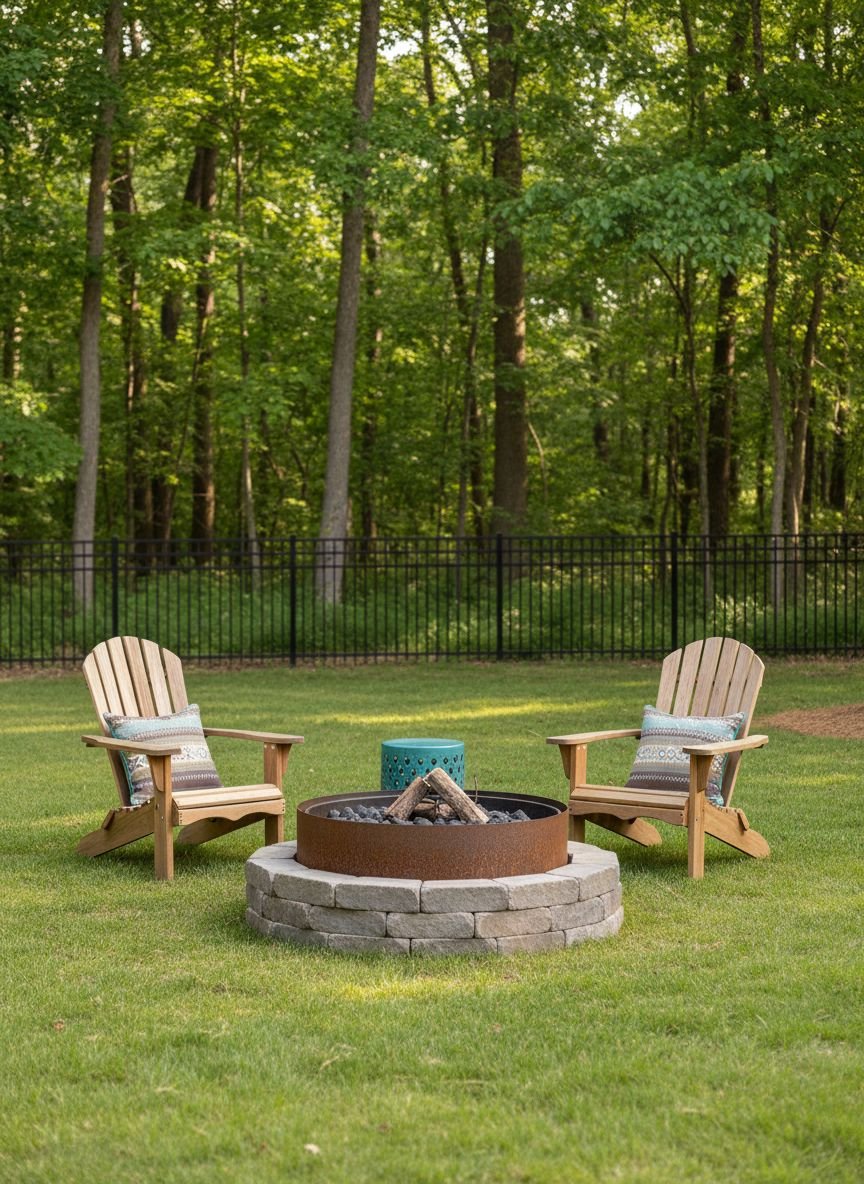
A fire pit is the ultimate gathering spot, extending the usability of your backyard into the cooler months and late evenings. It acts as a primitive, magnetic focal point that people naturally circle around. The dancing flames provide dynamic light and movement, while the heat adds a sensory layer of comfort. From a design standpoint, a circular fire pit breaks up the rectilinear lines of most backyards, adding organic geometry to the layout.
You can build a professional-looking fire pit for under $100 using retaining wall blocks and gravel. Dig a shallow circular trench, fill it with a base of gravel for drainage, and stack the blocks in a circle (using construction adhesive for stability if desired). Avoid using river rocks that can explode under heat; stick to fire-rated bricks or concrete pavers. This simple weekend project adds immense value and functionality to your home.
- Pro Tip: Place your fire pit on a bed of gravel or sand that extends 2-3 feet beyond the pit itself. This acts as a safety spark arrestor and creates a defined “zone” for the chairs.
Plant Inexpensive Perennials
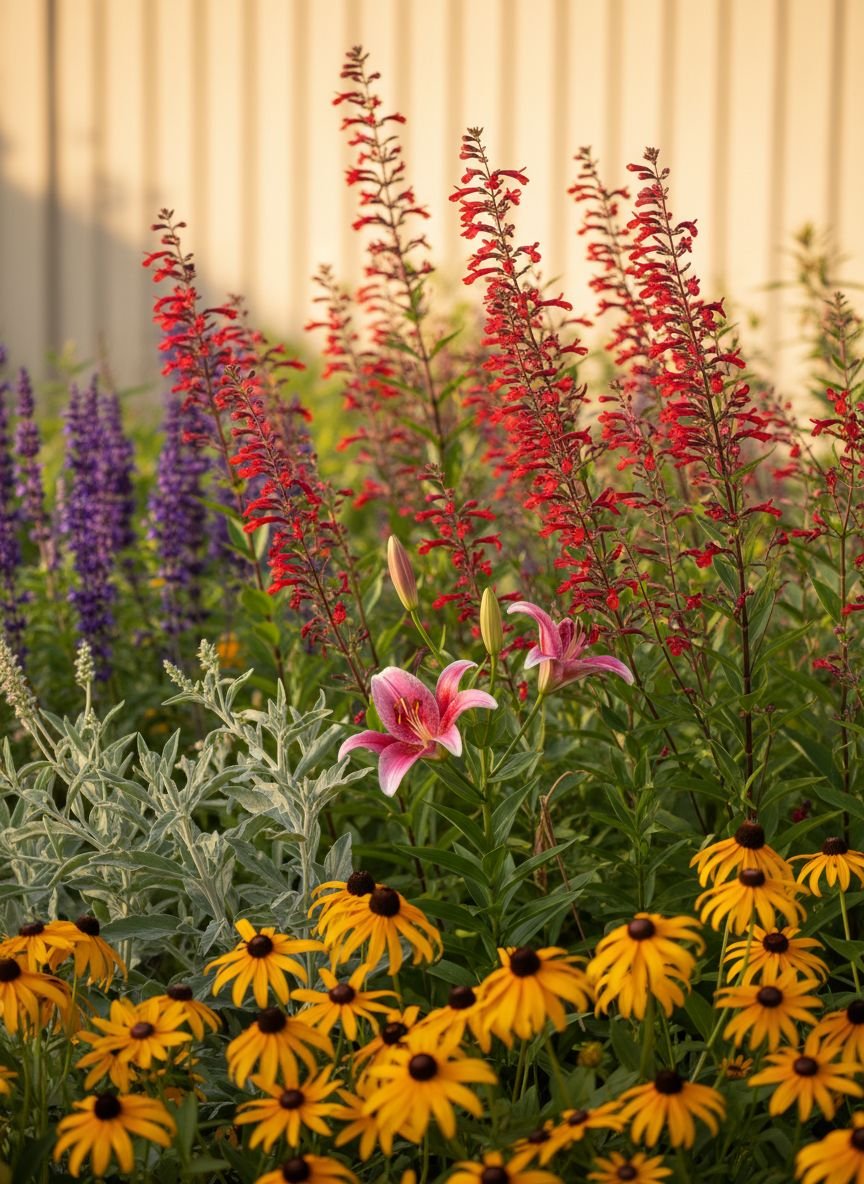
Perennials are the investment pieces of the gardening world. Unlike annuals, which die after one season, perennials return year after year, often bigger and more beautiful. This makes them the most cost-effective planting strategy over time. Visually, perennials like Hostas, Coneflowers, and Daylilies offer a variety of leaf textures and bloom shapes that create a rich, layered garden bed. They provide a sense of maturity and permanence that annuals cannot replicate.
To save money, buy perennials at the end of the season when they are on clearance. They may look wilted, but as long as the roots are healthy, they will bounce back next spring. Another strategy is to buy smaller “quart” size plants rather than large gallons; they are cheaper and will catch up in size within a year or two. Also, look for plants that can be divided. Hostas, for example, can be split every few years, giving you free plants to fill other areas of your yard.
- Pro Tip: Choose native perennials for your specific region. They require less water, no fertilizer, and are resistant to local pests, saving you money on maintenance resources.
Related posts :
- 12 Inspiring Navy Blue Patio Decor Ideas That Create A Serene Outdoor Oasis
- 17 Inspiring Permaculture Garden Design Ideas That Transform Your Backyard Into An Edible Paradise
- 14 Stunning Covered Outdoor Kitchen with Fireplace Ideas That Transform Your Backyard Into A Year-Round Oasis
Invest Smartly
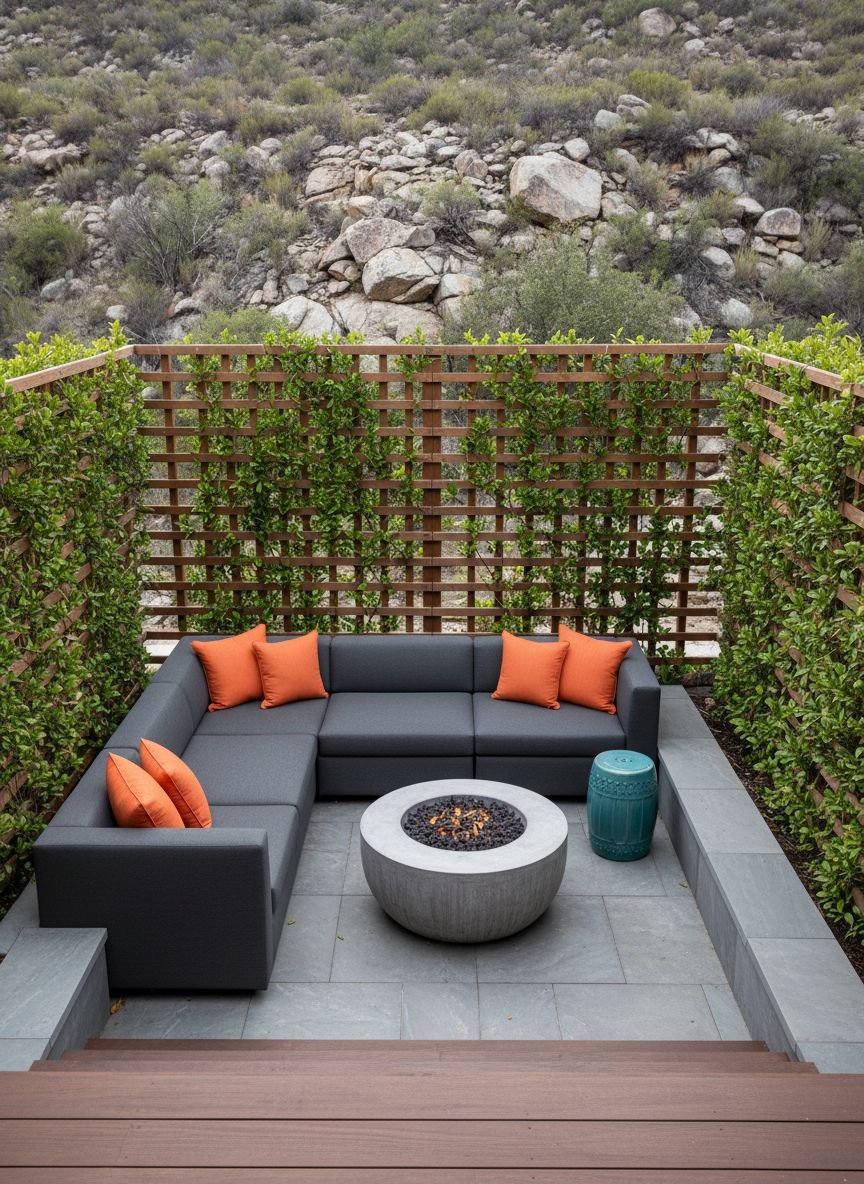
Smart investing in a backyard means spending money on items that offer durability and high visual impact while saving on things that are easily swappable. It is about the “high-low” mix. Spend your budget on a high-quality, weather-resistant dining table or a good grill, as these are workhorses. Save money on side tables, throw pillows, and decorative pots, which can be found at thrift stores or discount shops.
Another smart investment is in “hardscaping” basics like edging. Installing simple plastic or metal edging between your lawn and garden beds creates a crisp, clean line that makes the whole yard look professionally maintained. It is a cheap material that delivers a high-end visual payoff. Also, invest in soil health; buying compost might not be glamorous, but it ensures your cheap plants thrive and fill in the space quickly, saving you from buying replacements.
- Pro Tip: When buying furniture, choose materials like poly-lumber or powder-coated aluminum. They cost a little more upfront than cheap plastic or wicker but will last 10 years instead of two, saving you money in the long run.
Grow a Living Fence
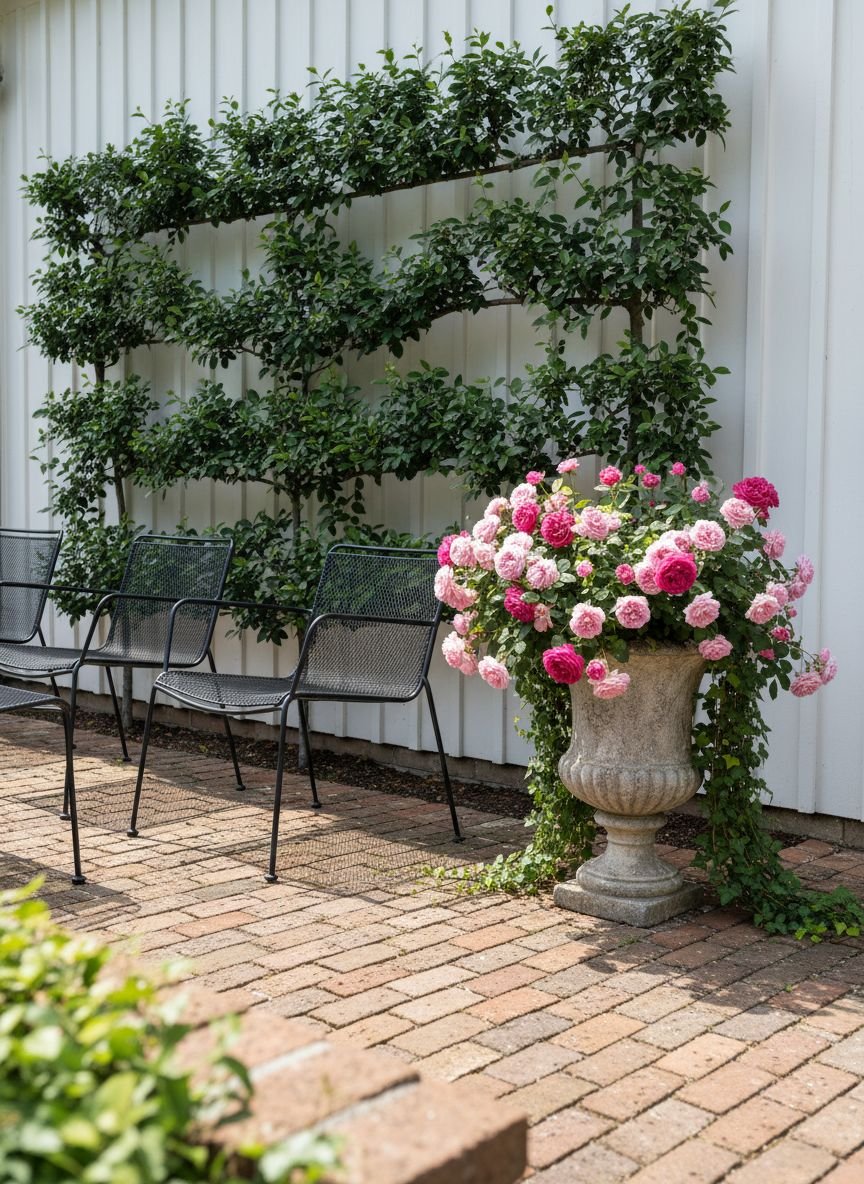
A living fence is a barrier made of plants rather than wood or vinyl. It is softer, cooler, and far more beautiful than a traditional fence. Visually, a wall of green creates a secluded, secret-garden feel that blocks noise and pollution better than a thin wooden slat. It adds oxygen, biodiversity, and vertical interest to the yard. While a wooden fence can cost thousands, a living fence costs only the price of the saplings and patience.
Fast-growing shrubs like Privet, Arborvitae, or Bamboo (planted in containers to prevent spreading) are excellent choices. For a very low-budget option, install a simple wire mesh or chain-link fence and plant climbing vines like Ivy, Clematis, or Honeysuckle at the base. Within a season or two, the metal will be completely hidden by a lush wall of foliage. This approach blends security with aesthetics perfectly.
- Pro Tip: If using bamboo, choose “clumping” varieties rather than “running” varieties. Running bamboo is invasive and can destroy your yard (and your neighbor’s), while clumping bamboo stays contained and elegant.
Revive Old Furniture
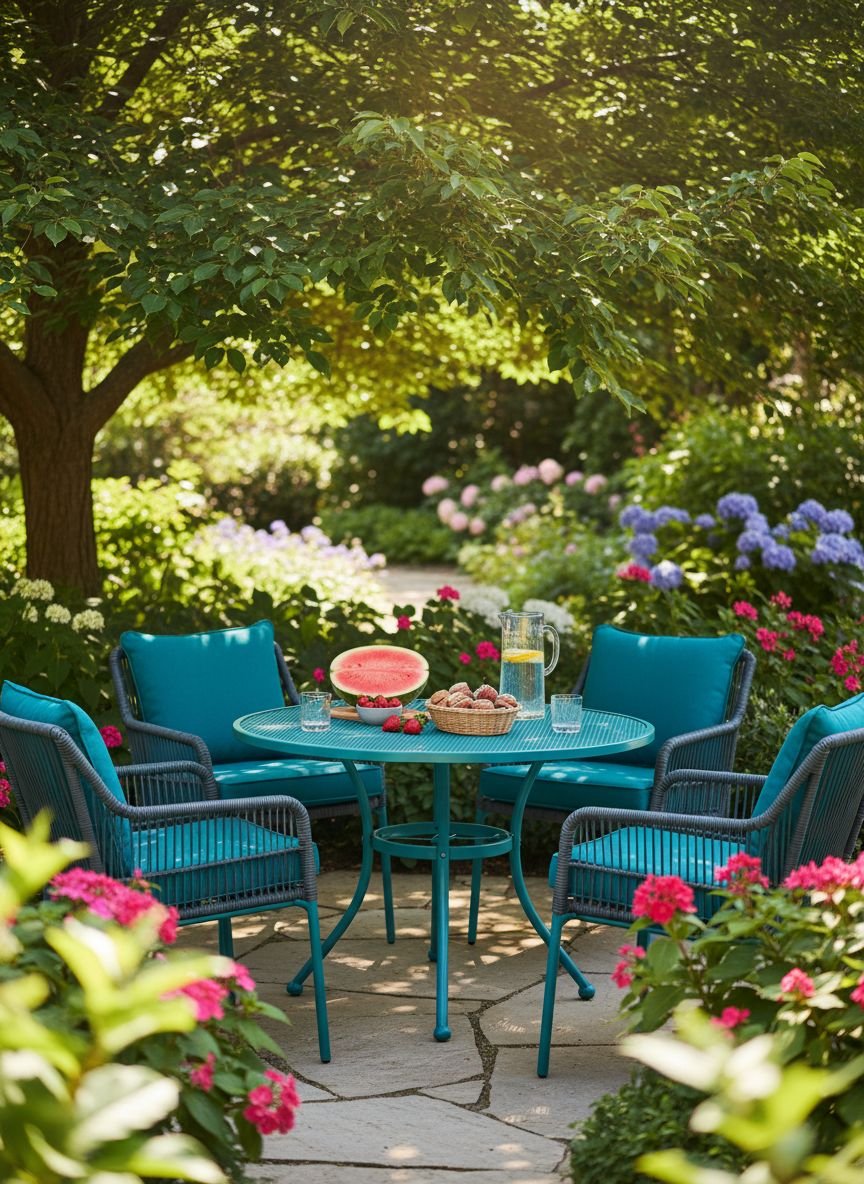
Before you drag that rusted patio set to the curb, consider the power of restoration. Reviving old furniture is the most eco-friendly and budget-conscious way to furnish your backyard. Older furniture, especially wrought iron or solid wood pieces from the 80s and 90s, is often constructed better than modern budget furniture. Visually, vintage pieces add character and a story to your space that brand-new “big box” store sets lack.
For metal furniture, a wire brush and a can of rust-oleum spray paint can work miracles. Matte black or oil-rubbed bronze finishes hide imperfections well. For wood furniture, a good sanding and a fresh coat of outdoor stain or teak oil can bring out the natural grain and protect it from rot. If the webbing or seat of a chair is broken, consider replacing it with macramé cord or wooden slats for a custom, high-end look.
- Pro Tip: If you are painting plastic furniture, use a paint specifically designed for plastic bonding. Standard spray paint will flake off within weeks, but the right product will last for several seasons.
Save Space with Two-in-one Furniture
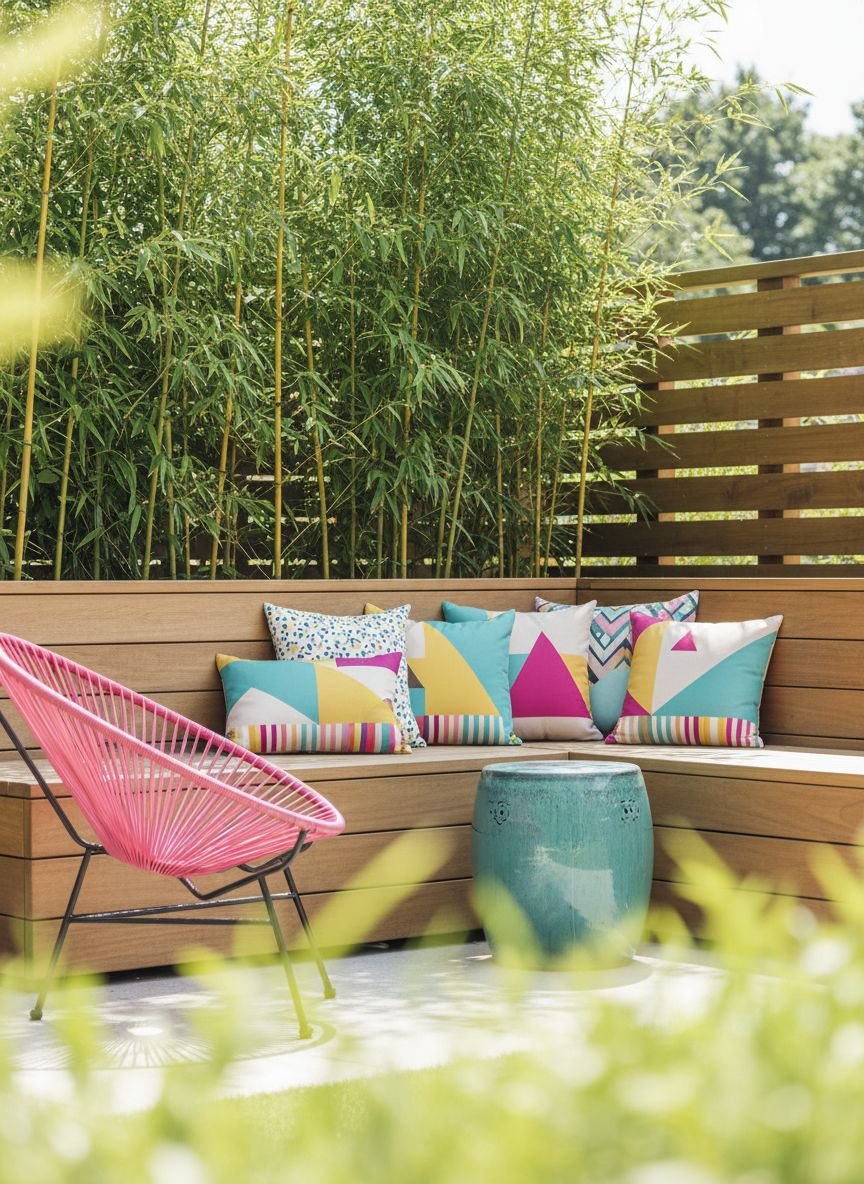
In small backyards, every square foot is real estate gold. Multi-functional furniture maximizes utility without cluttering the visual field. A bench that opens up to reveal storage for cushions, a coffee table that lifts to become a dining table, or stools that can double as side tables are all brilliant space-savers. This approach keeps the deck clear and open, maintaining a “minimalist” aesthetic even if you have a lot of gear.
You can build simple storage benches using plywood and 2x4s. Another great idea is a “murphy bar” attached to a fence or wall; it folds down to serve as a table for drinks or potting and folds flat against the wall when not in use. This type of dynamic furniture allows your backyard to transition from a yoga studio in the morning to a dining room in the evening effortlessly.
- Pro Tip: Look for “nesting” tables. They provide multiple surfaces for guests’ drinks when you are entertaining but stack neatly into one footprint when you are not, keeping the flow of traffic open.
Popular Asked Questions
How can I make my backyard look nice with no money?
The best way to upgrade a backyard for free is to focus on cleaning and edging. deeply prune overgrown bushes, weed every garden bed, and use a shovel to cut a sharp, crisp edge where the lawn meets the dirt. This creates a manicured look that professionals charge hundreds for. Additionally, you can split existing perennials to fill empty spots and move indoor furniture outside temporarily for gatherings.
What is the cheapest way to landscape a backyard?
Mulch and gravel are the cheapest landscaping materials. Replacing a struggling lawn with a large area of pea gravel or wood chips eliminates watering costs and looks chic. You can often get wood chips for free from local arborists who need to dump their truckloads. Gravel is inexpensive and provides excellent drainage for patios and walkways.
How do I build a backyard on a budget?
Start with a master plan but execute it in phases. Do the labor yourself (DIY) to save 50-60% of the cost. Focus on high-impact, low-cost items first: paint the fence, install string lights, and build a simple fire pit. Buy plants small or from seed rather than large mature potted plants. Use reclaimed materials like pallets or used bricks found on online marketplaces.
What are some low maintenance cheap backyard ideas?
Xeriscaping (drought-tolerant landscaping) is the ultimate low-maintenance, low-cost solution. Use native plants, ornamental grasses, and succulents that do not need daily watering. Replace grass with gravel or clover, which requires no mowing. Install automatic solar lights so you never have to worry about wiring or timers.
Conclusion
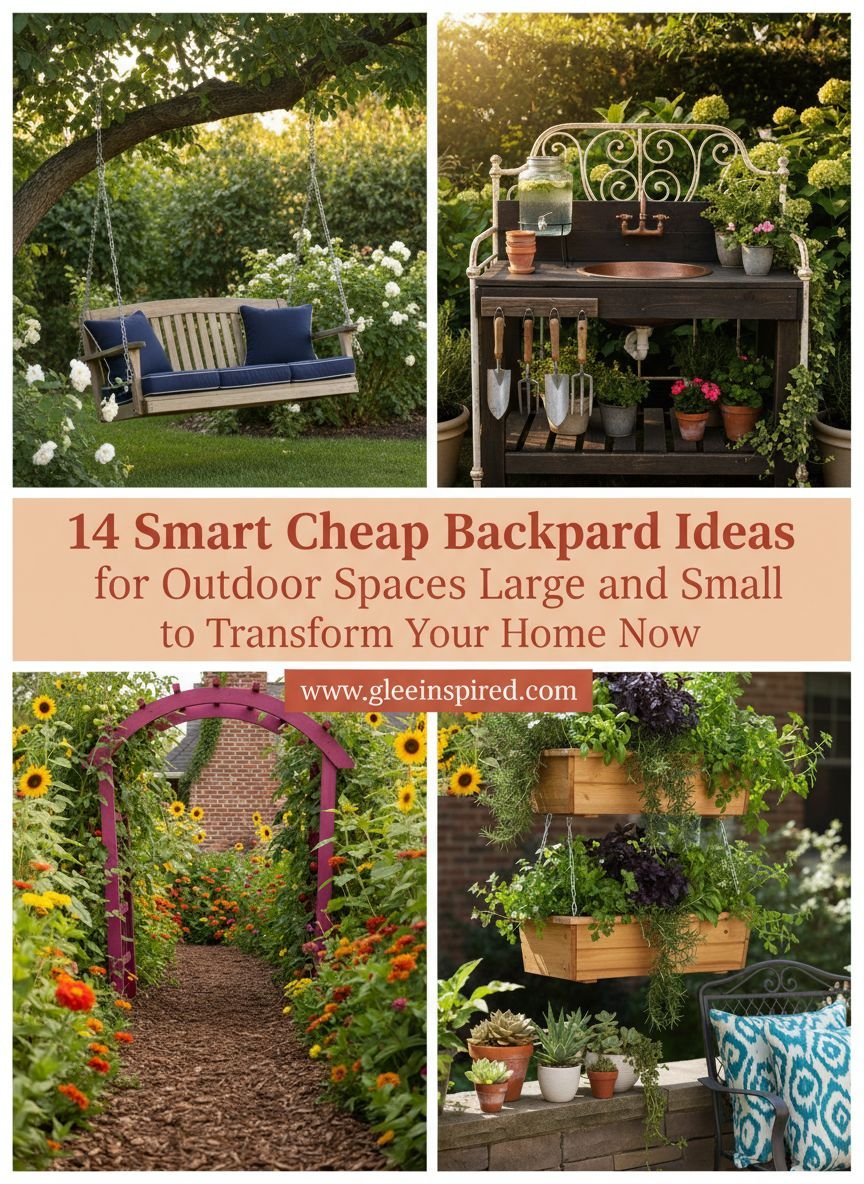
Transforming your outdoor space does not require a lottery win; it requires creativity, patience, and a willingness to get your hands dirty. By implementing these 14 cheap backyard ideas, you can create a sanctuary that feels expensive, functions perfectly, and invites you to spend more time in nature. Whether you choose to install a simple porch swing or grow a lush living fence, the value you add to your home—and your quality of life—will be immense.



Leave a Comment