
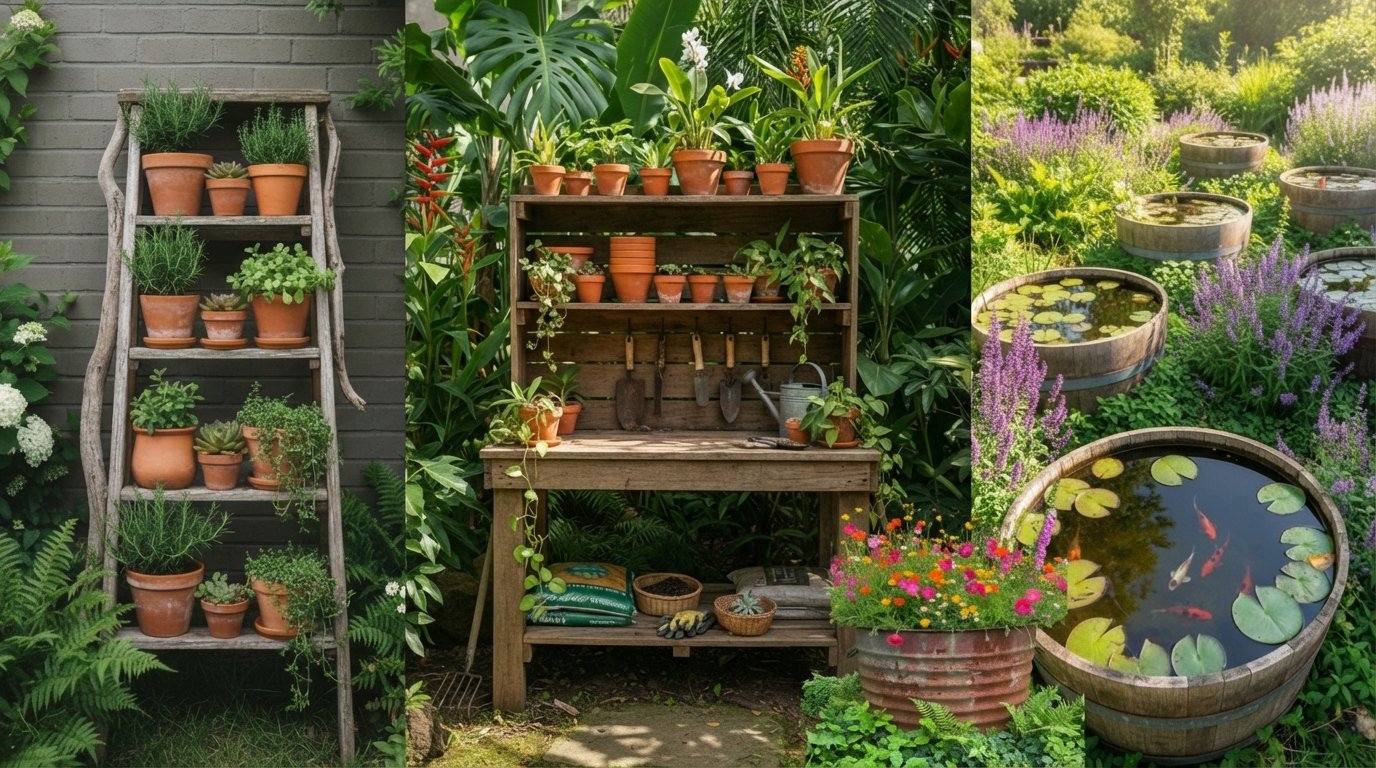
The trend of “micro-gardening” has exploded in 2026, with searches for “tiny backyard landscaping” up over 300% this quarter alone. You don’t need a sprawling estate to create a lush, restorative sanctuary; you just need to outsmart your square footage. Whether you are working with a narrow side yard, a petite balcony, or a compact urban patio, the secret lies in verticality and optical illusions. This guide explores innovative small garden ideas to maximize your green space, turning neglected corners into high-value botanical retreats. We are moving beyond basic potted plants and into architectural living walls, multi-functional furniture, and layout hacks that visually double your area.
Key Takeaways
- Verticality is Key: Utilizing walls and fences draws the eye upward, creating the illusion of height and freeing up valuable floor space.
- Multi-Functional Design: Every element, from seating to storage, should serve a dual purpose to maximize efficiency in tight quarters.
- Cohesive Color Palettes: Sticking to a monochromatic or limited color scheme prevents visual clutter and makes small spaces feel expansive.
- Texture Over Clutter: varied foliage textures (ferns vs. succulents) create depth without the chaotic feel of too many decor items.
Table of Contents
- Vertical Gardens
- Container Gardens
- Mini Herb and Vegetable Gardens
- Small Garden With Succulents
- Small Garden With Water Features
- Hanging Garden
- Pallet Garden
- Small Garden With Reflective Mirror
- Layered Planting
- Miniature Rock Garden
- Balcony Garden
- Raised Garden Beds
- Wheelbarrow Flower Garden
- Side Yard Garden
- Gardening Stations
- Barrel Pond Garden
- Upcycled Ladder Garden
- Stock Tank Garden
- Popular Asked Questions
- Conclusion
Vertical Gardens
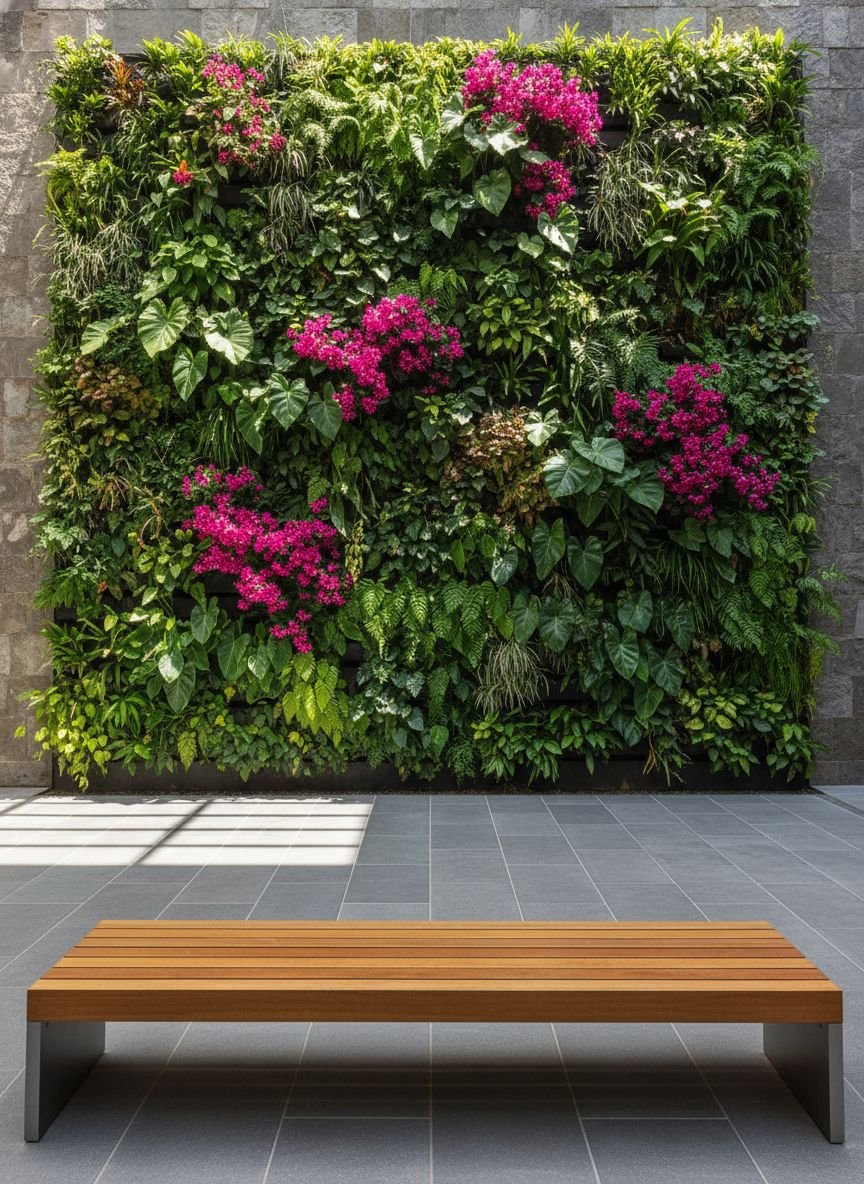
Vertical gardens are the gold standard for high-impact, low-footprint landscaping. By shifting your focus from the ground to the walls, you instantly expand your planting area without sacrificing floor space for furniture or foot traffic. The visual appeal here comes from the “living wall” effect, where lush greenery acts as a dynamic wallpaper, softening hard architectural lines and absorbing urban noise.
To implement this, consider modular pocket systems made of felt or recycled plastic that attach directly to fences or exterior walls. For a more rustic approach, a wooden trellis with climbing vines like Star Jasmine or Clematis adds scent and visual depth. The key design principle is repetition; planting in horizontal rows or diagonal drifts creates a sense of organized abundance rather than clutter.
Pro Tip: Install a drip irrigation system at the top of your vertical garden. Gravity will do the work, ensuring lower plants get watered without the mess of hand-watering high pockets.
Container Gardens
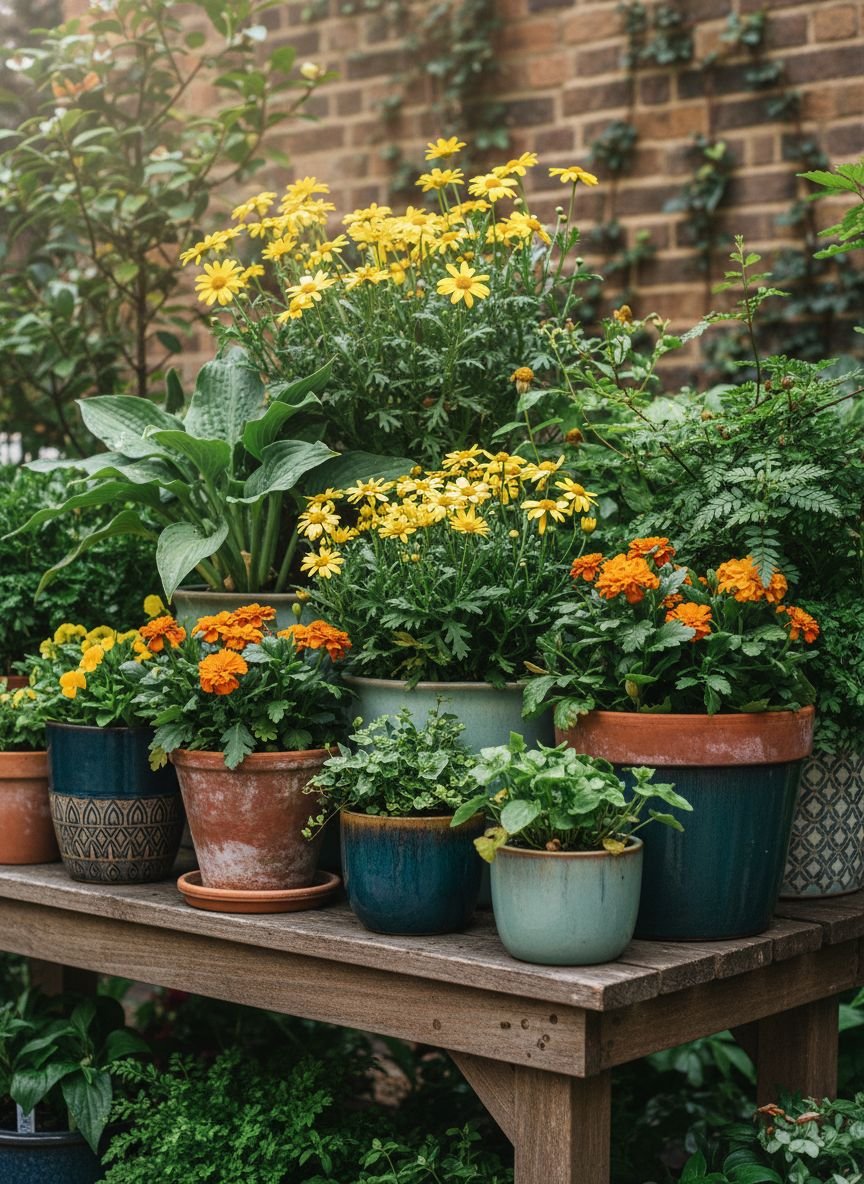
Container gardening in 2026 has moved away from mismatched pots to curated, architectural collections. The goal is to create a cohesive vignette that mimics a traditional border but with the flexibility of movable pots. Large, oversized containers are actually better for small spaces than many tiny ones; a few statement pieces create a calm, anchored look, whereas twenty small pots can feel chaotic and messy.
Choose containers with a unified finish—such as matte black ceramic, weathered terracotta, or galvanized steel—to maintain a clean aesthetic. Vary the heights of your plants to create a tiered canopy effect. Use the “Thriller, Filler, Spiller” formula: a tall architectural plant (Thriller), a mounded plant (Filler), and a trailing vine (Spiller) to soften the pot’s edge. This method ensures every inch of soil surface contributes to the visual lushness.
Pro Tip: Place pot feet or bricks under your containers to improve drainage and prevent staining on your patio or deck flooring.
Mini Herb and Vegetable Gardens
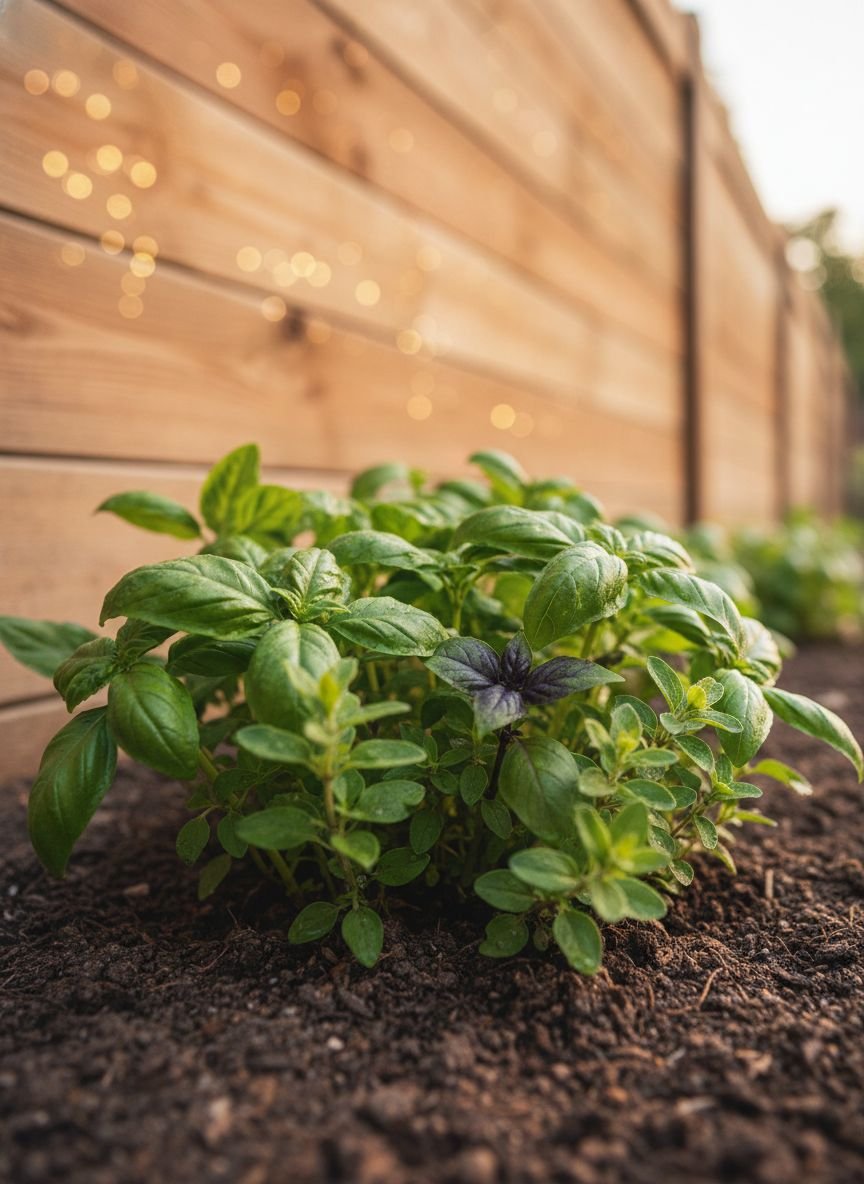
Edible landscaping is a top trend, merging utility with beauty. A mini herb and vegetable garden doesn’t require a dedicated plot; it can be integrated into your existing layout using high-density planting techniques. The visual charm of purple basil, bright red chard, and feathery dill rivals any ornamental flower, adding texture and rich color to your small garden.
Implementation involves selecting high-yield, compact varieties bred specifically for small spaces, often labeled as “patio” or “bush” varieties. A tiered plant stand or a vertical ladder shelf is perfect for hosting a collection of herbs near the kitchen door. Ensure your setup receives at least six hours of direct sunlight. Using uniform pots with clear, stylish labels elevates the look from a science project to a chic kitchen garden feature.
Pro Tip: Group herbs with similar water needs together. Woody herbs like rosemary and thyme prefer drier soil, while leafy herbs like basil and parsley need consistent moisture.
Small Garden With Succulents
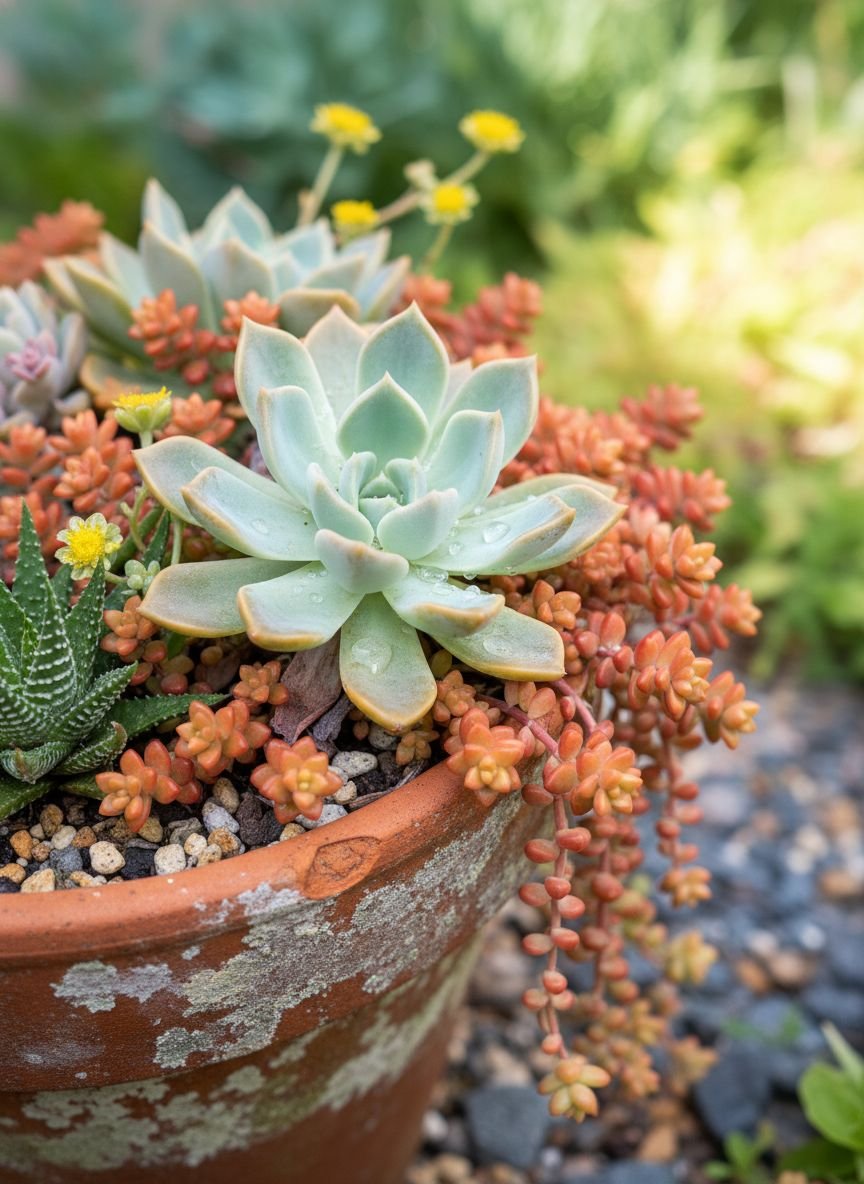
Succulents are the ultimate solution for modern, low-maintenance small gardens, particularly in arid climates or hot balconies. Their geometric shapes and vast array of colors—from dusty blue to deep burgundy—allow you to “paint” with plants. The texture contrast between the fleshy leaves and inorganic mulches like gravel or river stones creates a sophisticated, Zen-like atmosphere.
Design your succulent garden by focusing on drainage and soil composition. Use a gritty, fast-draining mix and consider raised planters or shallow bowls, as succulents have shallow root systems. Grouping odd numbers of plants (groups of three or five) creates a natural, balanced look. Because they grow slowly, you won’t need to constantly prune or repot, making this an ideal choice for busy urbanites.
Pro Tip: Top-dress your soil with light-colored decorative pebbles. This not only looks polished but also reflects light up onto the plants and keeps the leaves dry, preventing rot.
Small Garden With Water Features
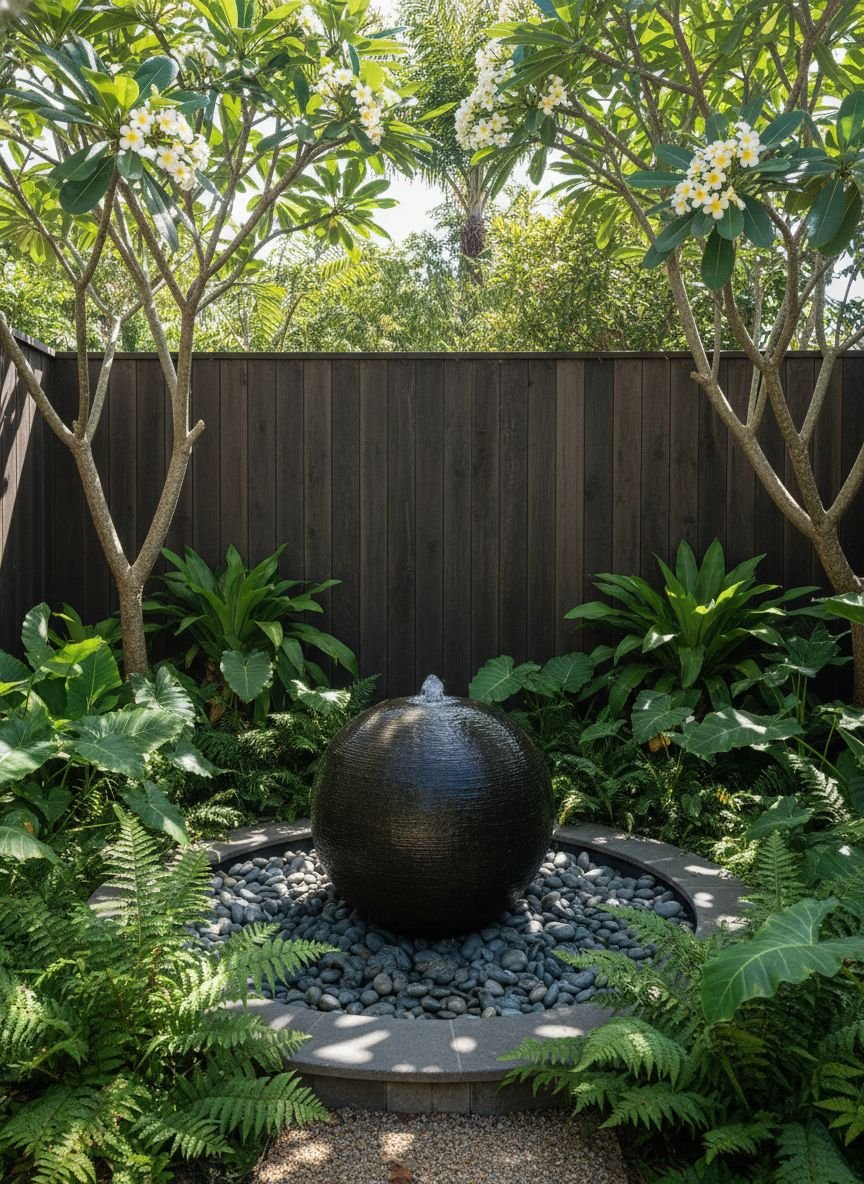
Introducing water into a small garden adds a sensory dimension that visually expands the space. The sound of trickling water masks traffic noise, creating a psychological barrier between your sanctuary and the outside world. Visually, the reflection on the water’s surface acts like a mirror on the ground, bouncing light and doubling the view of the sky and surrounding plants.
You don’t need a pond; a simple recirculating bubble fountain or a sealed ceramic pot with a spout works perfectly. Place the feature in a corner to draw the eye diagonally across the space, making the area feel larger. Keep the design simple and modern—a sleek stone sphere or a minimalist trough—to avoid overwhelming the small footprint.
Pro Tip: Add a few floating plants like water lettuce or duckweed to your water feature. They help shade the water, reducing algae growth and keeping the water clear.
Save this idea to your Pinterest.
Comparison: Vertical vs. Container Gardening
| Feature | Vertical Gardens | Container Gardens |
|---|---|---|
| Space Efficiency | High (Uses walls/fences) | Medium (Uses floor space) |
| Maintenance | High (Irrigation can be tricky) | Medium (Easy to access) |
| Cost | Medium to High (Structure needed) | Low to Medium (Pots vary) |
| Best For | Privacy, hiding ugly walls | Renters, flexible layouts |
Hanging Garden
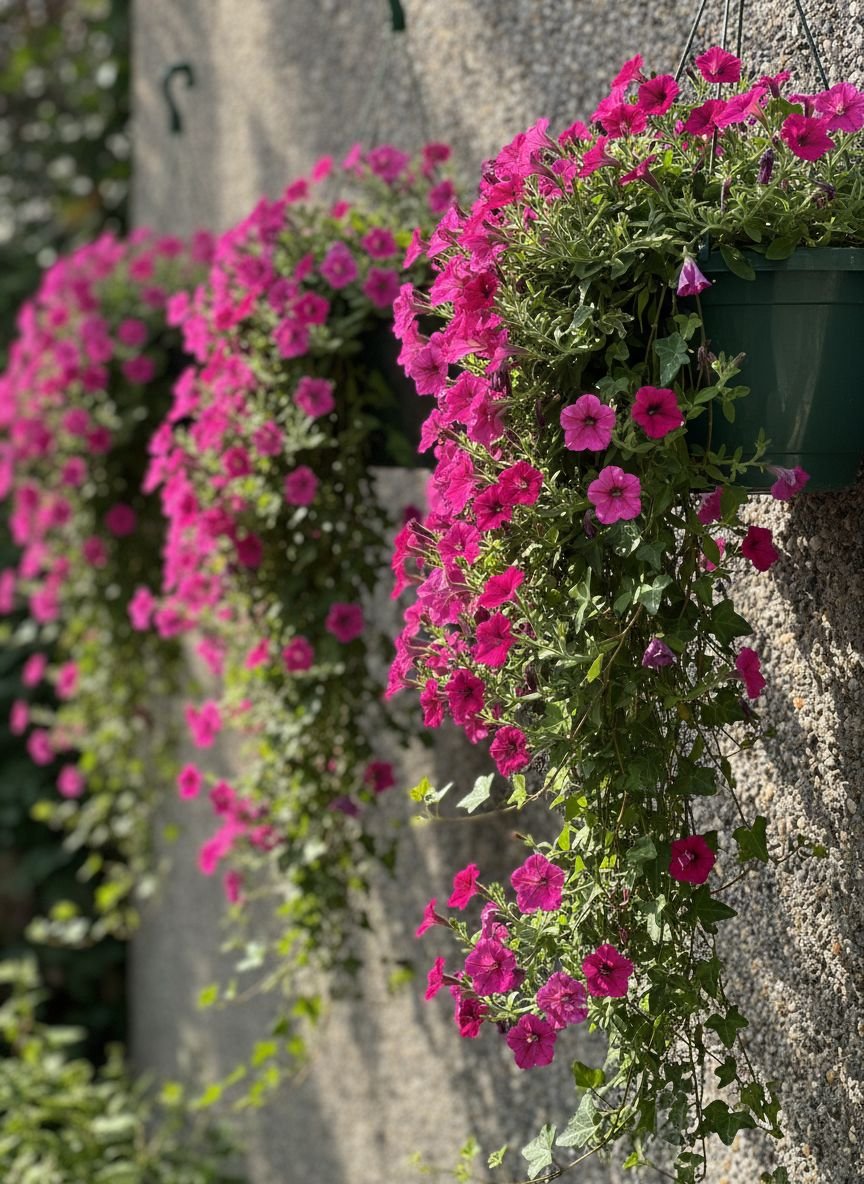
Hanging gardens utilize the “air space” above your head, which is often the most underutilized area in a small garden. By suspending plants from pergolas, balcony ceilings, or wall brackets, you create an immersive green canopy that feels like a secluded jungle. This approach draws the eye upward, emphasizing verticality and making low ceilings feel higher.
To execute this, use sturdy hooks and weather-resistant baskets. Trailing plants like Boston Ferns, String of Pearls, or Pothos (in shaded areas) create a dramatic curtain effect. Ensure your baskets are lined with coco coir or plastic to retain moisture, as wind exposure dries them out quickly. Stagger the heights of the baskets to create layers of depth rather than a flat ceiling of green.
Pro Tip: Use swivel hooks for your hanging baskets. This allows you to easily rotate the plants so they receive even sunlight on all sides without having to take them down.
Pallet Garden
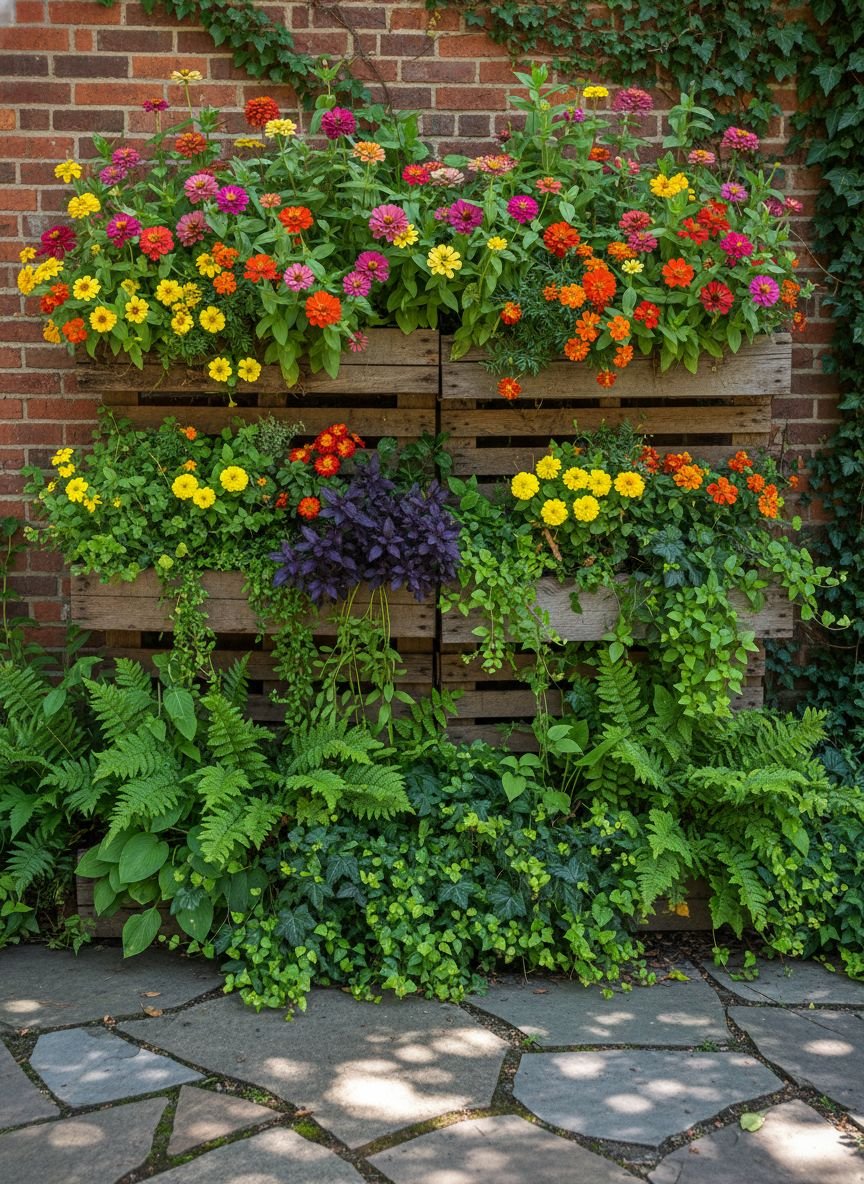
The pallet garden is a champion of budget-friendly, DIY innovation. It upcycles a standard shipping pallet into a structured vertical planter, perfect for leaning against a wall or mounting on a fence. The raw wood texture adds a rustic, farmhouse charm that contrasts beautifully with vibrant annuals or lush greens. It is an excellent way to compartmentalize plants in a tight vertical footprint.
To build one, sand down a heat-treated (HT) pallet to remove splinters and staple landscape fabric behind the slats to create planting pockets. Fill these pockets with high-quality potting soil. This structure is particularly good for shallow-rooted plants like strawberries, lettuce, or succulents. You can paint or stain the wood to match your outdoor furniture or leave it natural for a weathered look.
Pro Tip: “Season” your pallet before planting by applying a non-toxic wood sealer. This prevents the wood from rotting quickly due to constant contact with moist soil.
Small Garden With Reflective Mirror
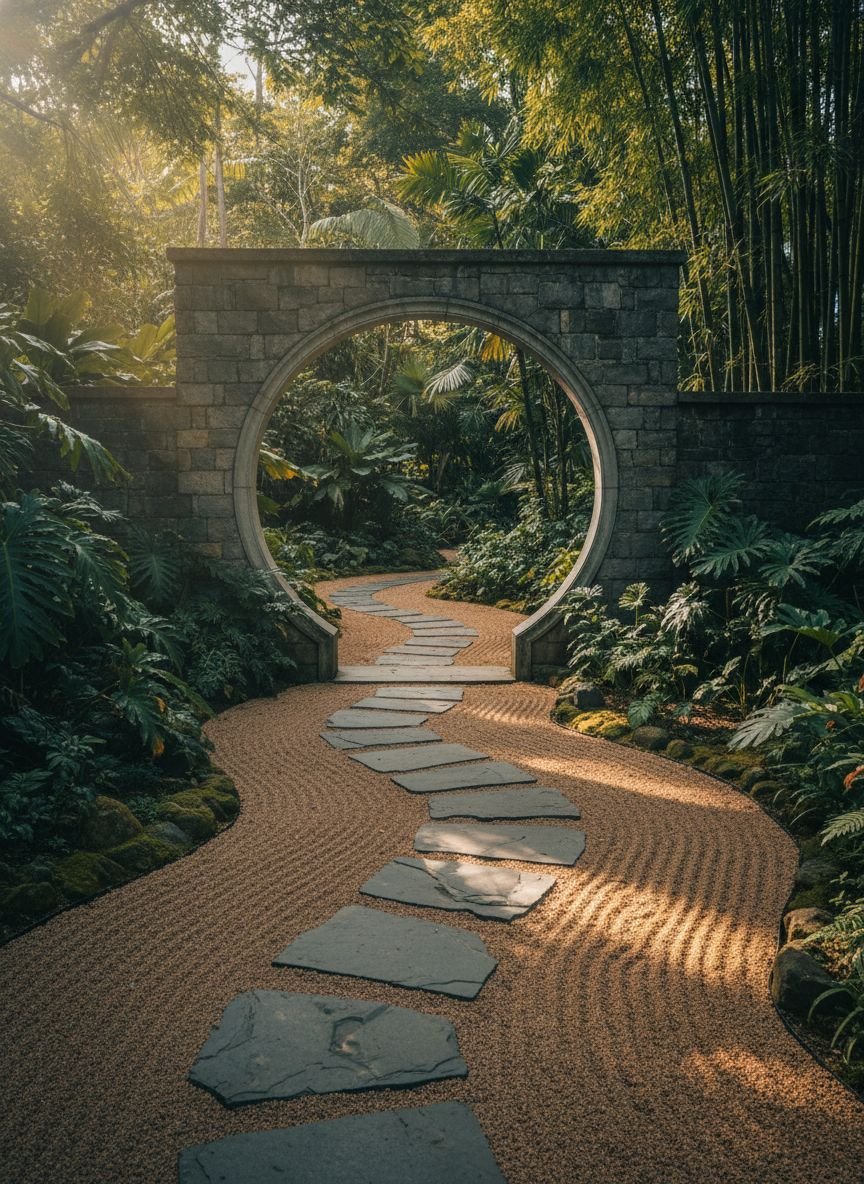
Using mirrors is the oldest trick in the interior design book, and it works just as powerfully outdoors. A strategically placed garden mirror creates a “portal” illusion, making it look like your garden continues through a doorway into another room. It doubles the light in shady corners and reflects greenery, instantly making a small space feel twice as big.
Position your mirror on a fence or wall where it will reflect a dense cluster of plants, not the back of your house or a trash can. Weather-proof acrylic mirrors are safer than glass and less prone to shattering. Soften the edges of the mirror with climbing vines or tall grasses to hide the frame and enhance the illusion of a secret passageway.
Pro Tip: Angle the mirror slightly downward. This prevents it from reflecting the sun directly into your eyes and stops birds from flying into it by reflecting the ground instead of the sky.
Layered Planting
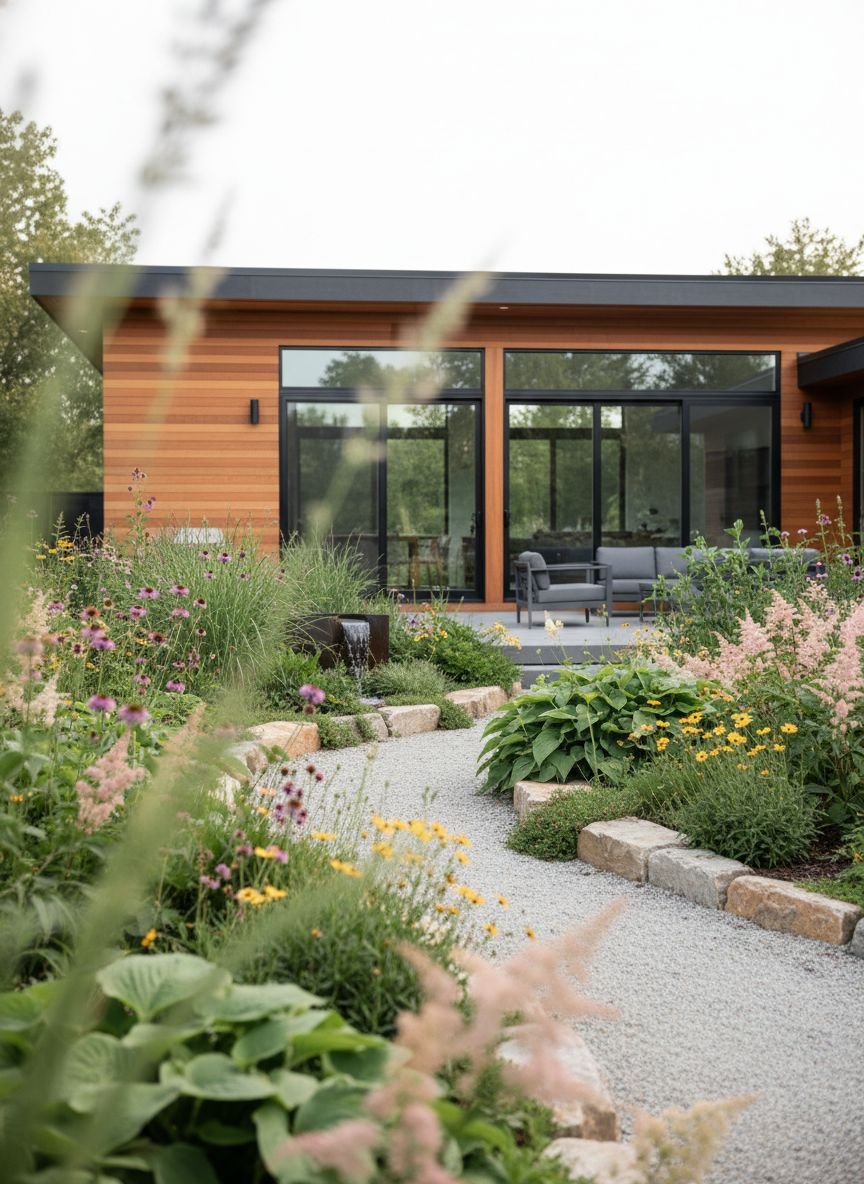
Layered planting, or “tiering,” mimics the natural structure of a forest edge to maximize density without looking messy. In a small garden, you cannot afford to have a single row of plants. Instead, you create a hierarchy: tall plants in the back, medium bushy plants in the middle, and low ground cover in the front. This creates a wall of green that hides fences and blurs boundaries.
Start with a backbone of tall, slender evergreens or bamboo (non-invasive clumping varieties) for privacy. In front of that, plant flowering shrubs or ornamental grasses for texture. Finally, fill the gaps at the base with creeping thyme or sedum. This technique forces the eye to travel through the layers, creating a perception of depth that a flat planting bed lacks.
Pro Tip: Use “repeater plants” throughout your layers. Planting the same purple Heuchera or silver Dusty Miller in three different spots ties the layers together visually.
Miniature Rock Garden
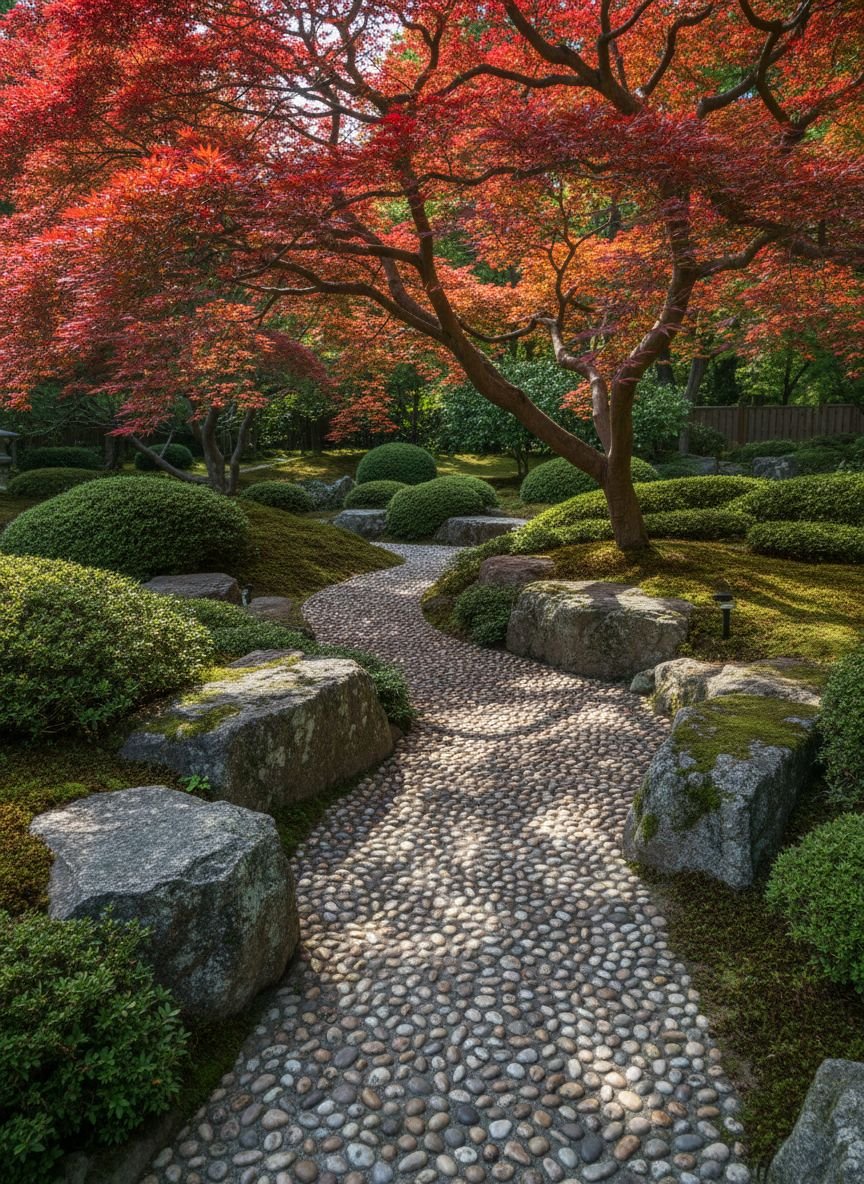
A miniature rock garden captures the rugged beauty of an alpine landscape in a compact footprint. It is perfect for small gardens with poor soil or difficult slopes, as the plants used are typically hardy and drought-tolerant. The combination of weathered stones, gravel, and resilient alpines creates a high-texture, sculptural look that requires very little water or maintenance.
Construct your rock garden by varying the size of the stones—use one or two large “anchor” boulders and surround them with smaller rocks and gravel. Plant creeping phlox, stonecrop, and dwarf conifers in the crevices. The negative space provided by the rocks is just as important as the plants, giving the eye a place to rest in a small area.
Pro Tip: Bury the bottom third of your large rocks. This makes them look like natural outcroppings that have been there for centuries, rather than rocks just sitting on top of the dirt.
Get The Look: Essentials for Small Gardens
- Vertical Planters: Stackable tiered pots or wall-mounted felt pockets.
- Compact Tools: Telescopic hand tools that save storage space.
- Bistro Sets: Foldable tables and chairs for flexible seating.
- Lighting: Solar-powered string lights to add ambiance without wiring.
Balcony Garden
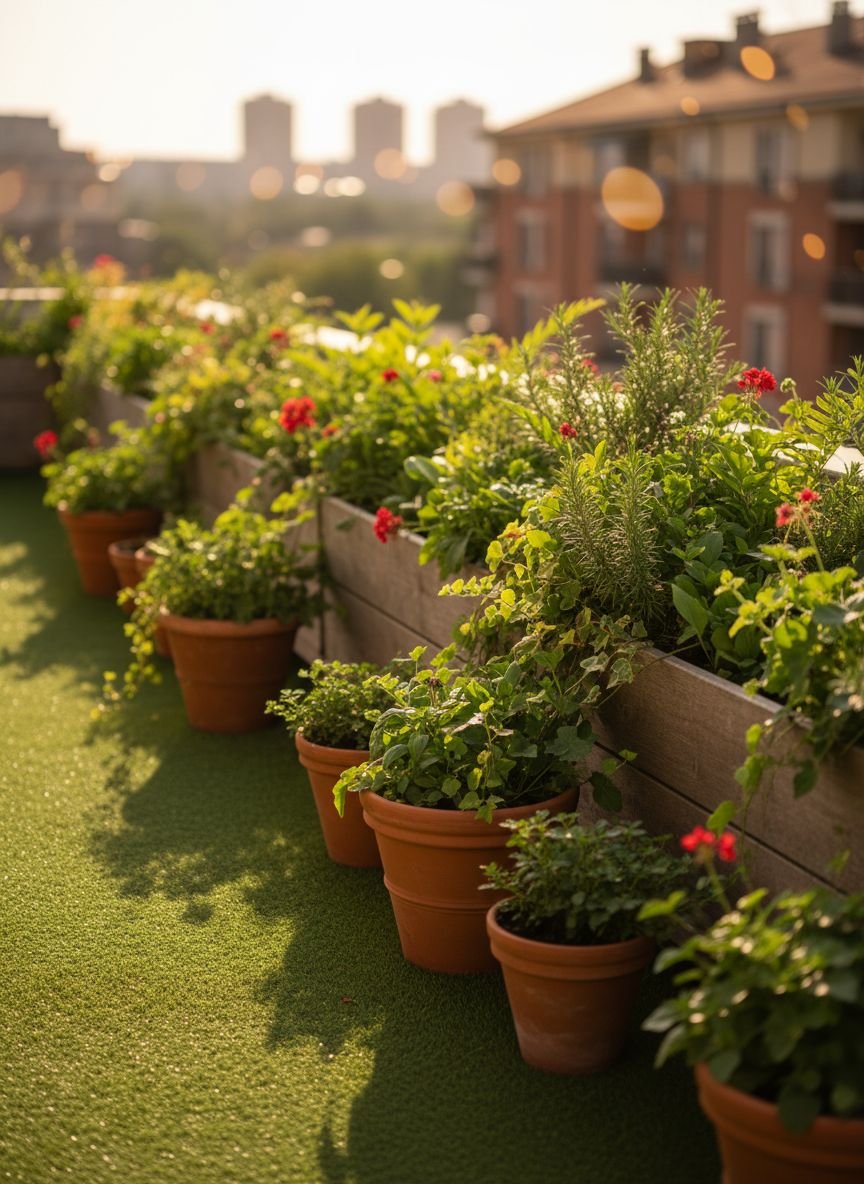
Balcony gardens transform concrete overhangs into lush, suspended retreats. The challenge here is often wind and weight restrictions, so lightweight materials and wind-tolerant plants are essential. The aesthetic is often cozy and enclosed, using the railings as a support structure for privacy screens of greenery.
Utilize railing planters that straddle the banister to maximize floor space. Choose lightweight resin or fiberglass pots instead of heavy stone. Create a “floor” of outdoor rugs or interlocking deck tiles to cover cold concrete. Wind-hardy plants like ornamental grasses, lavender, and tough succulents thrive here. If privacy is an issue, tall bamboo in rectangular troughs can create a soft green screen against neighbors.
Pro Tip: Secure all lightweight furniture and pots. High winds on balconies can turn unsecured items into hazards. Use zip ties to attach railing planters firmly.
Raised Garden Beds
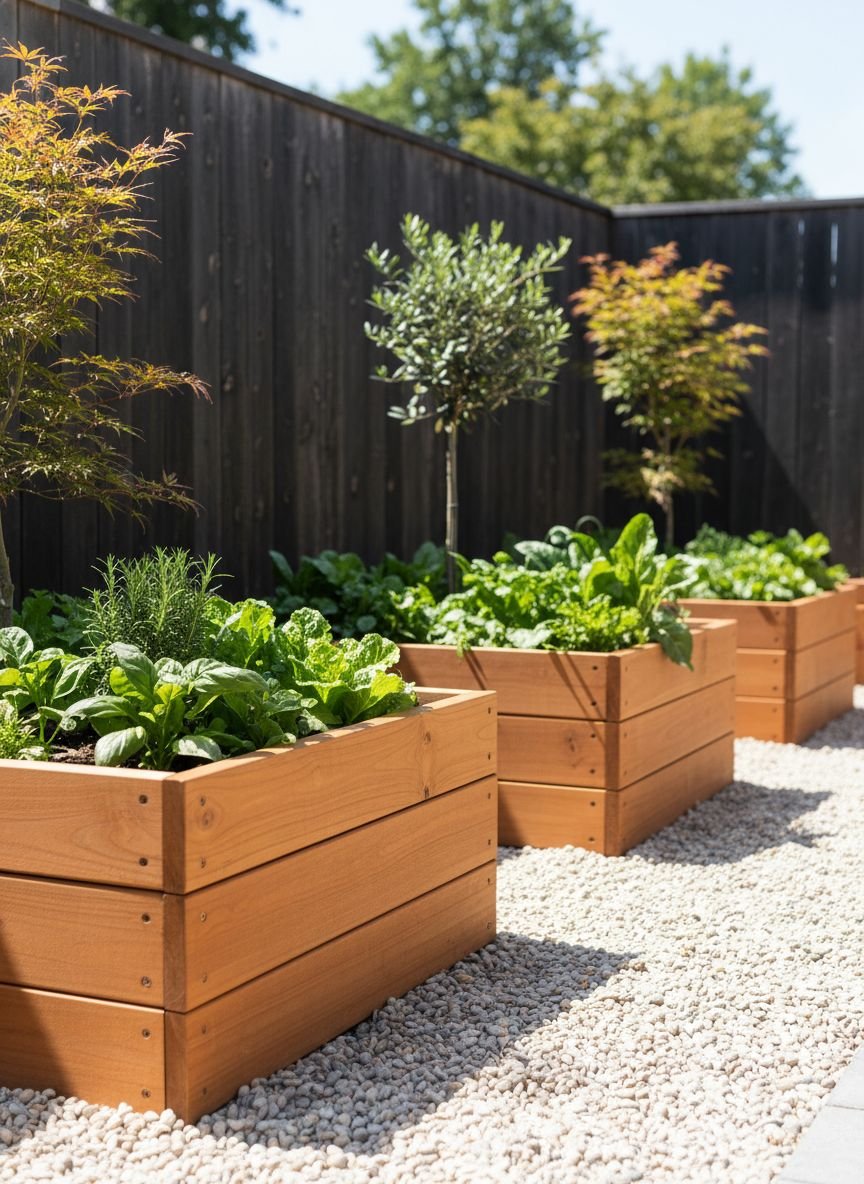
Raised garden beds bring order and structure to a small garden. They define the planting area clearly, keeping the look neat and preventing grass or weeds from encroaching. For small spaces, elevated raised beds on legs are a game-changer—they allow for storage underneath and are accessible without bending over, making them perfect for gardeners with mobility issues.
Construct beds from cedar or redwood, which are naturally rot-resistant. Keep the width to no more than 4 feet so you can reach the center from either side. In a tiny yard, a U-shaped layout of raised beds can create a designated “garden room” in the center for a small chair or bench. This structural approach yields higher produce per square foot due to better soil quality and drainage.
Pro Tip: Line the bottom of your raised bed with hardware cloth (wire mesh) before adding soil to prevent burrowing pests like moles or voles from eating your plant roots.
Wheelbarrow Flower Garden
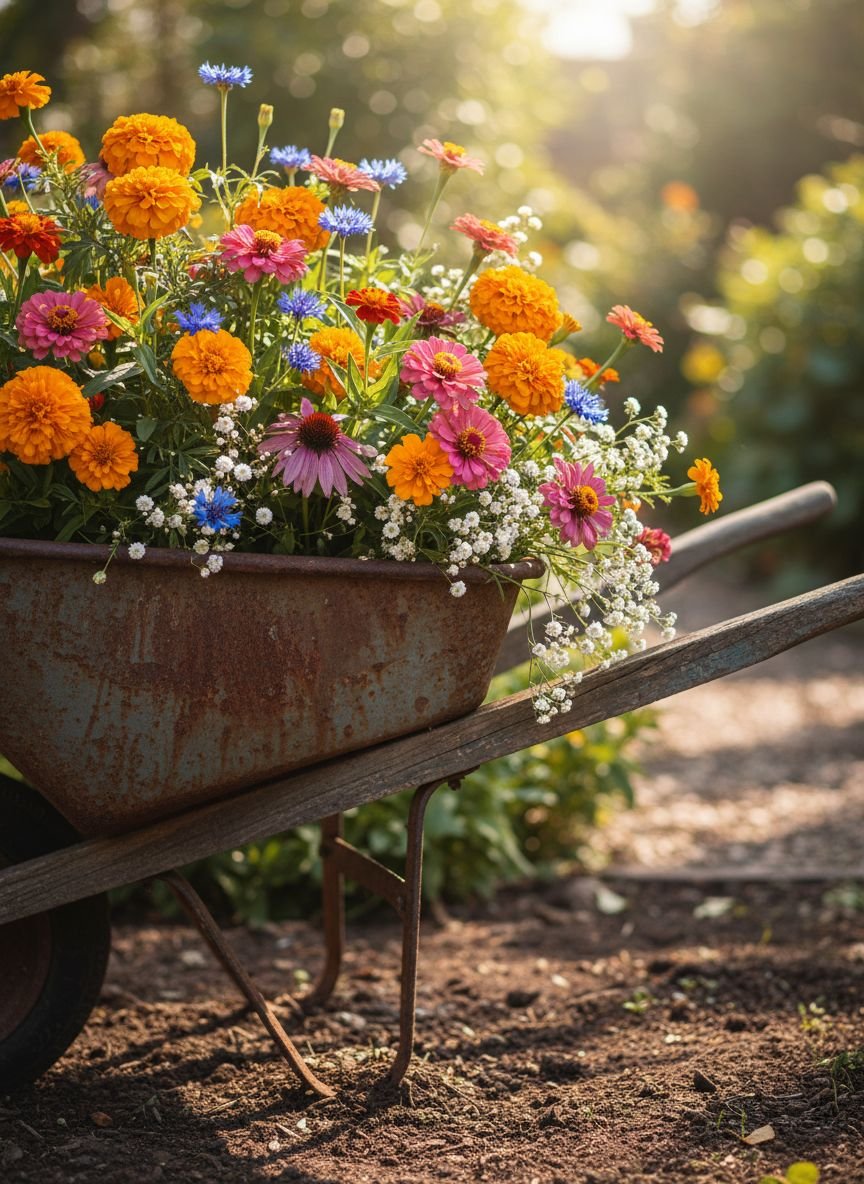
The wheelbarrow flower garden is a charming, mobile focal point that adds a touch of cottagecore whimsy. It serves as a contained, portable garden bed that can be moved to follow the sun or cleared away when you need more entertaining space. Ideally suited for vintage or rustic aesthetics, it acts as a sculptural element that overflows with color.
Drill drainage holes in the bottom of an old metal wheelbarrow to prevent waterlogging. Fill it with a lightweight potting mix and plant a riot of spilling annuals like petunias, lobelia, and marigolds. The height of the wheelbarrow lifts the color to eye level, making it a perfect feature to place near an entryway or in a dull corner of the yard.
Pro Tip: If using an antique metal wheelbarrow, coat the inside with a rust-inhibitor paint or line it with heavy plastic (with holes punched through) to prolong its life.
Side Yard Garden
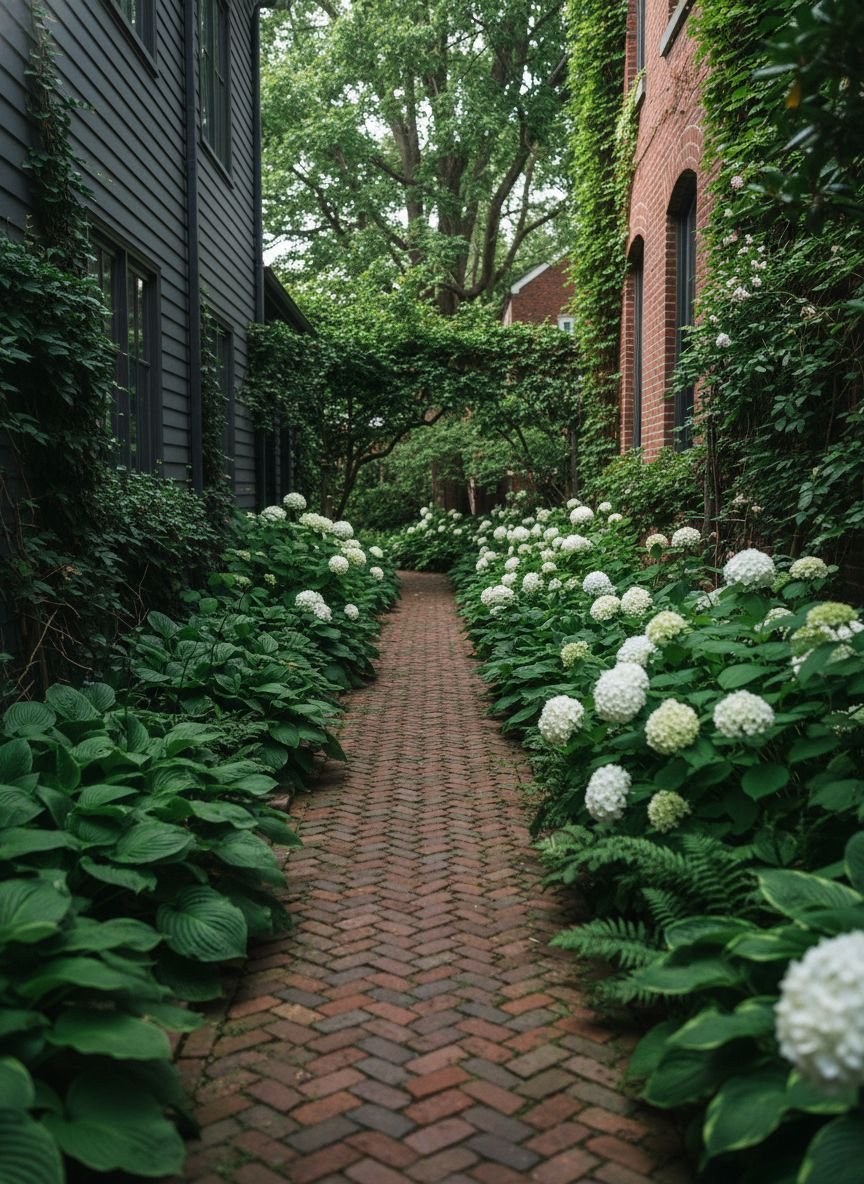
Side yards are often relegated to “dead space” or trash storage, but they hold immense potential as intimate “secret gardens.” These long, narrow corridors are perfect for creating a journey or a vista. The key is to use the length to your advantage, creating a path that draws the eye to a focal point at the end, such as a bench, a statue, or a bright flowering shrub.
Use vertical planting along the fences to soften the tunnel effect. Pavers surrounded by gravel or creeping ground cover create a permeable, attractive path. Shade-loving plants like Hostas, Ferns, and Hydrangeas often thrive in these spaces, which are typically shadowed by the house or fence. Lighting is crucial here; string lights overhead can turn a dark alley into a magical evening walkway.
Pro Tip: Paint the fences in your side yard a light color. White or pale grey reflects light into the narrow space, making it feel wider and less claustrophobic.
Gardening Stations
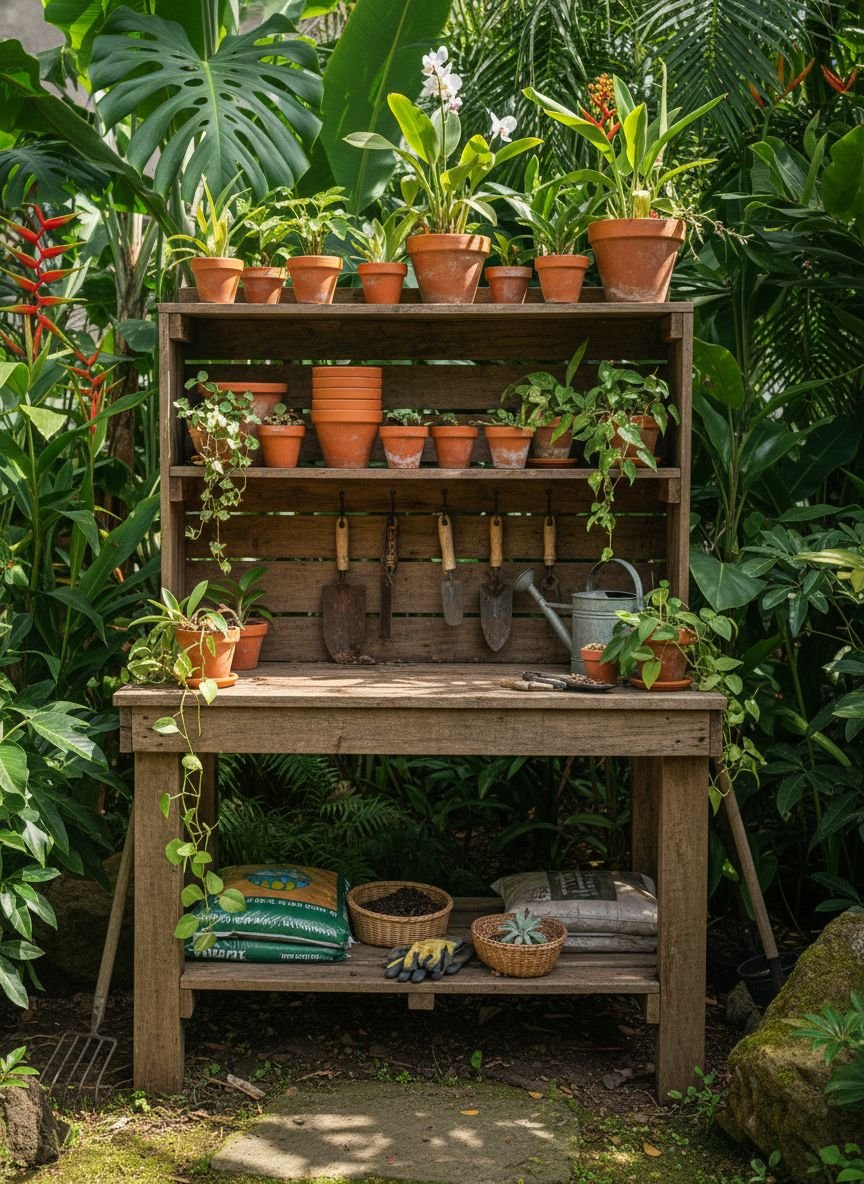
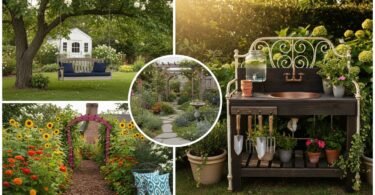
A potting bench or gardening station is a functional necessity that can be styled into a beautiful feature. In a small garden, you don’t have space for a messy utility corner. Instead, choose a station that doubles as a buffet for outdoor entertaining or a display shelf for your best terracotta pots.
Look for a station with a galvanized metal top for easy cleaning and hooks on the side for hanging tools. Shelves above or below can hold watering cans, soil bags decanted into stylish bins, and spare pots. By organizing your tools vertically and visibly, the station becomes part of the garden’s decor rather than something to hide.
Pro Tip: Attach a small trellis to the back of your potting bench. This allows you to grow a vine up the back, integrating the furniture into the living landscape.
Barrel Pond Garden
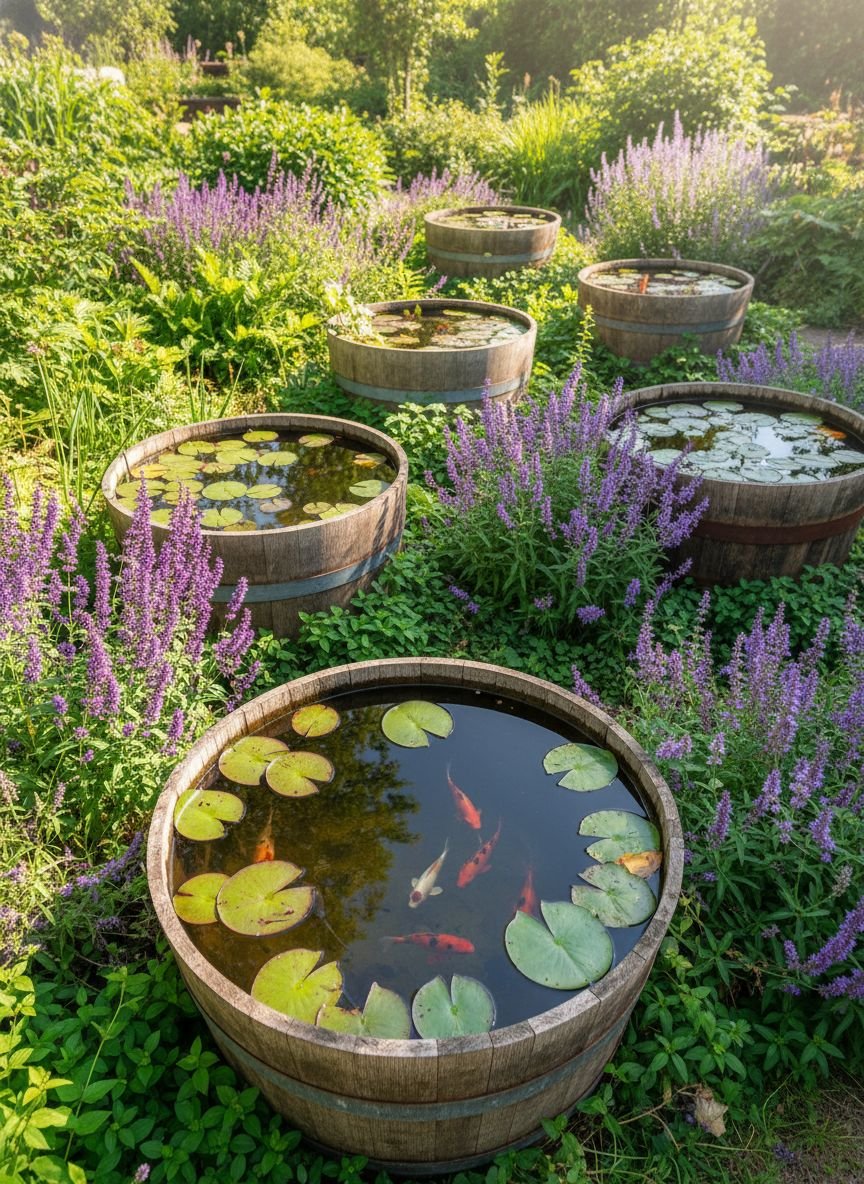
A barrel pond is a self-contained aquatic ecosystem that fits on a patio or deck. It brings the tranquility of a water garden without the excavation or liner headaches of a traditional pond. The rustic look of a whiskey barrel complements naturalistic and cottage garden styles perfectly.
Seal a half-barrel with a pond liner or use a pre-formed plastic insert. Add a small solar pump to keep the water moving and prevent mosquitoes. Populate it with dwarf water lilies, water hyacinth, and perhaps a couple of small goldfish to eat insect larvae. The reflection of the sky in the small water surface adds a sense of openness to tight spaces.
Pro Tip: Place bricks inside the barrel to create shelves for your aquatic plants. This allows you to position them at different depths suitable for their specific growing needs.
Upcycled Ladder Garden
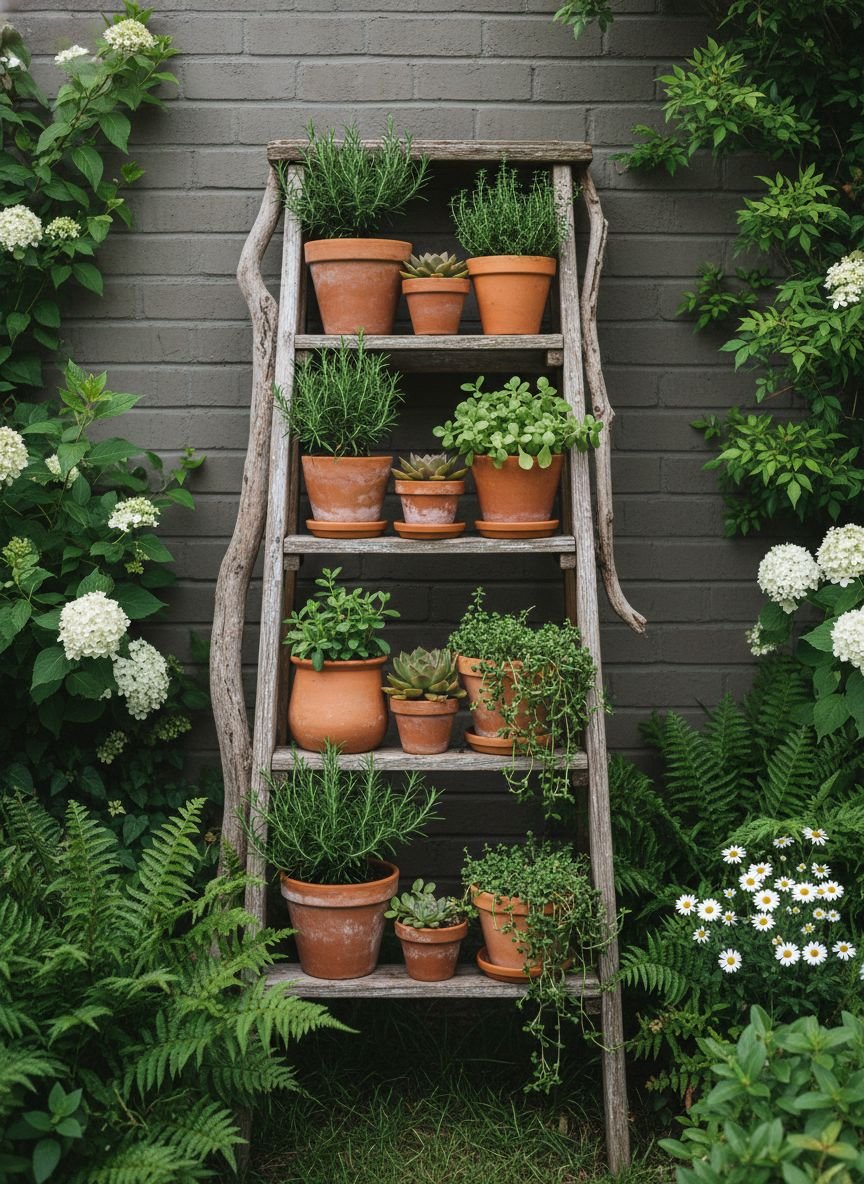
An upcycled ladder garden is a brilliant example of vertical tiering. It takes up minimal ground space but provides three to five levels of display area. This is ideal for renters who cannot drill into walls but want height in their garden design. The ladder structure itself adds an architectural line that contrasts with organic plant shapes.
Use an old wooden stepladder for a vintage look or a sleek metal one for a modern vibe. Place planks across the steps to create wider shelves if needed. This setup is perfect for a collection of small potted herbs, succulents, or trailing ivies. It creates a “waterfall” of greenery that can be placed in a corner or used as a room divider on a balcony.
Pro Tip: Secure the pots to the ladder steps using clear fishing line or double-sided outdoor tape if you live in a windy area or have pets that might knock them over.
Stock Tank Garden
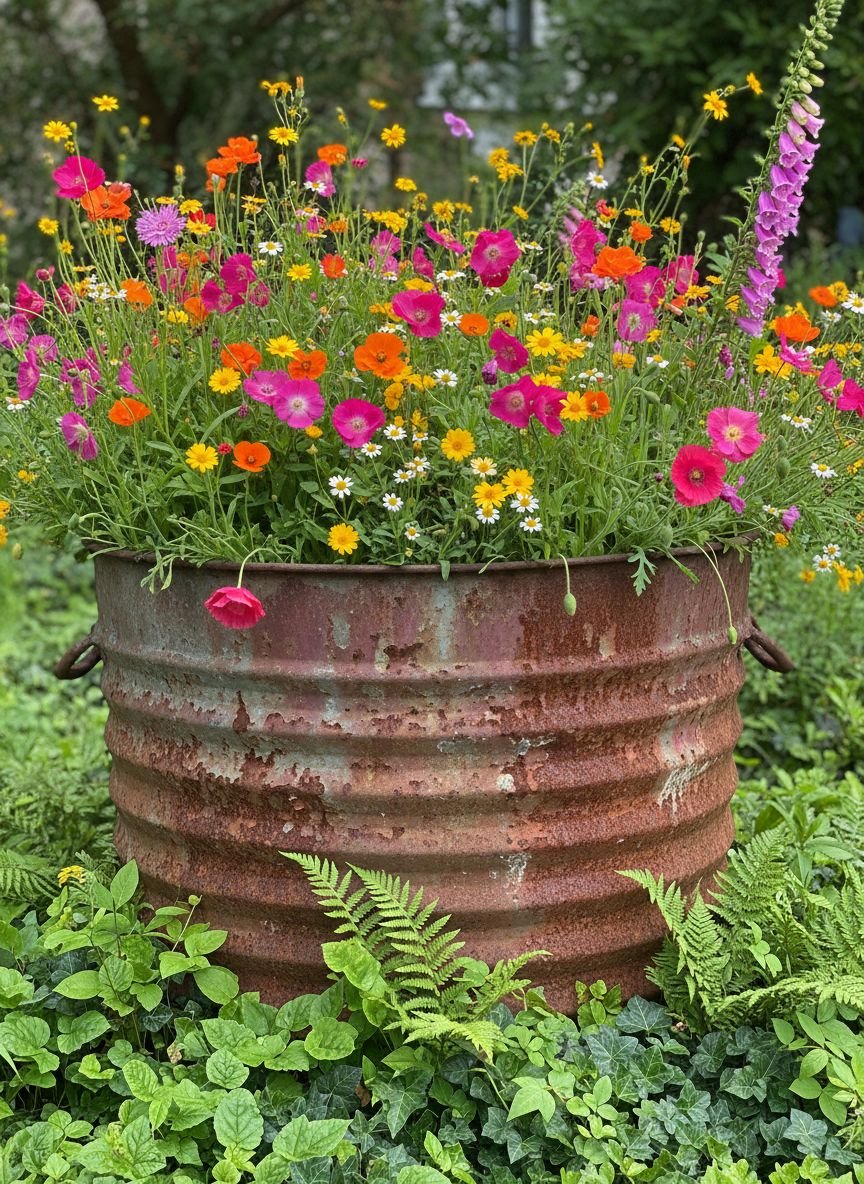
Stock tanks have graduated from the farm to the chic urban garden. These galvanized steel troughs are indestructible, deep, and offer a clean, industrial-modern aesthetic. They function as instant raised beds that are deep enough to grow root vegetables or even small fruit trees.
Drill plenty of drainage holes in the bottom before filling. The metal warms up the soil quickly in the spring, allowing for earlier planting. You can leave the silver metal exposed for a modern look or paint the outside to match your house trim. Their oval or round shapes soften the harsh angles of square patios.
Pro Tip: Place stock tanks on gravel or pavers, not directly on soil. This prevents the metal bottom from rusting out prematurely due to constant contact with damp ground.
Save this idea to your Pinterest.
Popular Asked Questions
How do I make a small garden look bigger?
To make a small garden look bigger, use vertical space by growing plants up walls and fences. Use light-colored paving and fences to reflect light, and place a mirror to create the illusion of depth. Keep the design simple with a limited color palette to avoid visual clutter.
What is the best layout for a small garden?
The best layout often involves “zoning” the space. Create distinct areas for seating and planting, even if they are small. Using diagonal lines for paving or paths can trick the eye into seeing the space as wider and longer than it actually is.
How can I landscape a small garden on a budget?
Focus on perennials that come back every year to save money on buying plants. Use recycled materials like pallets or reclaimed wood for planters. Start plants from seeds instead of buying mature potted plants, and swap cuttings with friends or neighbors.
What plants are best for small gardens?
Choose plants that are “hardworking”—meaning they look good for multiple seasons or offer food. Evergreen shrubs provide year-round structure. Herbs and salad greens are productive and compact. Vertical climbers like jasmine or beans save floor space while providing lush greenery.
Conclusion
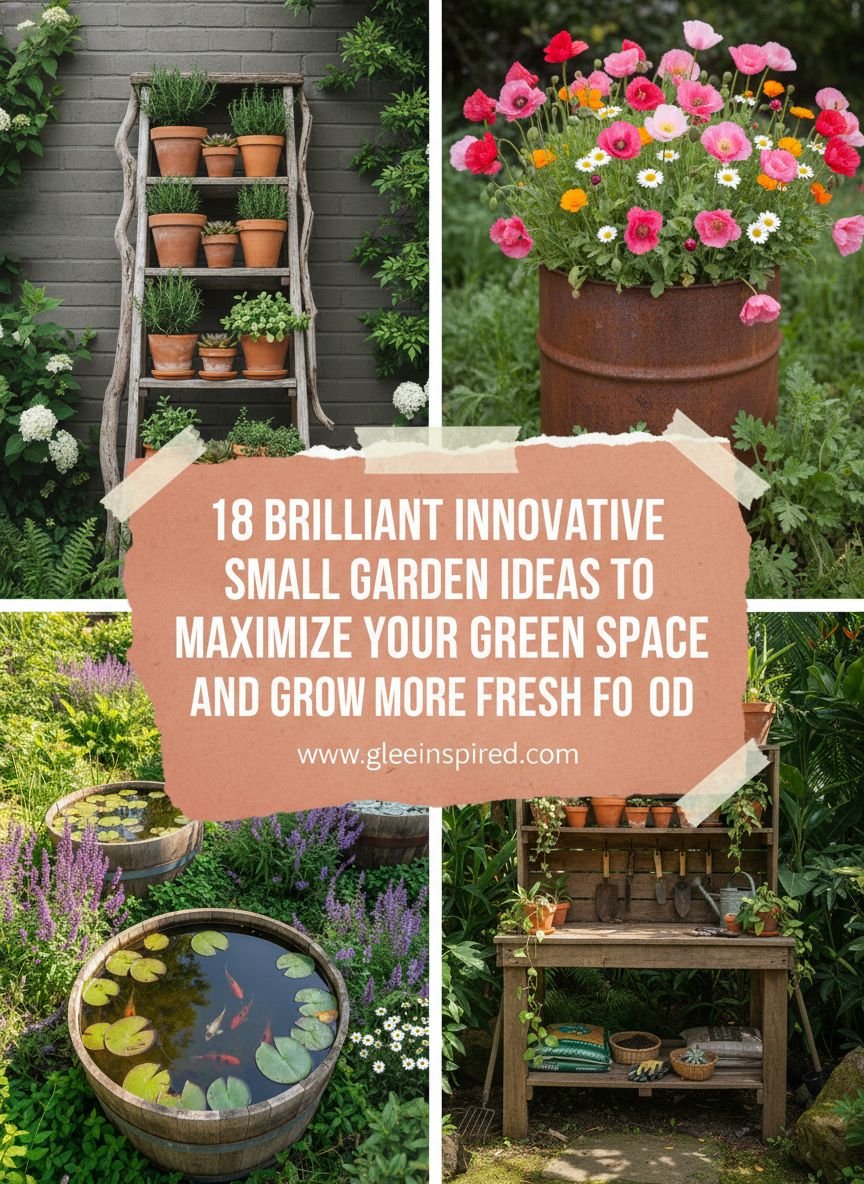
Maximizing a small garden is about changing your perspective from “limited” to “curated.” By embracing vertical gardening, multi-functional features like stock tanks and ladder stands, and smart visual tricks like mirrors, you can transform even the tiniest balcony or side yard into a thriving oasis. These 18 innovative small garden ideas prove that you don’t need acreage to reconnect with nature; you just need a bit of creativity.


Leave a Comment