
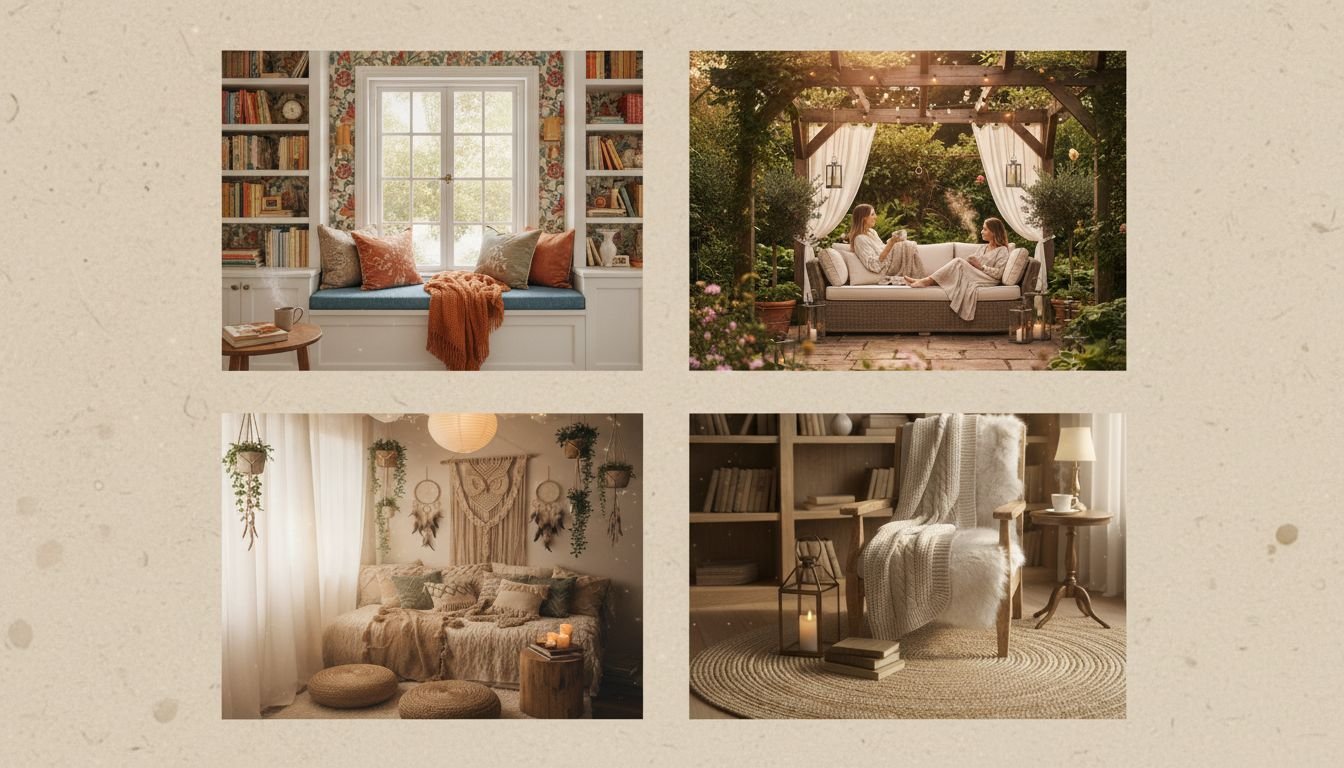
In a world that constantly demands our attention, the need for a personal sanctuary has never been greater. A dedicated reading nook offers more than just a place to sit. It provides a physical boundary between you and the daily grind. This is where you pause, breathe, and recharge.
You do not need a sprawling library or a spare room to create this haven. In fact, the most charming nooks often emerge from awkward corners, unused closets, or empty window ledges. The secret lies in intention. By layering textures, controlling lighting, and selecting the right seating, you transform “dead space” into a high-value retreat. This guide delivers specific, quantifiable styling tips to help you build a cozy escape that fits your budget and your floor plan.
Key Takeaways
- Layer Lighting: Combine ambient, task, and accent lighting to reduce eye strain and set a mood.
- Texture is King: Use at least three different textures (knits, velvet, wood) to create instant coziness.
- Vertical Space: Utilize wall-mounted shelves to maximize floor space in tight corners.
- Personalization: A nook feels cold without personal artifacts like photos or vintage finds.
- Comfort First: Prioritize ergonomics in your seating choice before aesthetics.
Table of Contents
- Cozy Bench Retreat
- Curl Up in Comfort
- Classic Florals with a Modern Twist
- Layer Lighting
- Create a Moody Ambiance with Personal Touches
- Sleek and Stylish with Natural Elements
- Window View Charm
- Deep Green Elegance
- Attic Hideaway Charm
- Add a BUDGET-FRIENDLY BEDROOM NOOK
- Under-the-Stairs Space Saver
- Include Lanterns
- Embrace the Bohemian Vibe
- Create an Outdoor Garden Reading Nook
- Combine Bold Patterns with a Playful Style
- Popular Asked Questions
- Conclusion
Cozy Bench Retreat
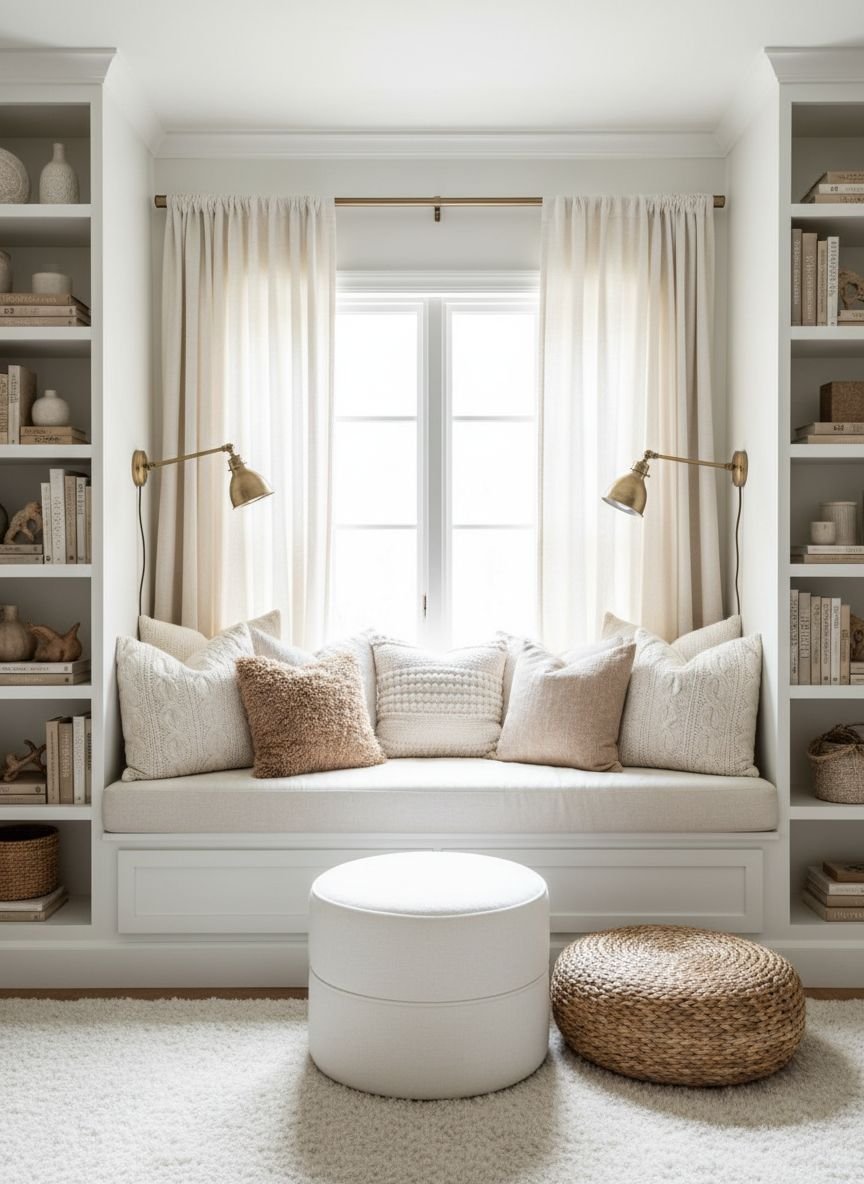
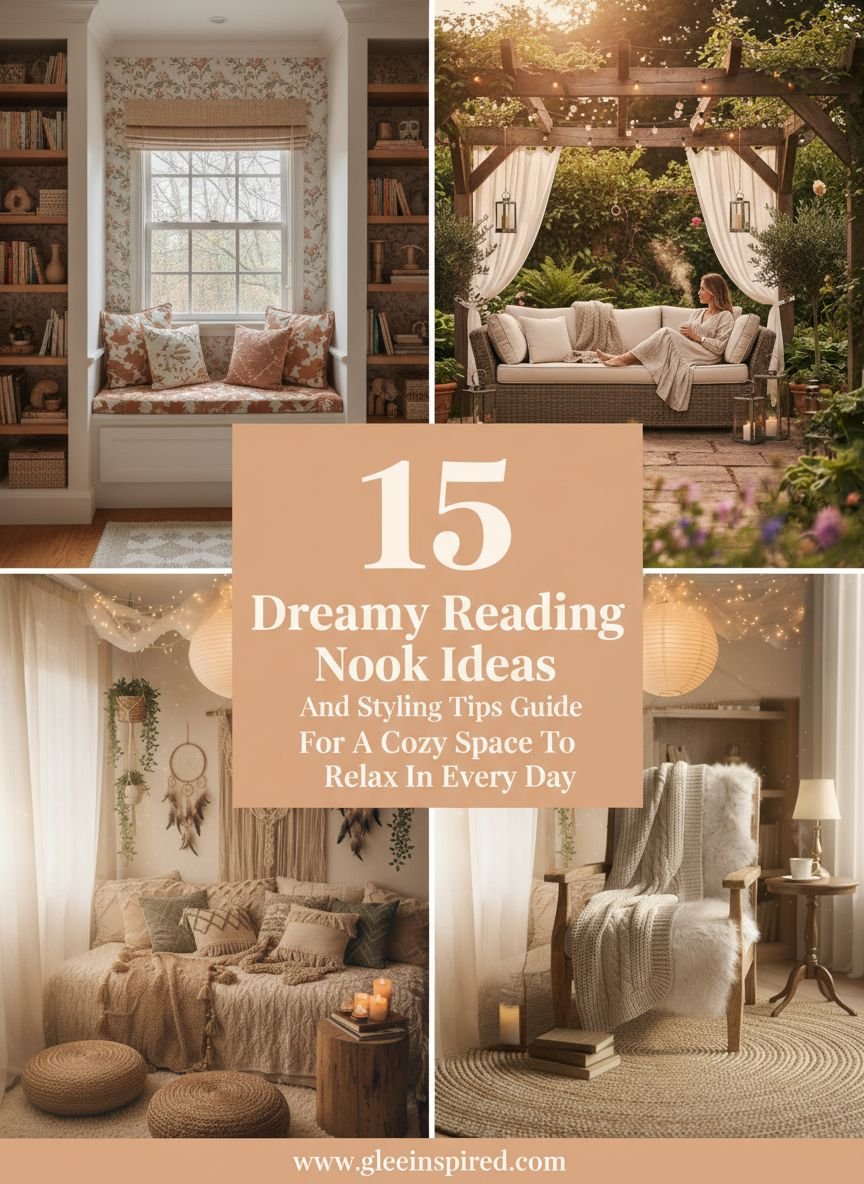
A built-in bench offers a streamlined solution for reading nooks that need to blend seamlessly into a hallway or living room. The visual appeal here comes from the clean lines of the joinery contrasted against the softness of the upholstery. By extending a bench from wall to wall, you visually expand the width of the room while providing ample seating. This setup works particularly well in transitional spaces where a bulky armchair might block traffic flow.
To implement this look, focus on the seat cushion density. A high-density foam wrapped in batting ensures the bench remains comfortable for long reading sessions without sagging. Style the bench with an assortment of throw pillows in varying sizes—start with 20-inch squares at the back and layer smaller lumbar pillows in front. This not only adds visual depth but also provides essential back support that a flat wall cannot offer.
Pro Tip: Install drawers or lift-top storage underneath the bench to hide blankets and seasonal reads, keeping the area clutter-free.
Curl Up in Comfort
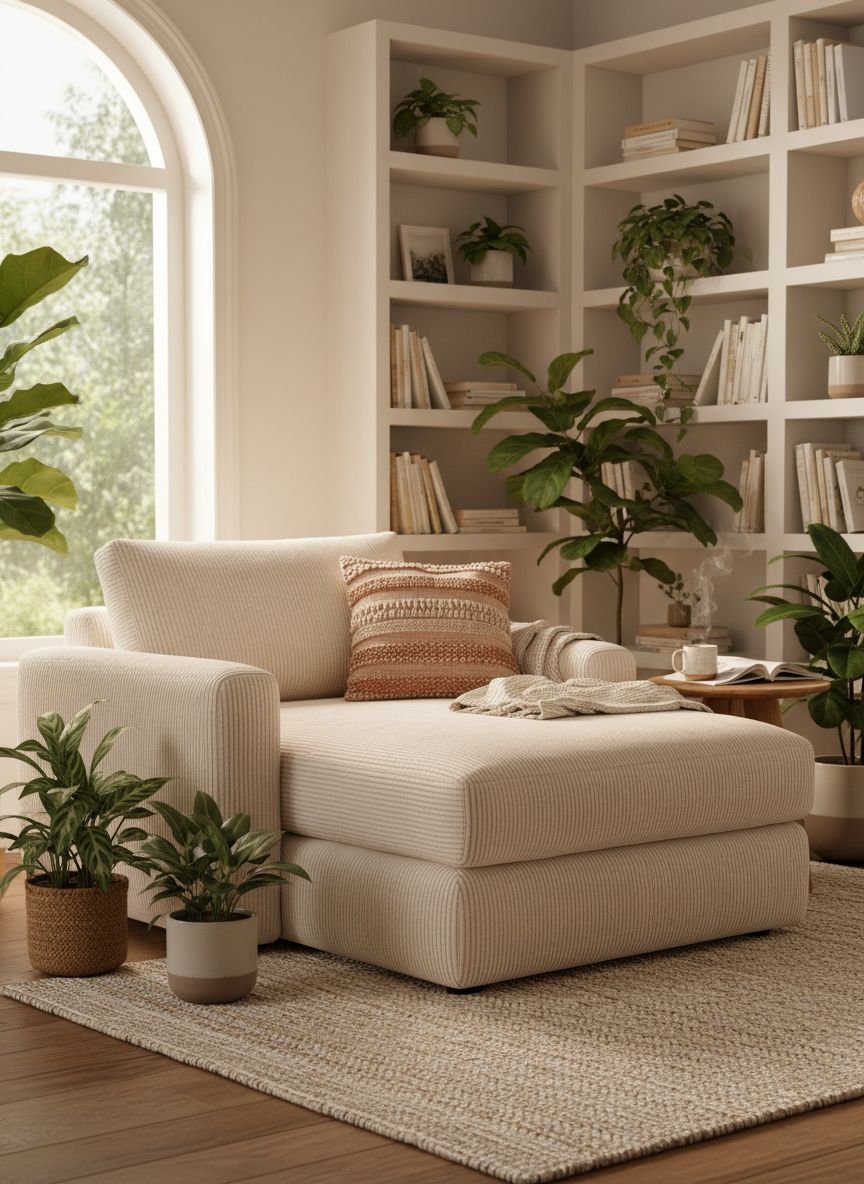
The quintessential reading nook revolves around the “sink-in” factor. This style prioritizes tactile comfort above all else. Visually, you want to create a nest-like atmosphere. Achieve this by selecting a deep-seated armchair or a chaise lounge upholstered in soft fabrics like boucle, velvet, or worn leather. The goal is to create a space that physically embraces you the moment you sit down.
From a design perspective, this is about softening edges. Round tables, curved lamp bases, and draped blankets counteract the rigid lines of bookshelves and walls. When styling, drape a chunky knit throw casually over the arm of the chair rather than folding it neatly. This “perfectly imperfect” styling invites immediate use. Ensure your side table is within arm’s reach so you never have to break your relaxation posture to reach your tea or coffee.
Pro Tip: Choose an ottoman that matches the height of your chair seat to create a seamless leg rest that mimics a chaise lounge.
Save this idea to your Pinterest.
Classic Florals with a Modern Twist
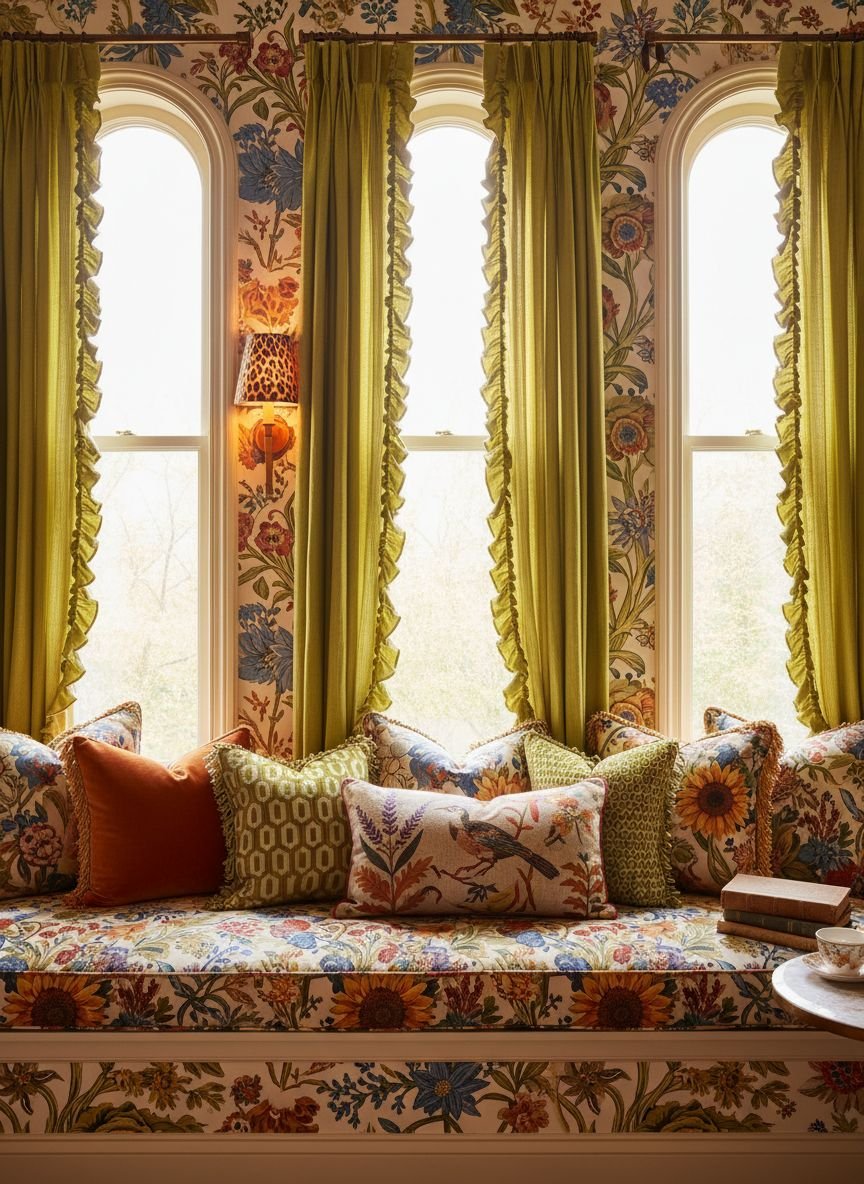
Floral patterns often get a bad reputation for looking dated, but when styled correctly, they add a layer of nostalgic comfort perfect for a reading nook. The key to modernizing florals is scale and background color. Opt for large-scale botanical prints on a dark background—like charcoal or navy—rather than tiny ditsy prints on white. This creates a moody, sophisticated vibe rather than a chaotic one.
Balance is the critical design principle here. If your reading chair features a bold floral upholstery, keep the surrounding elements solid and neutral. A matte black floor lamp or a simple wooden side table will ground the space and prevent the pattern from overwhelming the eye. Alternatively, use floral wallpaper as a backdrop for a solid-colored velvet chair. This separation of pattern and form allows the design to breathe while maintaining that garden-inspired charm.
Pro Tip: Pull one accent color from the floral pattern and use it for a solid throw pillow to tie the look together cohesively.
Layer Lighting

Lighting is the single most important functional element of a reading nook. Relying on a single overhead bulb will lead to eye strain and a flat, uninviting atmosphere. A well-designed nook employs three distinct layers of light: ambient, task, and accent. Ambient light provides general illumination, while task light is directed specifically onto your page. Accent light adds warmth and depth.
Start with a floor lamp that has an adjustable arm. This allows you to direct light exactly where you need it, regardless of your sitting position. Supplement this with a warm-toned table lamp for a soft glow. For the accent layer, consider installing a small picture light above a piece of art or using LED strip lights behind a bookshelf. The interplay of light and shadow creates a cozy “cave” effect that signals to your brain that it is time to wind down.
Pro Tip: Use smart bulbs that allow you to adjust the color temperature. A warmer, yellow light (2700K) is best for evening reading to help you relax.
Create a Moody Ambiance with Personal Touches
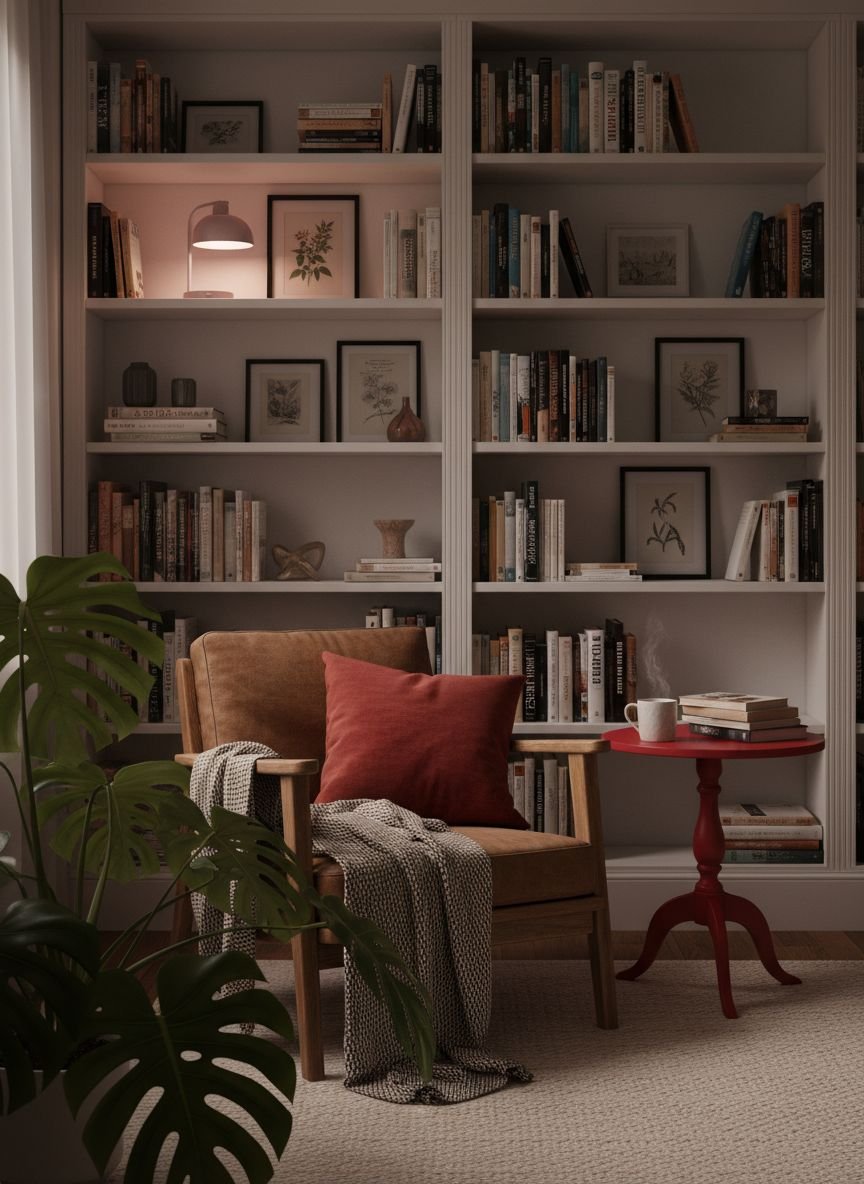
A reading nook should reflect your inner world. A moody aesthetic is achieved through a darker color palette—think deep grays, forest greens, or navy blues. These colors absorb light rather than reflecting it, creating an intimate, cocoon-like feeling. However, a dark corner can feel cold without personal artifacts to bring it to life.
Integrate shelves that display more than just books. Mix in vintage cameras, framed family photos, travel souvenirs, or small sculptures. These items break up the rows of book spines and add narrative texture to the space. When arranging shelves, leave some “negative space” so the area doesn’t feel cluttered. The contrast between the dark walls and your cherished items highlights them, turning your reading nook into a personal gallery.
Pro Tip: Paint the ceiling the same dark color as the walls to eliminate the visual line where the wall ends, making the space feel infinite and enveloping.
Save this idea to your Pinterest.
Comparison: Bench vs. Armchair Nook
| Feature | Built-In Bench | Statement Armchair |
|---|---|---|
| Space Required | Low (Fits in niches) | Medium/High (Needs floor space) |
| Storage Potential | Excellent (Under-seat drawers) | Low (Needs separate ottoman) |
| Comfort Level | Good (Depends on cushions) | Superior (Ergonomic design) |
| Flexibility | Fixed (Permanent fixture) | Flexible (Can be moved) |
| Cost | High (Custom carpentry) | Variable (Budget to Luxury) |
Sleek and Stylish with Natural Elements
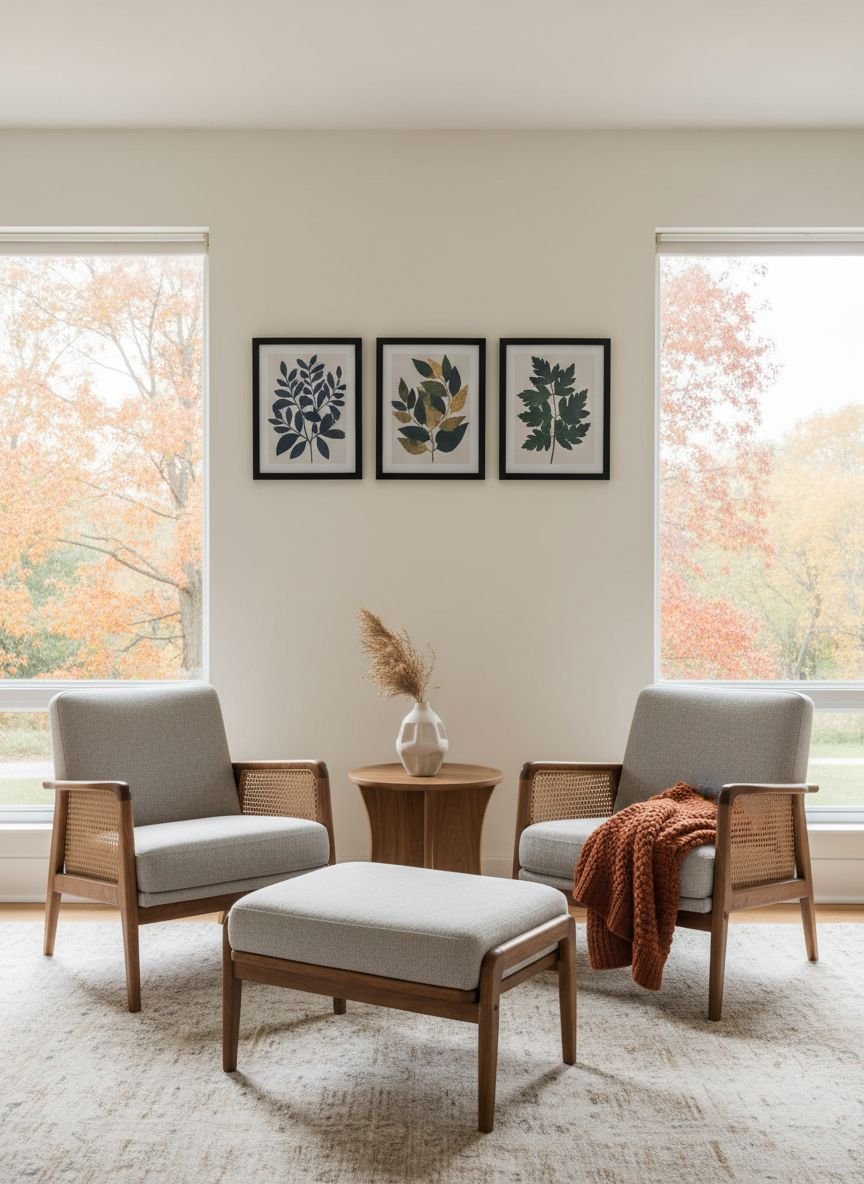
For those who prefer a minimalist aesthetic, a sleek reading nook focuses on form and material quality. The design principle here is “warm minimalism.” You want clean lines and uncluttered surfaces, but you must avoid the space feeling sterile. You achieve this balance by introducing organic materials like raw wood, leather, stone, and wool.
Start with a chair that has a sculptural silhouette—perhaps a mid-century modern design with a wooden frame. Pair it with a side table made of marble or travertine. The natural variation in the stone adds visual interest without adding clutter. Keep the color palette neutral, relying on shades of beige, cream, and taupe. The texture of the materials does the heavy lifting here, so ensure every item feels good to the touch.
Pro Tip: Add a large potted plant, such as a Ficus or Monstera, to introduce organic shapes and vibrant green color that enlivens the neutral palette.
Window View Charm

Positioning your reading nook directly in front of a window connects you with the outdoors, providing a calming backdrop for your reading. Natural light is the best light for reading during the day, reducing eye strain and boosting mood. The visual styling should frame the view, not compete with it.
If you have a deep window sill, convert it into a seat with a custom cushion. If not, place a low-profile chair facing the window or at a slight angle. Use sheer curtains to diffuse harsh sunlight without blocking the view. Flank the window with tall bookshelves to create a “built-in” library look that draws the eye toward the light. This symmetry creates a pleasing, balanced composition that feels architectural and intentional.
Pro Tip: Ensure your window treatments have a thermal lining if you live in a cold climate to prevent drafts from ruining your cozy experience.
Deep Green Elegance
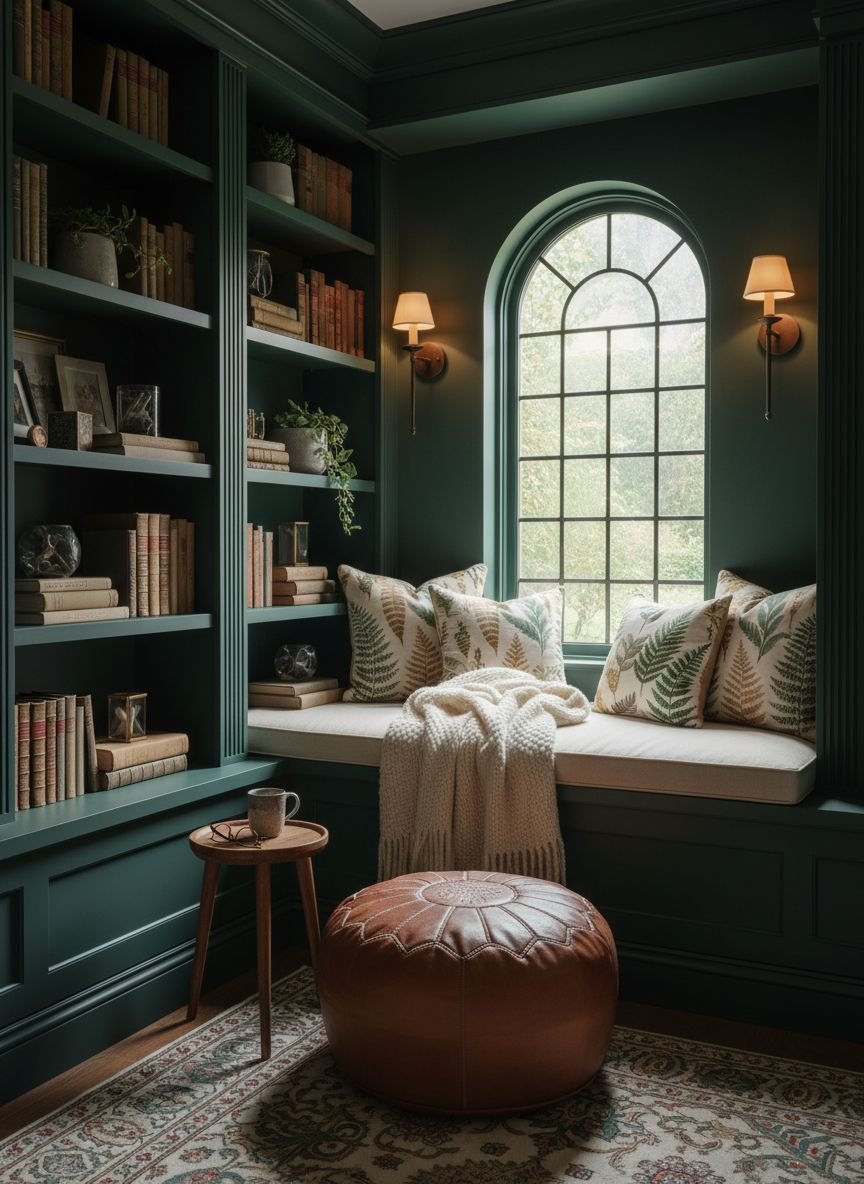
Green is nature’s neutral. It promotes tranquility and focus, making it an ideal color choice for a reading nook. A monochromatic approach—using various shades of green—can create a sophisticated and immersive experience. Visual depth is created by layering these shades, from sage walls to emerald velvet cushions and olive throws.
To implement this, paint the corner walls in a rich, matte green. Select furniture in contrasting materials, such as a cognac leather chair or a brass side table. The warmth of the leather and metal pops beautifully against the cool green background. This color combination feels timeless and library-esque. Use gold or brass hardware for your lighting fixtures to add a touch of luxury and brightness to the deep color scheme.
Pro Tip: Use a paint with a “velvet” or matte finish rather than satin. High gloss can create distracting reflections, while matte absorbs light for a softer look.
Save this idea to your Pinterest.
Attic Hideaway Charm
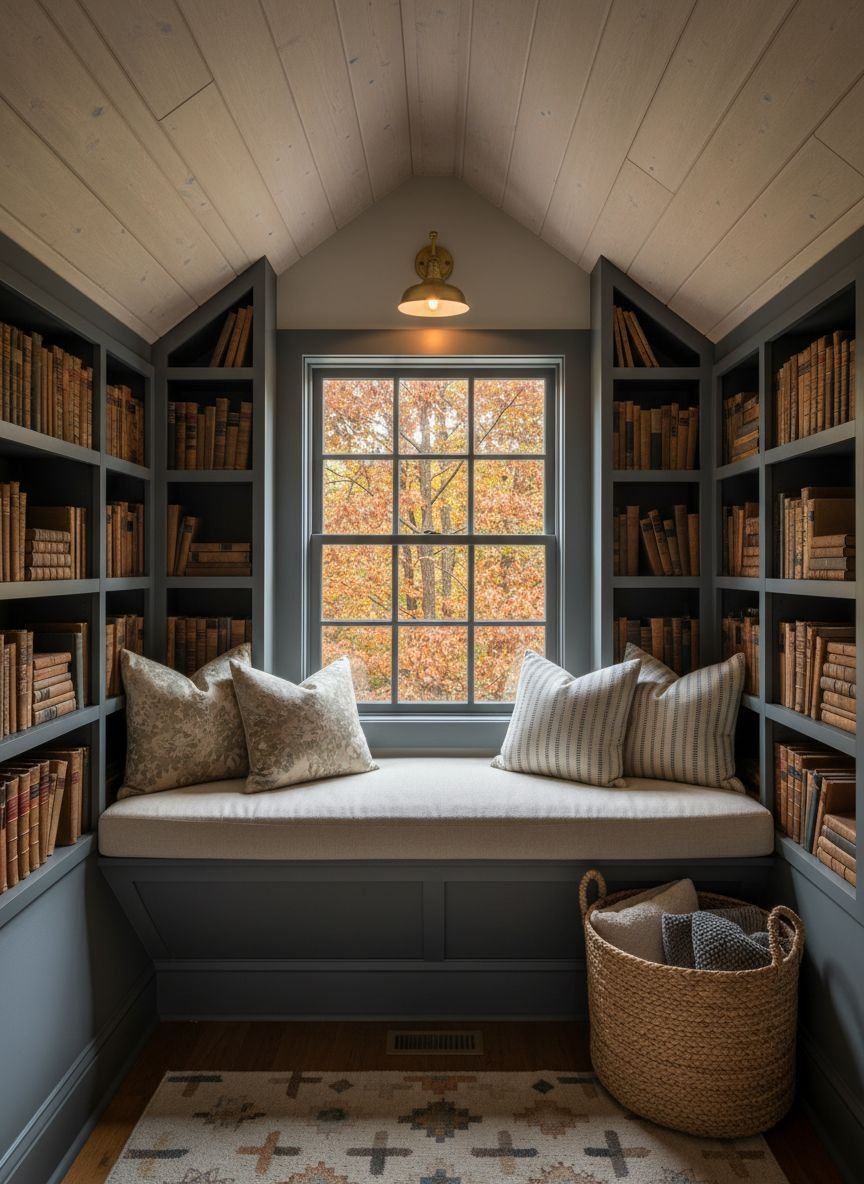
Attic spaces with sloped ceilings are often dismissed as unusable, but they are architecturally perfect for reading nooks. The low ceiling naturally creates a sense of intimacy and enclosure. Styling this space requires embracing the angles rather than fighting them.
Low-profile furniture is essential here. A floor cushion, bean bag, or a low-slung lounge chair fits best under the eaves. Use the vertical wall space at the highest point of the room for shelving. To make the space feel deliberate, wallpaper the sloped ceiling or paint it a contrasting color. This highlights the unique architecture. ample soft textiles are crucial in an attic to dampen sound and insulate against temperature fluctuations.
Pro Tip: If the space is too tight for a floor lamp, install a wall sconce or use a clamp light attached to a nearby shelf to save precious floor space.
Add a BUDGET-FRIENDLY BEDROOM NOOK

You do not need to spend a fortune to carve out a reading spot in your bedroom. This idea focuses on using what you have and adding affordable accessories. A simple chair from a thrift store can be transformed with a slipcover or a sheepskin throw. The corner of a bedroom is often “dead space,” making it prime real estate for this addition.
Define the zone with a small, round rug. This visual cue separates the reading area from the sleeping area. Use floating shelves—which are inexpensive and easy to install—to hold your current reads. A clip-on reading light or a simple pendant light with a plug-in cord eliminates the need for expensive electrical work. The goal is to create a functional, cozy spot with minimal financial investment.
Pro Tip: Stack sturdy hardcover books on the floor to create a makeshift side table if you are tight on budget and space.
Get The Look: Nook Essentials
| Item | Budget Option | Splurge Option |
|---|---|---|
| Seating | Floor Pillows / Bean Bag | Eames Lounge Chair |
| Lighting | Clip-on Book Light | Brass Pharmacy Floor Lamp |
| Textiles | Fleece Throw | Cashmere or Chunky Knit Wool |
| Table | Stack of Books / DIY Crate | Marble or Solid Walnut Table |
Related posts :
- 8 Genius Bedroom Storage Solutions for Small Spaces That Instantly Double Your Room
- 18 Modern Bedroom Ideas Full of Glamour and Inspiration That Redefine Luxury
- 15 Stunning Decor Ideas for a Glam Living Room That Scream Luxury
Under-the-Stairs Space Saver
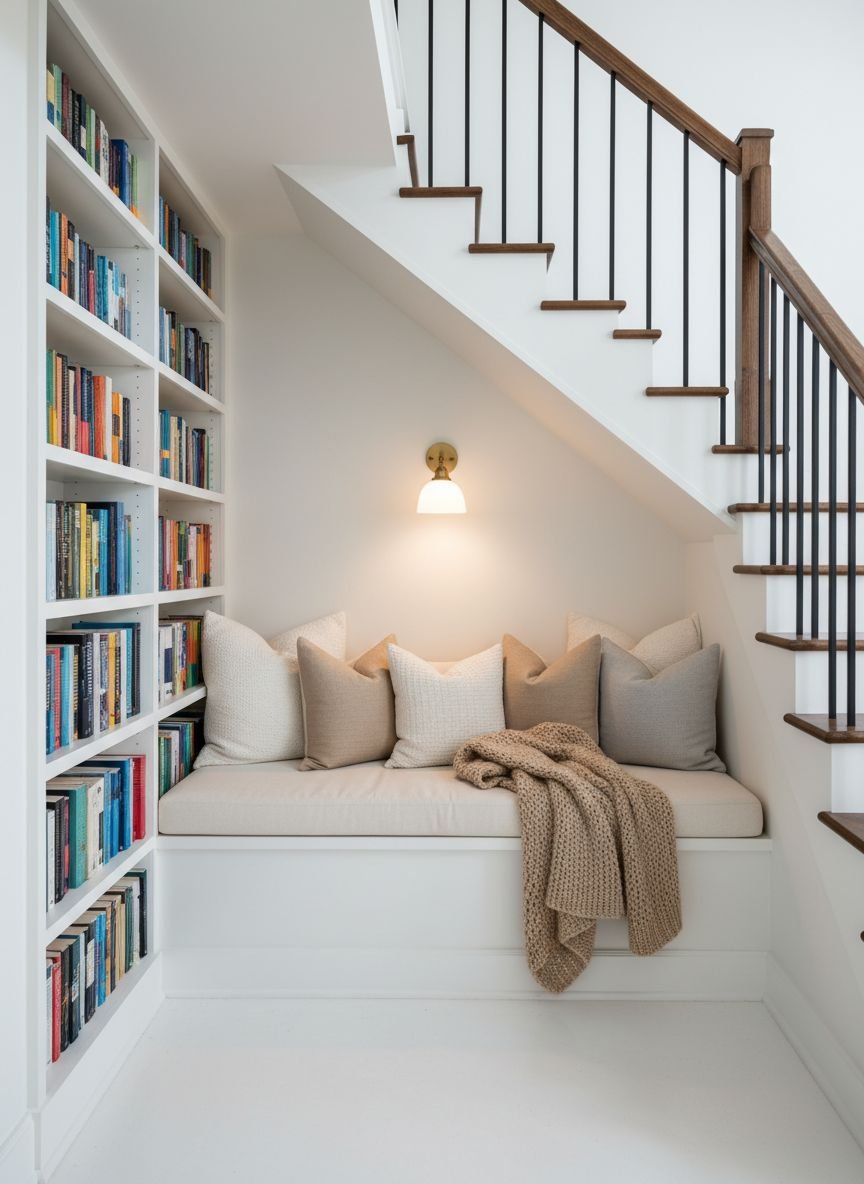
The space under a staircase is the ultimate “found” square footage. Often boarded up or used for messy storage, it can be opened up to create a magical, Harry Potter-esque reading nook. This requires some DIY effort but the payoff is huge. The triangular shape naturally feels like a hideaway.
If structural changes aren’t an option, simply place a small bench or chair in the open alcove. If you can renovate, build a custom bench with storage underneath. Lighting is critical here as these spaces are naturally dark. Install a recessed can light or a hardwired sconce. Paint the inside of the nook a different color than the hallway to visually distinguish it as a separate “room.”
Pro Tip: Line the back wall of the under-stair nook with shiplap or beadboard to add texture and durability to the walls, which might get scuffed in a tight space.
Save this idea to your Pinterest.
Include Lanterns
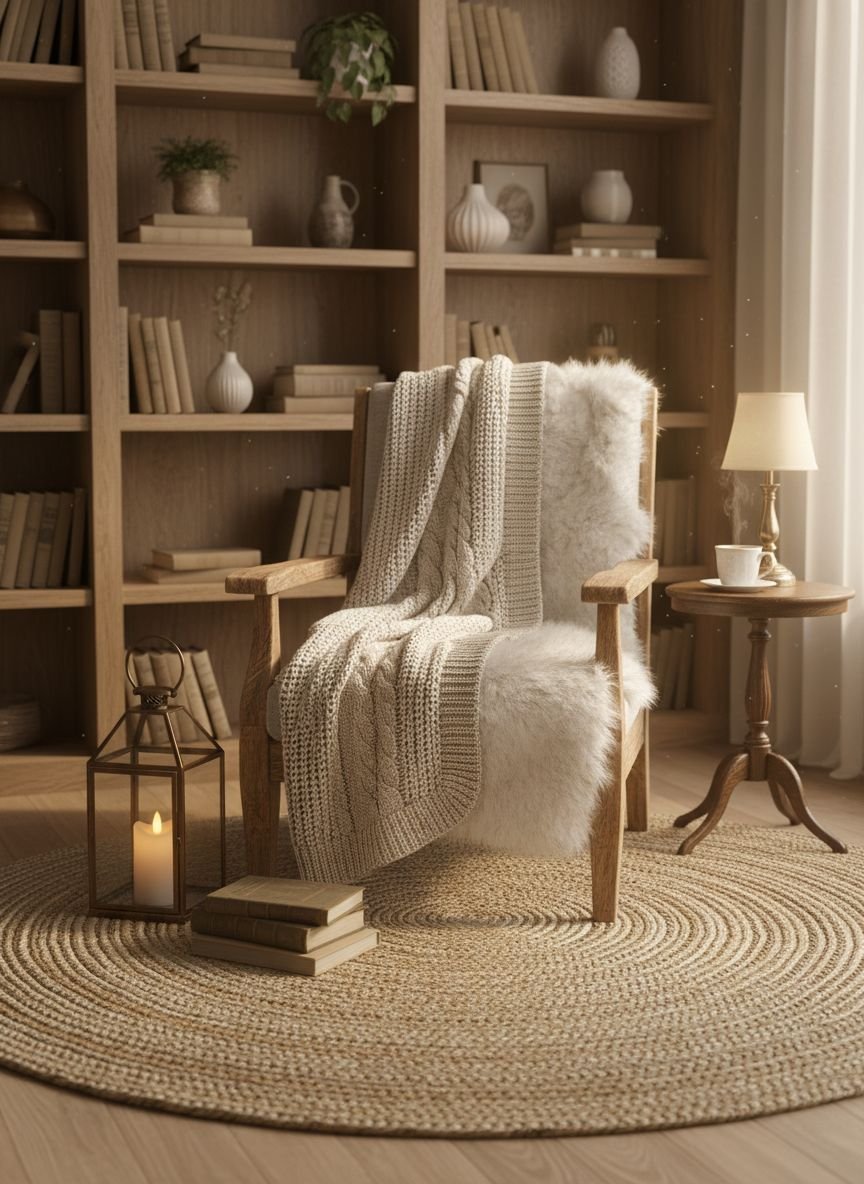
Lanterns add a whimsical, storybook quality to a reading nook. Unlike standard lamps, lanterns enclose the light source, casting intricate shadows and creating a soft, diffused glow. This styling choice works exceptionally well with rustic, farmhouse, or bohemian decor styles.
Group lanterns of different sizes on the floor or hang them from ceiling hooks at varying heights. You can use real candles for a flickering, authentic ambiance, or opt for high-quality battery-operated LED candles for safety and convenience. The metal or wood frames of the lanterns add architectural interest even when the lights are off. Pair this look with warm wood tones and heavy knit blankets to enhance the cabin-like feel.
Pro Tip: Place a lantern on a stack of books or a sturdy crate to elevate the light source for better reading visibility while maintaining the aesthetic.
Embrace the Bohemian Vibe

A bohemian reading nook is all about relaxed rules and an abundance of texture. The visual narrative here is “traveled and collected.” Think global prints, macramé, rattan, and an explosion of plants. This style is incredibly forgiving and allows you to mix and match patterns that might clash in a more formal setting.
Start with a base of layered rugs—perhaps a jute rug with a colorful Persian rug on top. Use a peacock chair or a hanging rattan swing chair as your focal point. Pile on cushions with tassels, embroidery, and fringe. The lighting should be warm and low; string lights or a Moroccan perforated metal lamp are perfect choices. The key is to fill the space with items that spark joy and comfort.
Pro Tip: Hang a macramé plant hanger directly above your reading chair to draw the eye upward and create a canopy effect with trailing vines like Pothos.
Create an Outdoor Garden Reading Nook
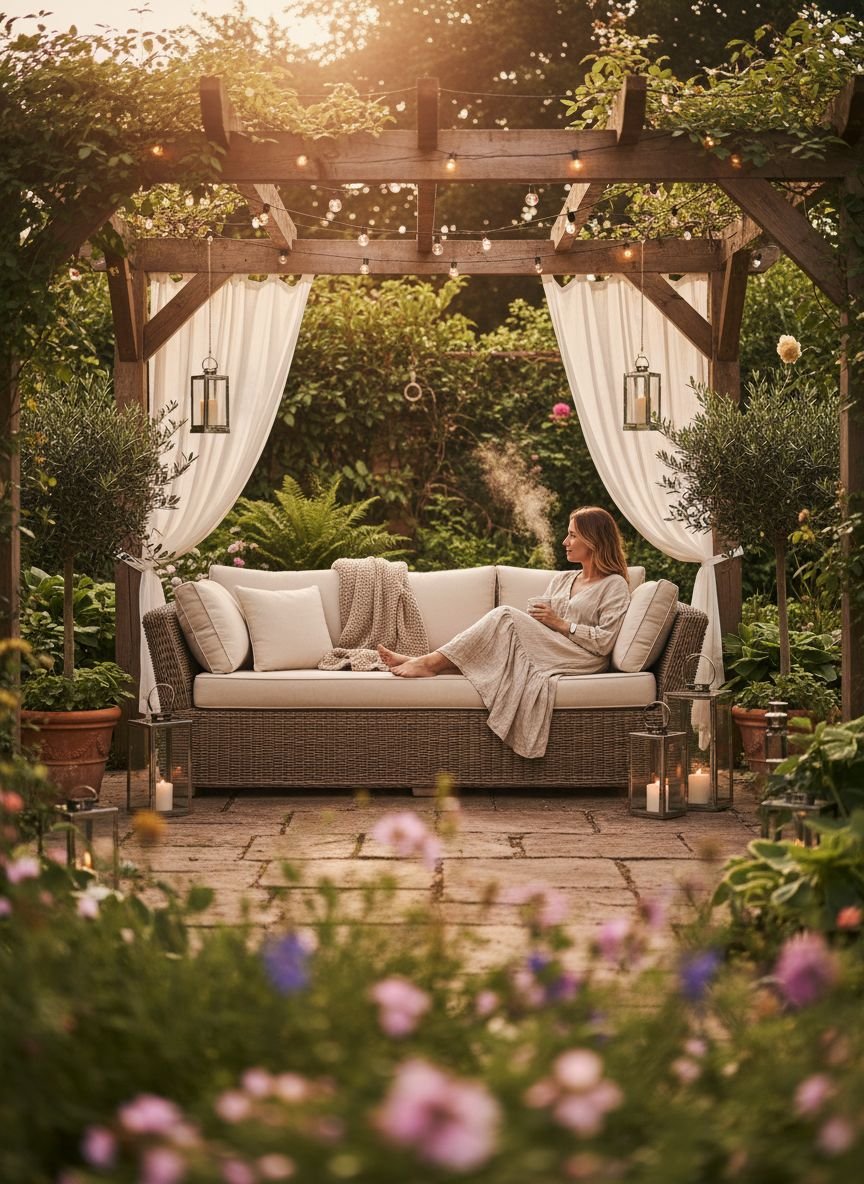
Reading isn’t strictly an indoor activity. A garden nook allows you to immerse yourself in nature while you get lost in a story. The challenge here is durability. You need materials that can withstand the elements or are easy to bring inside.
Choose a sheltered spot, perhaps under a tree, a pergola, or on a covered patio. Use outdoor-rated furniture like teak or weather-resistant wicker. The crucial element for comfort is the textiles. Use outdoor performance fabrics for cushions that resist fading and mildew. Define the space with an outdoor rug to keep your feet off the dirt or cold concrete. Surrounded by blooming flowers or lush greenery, this becomes a multi-sensory retreat.
Pro Tip: Keep a “nook basket” by the back door containing a clean blanket, your book, bug spray, and a portable clip-light so you are always ready to head out.
Combine Bold Patterns with a Playful Style
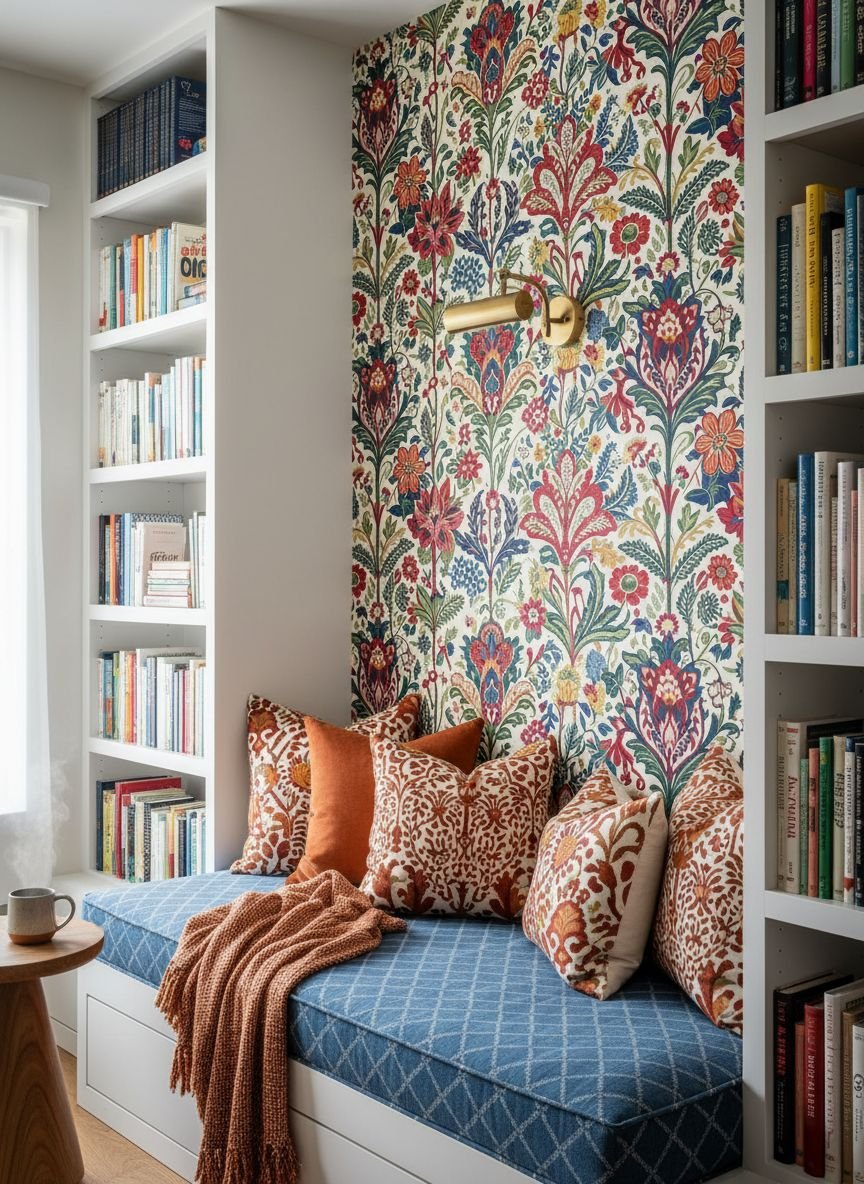
For the creative soul, a reading nook is a place to experiment with bold design choices that might be too intense for a whole room. Mixing patterns creates energy and vibrancy. This style stimulates the imagination, making it perfect for creative reading or brainstorming.
The trick to mixing bold patterns is to keep a consistent color thread. For example, if you use a black and white geometric rug, you can pair it with a polka dot chair and striped pillows, provided they share similar tonal values. Wallpaper the nook in a dramatic print to set the stage. This high-contrast look is stimulating and fun, turning the nook into a true design statement.
Pro Tip: Vary the scale of your patterns. Pair a large, oversized print (like a buffalo check) with a smaller, intricate print (like a paisley) to prevent the space from looking chaotic.
Save this idea to your Pinterest.
Maintenance Tips for Your Nook
- Fluff Weekly: Rotate and fluff cushions to prevent permanent indentations.
- Dust Shelves: Books collect dust rapidly. Wipe down spines and shelves bi-weekly.
- Check Lightbulbs: Dimming bulbs cause eye strain. Replace them as soon as they start to flicker or fade.
- Textile Care: Wash throw blankets monthly to keep the space smelling fresh and inviting.
Popular Asked Questions
What are the absolute essentials for a reading nook?
To create a functional nook, you need four key items: a comfortable seat (chair, bench, or floor cushions), adequate lighting (ideally a mix of task and ambient), a surface for your drink or book (side table or shelf), and soft textiles (blankets and pillows) to ensure physical comfort.
How can I make a reading nook in a small space?
Look for underutilized vertical space or corners. A “floating” nook can be created with a wall-mounted chair or by clearing out a closet. Use multifunctional furniture, like a storage ottoman that serves as both a footrest and a seat, to maximize every square inch.
What is the best lighting for reading to avoid eye strain?
Layered lighting is best. Combine a floor lamp for general glow with a focused task light (like a directional reading lamp) that shines directly on your page. Warm light bulbs (around 2700K-3000K) are generally more relaxing and better for evening reading than harsh cool white bulbs.
Where is the best place to put a reading nook?
The best location is away from high-traffic areas like the kitchen or main entry. Look for quiet corners in a bedroom, a sunroom, an unused dining room corner, or even a wide hallway landing. Proximity to a window is a huge bonus for natural light.
How do I style a cozy reading corner on a budget?
Shop your own home first. Move a comfortable chair from another room into a corner. Use a stack of books as a side table. Add coziness with a spare blanket and pillows you already own. Fairy lights are a very cheap way to add magical ambiance without expensive electrical work.
Conclusion
Creating a reading nook is about more than just furniture arrangement. It is about carving out space for yourself in your own home. Whether you choose a sleek modern corner, a hidden attic retreat, or a vibrant bohemian escape, the goal remains the same: comfort and peace.
By following these 15 styling tips, you can transform any awkward corner into a beloved sanctuary. Start with the lighting, add layers of texture, and do not forget the personal touches that make the space uniquely yours.




Leave a Comment