
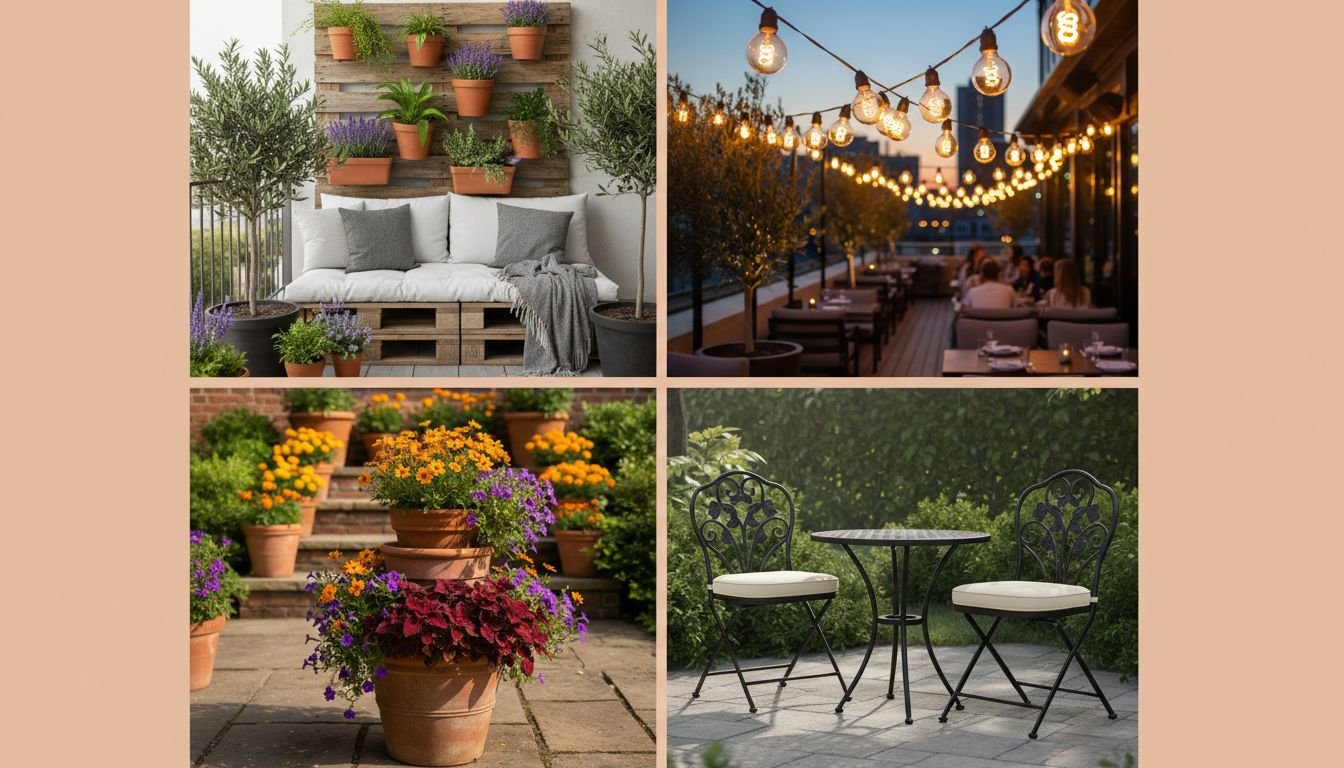
You open your back door and stare at a tiny patch of concrete or a narrow strip of neglected earth. It feels less like an oasis and more like a claustrophobic box. You want a lush retreat, a place to sip coffee surrounded by jasmine and morning light, but your bank account is tight, and your square footage is even tighter. You might think you need a professional landscaper or thousands of dollars to fix it.
Some of the most stunning gardens in the world are pocket-sized. By using vertical space, optical illusions, and smart zoning, you can trick the eye into seeing depth where there is none. This guide isn’t just a list of pretty pictures; it is a tactical manual for homeowners and renters who want to maximize every inch of their outdoor footprint without breaking the bank.
Key Takeaways
- Verticality is King: When you can’t build out, you must build up using trellises, hanging baskets, and wall planters.
- Zoning Creates Depth: Even a 5×5 foot space feels larger when divided into a “lounging zone” and a “planting zone.”
- Mirrors are Magic: Strategically placed outdoor mirrors can instantly double the visual size of your garden.
- Flooring Matters: Ditching the lawn for gravel or rugs reduces maintenance and cost while elevating the aesthetic.
- Light it Up: Solar lighting is the cheapest way to add luxury and ambiance to a small space at night.
Table of Contents
- Plan Your Space Efficiently
- Multifunctional Furniture
- Get Creative with Planters
- Use Your Walls and Fence
- Vertical Space
- Create a Container Garden
- Ditch the Lawn
- Add Lighting
- Install a Small Path
- Use Small Patio Furniture Sets
- Use Color to Divide Zones
- Hang a Hammock From Trees
- Popular Asked Questions
- Conclusion
Plan Your Space Efficiently
Before you buy a single plant or bag of gravel, you must master the art of spatial planning. In a large garden, mistakes are absorbed by the landscape. In a small garden, every inch counts. The secret to a “pocket-sized paradise” is not filling the space, but curating it.
Start by measuring your plot exactly. Sketch it out on paper. Now, apply the “Rule of Thirds.” Divide your garden into a grid. Place your focal point—perhaps a small bistro table or a statement plant—at one of the intersections. This prevents the “bowling alley” effect common in narrow gardens. You also need to consider “borrowed views.” If your neighbor has a beautiful large tree, arrange your seating to face it. You get the visual benefit of the greenery without the maintenance or the root system taking up your soil.
Pro Tip: Use string and stakes to physically map out your “zones” before committing. Walk around the space. If you have to squeeze sideways to get past a potential chair, your layout needs adjustment. Comfort is the ultimate luxury in a small space.
Multifunctional Furniture
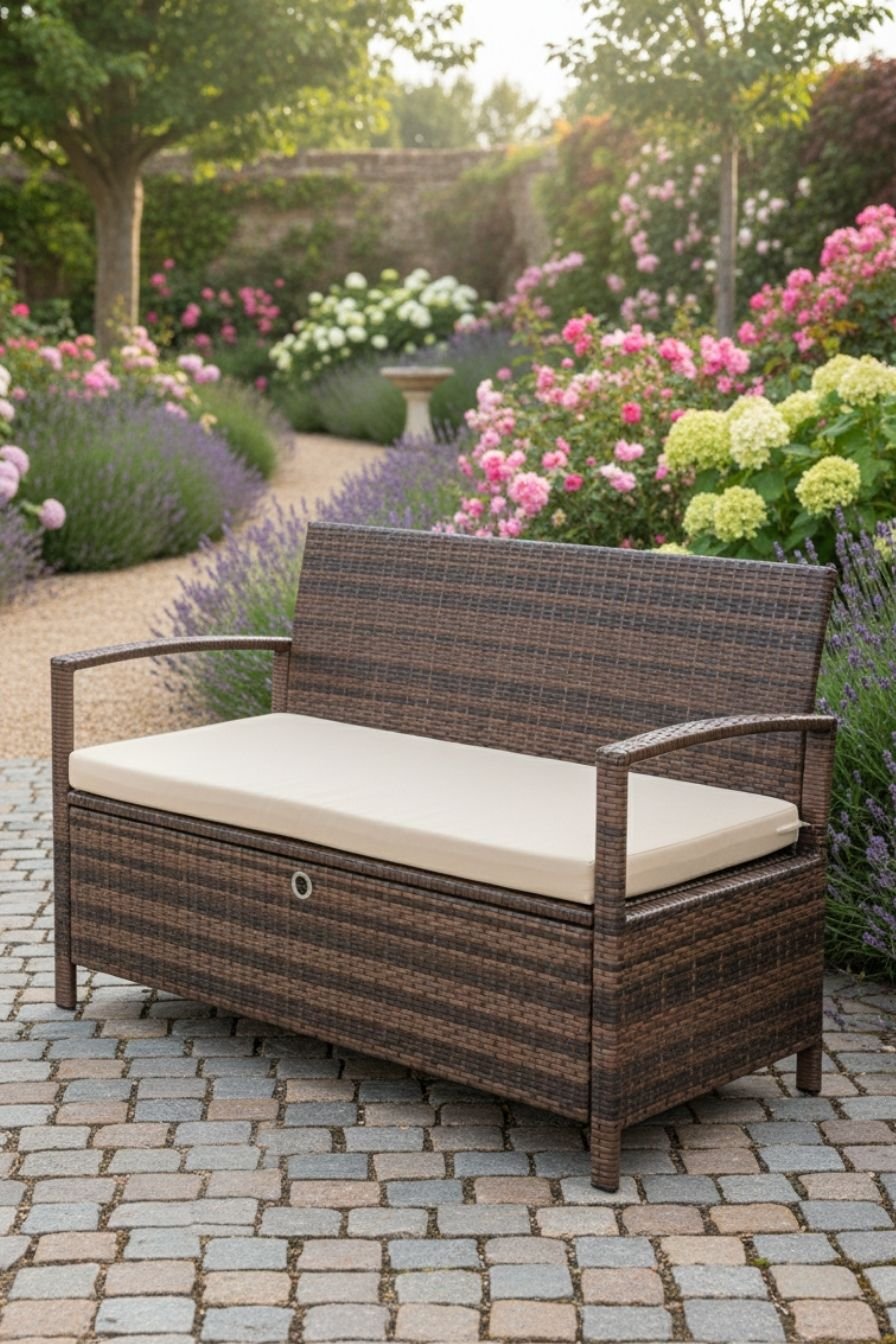
In a tiny garden, a chair cannot just be a chair. It must be a storage unit, a plant stand, or a dining area. Multifunctional furniture is the cornerstone of budget-friendly small garden design because it saves you the cost and footprint of buying multiple pieces.
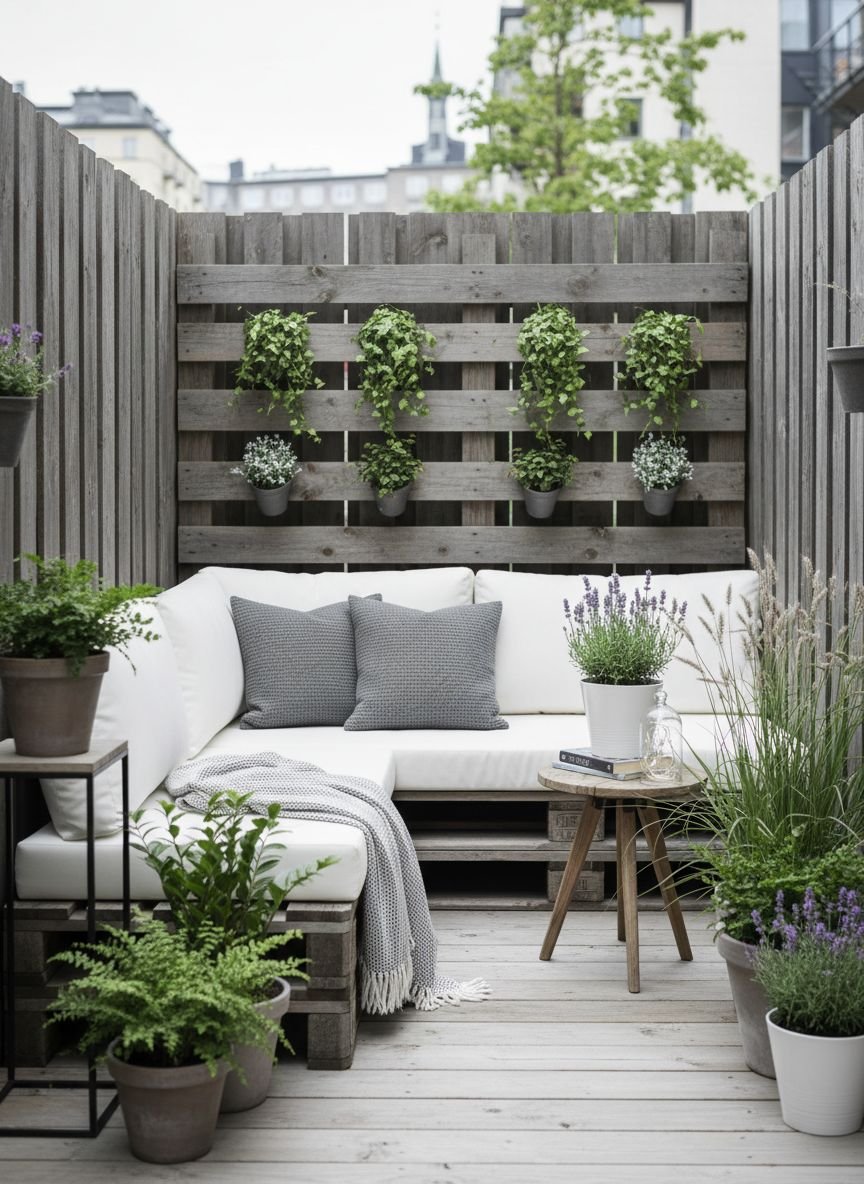
Look for benches with lift-up seats. These are perfect for storing cushions, trowels, and bags of compost that would otherwise clutter your visual field. Another brilliant option is a fold-down wall table. Mounted to a fence or wall, it serves as a dining table for two when needed and disappears completely when you want to use the space for yoga or gardening. Pallet furniture is also a massive trend here. You can build a sofa base from free pallets that doubles as a bug hotel or storage for small pots underneath.
Pro Tip: If you love to cook outdoors but lack space, consider a compact DIY prep station that mimics a full kitchen. For inspiration on how to scale this down, look at our guide on 25 Stunning BBQ Island Ideas To Transform Your Backyard Oasis.
Get Creative with Planters
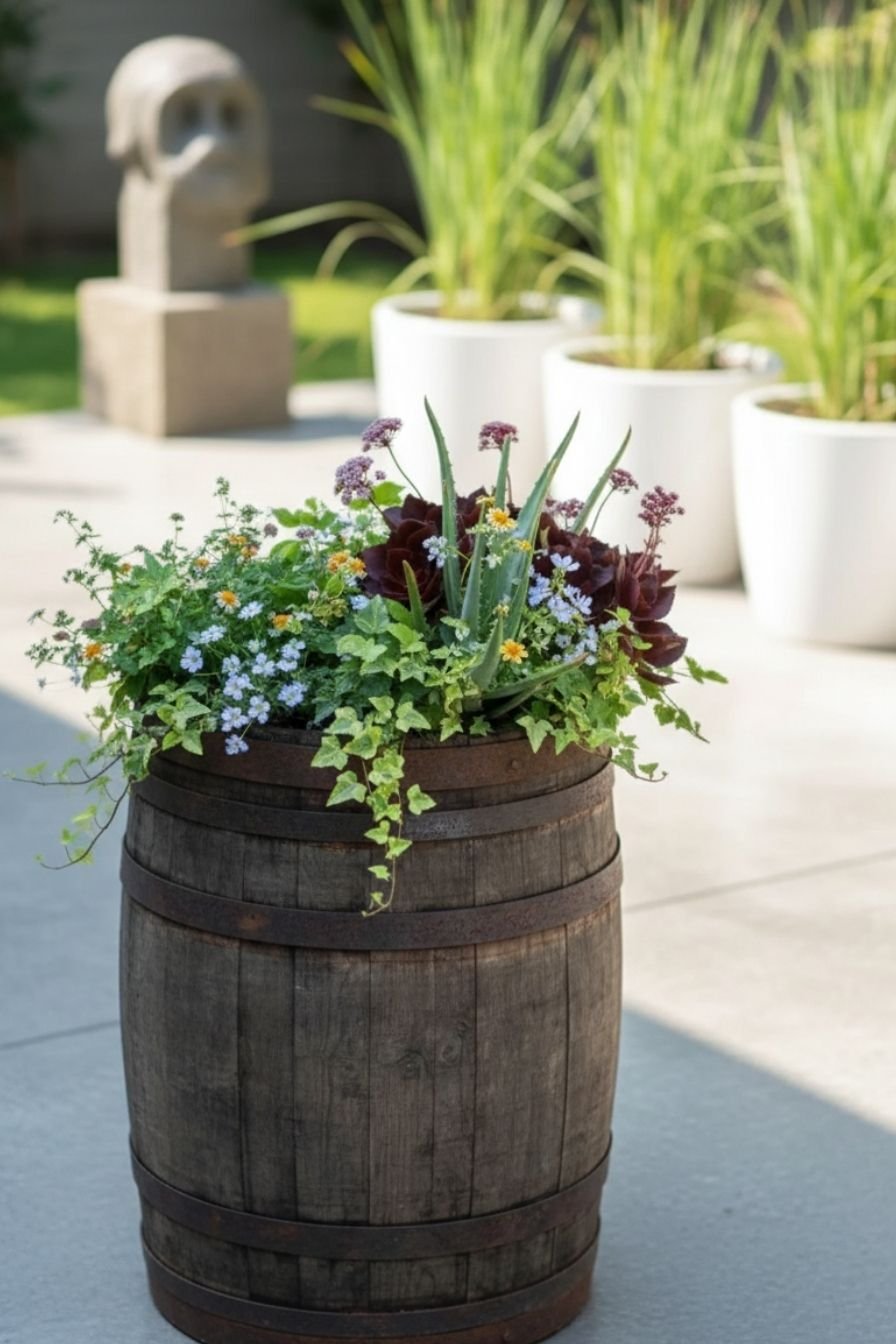
Buying ceramic pots can drain a budget faster than almost anything else in gardening. To keep costs low and style high, you need to look at “trash” through a designer’s lens. Upcycling is not just cheap; it adds a layer of rustic, personalized charm that mass-produced plastic pots cannot match.
Vintage tin cans, olive oil drums, and even old colanders make exceptional planters. The key to making them look “chic” rather than “messy” is uniformity. If you use tin cans, strip the labels and spray paint them all a matte black or copper. If you use old tires, wrap them in rope (sisal) to create a texture that looks like expensive woven baskets. Wooden wine crates are another goldmine; they stack easily to create height and have a naturally weathered aesthetic that suits cottage-style gardens perfectly.
Pro Tip: Drainage is non-negotiable. If you are upcycling a non-porous item like a metal bucket or a plastic tub, you must drill at least three holes in the bottom. Without this, your budget garden will turn into a swamp, and your plants will rot.
Use Your Walls and Fence
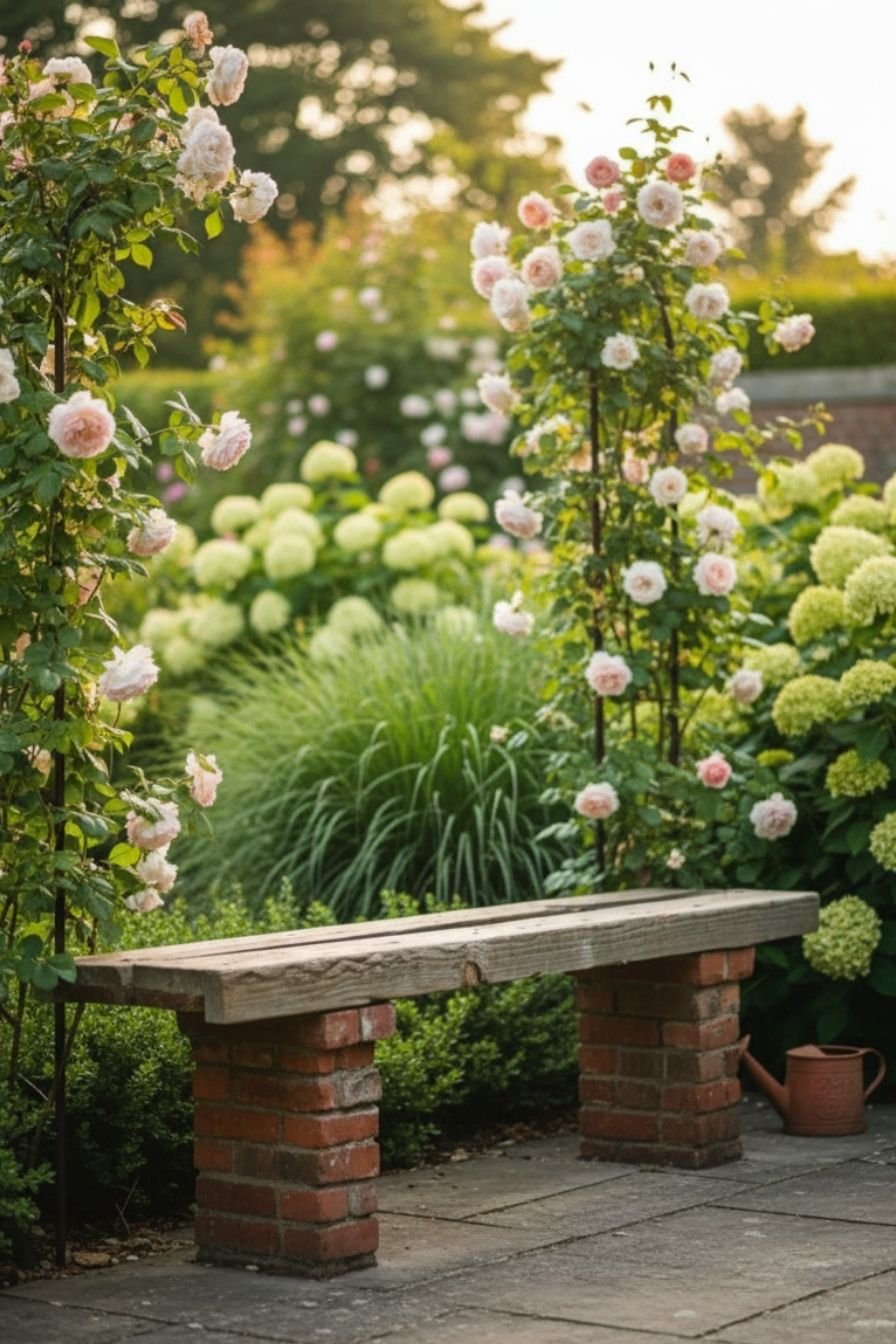
Your fence is the biggest surface area in your garden, yet most people ignore it. In a small garden, the fence is your canvas. Treating vertical boundaries like interior walls blurs the line between indoors and outdoors, making the space feel like an extension of your home.
One of the most powerful optical illusions is the use of mirrors. Just as in a small bathroom or hallway, a well-placed mirror on a garden wall reflects light and greenery, effectively “doubling” the space. You can use an old window frame with mirrored glass to create a “portal” effect, making it look like the garden continues through a window into another secret area. Painting your fence a dark color, like charcoal or deep forest green, also helps it recede visually, making the green of your plants pop and the boundaries of the garden feel less rigid.
Pro Tip: For specific styling techniques on using reflective surfaces to open up tight spaces, read our deep dive on 26 Living Room Mirror Ideas Designers Swear By. The same principles of light and depth apply perfectly to outdoor courtyard walls.
Vertical Space
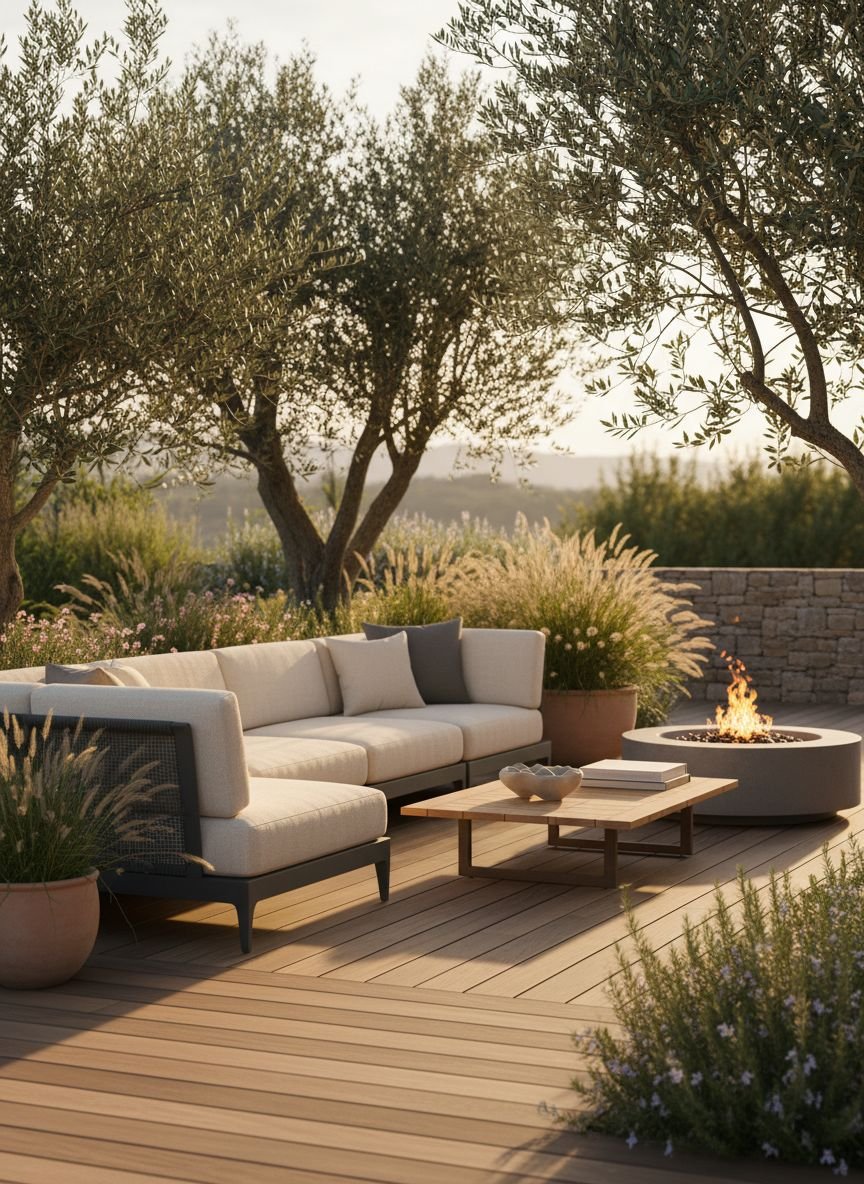
When the ground is full, look to the sky. Vertical gardening is the hallmark of the modern small garden. It allows you to grow a lush tapestry of foliage without sacrificing a single square foot of floor space. This is particularly crucial for renters who might not be allowed to dig up the ground.
You can install a simple trellis against a wall for climbing plants like jasmine or clematis. These plants draw the eye upward, emphasizing height rather than the lack of width. Another budget-friendly option is a “pocket garden”—a fabric shoe organizer hung on a fence, with each pocket filled with soil and herbs. It creates a living wall for pennies. For a more structural look, use a ladder shelf. Lean an old wooden ladder against a wall and place pots on the rungs. This tiered approach ensures every plant gets sunlight and creates a waterfall effect of greenery.
Pro Tip: Choose “cut-and-come-again” crops for your vertical wall, such as lettuce, spinach, or basil. They stay compact, look lush, and provide food, giving you a triple return on your investment.
Comparison: Vertical Garden Systems
| Method | Cost | DIY Difficulty | Best For |
|---|---|---|---|
| Trellis & Climbers | Low | Easy | Covering ugly fences |
| Pallet Wall | Very Low | Medium | Herbs & succulents |
| Pocket Planters | Low | Very Easy | Renters (removable) |
| Ladder Shelves | Medium | Easy | Displaying decorative pots |
Create a Container Garden
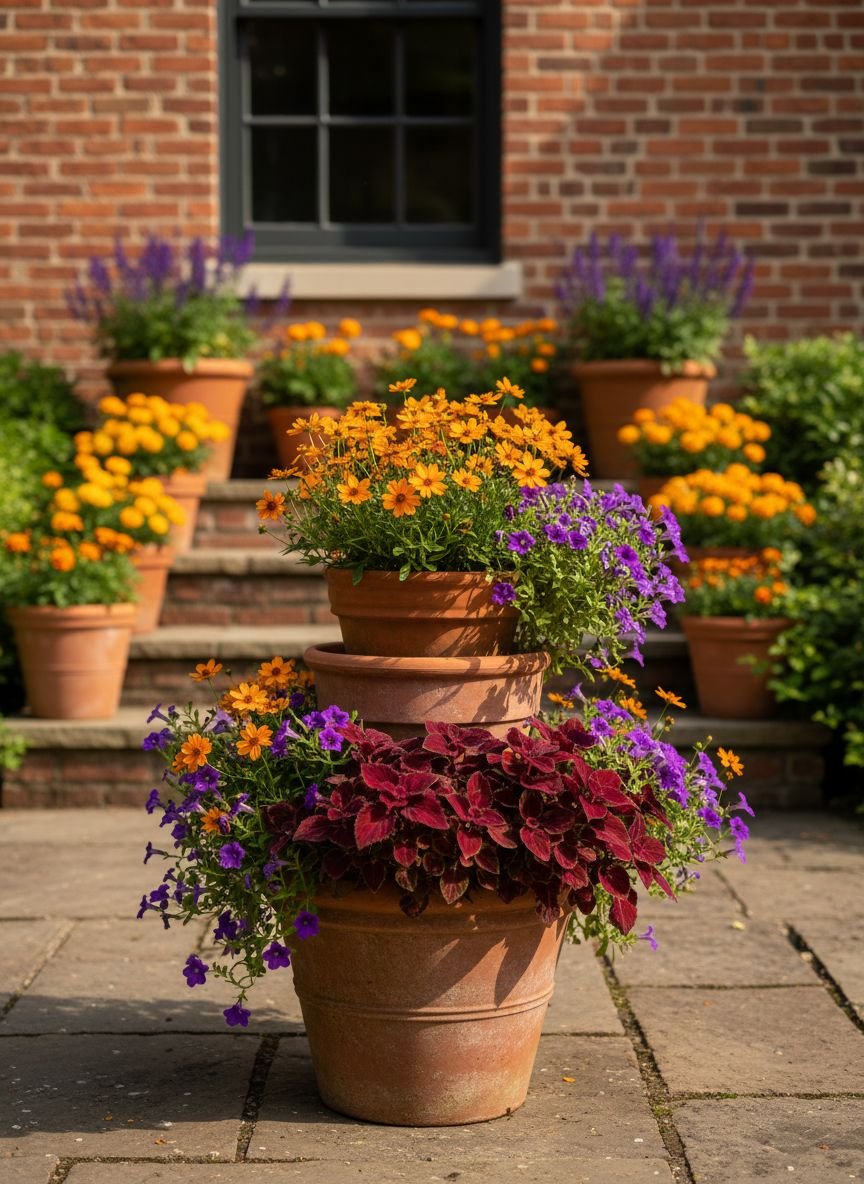
Container gardening is the ultimate solution for small, paved spaces or balconies. It offers flexibility that in-ground planting does not. If a plant isn’t thriving in one corner, you simply move the pot. If you move house, your garden comes with you. This mobility is a huge asset for budget gardening, as you never lose your investment.
The design principle here is “thriller, filler, spiller.” In a large central pot, plant one tall, dramatic plant (the thriller), surround it with mid-height mounding plants (the filler), and finish with trailing vines that hang over the edge (the spiller). This creates a professional, abundant look. To save money, buy perennials (plants that come back every year) rather than annuals. Group pots in odd numbers (3, 5, or 7) to create vignettes. A cluster of pots looks like a deliberate garden feature; a single pot in a corner looks lonely.
Pro Tip: To save money on soil (which can be expensive), fill the bottom third of large pots with crushed empty plastic bottles or packing peanuts. It improves drainage, reduces the weight of the pot, and saves you from using bags of potting mix where roots won’t reach anyway.
Ditch the Lawn
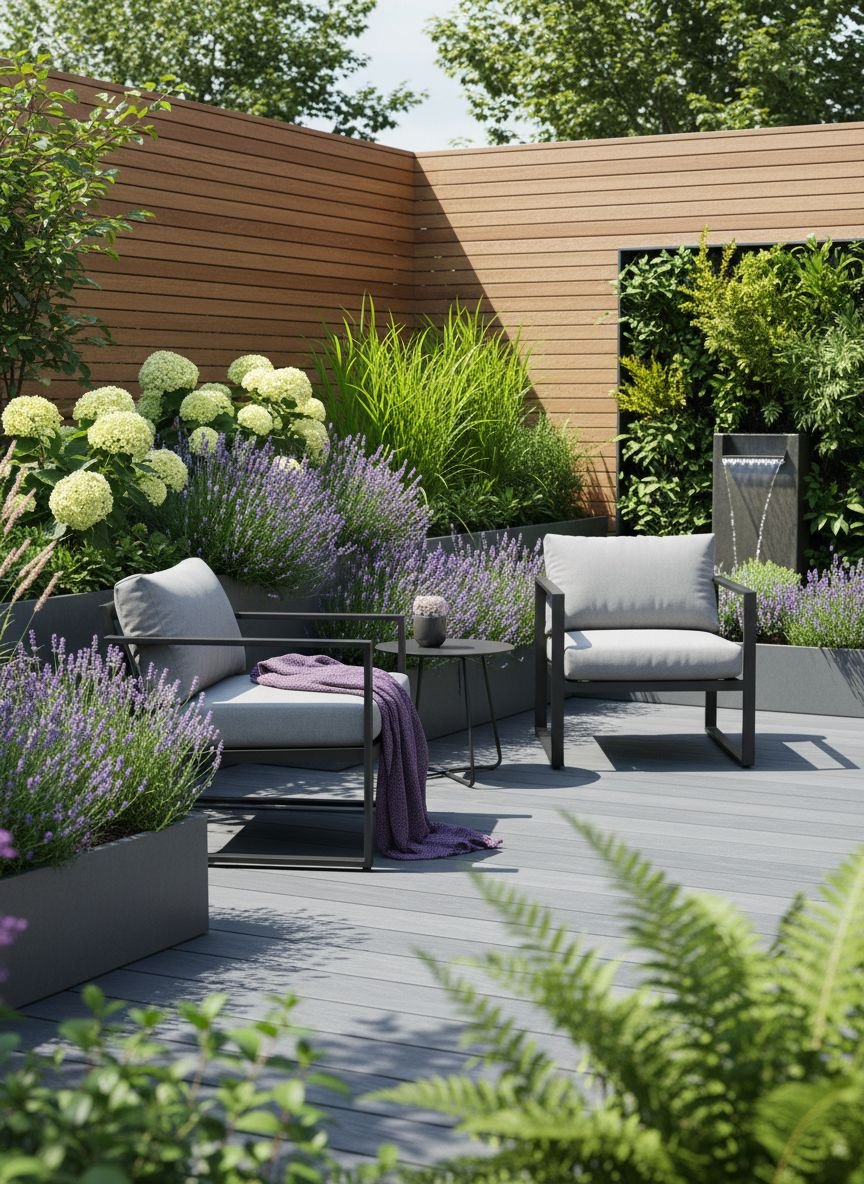
In a very small garden, a lawn is often more trouble than it is worth. It requires a mower (storage issue), watering (cost issue), and edging (time issue). Often, small patches of grass end up looking patchy and worn. Removing the lawn is a bold move that instantly upgrades the sophistication of a small space.
Replace the grass with hardscaping materials like gravel, wood chips, or paving. Gravel is the most budget-friendly option. It is permeable (great for drainage), easy to lay yourself, and provides a satisfying “crunch” underfoot that adds a sensory element to the garden. It also creates a neutral base that makes green plants look vibrant. If you miss the softness of grass, use an outdoor rug. Modern outdoor rugs are weather-resistant, affordable, and can introduce pattern and color that grass never could.
Pro Tip: If you choose gravel, you must lay down a weed membrane first. It costs very little and will save you hours of weeding later. Without it, your chic gravel courtyard will become a weed farm within weeks.
Add Lighting
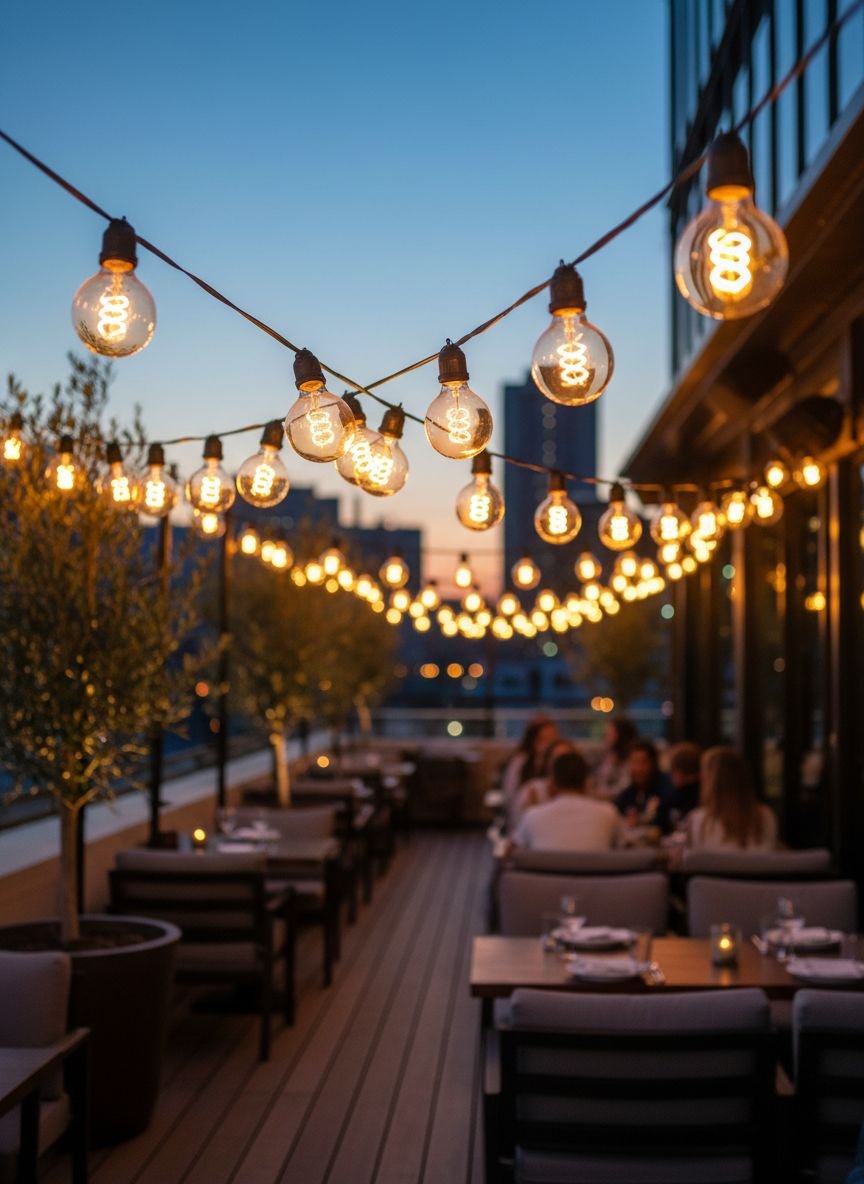
Lighting transforms a garden from a daytime viewing spot into an evening living room. In a small space, you don’t need floodlights—you need ambiance. The goal is to create pools of warm light that highlight textures and create shadows, adding mystery and depth.
Solar lighting is the champion of the budget garden. String lights (festoon lights) draped in a zigzag pattern overhead create a “ceiling,” making the space feel cozy and enclosed in a good way. Solar stake lights pushed into planters can uplift the foliage, making plants look sculptural at night. You can also make DIY lanterns using mason jars and solar tea lights. Group them on a table or hang them from tree branches for a “firefly” effect.
Pro Tip: Avoid cool white LEDs. They look clinical and harsh, reminiscent of a parking lot. Always look for “warm white” or “soft white” bulbs (2700K-3000K) to create that golden, inviting glow.
Install a Small Path
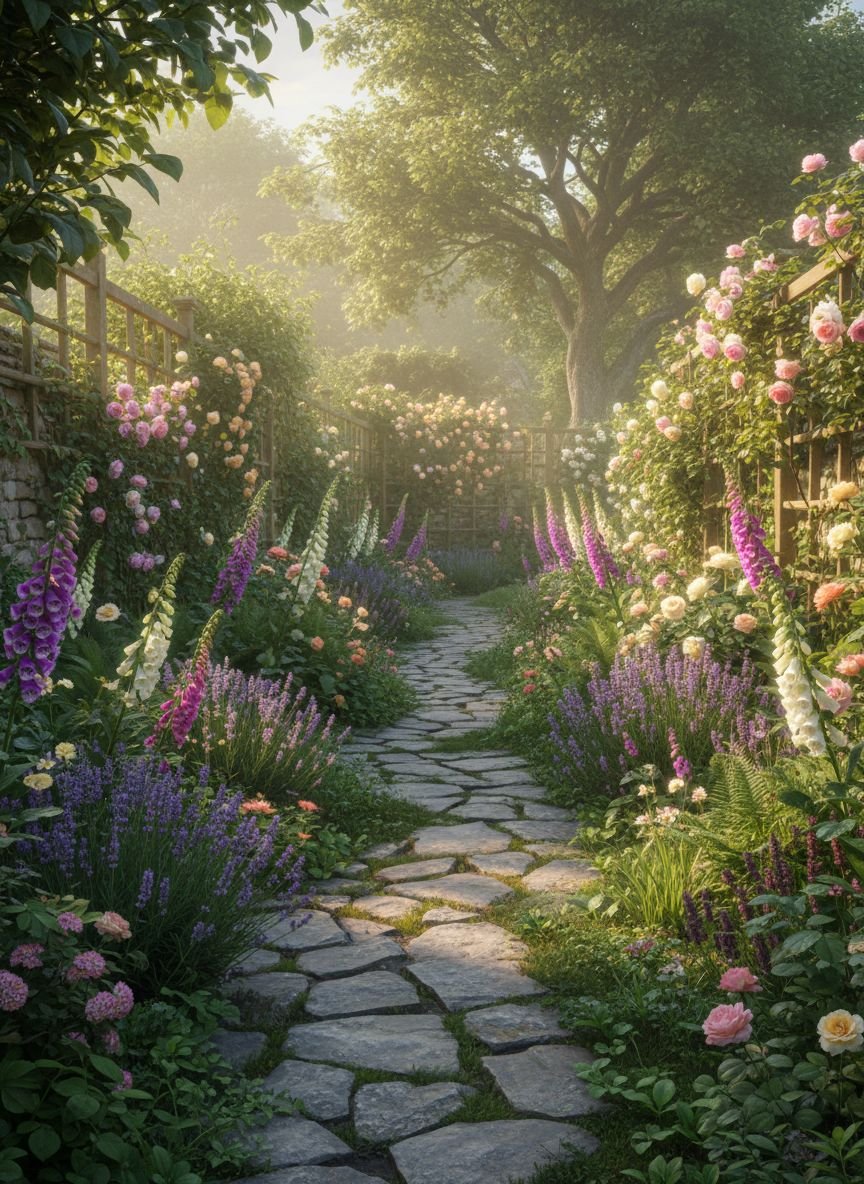
A path implies a journey. Even in a garden that is only 10 feet deep, a winding path creates a psychological sense of distance. It forces the eye (and the feet) to slow down, making the space feel larger than it is. A straight path reveals the whole garden at once; a curved path creates mystery.
You don’t need expensive flagstones. You can use reclaimed bricks, stepping stones, or even wood slices (rounds from a fallen log). Set them into a bed of gravel or bark mulch. The contrast between the stepping stone and the surrounding material adds texture. If you have a very narrow side return, a path of rectangular pavers laid horizontally can make the space feel wider.
Pro Tip: Soften the edges of your path by planting low-growing ground cover like creeping thyme or moss between the stones. It releases a scent when stepped on and blurs the hard lines of the paving.
Use Small Patio Furniture Sets
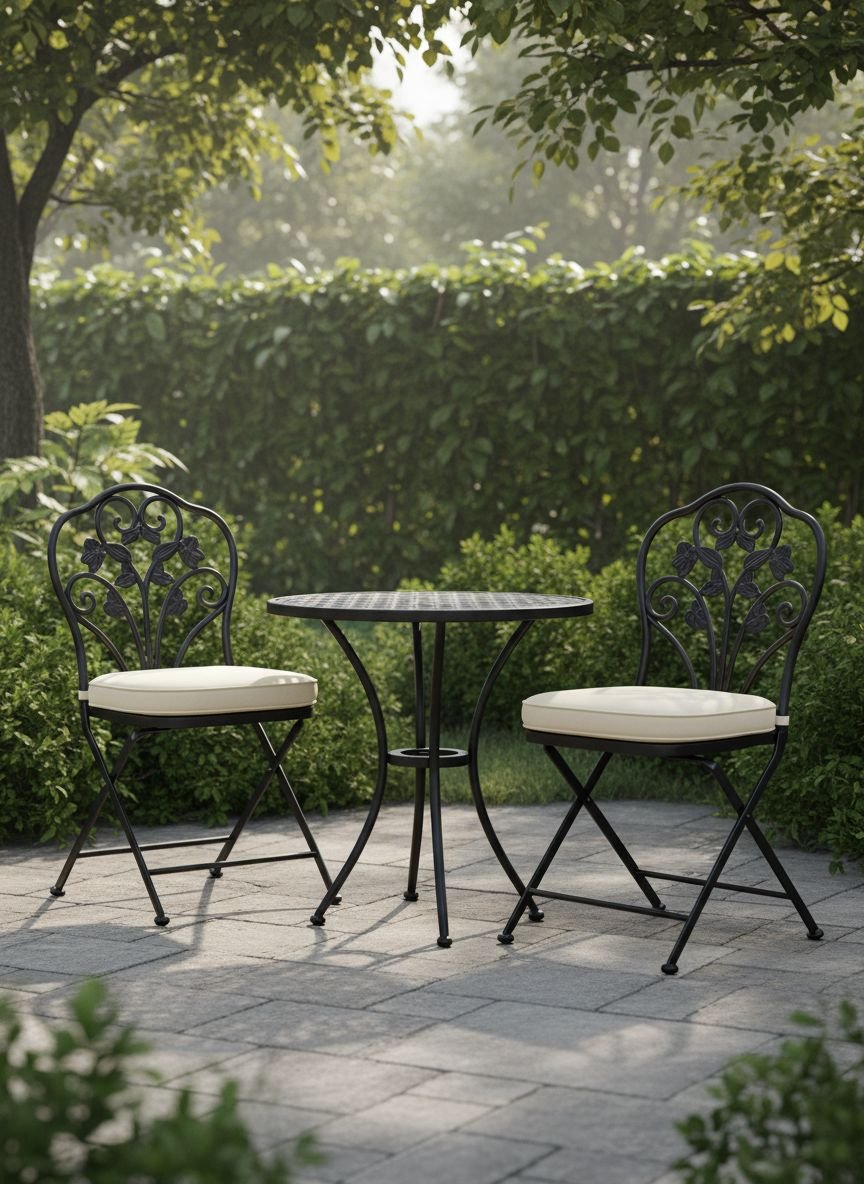
Scale is critical. A massive six-person dining set will swallow a small patio, making it feel cramped and unusable. Instead, embrace the charm of the “bistro” aesthetic. Small, round tables are easier to navigate around than square ones—no sharp corners to bump your shins on.
Look for “bistro sets”—usually two chairs and a small round table. These are designed for balconies and cafes and fit perfectly in tight corners. Metal sets with open, slat designs are excellent because you can see through them. This “visual permeability” means the furniture doesn’t block the view of the garden, keeping the space feeling open. If you need more seating, consider stacking stools that can be tucked away when not in use.
Pro Tip: Save this idea to your Pinterest. Paint your metal bistro set a bright, cheerful color like yellow or turquoise. It becomes a focal point and adds a pop of personality that distracts from the small size of the patio.
Related posts :
- 25 Stunning BBQ Island Ideas To Transform Your Backyard Oasis
- 26 Living Room Mirror Ideas Designers Swear By to Instantly Brighten Your Home
Use Color to Divide Zones
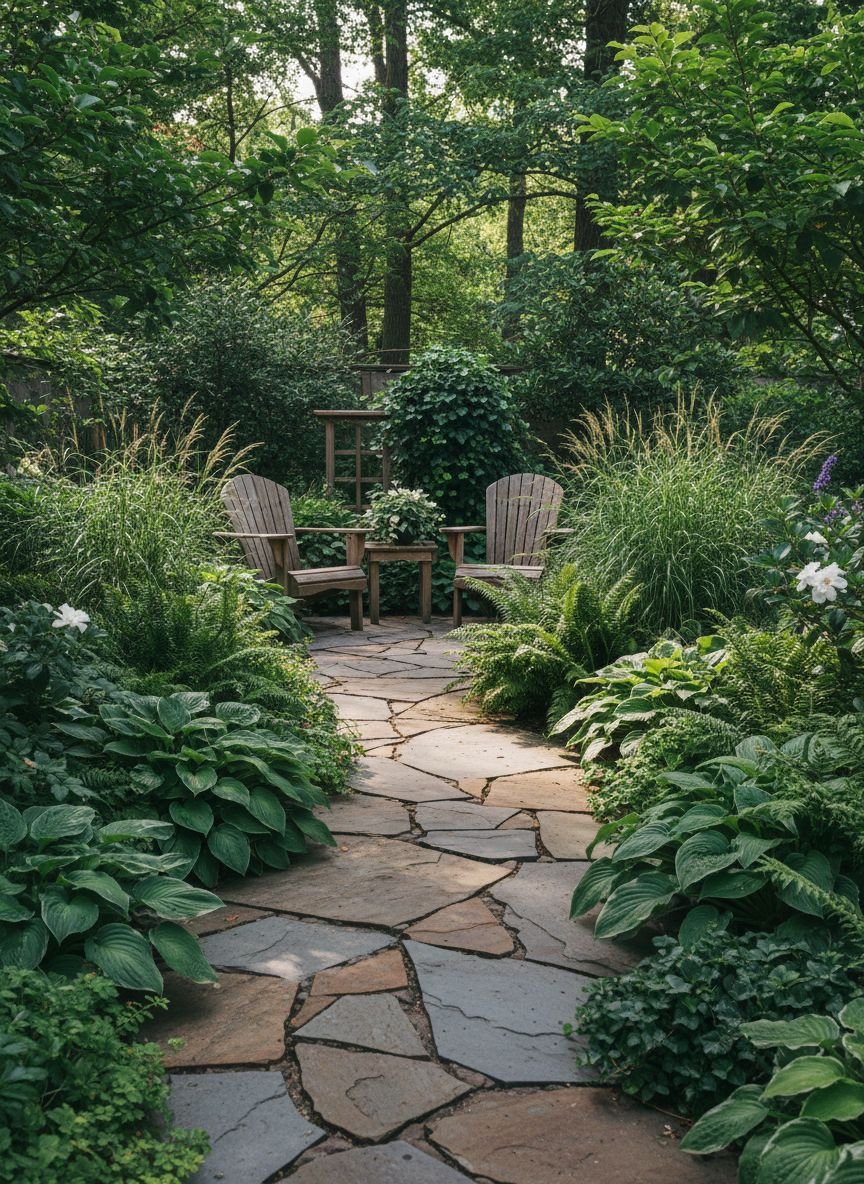
Color is a powerful zoning tool. In an open-plan interior, you might use a rug to define the living area. In a garden, you can use color on walls, fences, and plants to define different “rooms.” This breaks up the space and stops your eye from taking it all in at a single glance, which increases the perceived size.
For example, paint the fence behind your seating area a warm terracotta to create a cozy, Mediterranean vibe. Then, keep the planting zone cool with greens, whites, and purples. The contrast tells your brain, “These are two different places.” You can also use “color echoing”—if you have a purple cushion on your chair, plant purple lavender nearby. This connects the furniture to the landscape, making the design feel cohesive and expensive.
Pro Tip: Dark colors recede, while light colors advance. If you have a short garden, painting the back fence a dark charcoal will make it feel further away. Painting it bright white will bring it closer, which might feel brighter but will make the garden feel shorter.
Hang a Hammock From Trees
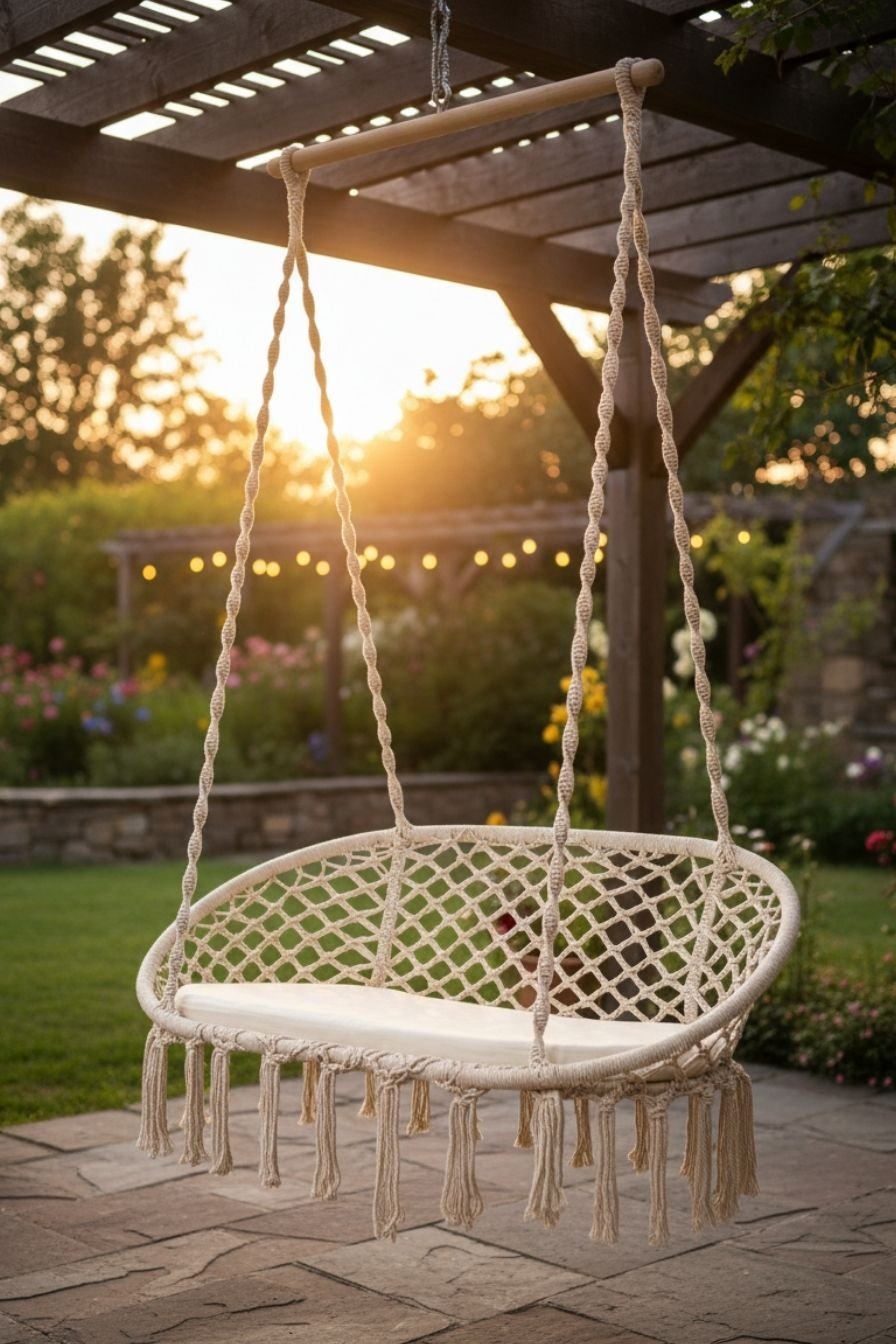
A hammock is the ultimate symbol of relaxation, and surprisingly, it is one of the most space-efficient pieces of furniture you can own. Unlike a lounger, which takes up floor space permanently, a hammock hangs in the “dead air” between trees or posts. When you aren’t using it, you can unhook one end and stash it away, reclaiming the space instantly.
If you don’t have mature trees (common in new build small gardens), you can install sturdy posts or buy a hammock stand. However, a stand takes up floor space. A better budget hack for renters is a “hammock chair” that hangs from a single sturdy branch or a bracket on a wall. It gives you the floating sensation without needing the 10-foot span of a full hammock.
Pro Tip: Styling matters. Throw a chunky knit blanket and a weather-resistant cushion on your hammock. It transforms a piece of fabric into an inviting “reading nook” that beckons you outside.
Popular Asked Questions
How do you make a small garden look nice on a budget?
To make a small garden look nice cheaply, focus on cleaning and decluttering first—it costs nothing. Then, use gravel instead of paving (it’s cheaper), paint your existing fences a trendy dark color to make plants pop, and use solar lights for ambiance. Grow plants from seeds or propagate cuttings from friends rather than buying expensive mature plants.
What is the cheapest way to cover a dirt garden floor?
The absolute cheapest way to cover a garden floor is wood chip mulch or bark, which is often available very cheaply or even free from local arborists. For a more permanent and stylish look, pea gravel is the most budget-friendly hardscaping option. It is much cheaper than concrete, decking, or pavers and is easy to install yourself.
How do I make my small garden look bigger?
You can make a small garden look bigger by using vertical lines (tall plants, trellises) to draw the eye up. Installing a mirror on a fence creates an illusion of depth. Using light-colored gravel reflects light, opening up the space. Finally, obscuring the boundaries with plants so you can’t see exactly where the fence meets the ground helps blur the edges of the room.
Can I have a garden if I rent and can’t dig?
Yes! The solution is container gardening. Use pots, troughs, and grow bags to plant vegetables and flowers. You can also use freestanding vertical planters or lean ladders against walls to hold pots. For the floor, cover ugly concrete with an outdoor rug or interlocking wooden deck tiles that snap together and can be removed when you move out.
Conclusion
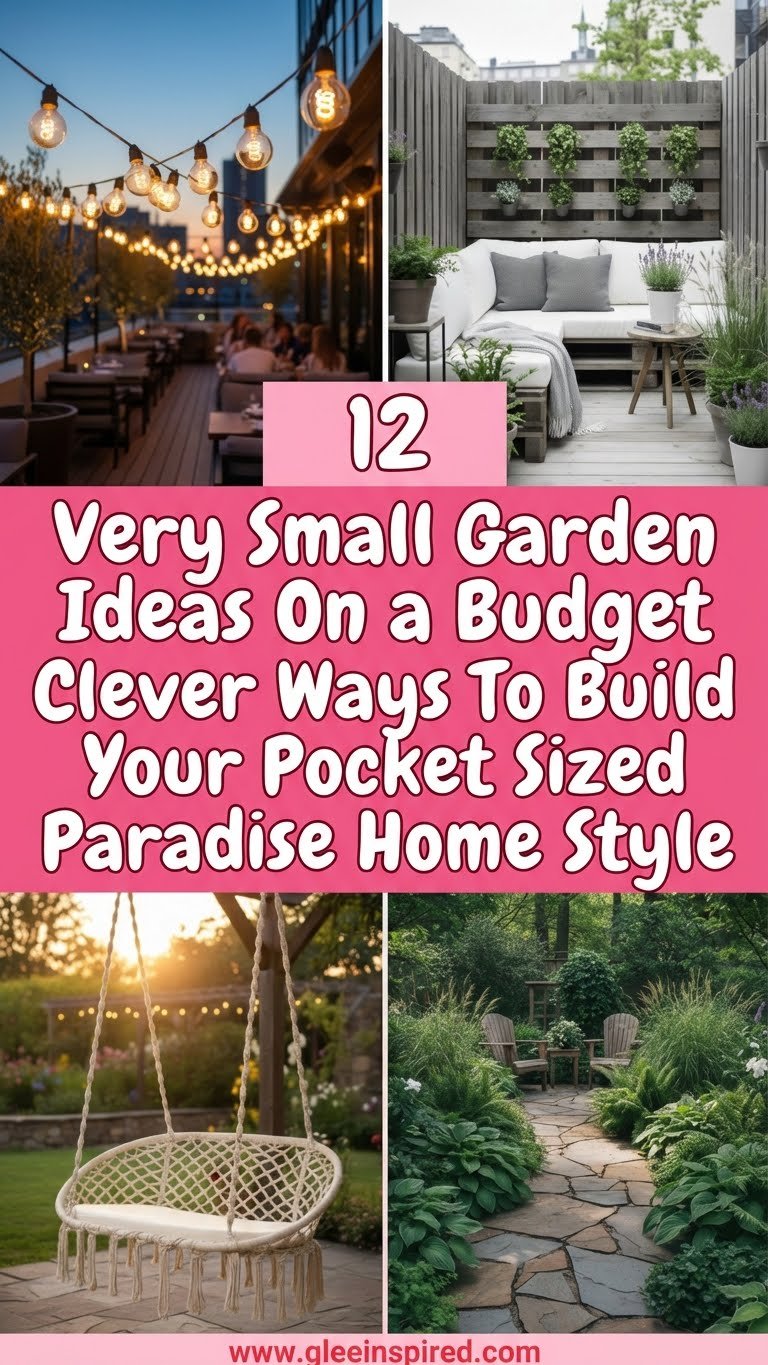
Creating a paradise in a pocket-sized garden is not about how much money you spend, but how smartly you use the space. By embracing vertical gardening, multifunctional furniture, and clever optical illusions like mirrors and zoning, you can transform a cramped backyard into a functional, beautiful sanctuary.
Remember, a small garden is manageable. It’s a space you can actually finish, maintain, and enjoy without being overwhelmed by chores. Start with one corner, clear the clutter, and add a single string of solar lights. You will be amazed at the difference.

Leave a Comment