
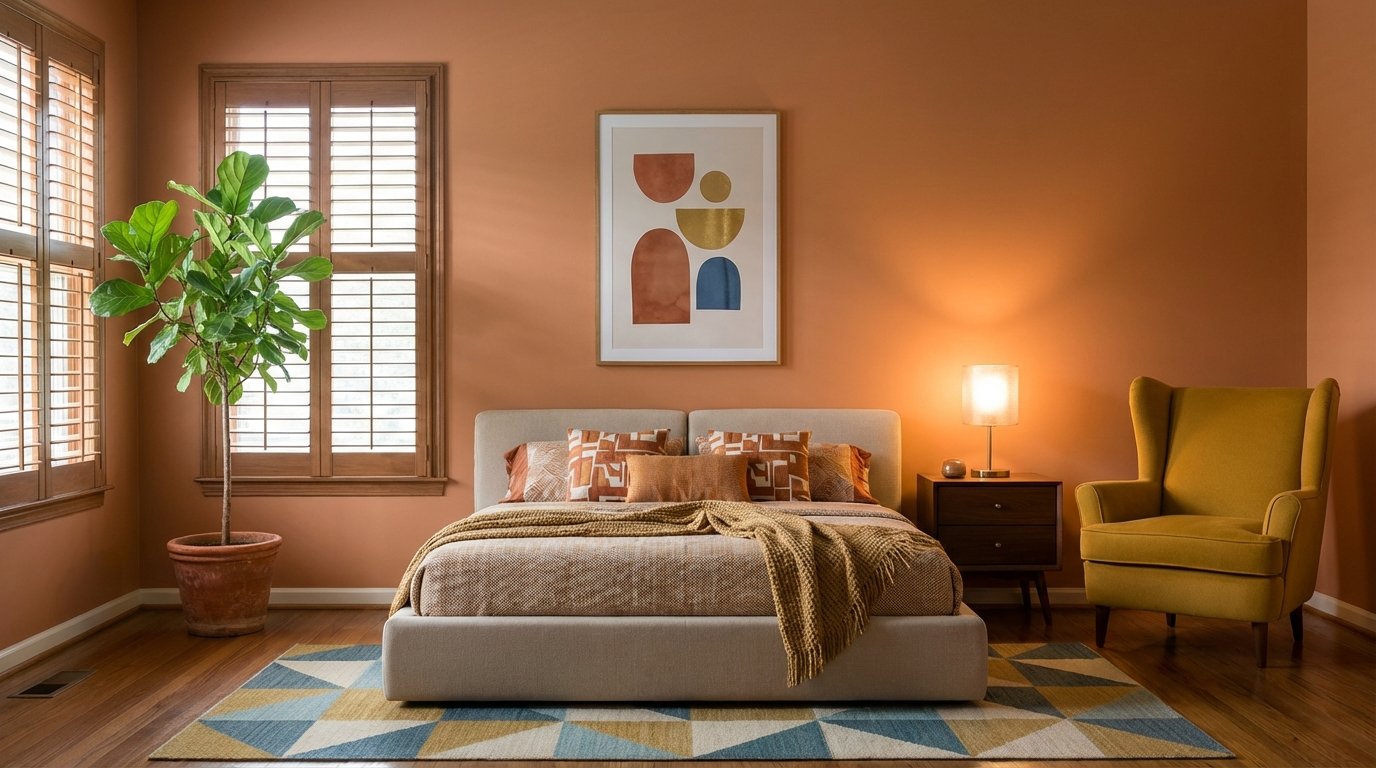
The 70s are back, and they are louder, cozier, and more stylish than ever.
If you are tired of sterile, all-white minimalist interiors, you are not alone. The “Cozy Revolution” is here, bringing with it the warm, earthy embrace of the 1970s. This isn’t just about nostalgia; it is about reclaiming comfort, personality, and bold self-expression in your most private sanctuary. A retro-inspired bedroom offers a retreat from the digital world, wrapping you in tactile textures and mood-boosting colors.
In this guide, you will discover how to blend the groovy aesthetics of the disco era with modern sensibilities. We are talking about spaces that feel curated, not cluttered. Whether you are renting a small apartment or redesigning a master suite, these ideas will help you create a dreamy, retro-inspired space that feels expensive and inviting.
Key Takeaways
- Texture is King: Layering shag, velvet, and rattan is essential for the authentic 70s “touchable” vibe.
- Warmth Over Coolness: Swap cool grays for warm browns, burnt oranges, and mustard yellows to instantly change the mood.
- Low Profiles: Furniture in the 70s sat lower to the ground, creating a relaxed and lounge-like atmosphere.
- Biophilic Design: Plants are not optional; they are a core architectural element of the retro style.
- Lighting Sets the Mood: Amber-toned bulbs and sculptural lamps are the secrets to that golden-hour glow.
Table of Contents
- Bold Color Palettes
- Retro Paint Colors
- Shag Rugs and Beautiful Textures
- Funky Wallpaper and Floral Accent Murals
- Vintage and Rattan Furniture Finds
- Velvet Furniture for a Luxurious Touch
- Macrame and Boho Decor Elements
- Earthy Textures and Materials
- Statement Art Pieces and Wall Murals
- Add Tropical Vibes
- Record Player Corner and Vintage Accessories
- Open Shelving with Funky Displays
- Layered Bedding Styles with Retro Patterns
- Second-hand 70’s Wood Furniture
- Groovy Textiles and Patterns as Accents
- Popular Asked Questions
- Conclusion
Bold Color Palettes
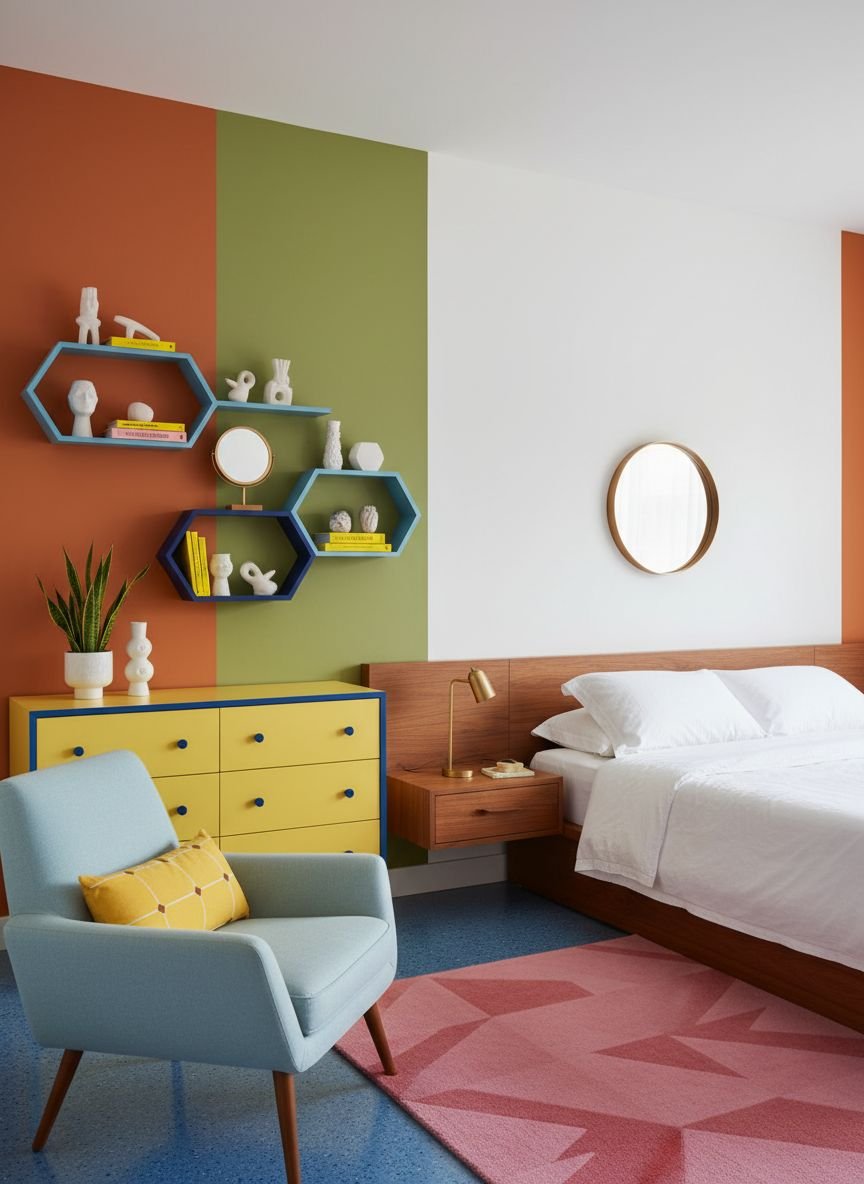
The foundation of any 70s-inspired bedroom is a fearless approach to color. Unlike the muted pastels of the 50s or the neon of the 80s, the 70s focused on deep, saturated hues that occur in nature but with the volume turned up. We are looking at a spectrum that includes sunset oranges, deep avocado greens, and rich chocolate browns. These colors work together to create a “cocooning” effect that makes the bedroom feel safe and warm.
To implement this without overwhelming a modern home, use the 60-30-10 rule. Let a warm neutral like cream or mushroom beige cover 60% of the room (walls). Use a bold color like terracotta for 30% (bedding, curtains). Finally, use a high-contrast accent like mustard yellow or teal for the remaining 10% (pillows, art). This keeps the space airy while still packing a retro punch.
Pro Tip: If you are afraid of painting walls dark, start with a “color block” arch behind your bed in burnt orange to act as a visual headboard.
Retro Paint Colors
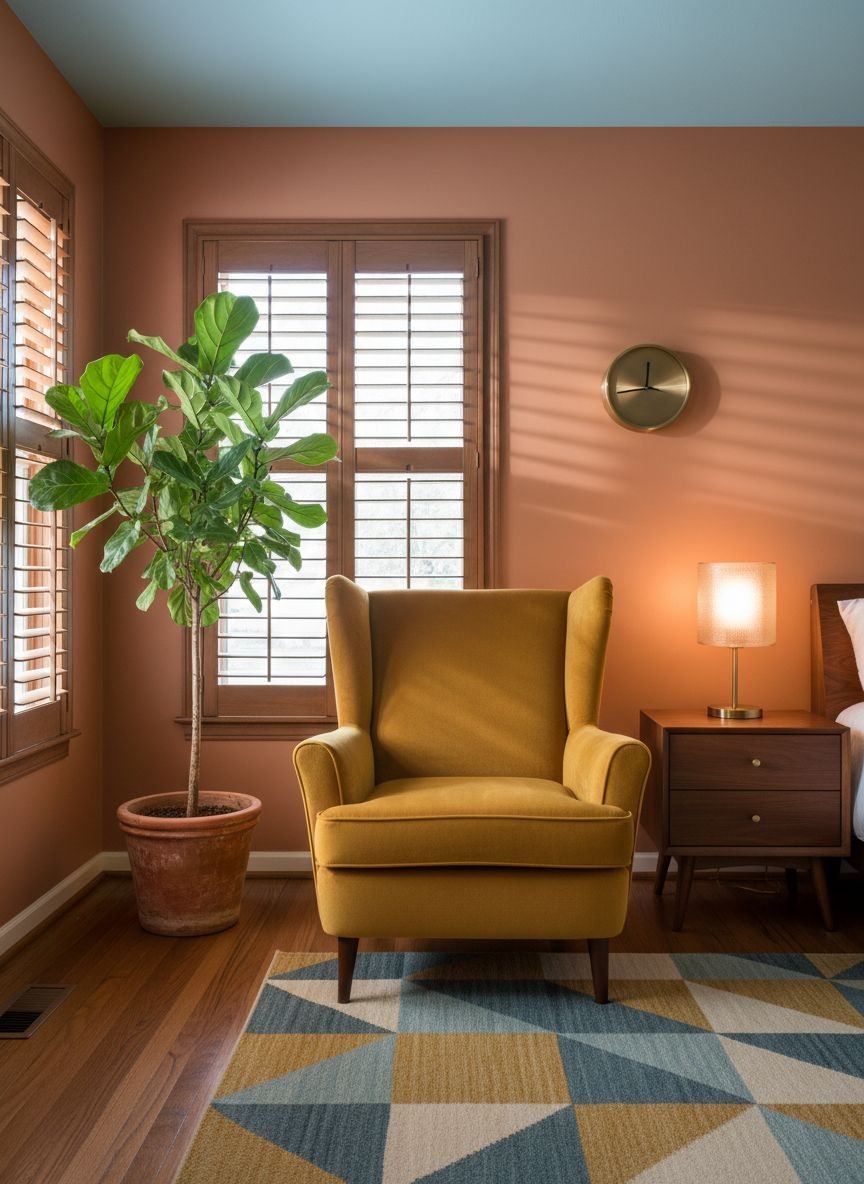
Choosing the specific paint shade is critical for nailing the vibe. You want colors that look like they have been sun-baked. Instead of a bright primary yellow, opt for “Harvest Gold” or “Ochre.” Instead of a standard green, look for “Olive” or “Moss.” These muddy, earthy tones are the hallmark of the era and pair beautifully with wood furniture.
When applying these colors, consider painting the ceiling. In the 70s, it was common to envelop the entire room in color to blur the lines between walls and ceiling. This technique, known as “color drenching,” creates an incredibly cozy and immersive experience. It works particularly well in smaller bedrooms where you want to distract from the lack of square footage by focusing on mood.
Pro Tip: Use a matte or eggshell finish for walls. High gloss can look too modern and clinical for this aesthetic.
Shag Rugs and Beautiful Textures
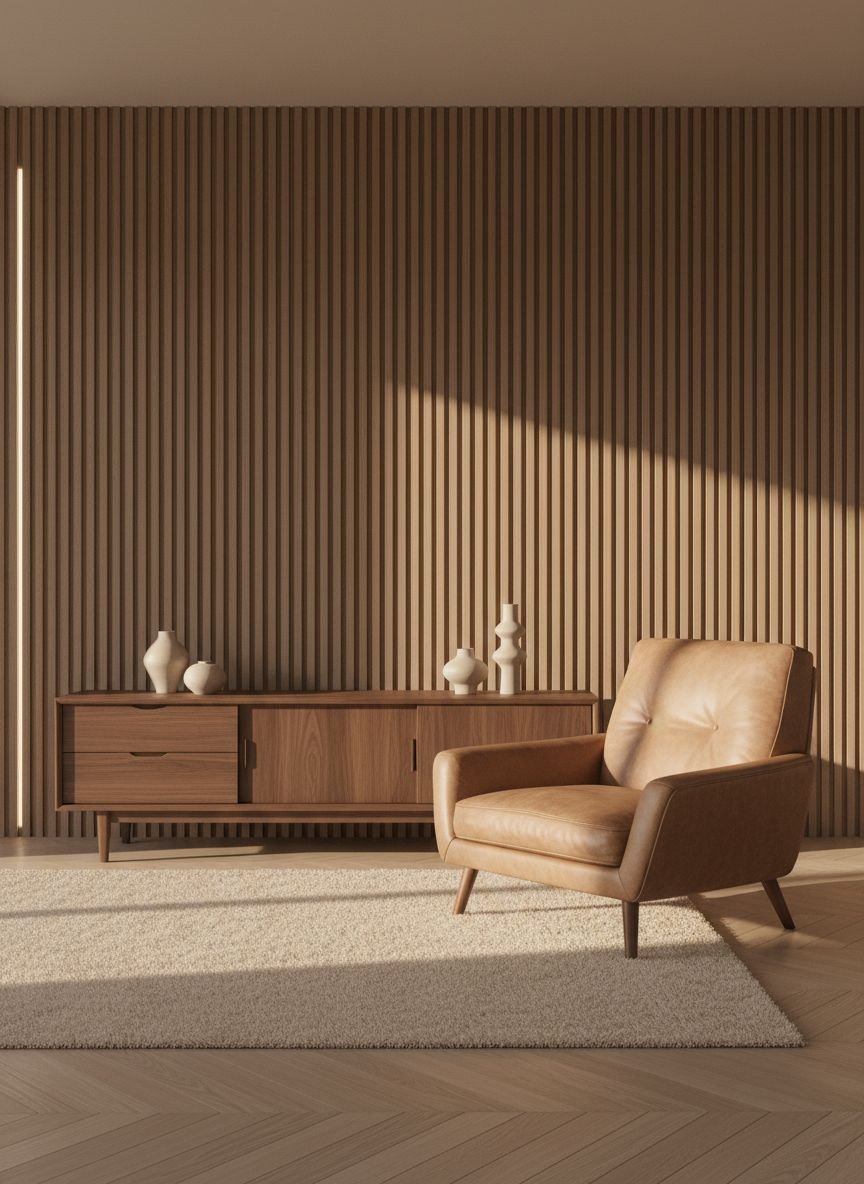
Texture is the secret ingredient that makes a 70s room feel authentic. The most iconic element is, of course, the shag rug. While wall-to-wall shag carpet might be a maintenance nightmare today, a large area rug can provide that same plush softness underfoot without the commitment. Look for “high pile” or “flokati” rugs in cream or beige to anchor the room.
Beyond the floor, think about texture on other surfaces. A bouclé armchair, a corduroy throw pillow, or a sheepskin draped over a bench all add layers of visual interest. The goal is to create a room that invites you to touch everything. The contrast between a fluffy rug and sleek wood furniture is visually satisfying and breaks up the heaviness of the earthy color palette.
Pro Tip: Place a sheepskin rug on top of a larger, flat-weave jute rug for a layered, bohemian look that adds dimension.
Funky Wallpaper and Floral Accent Murals
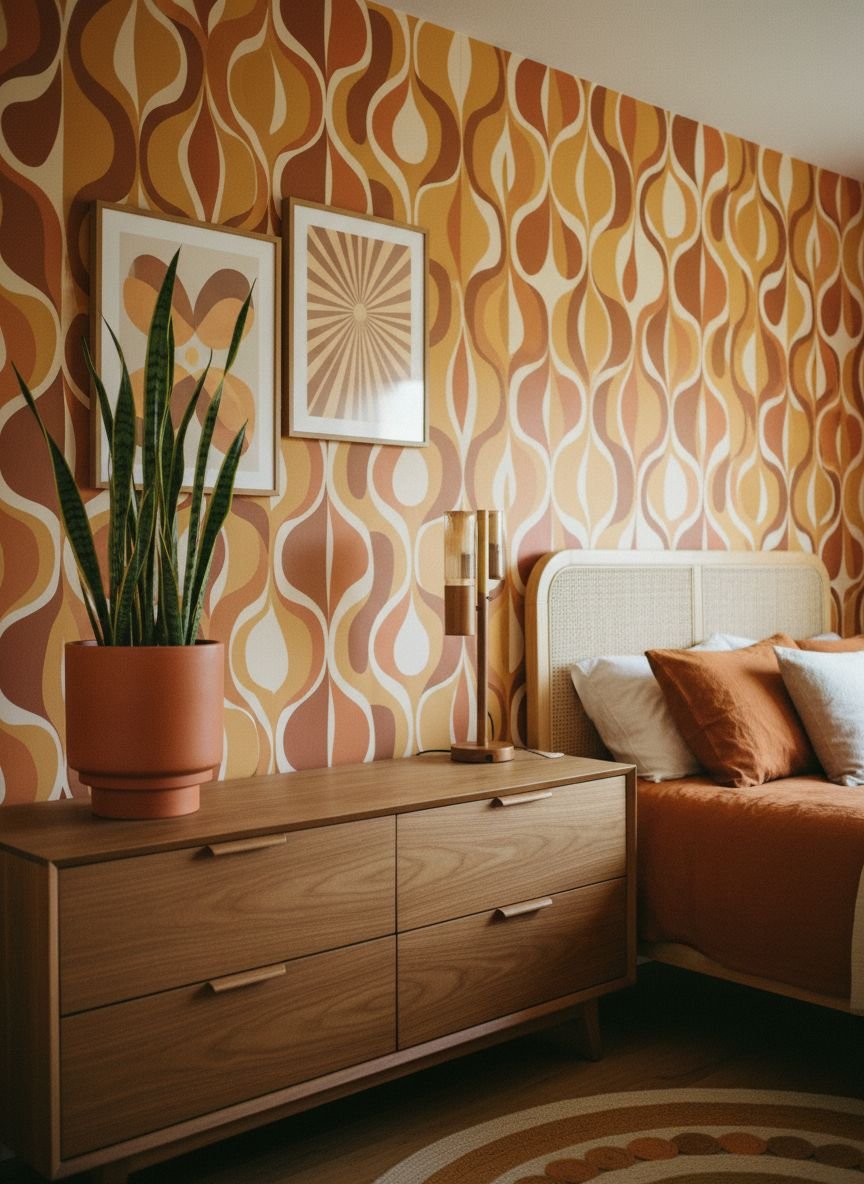
Walls in the 70s were rarely left bare. Wallpaper is a fantastic way to introduce the “Flower Power” energy into your space. Look for large-scale geometric prints or oversized floral botanicals. The key difference between 70s florals and traditional florals is the stylization; 70s flowers are often graphic, bold, and simplified rather than hyper-realistic.
If wallpapering an entire room feels too intense, create a feature wall behind your bed. Peel-and-stick wallpaper is a renter-friendly option that allows you to experiment with groovy swirls or paisley prints without damaging the drywall. Alternatively, you can paint a simple mural using arch shapes or wavy lines in three complementary colors to mimic the “supergraphics” style popular in that decade.
Pro Tip: Save this idea to your Pinterest. Match your bedding to one of the minor colors in your wallpaper to tie the room together.
Vintage and Rattan Furniture Finds
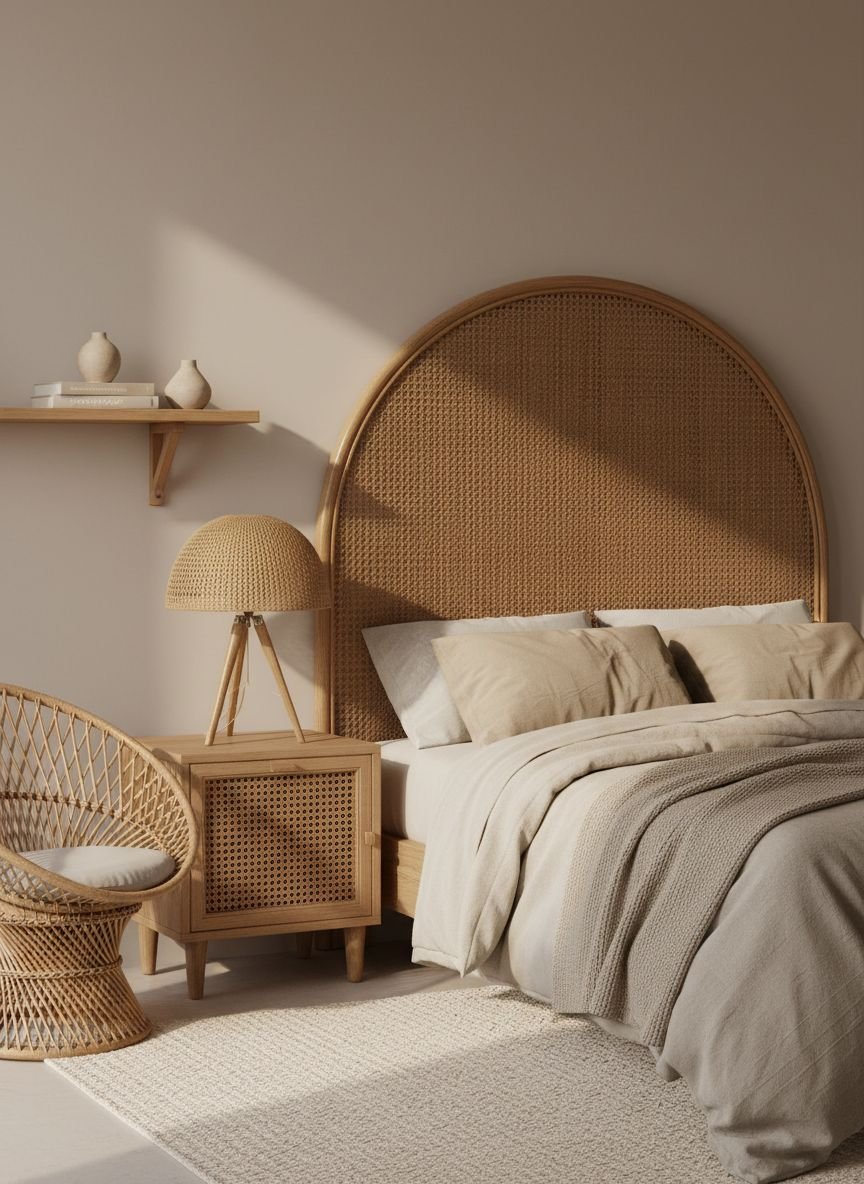
Rattan and wicker furniture experienced a massive boom in the 70s as part of the drift toward natural, bohemian living. These pieces bring an airy, lightweight feel to the bedroom, which balances out the heavier velvet textures and dark wood. A rattan peacock chair is the ultimate statement piece, but a simple wicker headboard or bamboo side table works just as well.
When hunting for these pieces, check local thrift stores or Facebook Marketplace. Authentic vintage rattan often has a warmer, honey-colored patina that new furniture lacks. Do not worry if the piece has minor imperfections; that worn-in look adds to the charm. If the finish is too damaged, a quick coat of spray paint in a matte black or a fun retro color can give it a second life.
Pro Tip: Clean vintage rattan with a soft brush and mild soapy water to remove dust from the crevices before bringing it into your bedroom.
Comparison: Vintage vs. Modern Retro
| Feature | Authentic Vintage (1970s) | Modern Retro-Inspired (2020s) |
|---|---|---|
| Materials | Solid teak, heavy velvet, real cane | Engineered wood, polyester blends, synthetic rattan |
| Scale | Lower, heavier, chunky profiles | Sleeker, lighter, adapted for small apartments |
| Color | Dark walnuts, muddy earth tones | Lighter oaks, brighter pops of color |
| Durability | High durability, often lasts decades | Varies, often requires less maintenance |
Velvet Furniture for a Luxurious Touch
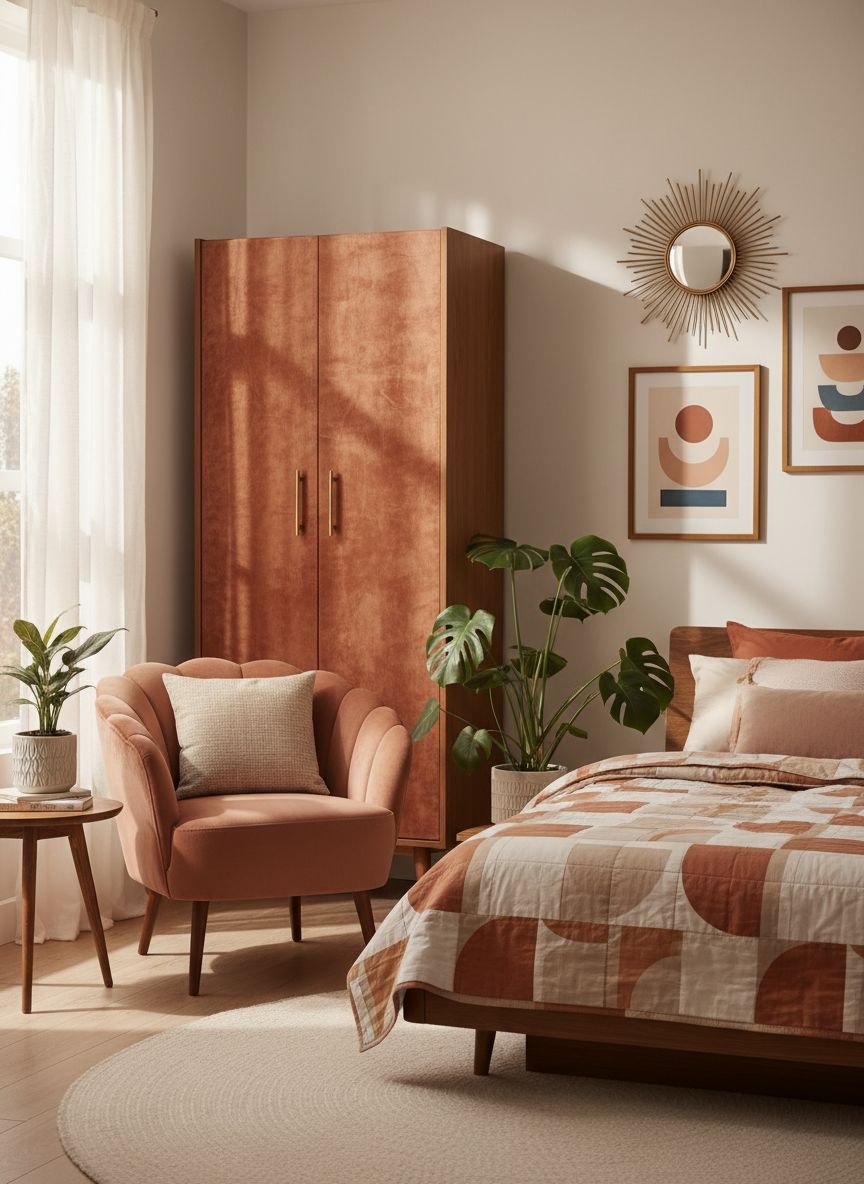
Velvet was the fabric of choice for adding a touch of glam to the gritty 70s aesthetic. It catches the light beautifully and adds a depth of color that flat cotton just cannot achieve. In a bedroom, a velvet upholstered headboard in emerald green, crushed berry, or deep navy can serve as the focal point of the room.
If a new bed frame is not in the budget, incorporate velvet through smaller accent furniture. A velvet ottoman at the foot of the bed or a small vanity chair can elevate the space. The softness of velvet contrasts perfectly with the roughness of rattan and the hardness of wood, creating a balanced “tactile landscape” in your room.
Pro Tip: Use a lint roller regularly on velvet furniture, as it tends to attract dust and pet hair more than other fabrics.
Macrame and Boho Decor Elements
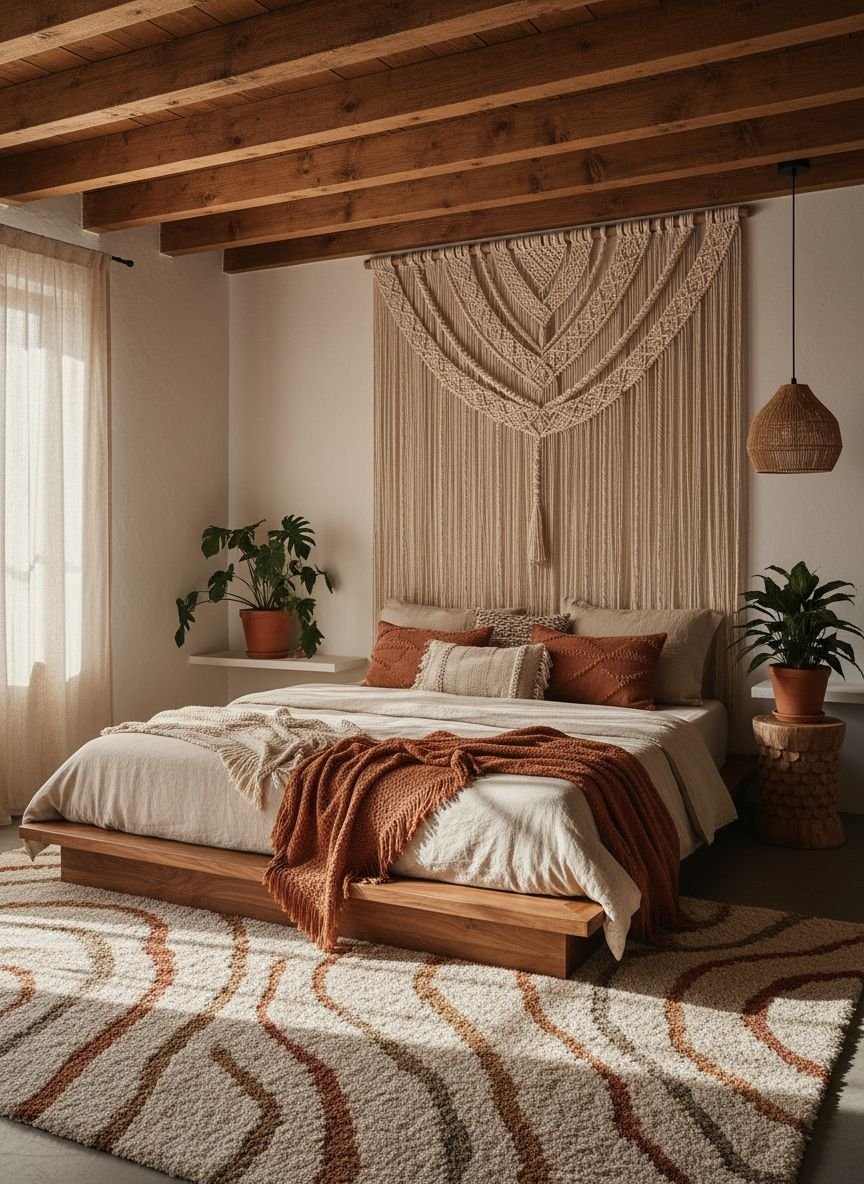
Macrame is the quintessential 70s craft art. These knotted rope decorations add a handmade, organic feel to the walls. A large macrame wall hanging above the bed can act as a soft, visual headboard alternative. It draws the eye up and adds texture to vertical surfaces without adding color, which is great if your walls are already painted a bold hue.
Beyond wall hangings, look for macrame plant hangers. Suspending plants from the ceiling draws the eye upward and maximizes floor space. You can also find macrame details on pillows, curtains, and even light fixtures. The cream-colored cotton rope acts as a neutral “palate cleanser” amidst the vibrant colors of a retro room.
Pro Tip: If you are crafty, making your own simple macrame plant hanger is a fun weekend DIY project that costs less than $10.
Earthy Textures and Materials
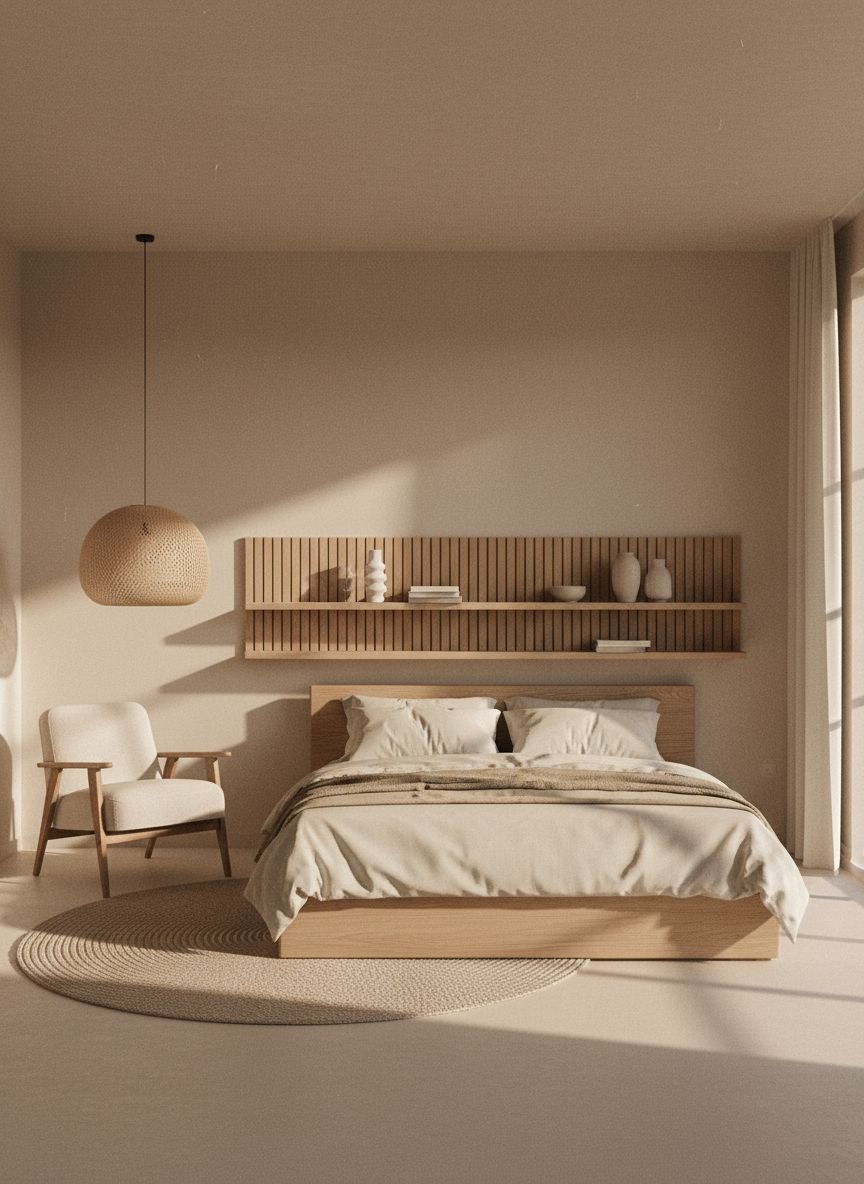
The 1970s design philosophy was heavily influenced by the “Back to Nature” movement. This means your bedroom should feature plenty of raw, honest materials. Think unvarnished wood, cork, terracotta, and leather. A leather pouf or a cork pinboard are excellent functional additions that fit the aesthetic.
Exposed wood beams are a dream feature for this style, but if you don’t have them, you can introduce wood tones through picture frames, shelving, and furniture legs. The goal is to minimize plastic and synthetic-looking surfaces. Even your ceramics should feel hand-thrown and substantial, rather than delicate and porcelain-like.
Pro Tip: Use terracotta pots for your plants. The orange clay color is naturally retro and contrasts beautifully with green leaves.
Statement Art Pieces and Wall Murals
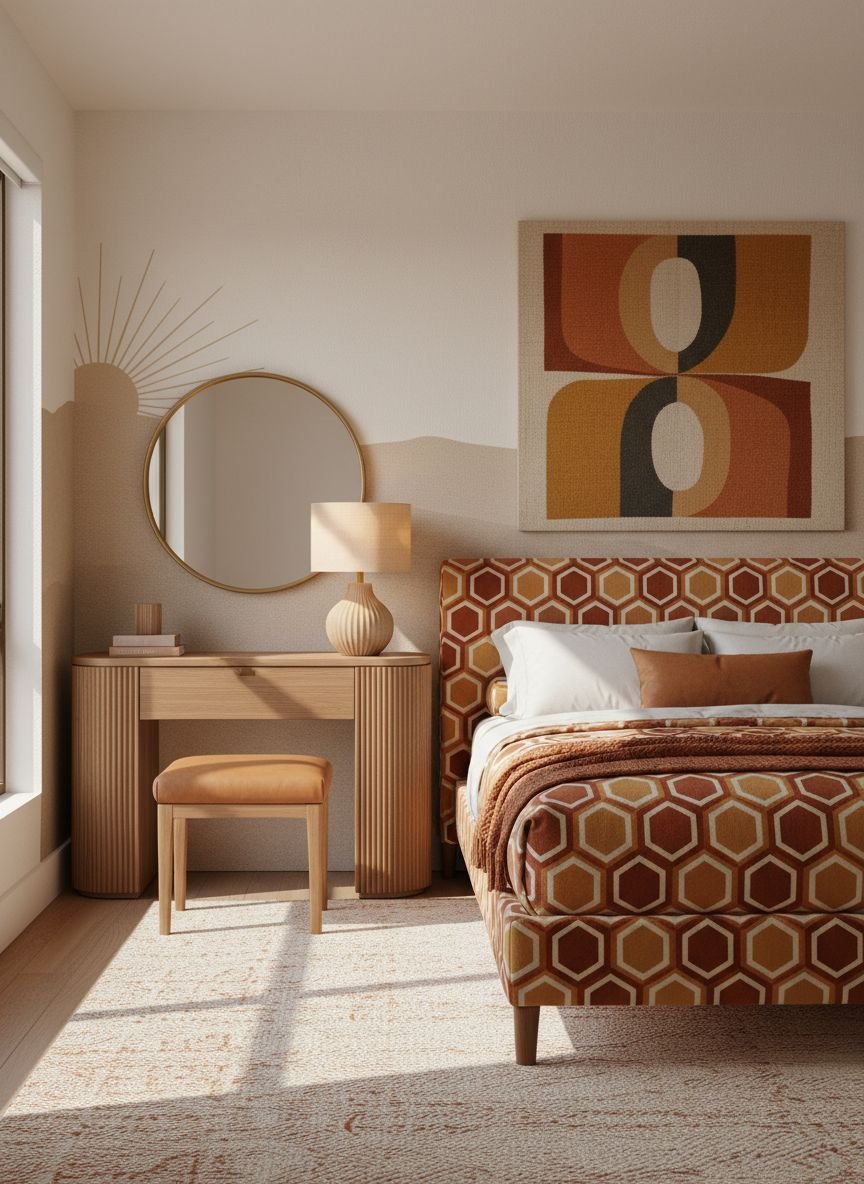
Art in the 70s was expressive and often political or psychedelic. For your bedroom, choose art that sparks joy and conversation. Framed vintage concert posters, abstract geometric prints, or landscapes in sepia tones are all excellent choices. Gallery walls were popular, but they were often less rigid than today’s grid layouts.
Arrange your art in a loose, organic cluster. Mix frame styles—gold, wood, and black—to create an eclectic look. If you are renting and cannot paint, a large tapestry featuring a sunburst design or a mountain landscape can cover a large boring white wall and instantly set the scene.
Pro Tip: Visit local flea markets to find original oil paintings from the 70s. They are often inexpensive and add authentic soul to the room.
Add Tropical Vibes
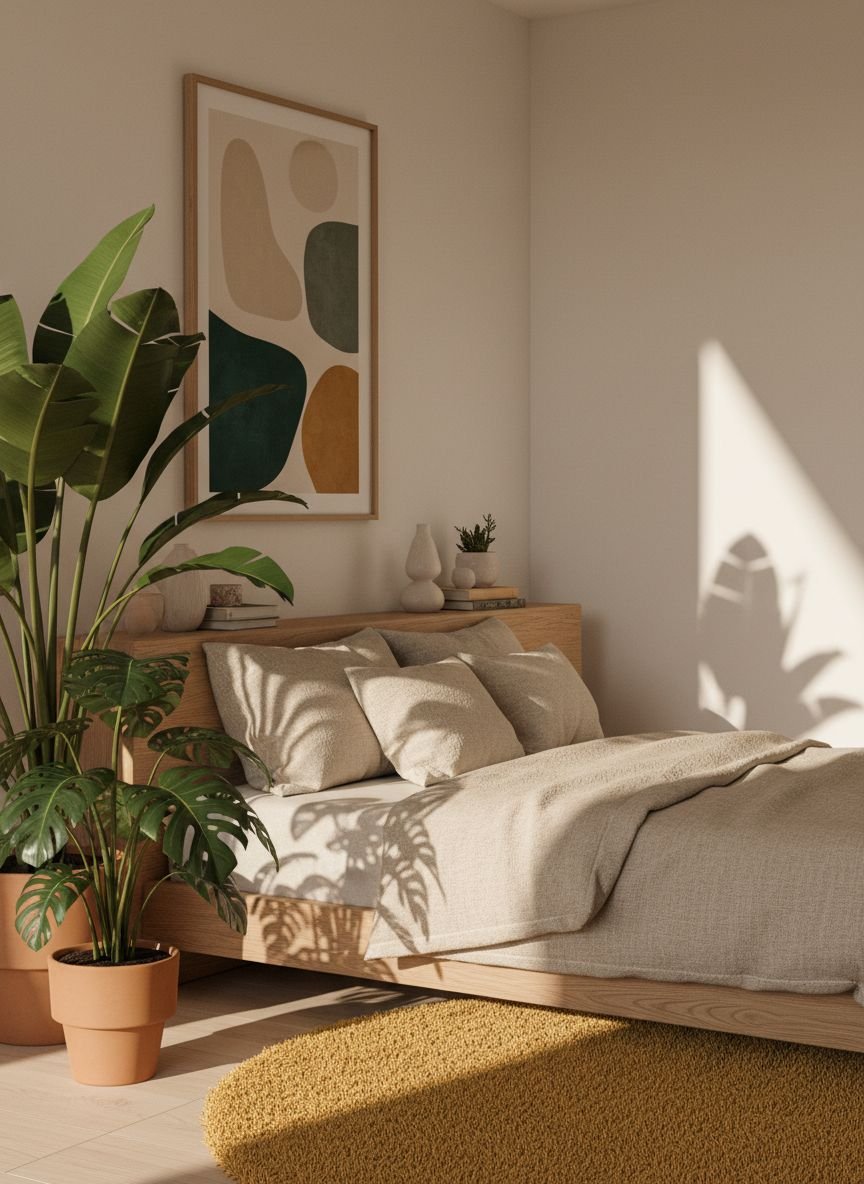
The 70s fascination with nature extended to a love for tropical motifs. This was the era of the fern bar and the indoor jungle. To get this look, fill empty corners with large-leaf plants like Monstera (Swiss Cheese Plant), Rubber Trees, or Fiddle Leaf Figs. These plants have sculptural shapes that complement the funky furniture lines.
If you lack a green thumb, you can introduce tropical vibes through prints. A throw pillow with a palm leaf pattern or a brass lamp shaped like a palm tree adds a touch of kitsch that is very true to the era. The green of the plants breathes life into the warm, brown-heavy color palette of 70s decor.
Pro Tip: Check out our related guide on 18 Innovative Small Garden Ideas to Maximize Your Green Space for more tips on integrating plants into your home.
Get The Look: 70s Bedroom Essentials
To start your transformation, ensure you have these core elements:
- Lighting: A lava lamp or a mushroom lamp.
- Textiles: A chunky knit throw or a faux fur blanket.
- Decor: A sunburst mirror.
- Scent: Incense holder or a candle with notes of patchouli and sandalwood.
Record Player Corner and Vintage Accessories
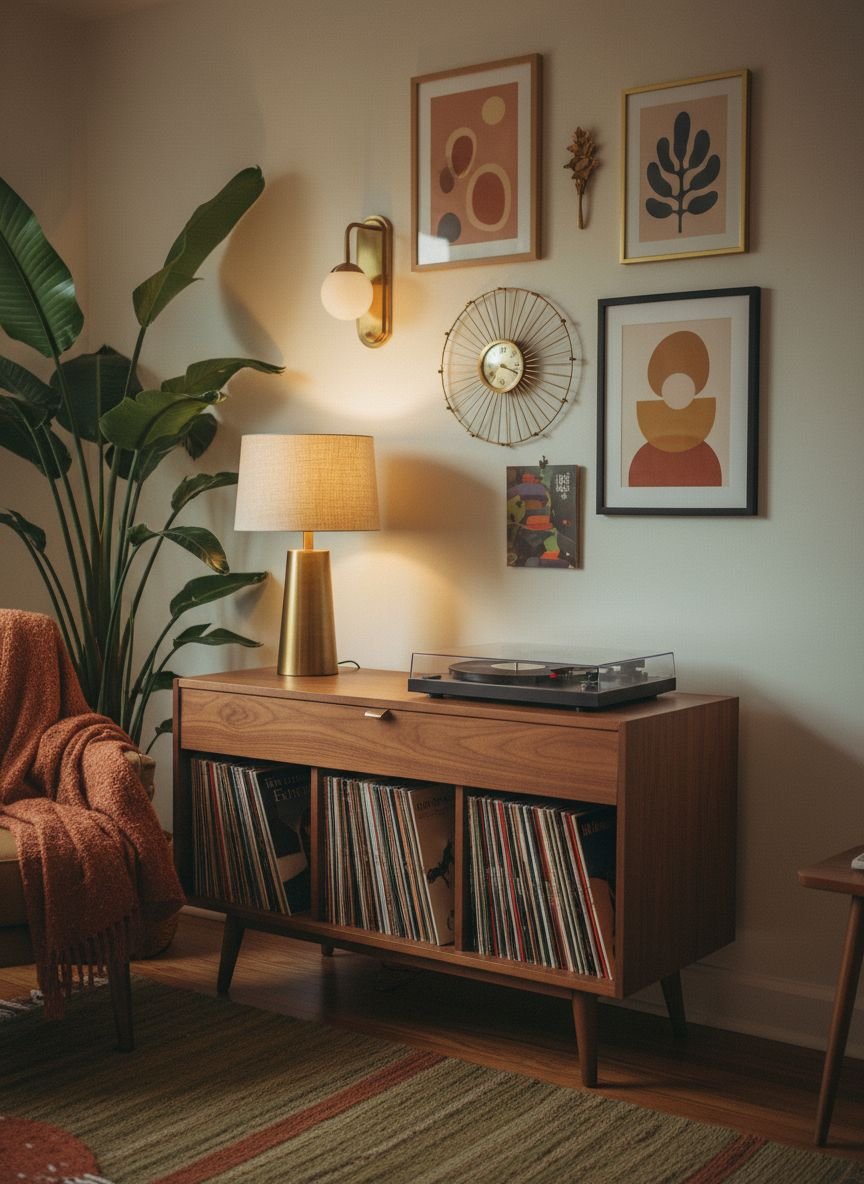
Nothing says “retro cool” like a dedicated music corner. Set up a vintage (or vintage-style) record player on a low wooden console or a specialized stand. Display your favorite vinyl covers as art by leaning them against the wall or using floating ledges. This adds a personal, interactive element to your bedroom.
Accessorize this area with other analog items. A flip clock, a rotary phone, or a collection of cassette tapes can serve as fun decor pieces. This corner becomes a sanctuary for “slow living,” encouraging you to disconnect from screens and enjoy tangible media.
Pro Tip: Look for a record player with built-in Bluetooth if you want the vintage look but the convenience of streaming music from your phone.
Open Shelving with Funky Displays
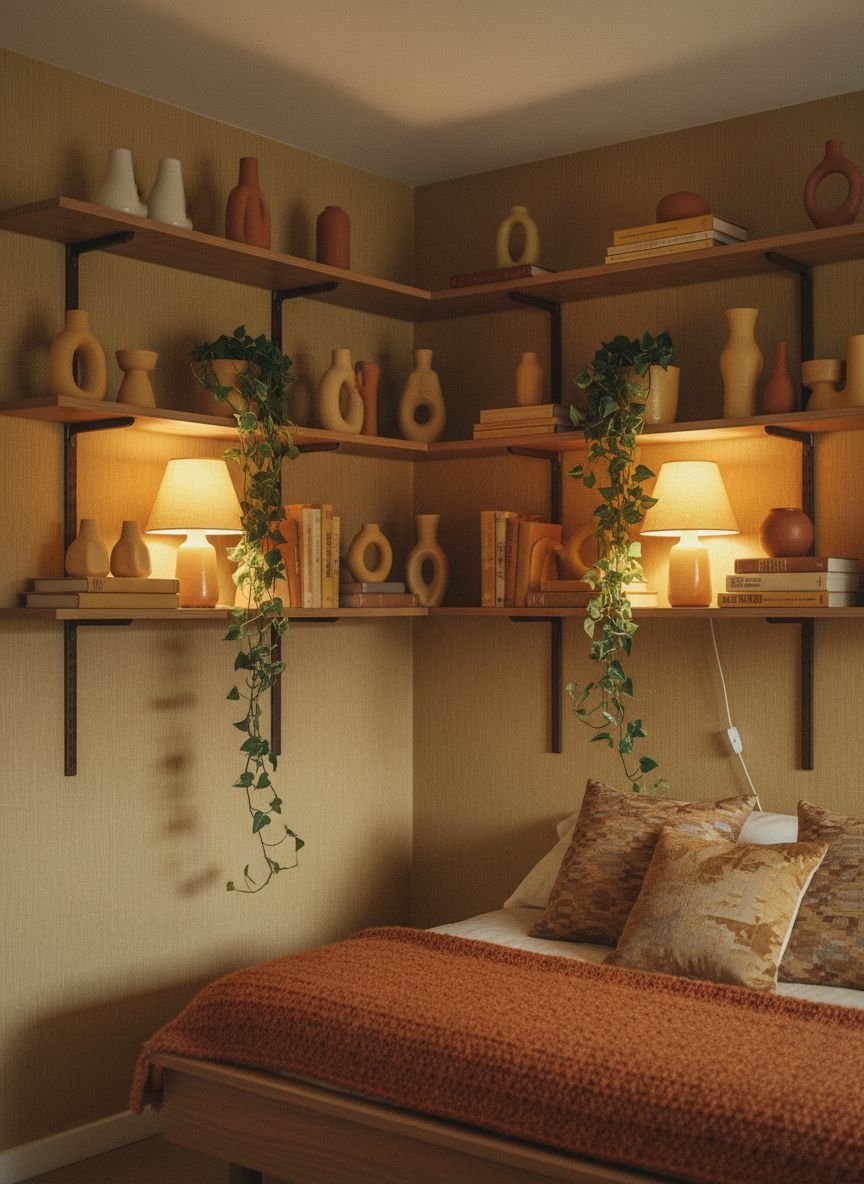
Open shelving allows you to show off your personality, which is central to the bohemian spirit. Use floating wood shelves or a freestanding rattan shelf unit. Style these shelves with a mix of books, plants, and retro knick-knacks.
Look for colored glassware in amber or green (often called “Depression glass” or mid-century glass). Mushroom-shaped ceramics, wooden figurines, and brass candlesticks are also perfect for filling gaps. The key is to group items in odd numbers (groups of three or five) and vary the heights to keep the display dynamic and interesting.
Pro Tip: Save this idea to your Pinterest. Place a trailing plant like a Pothos on the top shelf so the vines cascade down, softening the edges of the shelves.
Layered Bedding Styles with Retro Patterns
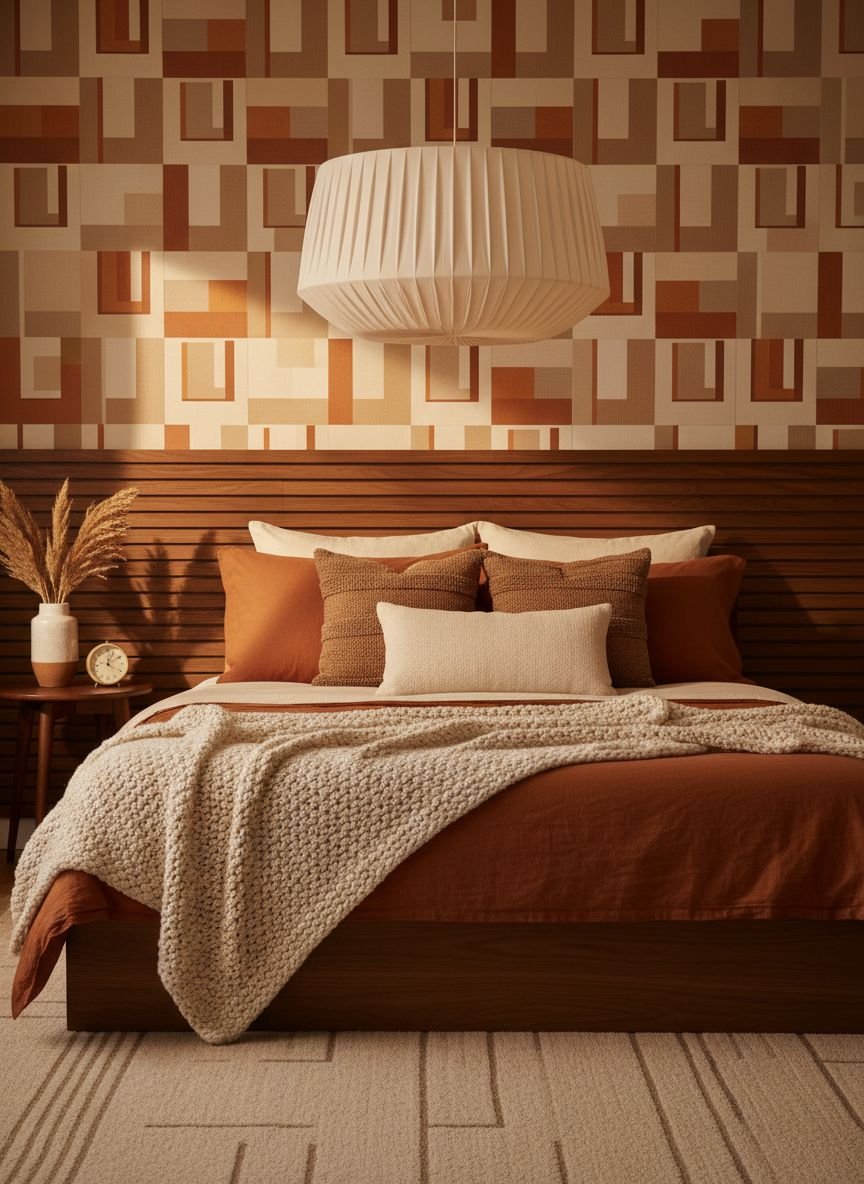
Your bed is the largest item in the room, so it dictates the style. The 70s bed was never perfectly made; it was messy, layered, and inviting. Start with sheets in a fun print—think small florals or gingham. Add a duvet in a solid earthy tone like rust or sage.
Finally, pile on the throw pillows and blankets. A crochet or “granny square” blanket folded at the foot of the bed is an iconic 70s touch. Mix velvet pillows with faux fur and cotton to create a rich tapestry of textures. The goal is a bed that looks like a cloud you can sink into.
Pro Tip: If you can’t find a vintage crochet blanket, many modern retailers like Target or Urban Outfitters release 70s-inspired collections every fall.
Second-hand 70’s Wood Furniture
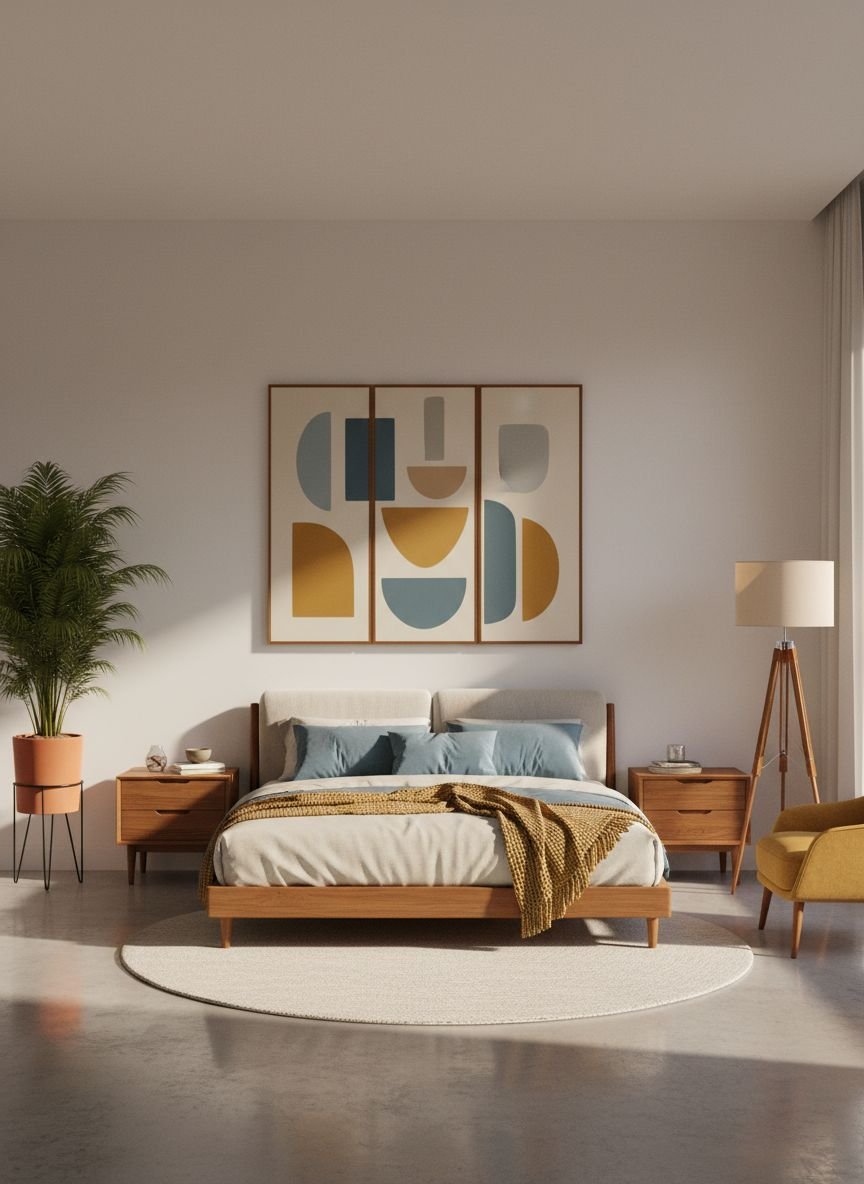
The furniture of the 1970s was built to last. Pieces from this era often feature dark wood stains, chunky silhouettes, and interesting details like carved drawer fronts or spindle legs. A dresser or nightstand from this era adds a sense of history and gravity to the room that flat-pack furniture cannot match.
Look for “Mid-Century Modern” pieces, but don’t be afraid of the slightly clunkier, more robust styles that came later in the decade. These pieces are often more affordable than the sleek 60s designs. A low, long dresser can double as a TV stand or a vanity area.
Pro Tip: Use “Restor-A-Finish” on scratched vintage wood. It can miraculously blend out scratches and restore the luster without stripping the finish.
Groovy Textiles and Patterns as Accents
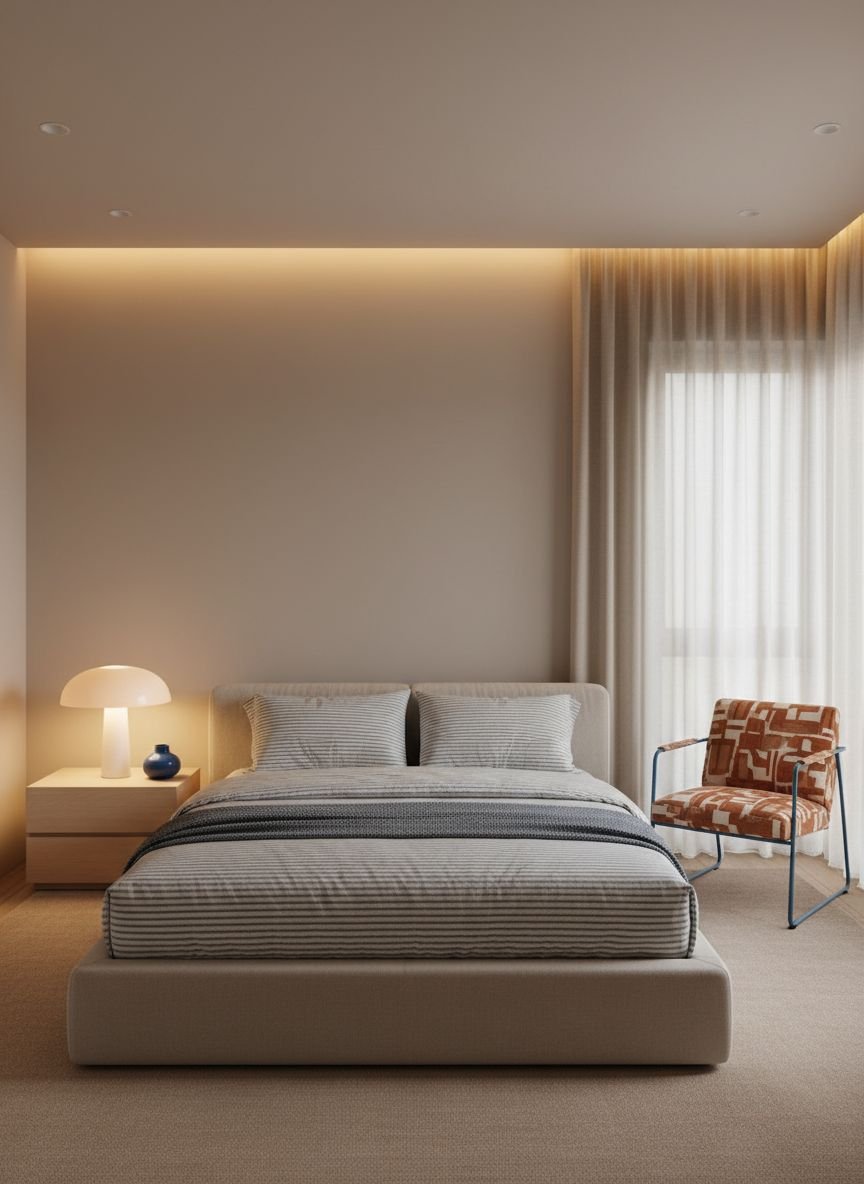
If you want to keep your walls and furniture neutral, use textiles to inject the 70s flavor. Curtains are a great place to start. Look for heavy drapes in a mustard yellow or a sheer curtain with a flocked geometric pattern.
Area rugs, throw pillows, and even lampshades can feature the bold patterns of the era. Paisley, ikat, and psychedelic swirls are all fair game. Mixing patterns is encouraged in this style; just try to keep them within the same color family (e.g., all warm tones) to prevent the room from looking chaotic.
Pro Tip: Swap out a plain white lampshade for a pleated fabric one in a fun color or pattern for an instant, low-cost update.
Related posts :
- 9 Aesthetic Small Bedroom Ideas That Maximize Space and Feel Expensive
- 12 Pink Bathroom Design Ideas: Timeless Styles with Pink Tiles That Feel Like a Spa Retreat
- 18 Innovative Small Garden Ideas to Maximize Your Green Space That Feel Like a Private Oasis
Popular Asked Questions
What colors were popular for bedrooms in the 70s?
The 1970s were famous for “earth tones.” The most popular colors included Avocado Green, Harvest Gold (a mustard yellow), Burnt Orange (terracotta), and Chocolate Brown. These were often mixed with brighter psychedelic accents like electric blue or purple, but the warm, muddy earth tones were the main foundation.
How can I make my bedroom look 70s but modern?
To keep it modern, avoid clutter. Use the 70s color palette and textures (like velvet and rattan) but keep the furniture lines clean. Paint your walls a warm white or beige instead of dark brown, and use the bold 70s colors for accents like pillows and art. This creates a “Modern Retro” look that feels fresh, not dated.
What is 70s interior design called?
You will often hear it referred to as “Retro,” “Boho-Chic,” or “Eclectic.” Sometimes it overlaps with “Mid-Century Modern,” but the 70s style is distinctively more relaxed, shaggier, and bolder in color than the sleek 50s and 60s styles.
Is 70s decor coming back in 2026?
Yes, absolutely. The trend is moving away from cold, gray minimalism toward “warm minimalism” and maximalist comfort. People crave spaces that feel personal and cozy, which is exactly what 70s design offers. We are seeing a huge resurgence in warm wood tones, houseplants, and textured fabrics.
Conclusion
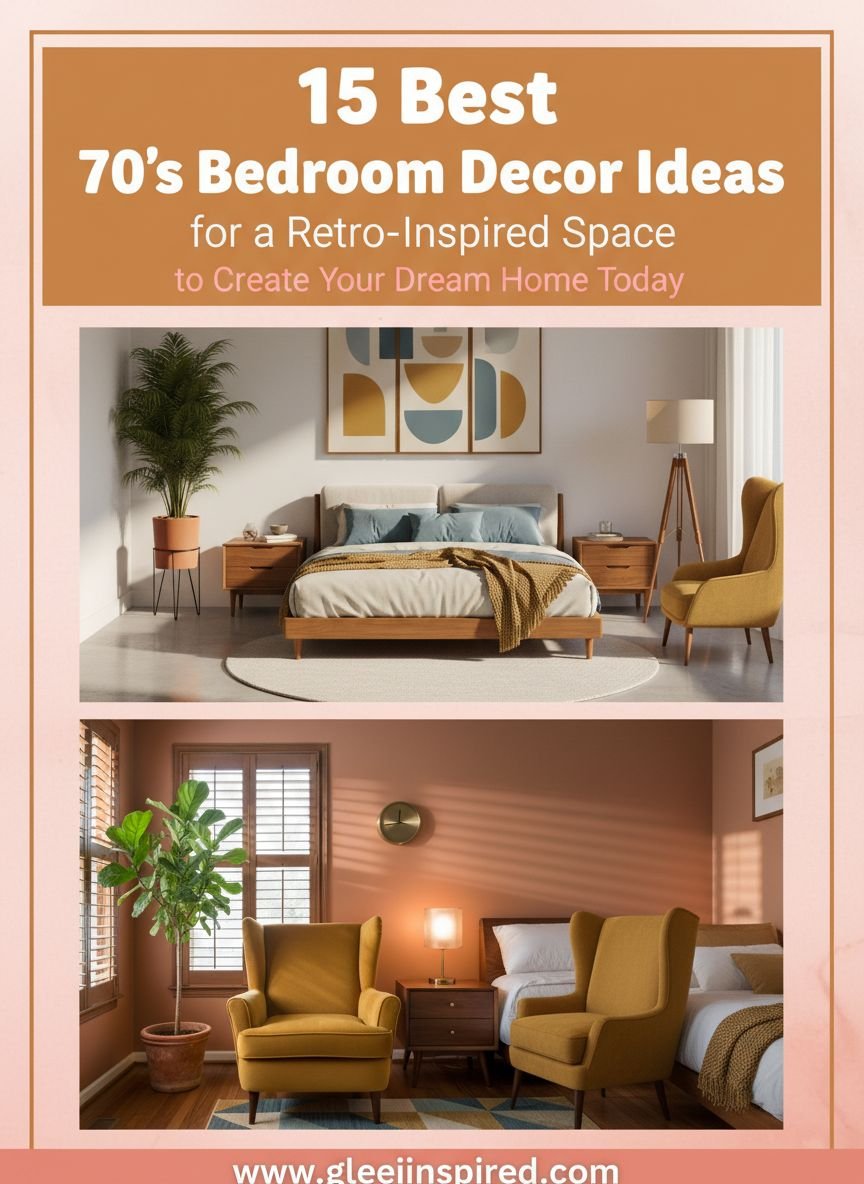
Creating a 70s-inspired bedroom is about more than just buying a lava lamp. It is about embracing warmth, texture, and a relaxed way of living. By incorporating bold earth tones, layering lush fabrics like velvet and shag, and mixing in vintage finds, you can build a space that feels uniquely yours. This aesthetic invites you to slow down, listen to a record, and enjoy the cozy vibes.
Leave a Comment