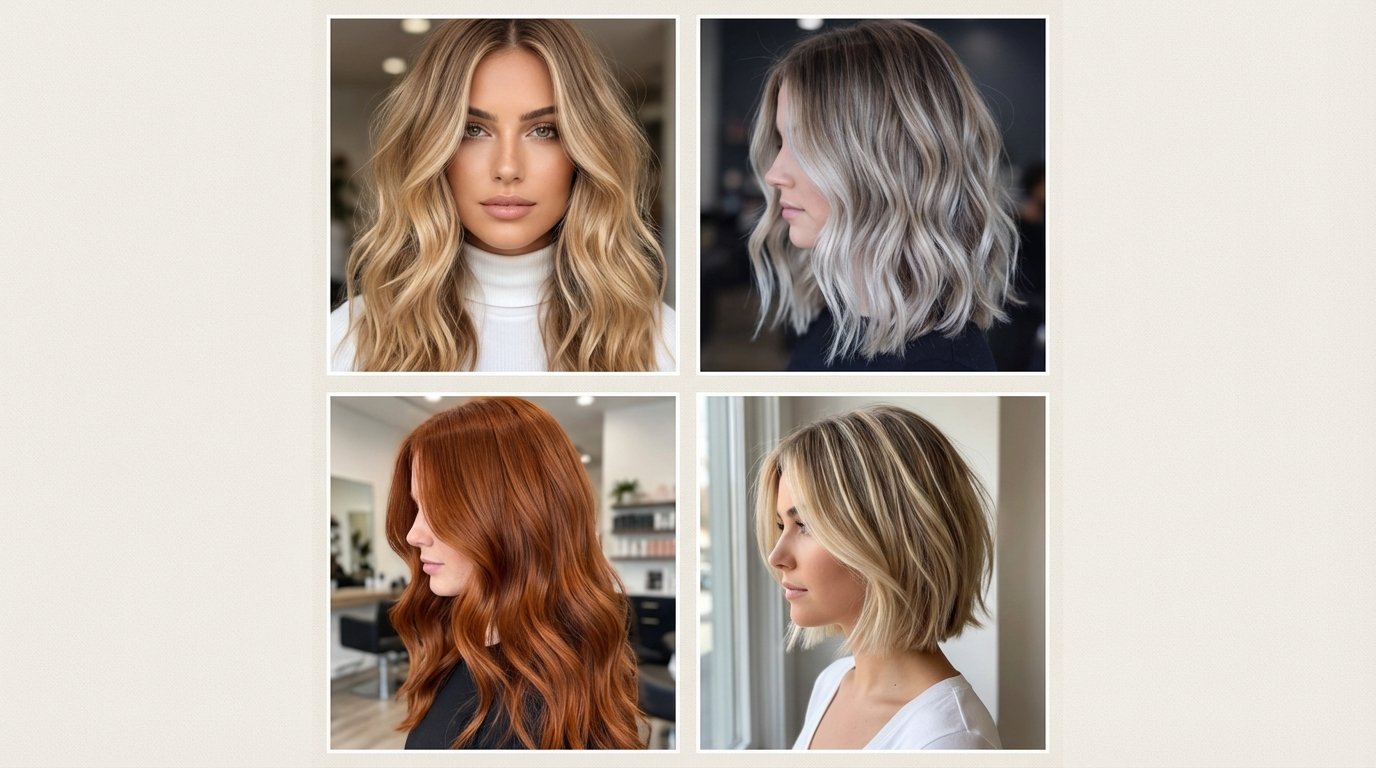
You want to refresh your look without receiving an awkward email from Human Resources. Finding the balance between personal style and professional expectations is a challenge many career-focused individuals face. The current trends in office-appropriate beauty focus on “quiet luxury” and “expensive” textures rather than loud pigments. This shift allows you to embrace dimension and warmth while maintaining a polished image.
We have curated a list of the 15 best hair colors for work that won’t break the office dress code. These shades provide sophistication, depth, and a touch of personality. You will find options ranging from deep espressos to soft blondes that command respect in the boardroom.
Key Takeaways
- Dimension is key. Solid colors can look flat or harsh under office lighting, while subtle highlights add a professional polish.
- Maintenance matters. Techniques like balayage and root smudging allow for longer gaps between salon visits, which fits a busy work schedule.
- Warmth implies approachability. Honey, caramel, and chestnut tones often read as more friendly and open in client-facing roles.
- Gloss over pigment. Healthy, shiny hair always looks more professional than dry, highly pigmented hair.
Table of Contents
- 1. Delicate Caramel Highlights
- 2. Rich Chocolate Brown
- 3. Gentle Balayage
- 4. Cool Ash Brown
- 5. Warm Chestnut Brown
- 6. Golden Honey Blonde
- 7. Deep Dark Espresso
- 8. Golden Brown Glow
- 9. Dark Auburn Red
- 10. Sandy Blonde
- 11. Soft Ombre
- 12. Chic Cool Beige Blonde
- 13. Rich Mahogany Brown
- 14. Mushroom Brown
- 15. Soft Bronde
- Popular Asked Questions
- Conclusion
1. Delicate Caramel Highlights
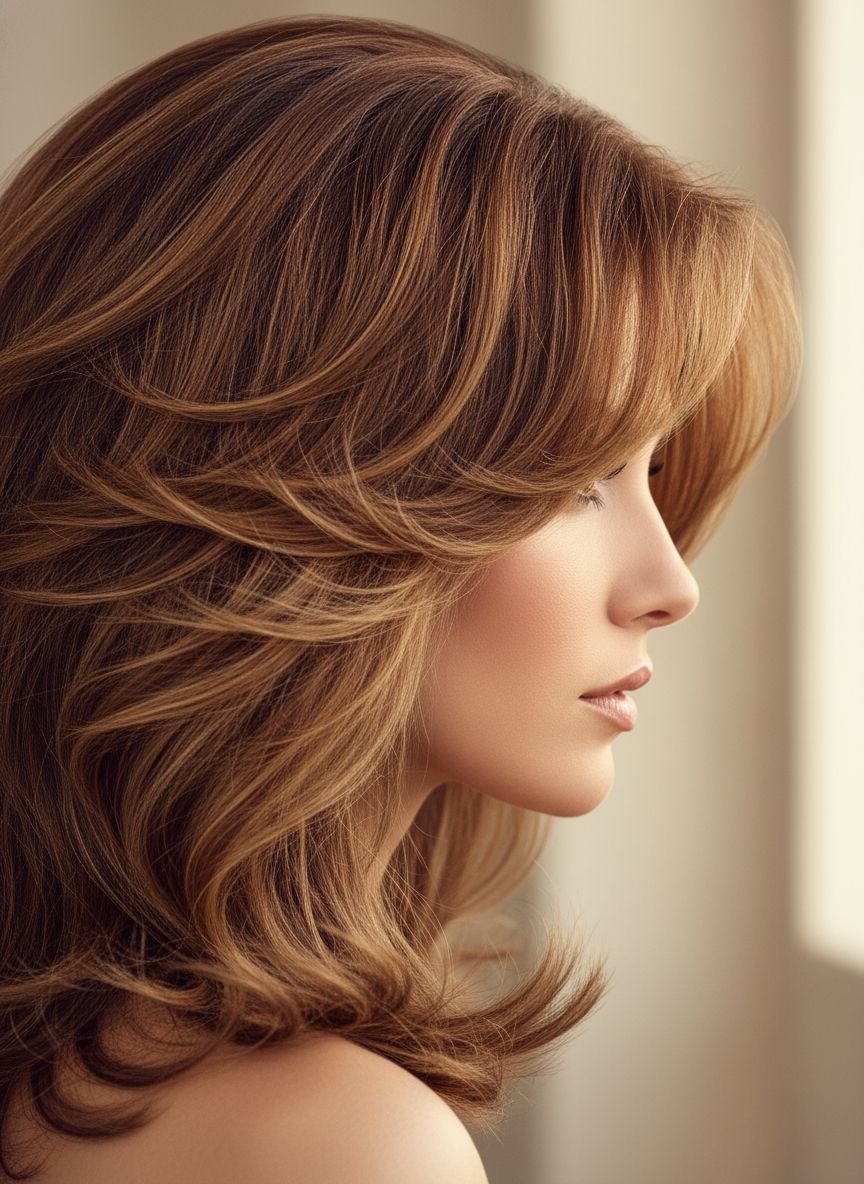
Adding delicate caramel highlights to a dark base is one of the most effective ways to brighten your complexion without a drastic change. This style relies on the concept of “barely-there” dimension. The lighter pieces should be woven very finely throughout the hair, focusing slightly more around the face to act as a spotlight. This technique mimics the way hair naturally lightens in the sun, which reads as organic rather than artificial in a corporate setting.
The visual impact here is soft and inviting. In harsh fluorescent office lighting, dark hair can sometimes appear draining or severe. The caramel tones break up the visual weight and add a reflective quality that suggests health and vitality. To implement this, ask your colorist for “babylights” two shades lighter than your natural base. Avoid chunky foils, as high contrast stripes can look dated and less professional.
Pro Tip: Use a blue-based shampoo once a week to keep the caramel tones from turning brassy or orange under artificial lights.
2. Rich Chocolate Brown
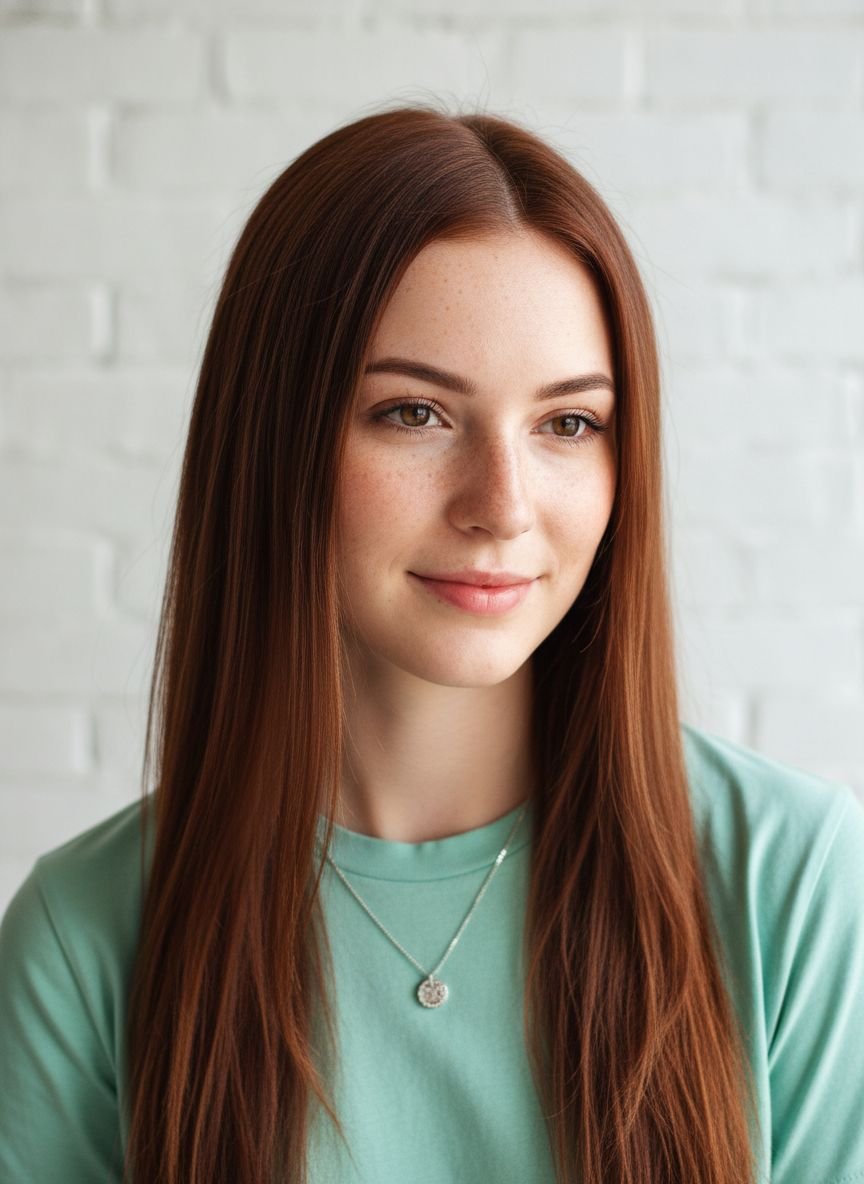
Rich chocolate brown is the epitome of authority and elegance. This single-process color works because it prioritizes hair health and light reflection over complicated patterns. The shade is deep, saturated, and uniform, which conveys a sense of stability and seriousness often valued in traditional work environments like law or finance. Unlike flat black dyes, chocolate brown contains subtle red or gold undertones that prevent the color from looking inky or hollow.
Achieving this look requires a focus on hydration. The color itself is simple, but the finish must be glass-like to look expensive. When hair is this dark, split ends and dryness become very visible. You should commit to regular glossing treatments to maintain that mirror-like shine. This color commands attention in a meeting room not by being loud, but by looking incredibly groomed and intentional.
Pro Tip: Invest in a high-quality hair oil to smooth down flyaways before morning meetings. Sleekness is the secret to making this color work.
3. Gentle Balayage
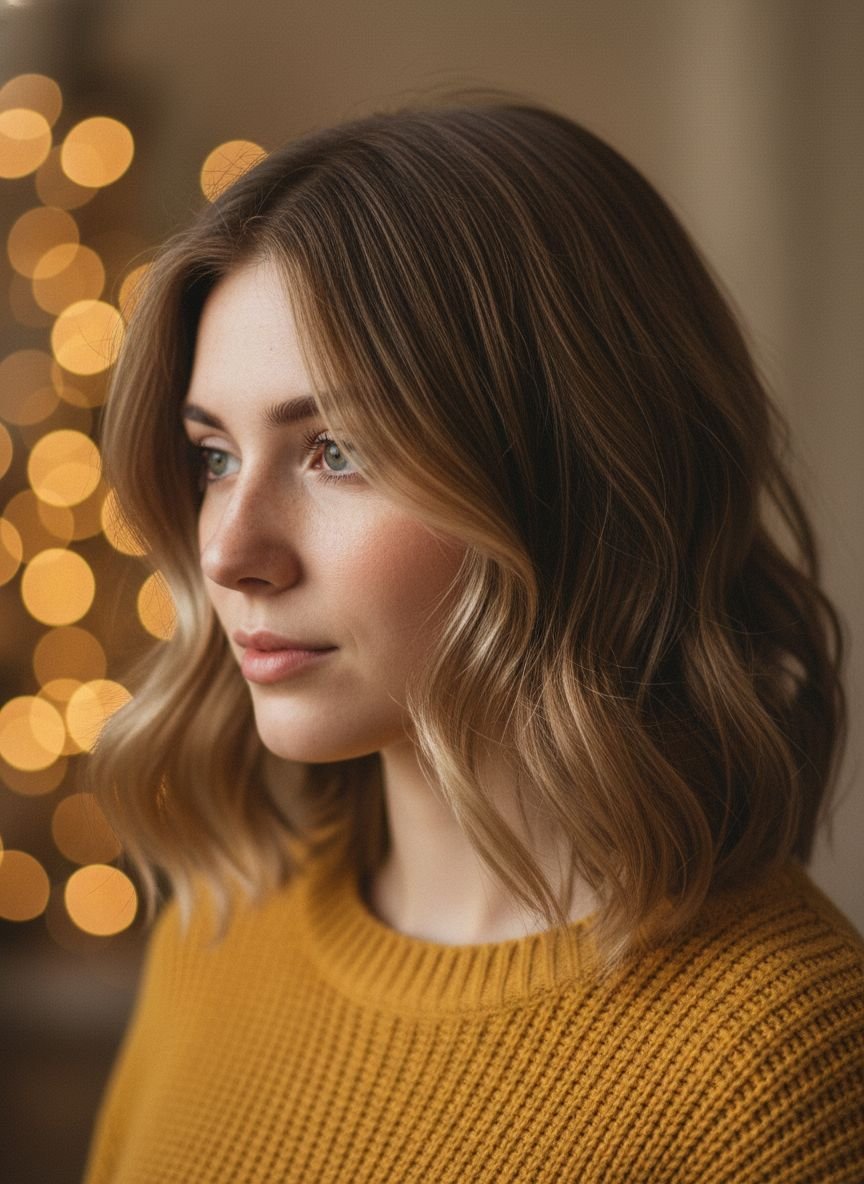
Gentle balayage offers the perfect middle ground for professionals who want lighter hair without the high maintenance of full highlights. This technique involves hand-painting color onto the mid-lengths and ends, leaving the roots natural. The transition between the dark root and the lighter ends is seamless and blurry. This gradient effect means you never have a harsh line of demarcation, so you can go months without a touch-up.
For the office, the key is to keep the contrast low. You want the lighter ends to look like a natural evolution of your root color, not a dip-dye job. This style adds movement and texture to your hair, making even a simple ponytail look styled and deliberate. It works exceptionally well on wavy or textured hair, as the color emphasizes the shape of the curl. It shows you care about your appearance but aren’t a slave to the salon chair.
Pro Tip: Ask for a “root smudge” or “root melt” to ensure the grow-out phase is completely invisible to your coworkers.
4. Cool Ash Brown
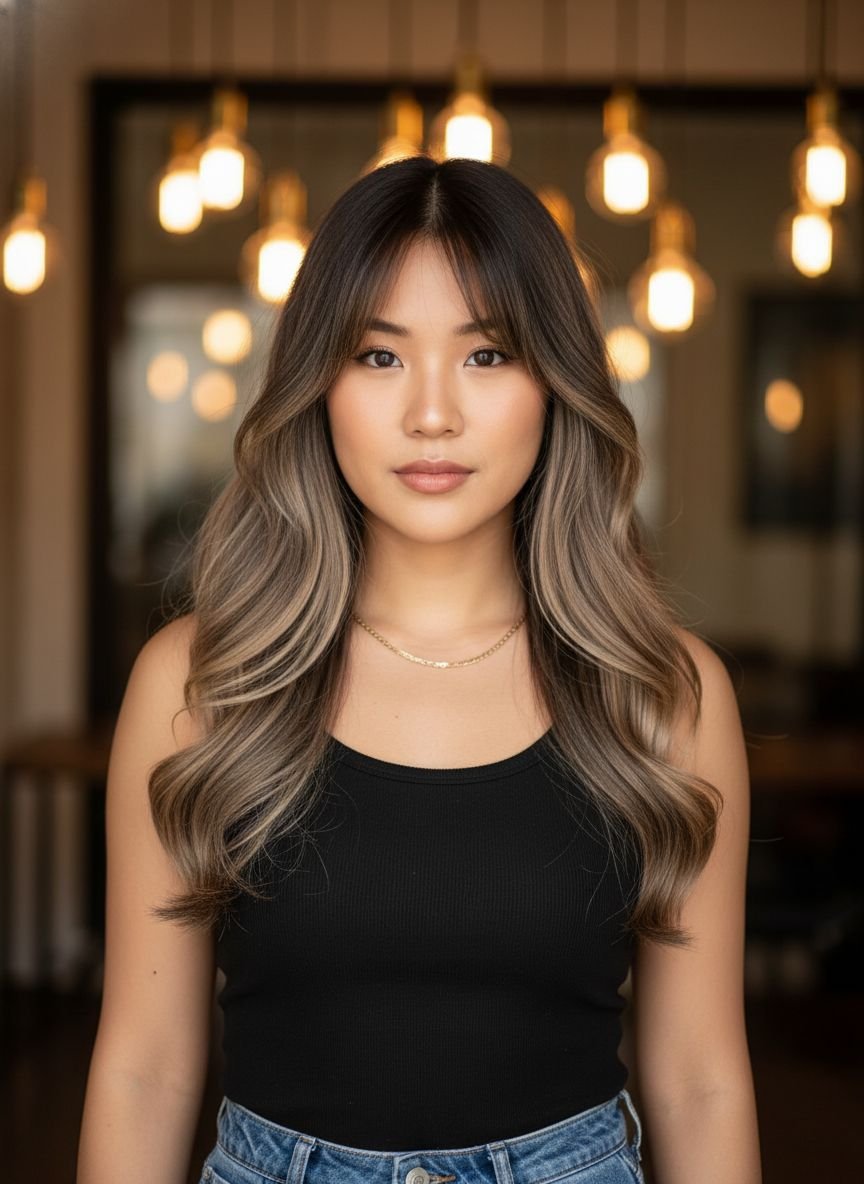
Cool ash brown is a modern, sophisticated choice that steers clear of the red or orange undertones found in many brunette shades. This color is muted and matte, giving it a very chic, high-fashion edge that remains conservative enough for any office. The “ash” tone refers to the underlying gray or green pigments that neutralize warmth. This results in a crisp, clean look that pairs beautifully with cool-toned business wear like charcoal suits, crisp white shirts, and navy blazers.
This shade is particularly excellent for those with cool skin undertones. It creates a harmonious look that isn’t distracting. However, achieving a true ash brown on naturally dark hair can require lifting the color first and then toning it back down. This process ensures the color stays “cool” and doesn’t fade into a rusty brown after a few washes. It is a precise, tailored color that says you pay attention to the details.
Pro Tip: Use a color-depositing conditioner with cool pigments to refresh the ash tone between salon visits.
5. Warm Chestnut Brown
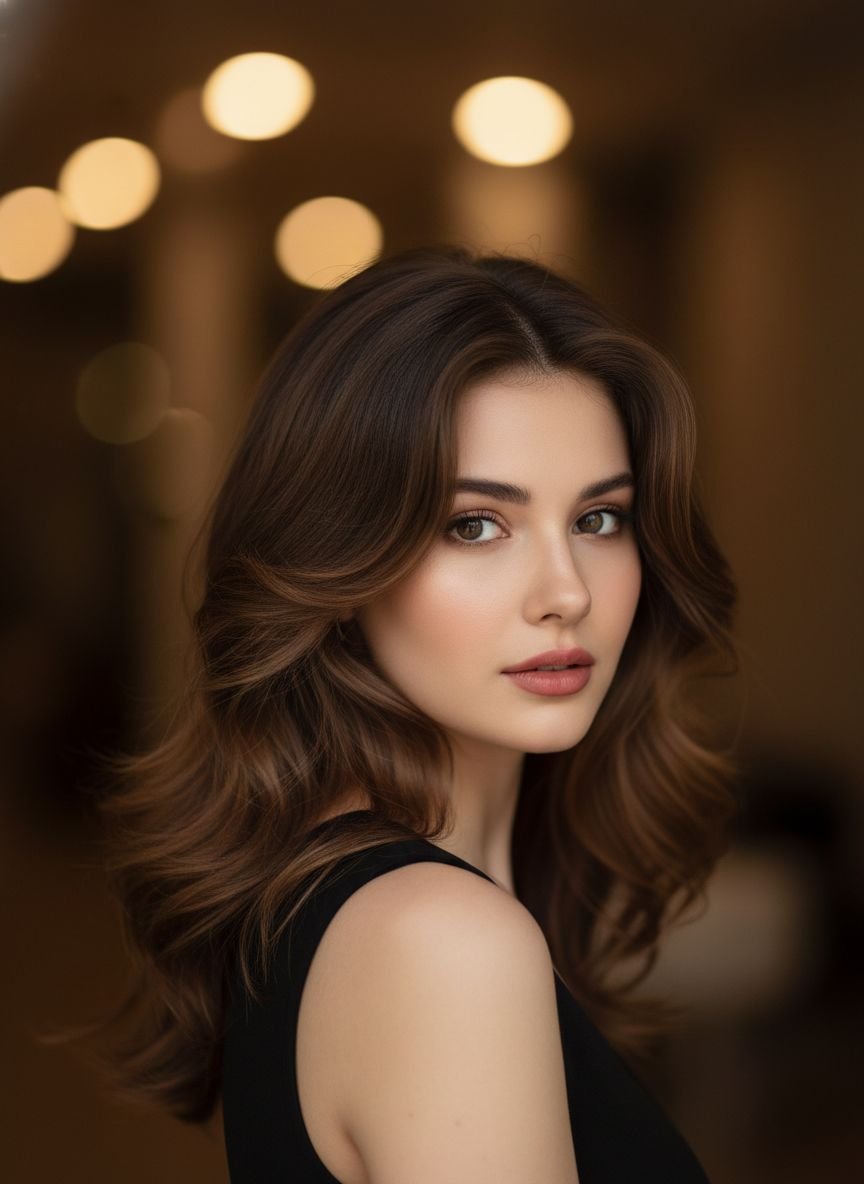
Warm chestnut brown infuses deep brunette hair with vibrant reddish-gold tones. This color is vibrant and energetic without crossing the line into unnatural territory. The warmth in chestnut brown brightens the face and can make you look more awake and refreshed, even after a long week of deadlines. It strikes a balance between the seriousness of brown and the personality of red, making it a versatile option for creative and corporate fields alike.
The beauty of chestnut is its multidimensional nature. In low light, it appears as a solid brunette. In natural light or bright conference rooms, the red undertones catch the light and glow. This dynamic quality makes the hair look thicker and fuller. It is a great option for fall and winter months when office wardrobes tend to get darker and heavier, as the hair provides a nice visual contrast.
Pro Tip: Red undertones fade the fastest. Wash your hair with cool water to preserve the vibrancy of the chestnut hues.
Comparison: Balayage vs. Single Process for Work
| Feature | Gentle Balayage | Single Process (Chocolate/Chestnut) |
|---|---|---|
| Maintenance | Low (Every 3-5 months) | Medium (Every 4-6 weeks for roots) |
| Cost | Higher upfront cost | Lower cost per visit |
| Appearance | Dimensional, casual-chic | Polished, uniform, authoritative |
| Growth Line | Invisible/Blurry | Visible root line |
| Best For | Creative/Relaxed offices | Strict Corporate/Finance |
6. Golden Honey Blonde
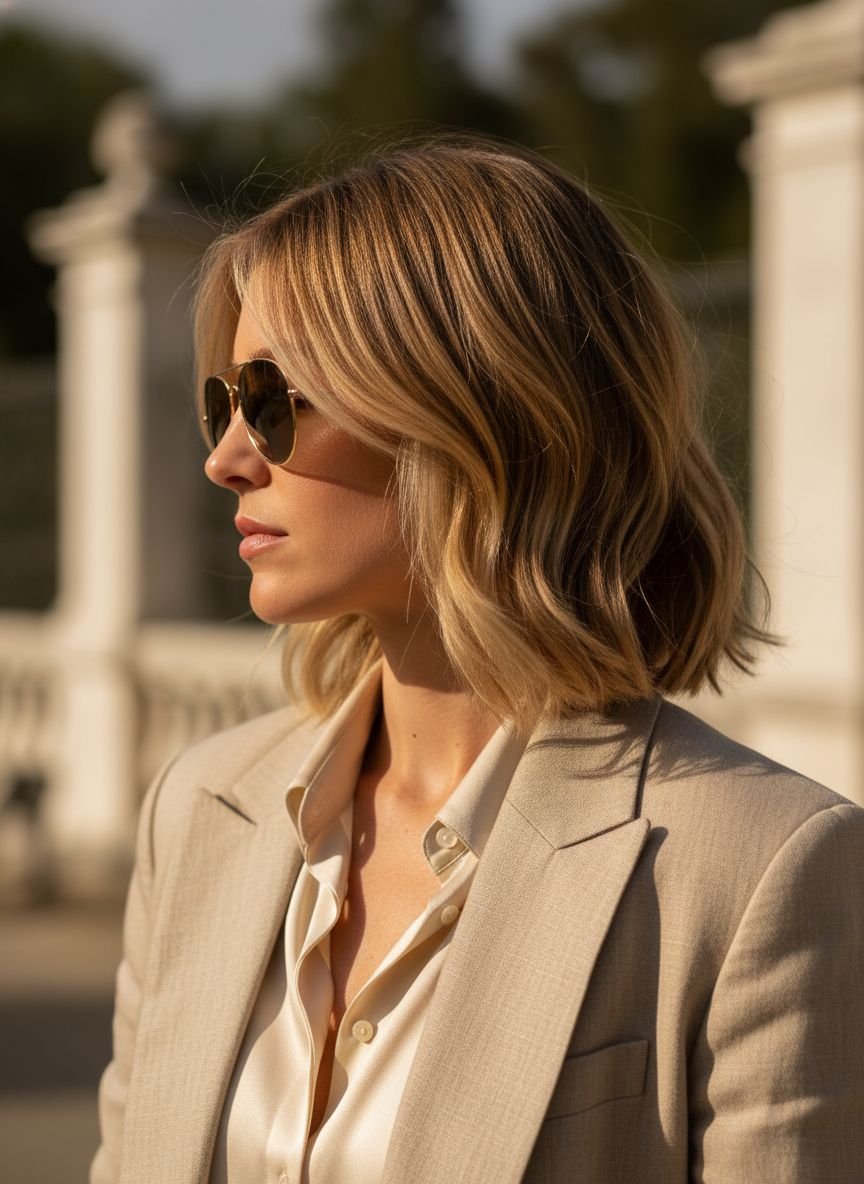
Golden honey blonde is the standard for approachable, professional light hair. Unlike platinum or bleach blonde, which can sometimes feel too stark or “nightlife” for conservative offices, honey blonde has depth. It mixes buttery yellow tones with deeper gold bases. This richness makes the color look natural and mature. It projects a warm, friendly image that is excellent for roles involving sales, HR, or client management.
To keep this office-appropriate, ensure the yellow tones do not veer into brassiness. The goal is a creamy, warm gold rather than a bright, highlighter yellow. This shade works best when it has some variation, with slightly darker lowlights mixed in to provide grounding. This prevents the “helmet” look and ensures the color complements your skin tone rather than washing you out under harsh overhead lights.
Pro Tip: Use a deep conditioning mask weekly. Blonde hair is more prone to dryness, and frizzy blonde hair can look unkempt quickly.
7. Deep Dark Espresso
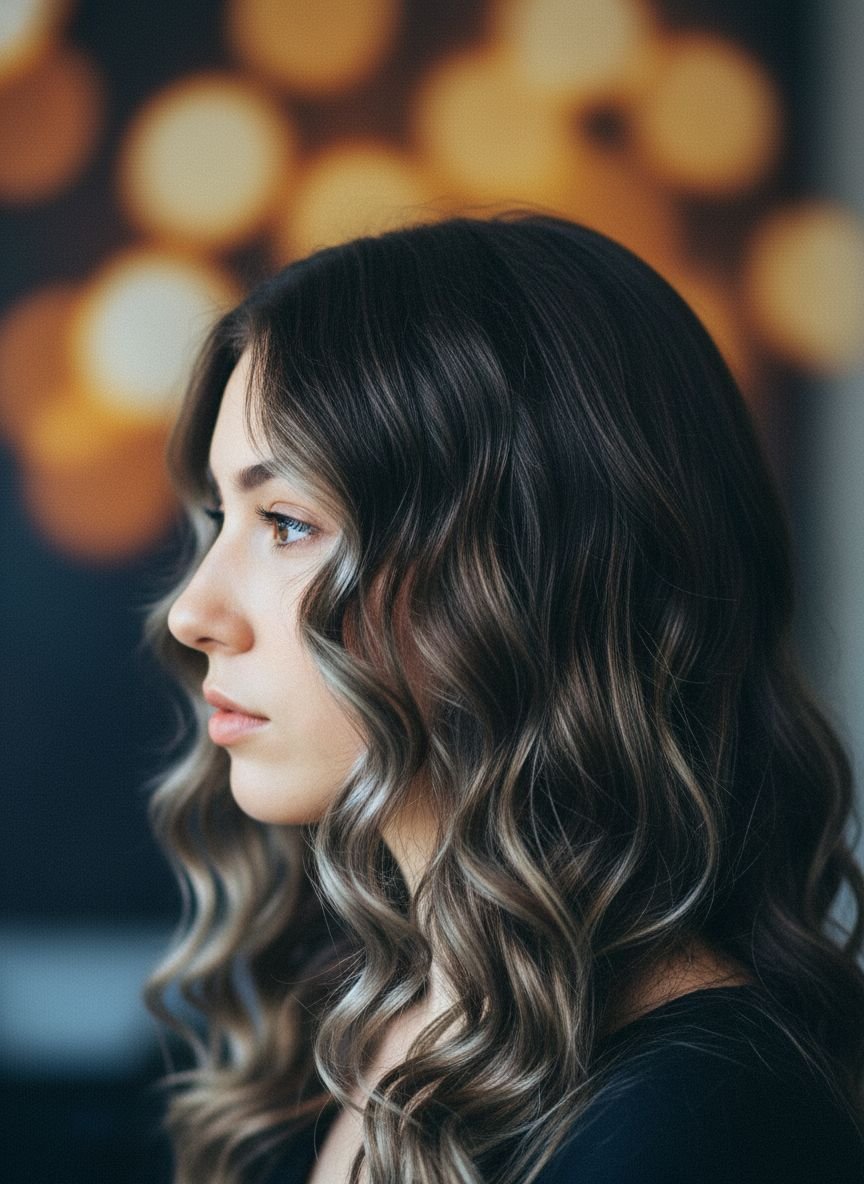
Deep dark espresso is the closest you can get to black while still retaining the softness of brown. It is a power color. This shade is intense, glossy, and incredibly striking. It frames the face with high contrast, which can highlight your eyes and bone structure. In a professional setting, espresso hair conveys confidence and a no-nonsense attitude. It is a favorite among executives because it looks deliberate and bold.
The difference between espresso and black is critical. Black dye absorbs light, often leaving hair looking flat. Espresso reflects light, showing off the health of the cuticle. This shade works on almost all hair textures and lengths. A sleek espresso bob is a classic “boss” hairstyle, while long espresso waves look luxurious and managed. It requires very little styling to look good because the color does the heavy work.
Pro Tip: If you have gray hairs, this color offers 100% coverage, making it a practical choice for maintaining a youthful appearance.
8. Golden Brown Glow
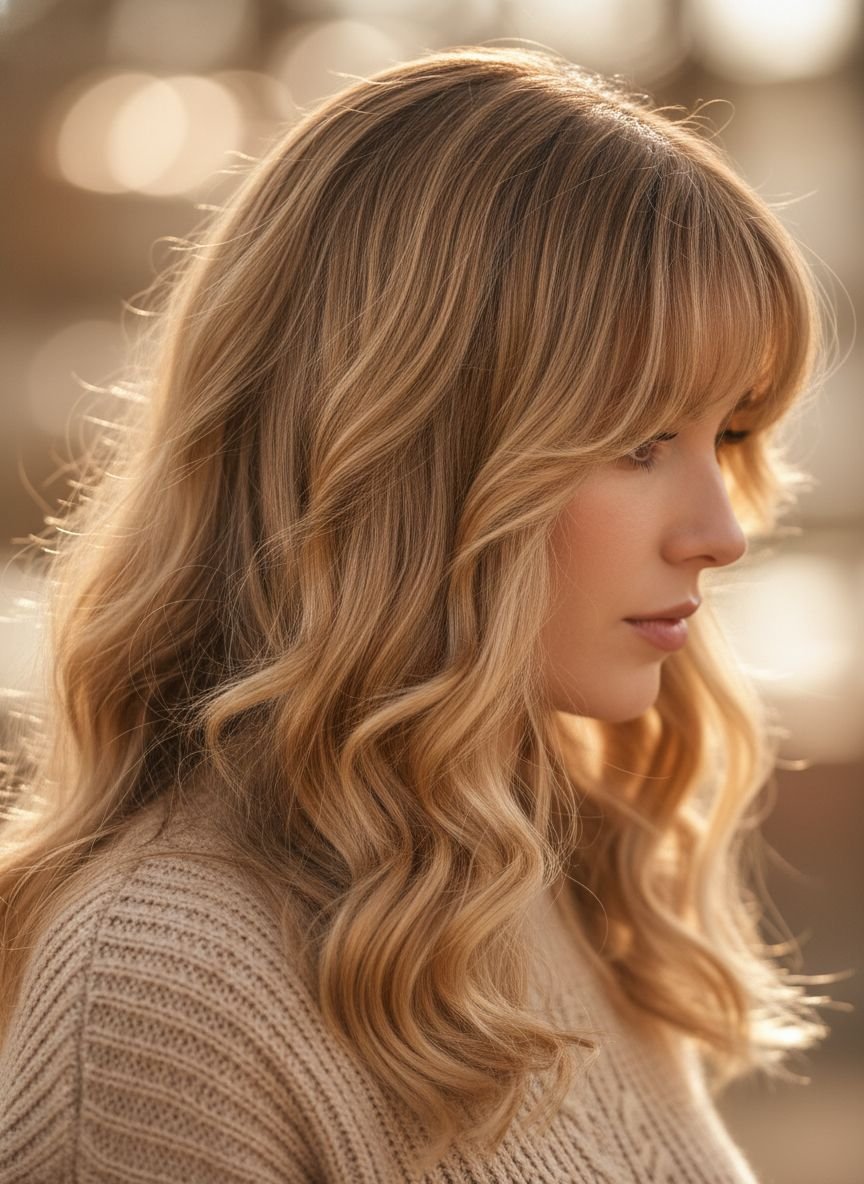
The golden brown glow is all about radiance. This is usually a medium brown base that has been glazed with a gold toner. It doesn’t necessarily have distinct highlights, but rather an overall sheen that leans warm. It looks like natural brown hair that has spent a summer weekend outdoors. This subtle warmth softens angular facial features and adds a healthy flush to the skin.
This option is perfect for someone who wants to enhance their natural color rather than change it. It is low risk and high reward. The “glow” comes from the condition of the hair as much as the color. You are essentially enhancing the brown with a semi-permanent gloss that adds pigment and seals the cuticle. It is understated luxury at its finest, fitting perfectly into the “old money” aesthetic that is currently trending in workwear.
Pro Tip: Ask for a “gloss treatment” rather than permanent dye if you want to try this look without a long-term commitment.
9. Dark Auburn Red
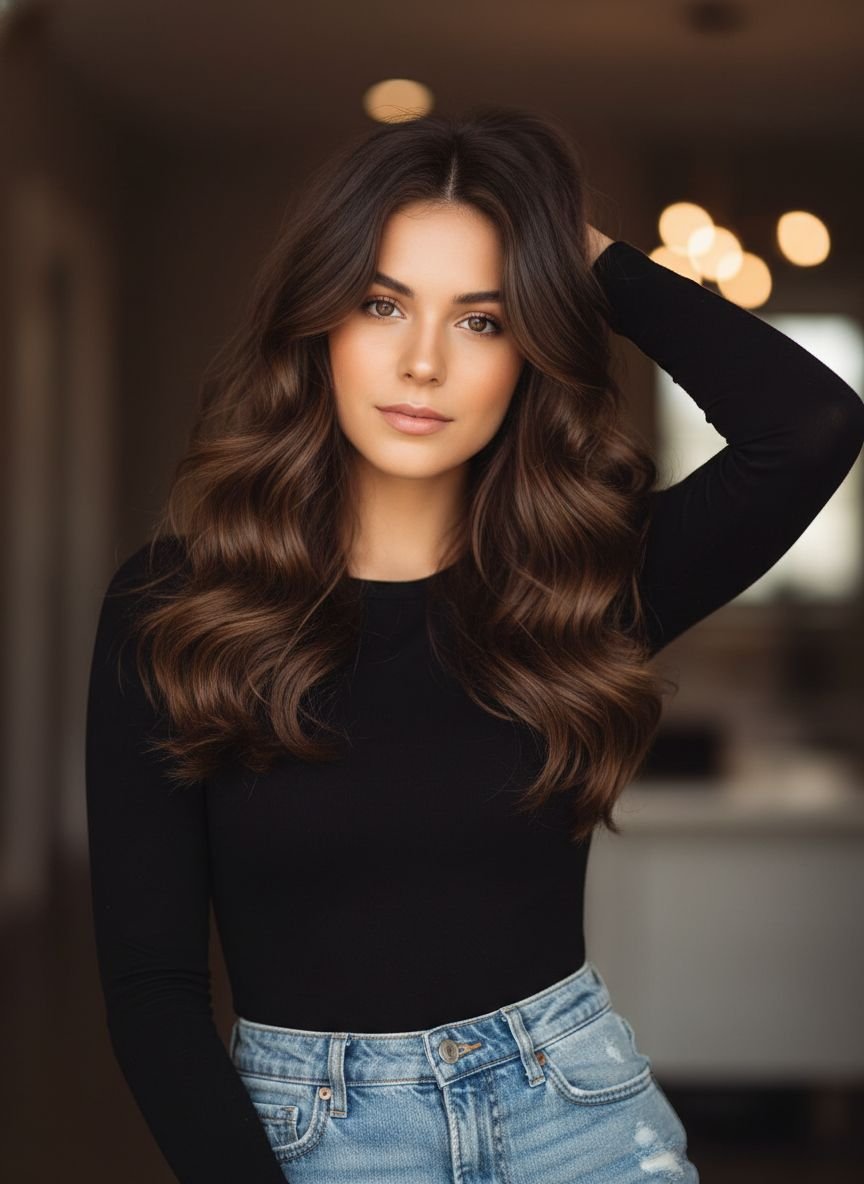
Dark auburn red allows you to wear red hair at work without it looking like a costume. True bright reds or coppers can sometimes be flagged in very strict dress codes, but dark auburn is grounded in brown. It reads as a natural earth tone. It is sophisticated, unique, and memorable. If you want to stand out from the sea of blondes and brunettes in your office while staying within the rules, this is the color to choose.
This shade requires confidence to wear. It pairs exceptionally well with green, navy, and camel office attire. The key to keeping it professional is depth. You want a deep, wine-like or russet hue rather than a bright firefighter red. The darker the red, the more formal it appears. It suggests a creative personality who knows how to restrain themselves for the professional environment.
Pro Tip: Use a color-depositing shampoo specifically for redheads. Red molecules are large and slip out of the hair shaft easily, causing fading.
10. Sandy Blonde
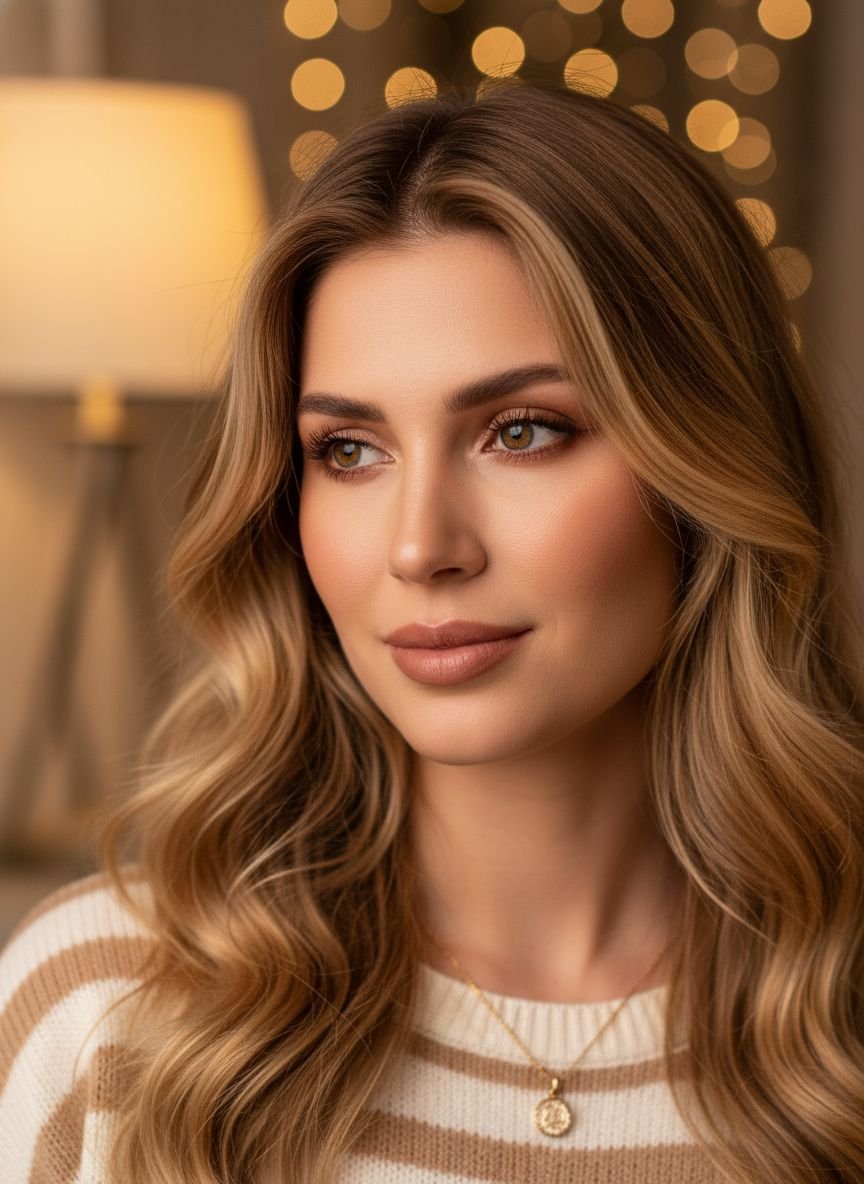
Sandy blonde is a neutral, beige-toned blonde that mimics the color of wet sand. It is neither too warm nor too cool. This neutrality makes it incredibly safe and versatile for any workplace. It doesn’t scream “blonde” in a distracting way; instead, it looks like a natural, dark blonde shade. It is an excellent transitional color for brunettes wanting to go lighter or blondes wanting to go darker for a more serious look.
This color is often achieved with a lot of fine lowlights. By mixing ash and gold tones, you create a complex color that looks very natural. It hides regrowth well because the base is usually kept close to the natural hair color. Sandy blonde looks particularly chic when styled in loose waves or a structured low bun. It is an effortless, “I woke up like this” color that still looks groomed.
Pro Tip: A purple shampoo is helpful here, but use it sparingly. You want to maintain the beige neutrality, not turn the hair silver.
“Get The Look” Essentials
To maintain these professional colors, you need the right toolkit at home.
- Sulfate-Free Shampoo: Prevents stripping the color molecules.
- Heat Protectant Spray: Essential if you blow-dry or flat iron daily for work.
- Dry Shampoo: Extends your style so you don’t have to wash (and fade) your color as often.
- Microfiber Towel: Reduces friction and frizz for a smoother finish.
11. Soft Ombre

Soft ombre is a refined version of the dramatic dip-dye trends of the past. For the workplace, the transition from dark to light must be gradual and fluid. The color should start darkening around the ear level and gently fade into a lighter shade at the ends. This keeps the roots dark and professional while adding lightness to the bottom. It is a practical style because it keeps the light color away from your face, which can be softer if you feel full blonde washes you out.
This style is incredibly low maintenance. Since the roots are meant to be dark, you never have to worry about a harsh line appearing two weeks after your appointment. It looks intentional and styled. Ensure the lighter ends are within 2-3 shades of the root color. High contrast (like black roots and white tips) can look too edgy for conservative offices. Keep the tones within the same family (e.g., dark brown to milk chocolate).
Pro Tip: Regular trims are non-negotiable with ombre. The lighter ends are older hair and can look ragged if not kept fresh.
12. Chic Cool Beige Blonde
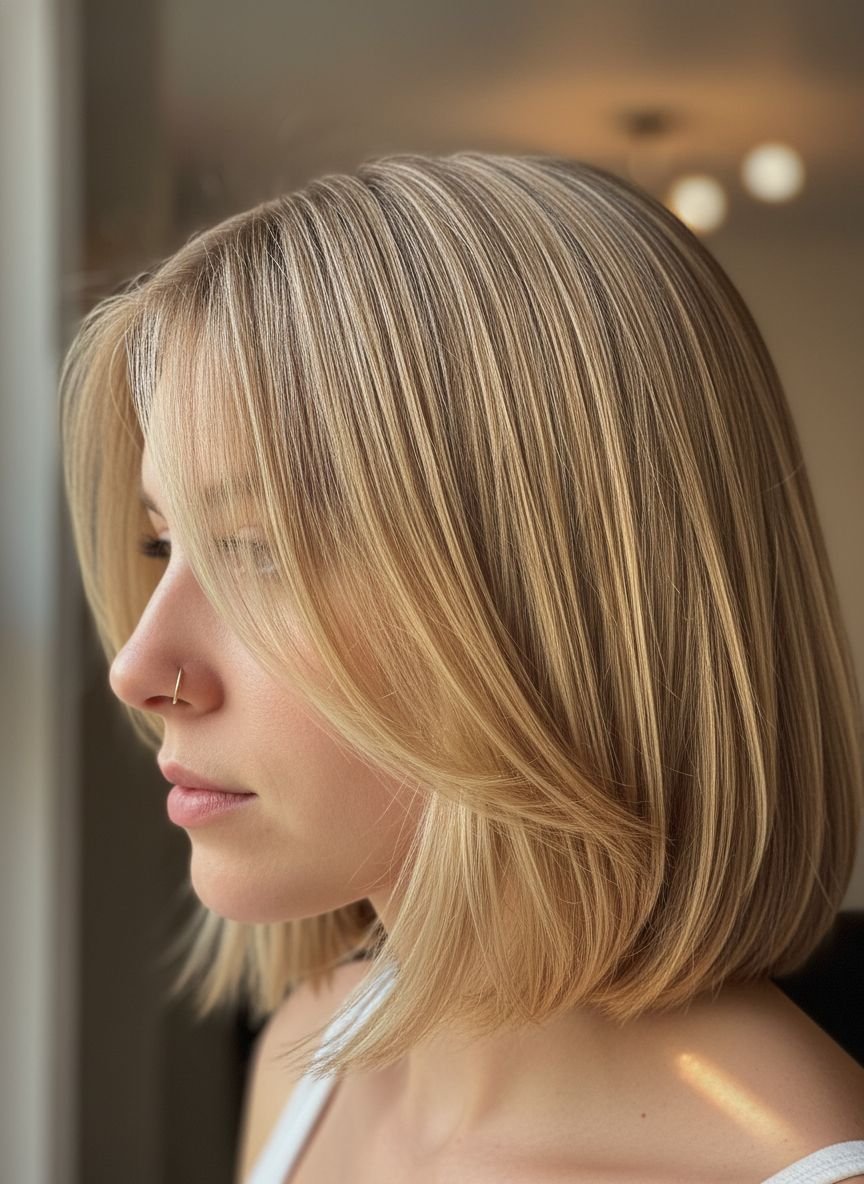
Chic cool beige blonde is the ultimate “corporate blonde” shade. It strips away the yellow and gold, leaving a champagne or pearl-like hue. This color is precise and clean. It signals high maintenance and attention to detail, traits that are often subliminally associated with competence and organization. It pairs beautifully with the gray and black palette of most business formal wardrobes.
Achieving this color usually requires a full highlight or a double process, depending on your starting level. It is an investment of time and money, but the payoff is a very polished appearance. Because it is cool-toned, it looks very modern. It avoids the retro or beachy vibes of golden blondes, placing it firmly in the category of city-chic. It is a serious hair color for a serious career.
Pro Tip: This color can look flat without shine. Use a shine spray as the final step in your morning routine.
13. Rich Mahogany Brown
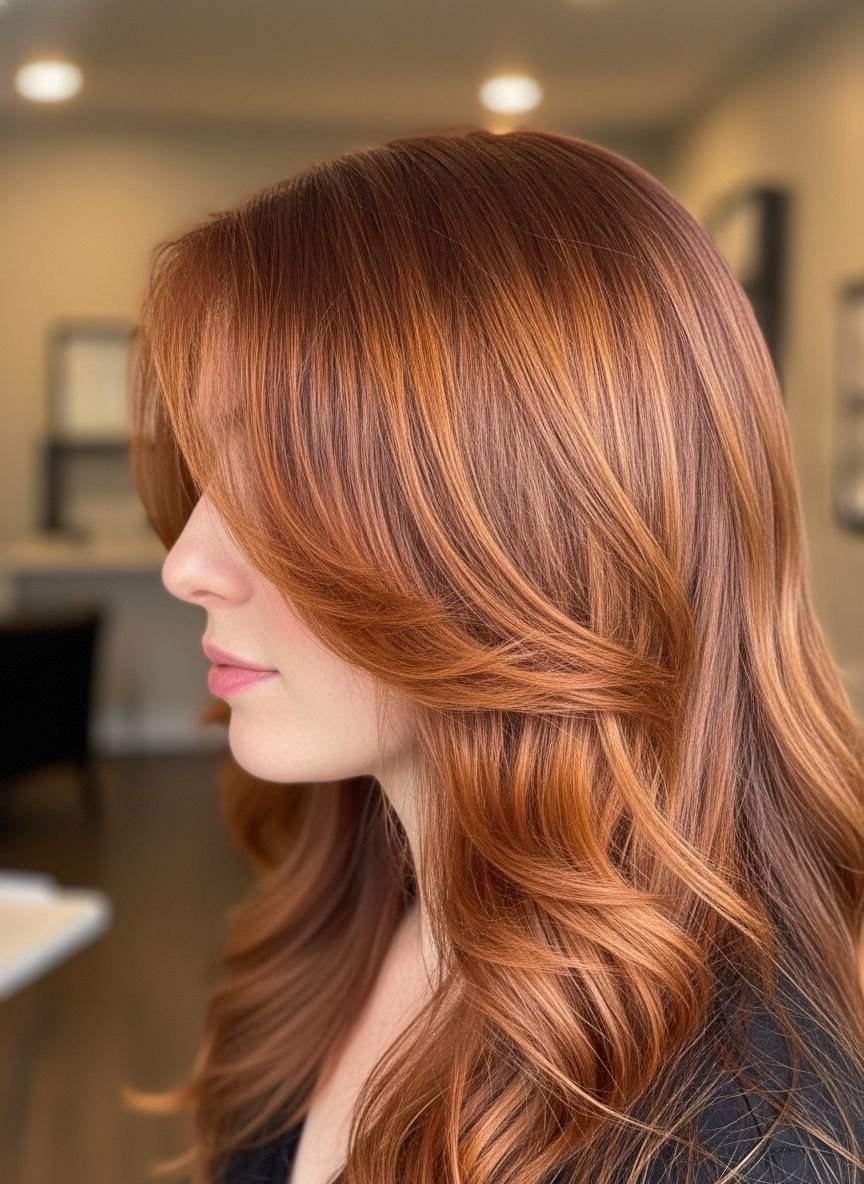
Rich mahogany brown sits somewhere between chocolate and auburn. It has distinct purple or violet undertones rather than the orange-red of copper. This makes it a “cool” red-brown. It is a deep, moody color that looks stunning in the winter months. In the office, it appears as a dark brunette until the light hits it, revealing the violet complexity. This subtlety makes it perfectly safe for work while still being fun.
Mahogany is great for adding depth to fine hair. The complex undertones create an illusion of density. It is a bold choice that shows personality without being loud. It works well with pale and olive skin tones alike. If you want to experiment with color but need to stay within the “natural hair color” clause of your employee handbook, mahogany is your loophole. It is technically a brown shade, just a very interesting one.
Pro Tip: Wash with lukewarm water. Hot water opens the cuticle and will wash those beautiful violet tones right down the drain.
14. Mushroom Brown
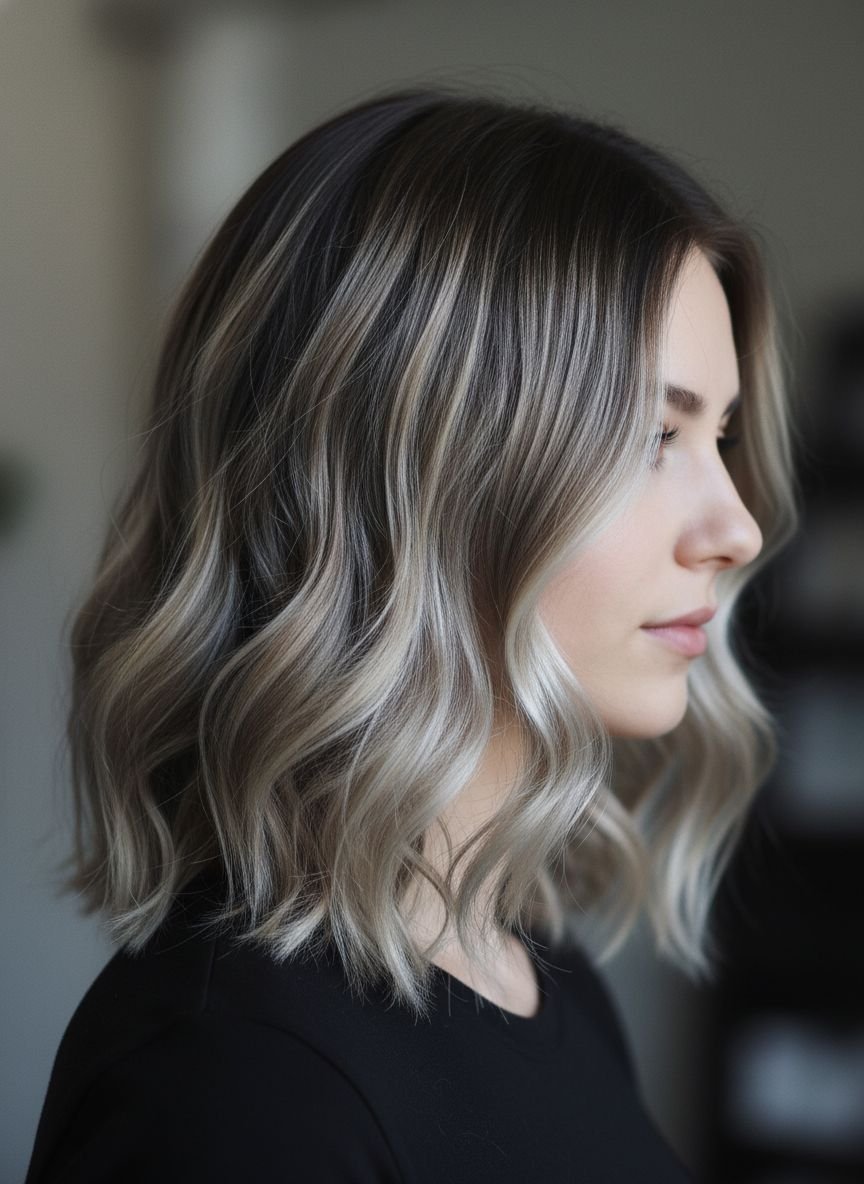
Mushroom brown is a viral trend that has established itself as a modern classic. It is an earthy, ash-toned brunette that resembles the color of a portobello mushroom. It is essentially a mix of light brown, purple, and gray ash. It is the brunette equivalent of platinum blonde—cool, edgy, and matte. For work, it is fantastic because it is completely devoid of brassiness. It looks intentional and high-fashion.
This color is achieved by highlighting dark hair and then toning it down with ash pigments. It is perfect for hiding grays because the ashy tones blend well with natural silver strands. It creates a soft, smoky look that is very unique. It stands out in the office because so few people naturally have this exact shade, yet it is understated enough to never be considered “wild.”
Pro Tip: You must use color-safe products. Ash brown turns brassy very easily if exposed to sun or hard water.
15. Soft Bronde
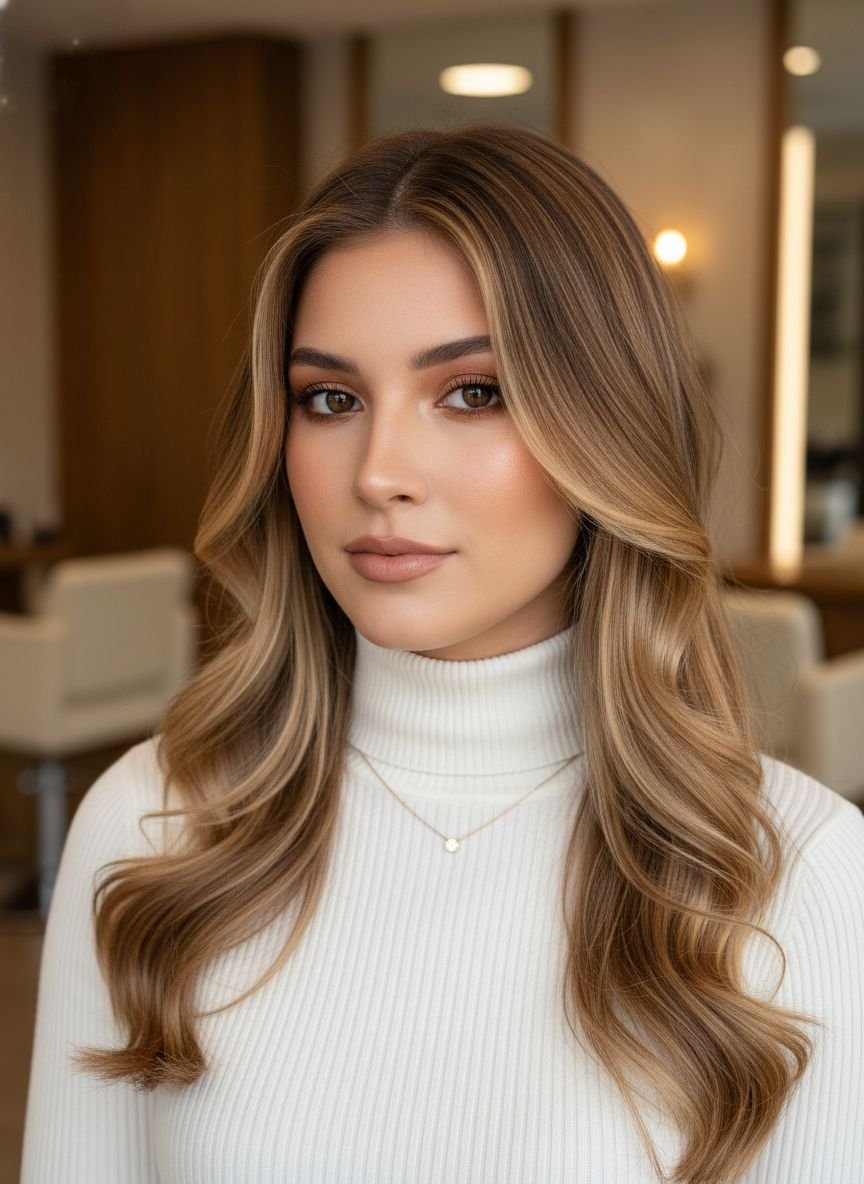
Soft bronde is the marriage of brown and blonde. It is the ultimate hybrid color. You get the depth of a brunette with the brightness of a blonde. This is usually achieved by painting blonde highlights onto a brown base, but keeping the ratio about 50/50. The result is a color that is hard to define but universally flattering. It is perfect for work because it is adaptable. It looks bright and happy but grounded and sensible.
Bronde is often cited as the best anti-aging hair color. It softens the face and blurs imperfections. In a professional context, it suggests you are current and stylish. It breaks up the monotony of a solid color without the commitment of being a full blonde. It grows out beautifully, making it a smart financial choice as well. You look polished 24/7 with minimal effort.
Pro Tip: Ask for “face-framing” lighter pieces to keep the look bright around your eyes, while keeping the back darker for depth.
Popular Asked Questions
What hair colors are considered unprofessional?
Generally, “fashion colors” found outside the natural human hair spectrum are considered unprofessional in conservative fields. This includes bright blue, pink, green, purple, or neon shades. Additionally, hair that looks neglected—such as extreme root regrowth, brassy orange bleached hair, or visibly damaged ends—can be perceived as unprofessional regardless of the actual hue.
Can I have red hair in a corporate job?
Yes, absolutely. The key is sticking to natural-occurring shades of red. Dark auburn, copper, chestnut, and strawberry blonde are widely accepted in almost all corporate environments. You should avoid fire-engine red, neon red, or burgundy shades that look clearly artificial or purple-based, as these may violate stricter dress codes.
Is balayage professional for work?
Balayage is highly professional and is now a standard technique in hair coloring. Because it creates a soft, natural gradient rather than harsh stripes, it often looks more polished than traditional foil highlights. As long as the contrast between the roots and ends isn’t extreme (like black roots to white ends), it is perfectly suitable for the office.
How do I hide bright hair colors for work?
If you have a hidden panel of bright color (peekaboo highlights), you can style your hair in a low bun or a French twist to conceal the colorful sections during office hours. Alternatively, there are colored hair sprays and root touch-up powders in natural shades (brown or black) that you can spray over the bright sections temporarily for a big meeting, which wash out with one shampoo.
Conclusion
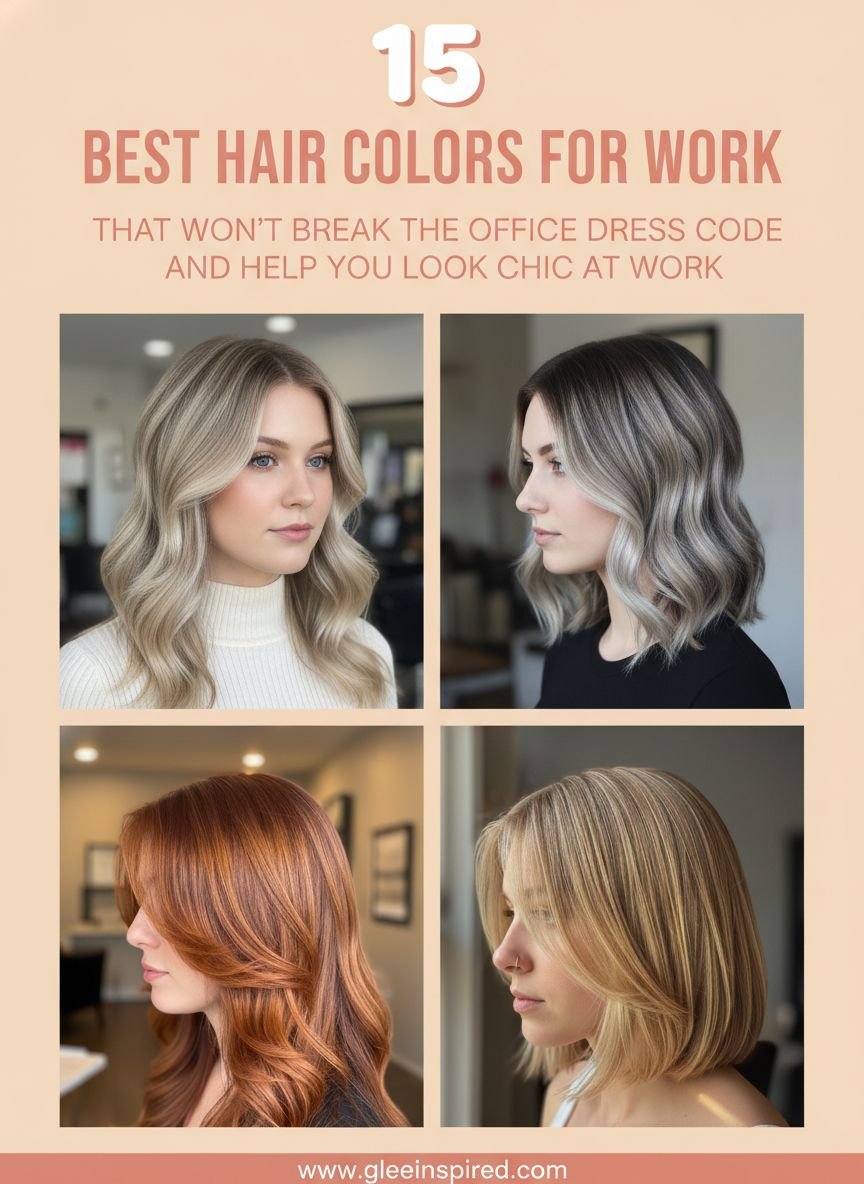
Choosing the best hair colors for work doesn’t mean you have to settle for boring, flat hair. The modern workplace embraces style, provided it is polished and intentional. Whether you choose the deep authority of Espresso, the approachable warmth of Golden Honey, or the trendy sophistication of Mushroom Brown, there is a shade that fits your career goals.
The most important factor is the health of your hair. A glossy, well-maintained color will always look professional.

Leave a Comment