
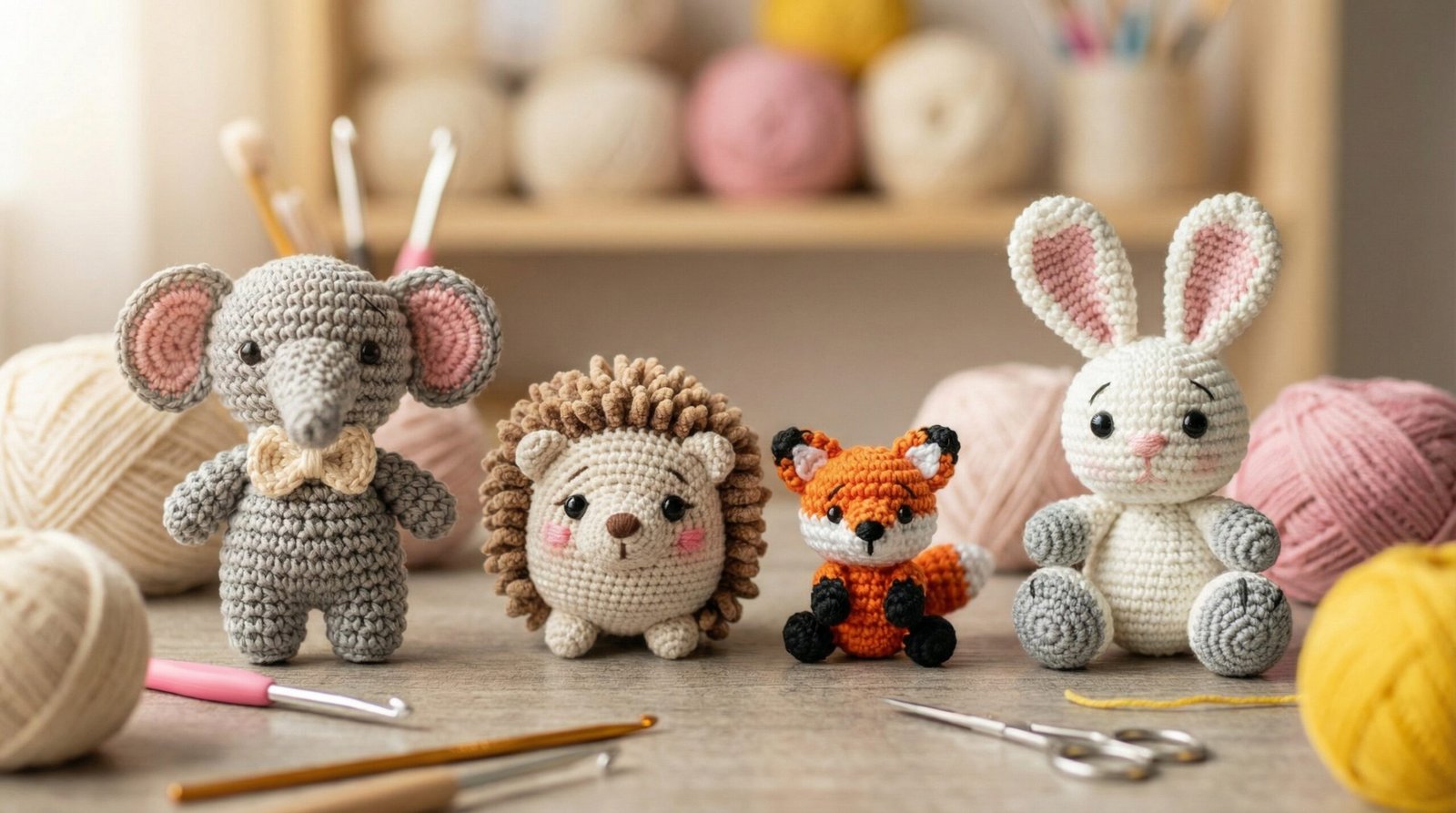
You have a basket full of scrap yarn. It sits in the corner, a colorful, tangled mountain of leftovers that are too small for a scarf but too precious to throw away. You stare at it, feeling that familiar creative itch, but the thought of starting a massive blanket feels overwhelming.
We have all been there. The solution isn’t another heavy project that takes months to finish. The answer lies in the tiny, magical world of miniature crochet animals. These bite-sized projects are the ultimate “stash-busters”they are quick, incredibly satisfying, and result in adorable pocket-sized companions that make perfect gifts.
This isn’t just a list of links. This is your ultimate resource hub for mastering the art of micro-amigurumi. Whether you are a total beginner holding a hook for the first time or an expert looking for a quick dopamine hit, these 5 detailed designs and the surrounding collection of ideas will transform your scrap yarn into a tiny zoo.
Key Takeaways
- Speed & Satisfaction: Most of these patterns can be completed in under an hour, giving you instant gratification.
- Stash-Busting Magic: You only need 10-20 yards of yarn per animal, making this the most cost-effective way to craft.
- Versatile Decor: These miniatures work perfectly as keychains, desk buddies, or whimsical home decor accents.
- Skill Builder: You will master essential skills like the Magic Ring and invisible decrease without the pressure of a large project.
Table of Contents
- The Enchanted Woodland Collection
- The Safari Adventure Set
- The Deep Blue Sea Series
- The Cozy Farmhouse Favorites
- Mastering the Art of Micro Crochet
- Popular Asked Questions
- Conclusion
The Curated Collection: 50+ Ideas to Spark Your Creativity
We have organized these patterns into “worlds” to help you plan your collection. While we highlight 5 specific, detailed designs, use the lists below to expand your zoo to over 50 unique creatures.
The Enchanted Woodland Collection
There is something rustic and cozy about forest creatures. These patterns use earth tonesbrowns, creams, and rust orangesmaking them perfect for autumn decor or year-round cuteness.
1. The Pocket-Sized Crochet Fox
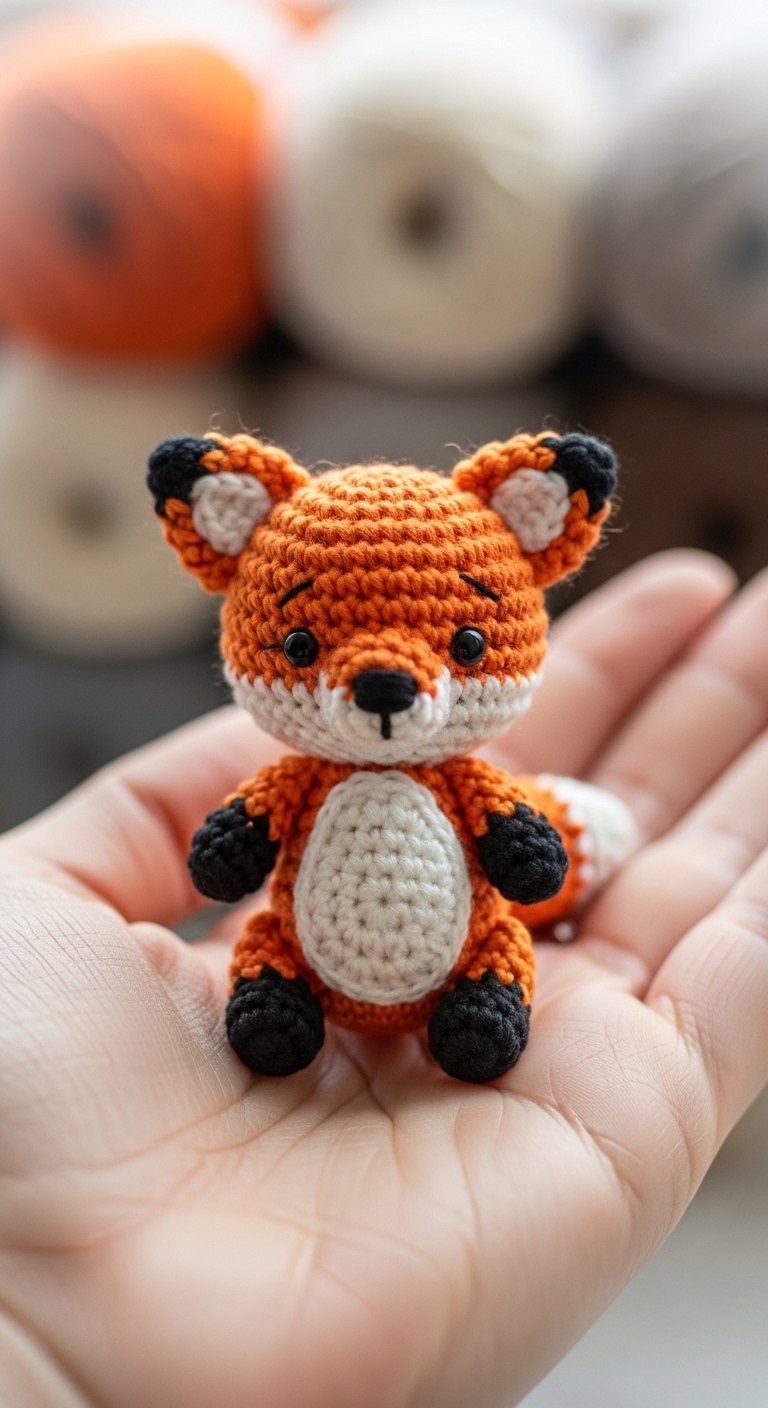
This design captures the cunning yet cute essence of a fox in a flat, “ragdoll” style that is incredibly easy to join. Unlike complex 3D amigurumi, this pattern is worked in flat rows and then stitched together, making it ideal for beginners who struggle with working in the round.
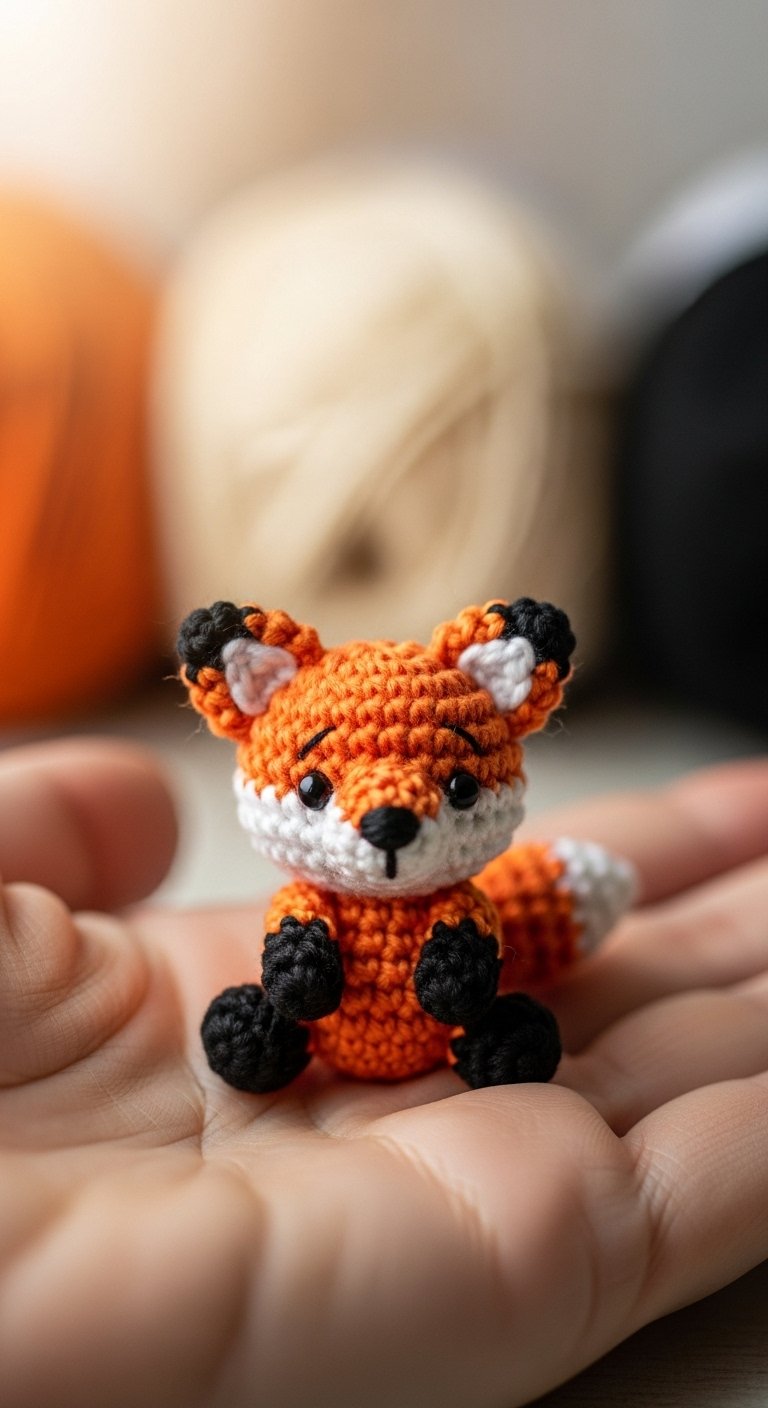
- Why You Need to Make It: It is the perfect size for a keychain or a “pocket pal” for a child.
- Texture & Feel: Use a soft acrylic for a fuzzy finish, or a mercerized cotton for a sleek, defined look.
- Styling Tip: These foxes look incredible sitting on a desk. If you are looking for ways to upgrade your workspace, check out our guide on 17 Genius Small Home Office Ideas That Turn Tiny Corners Into a CEO Den. A little fox next to your laptop adds instant personality.
- Video Help: If you get stuck on the color changes, follow a video tutorial if you want extra help: Tutorial Link.
2. The Tiny Amigurumi Hedgehog
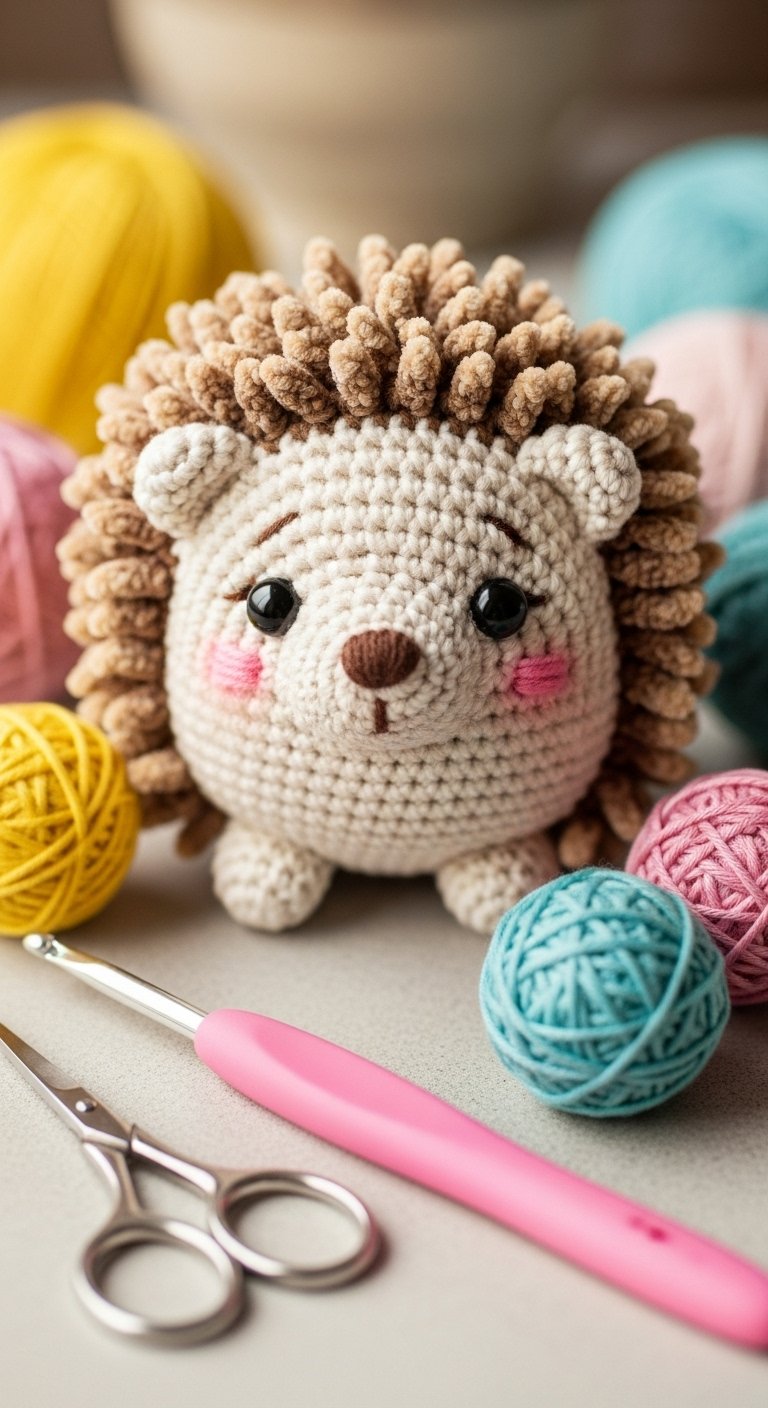
This is the pattern that will make everyone squeal with delight. The secret here is using a textured “eyelash” yarn or a loop stitch for the back to create the quills without them being sharp. The face is worked in smooth beige yarn, creating a lovely tactile contrast.
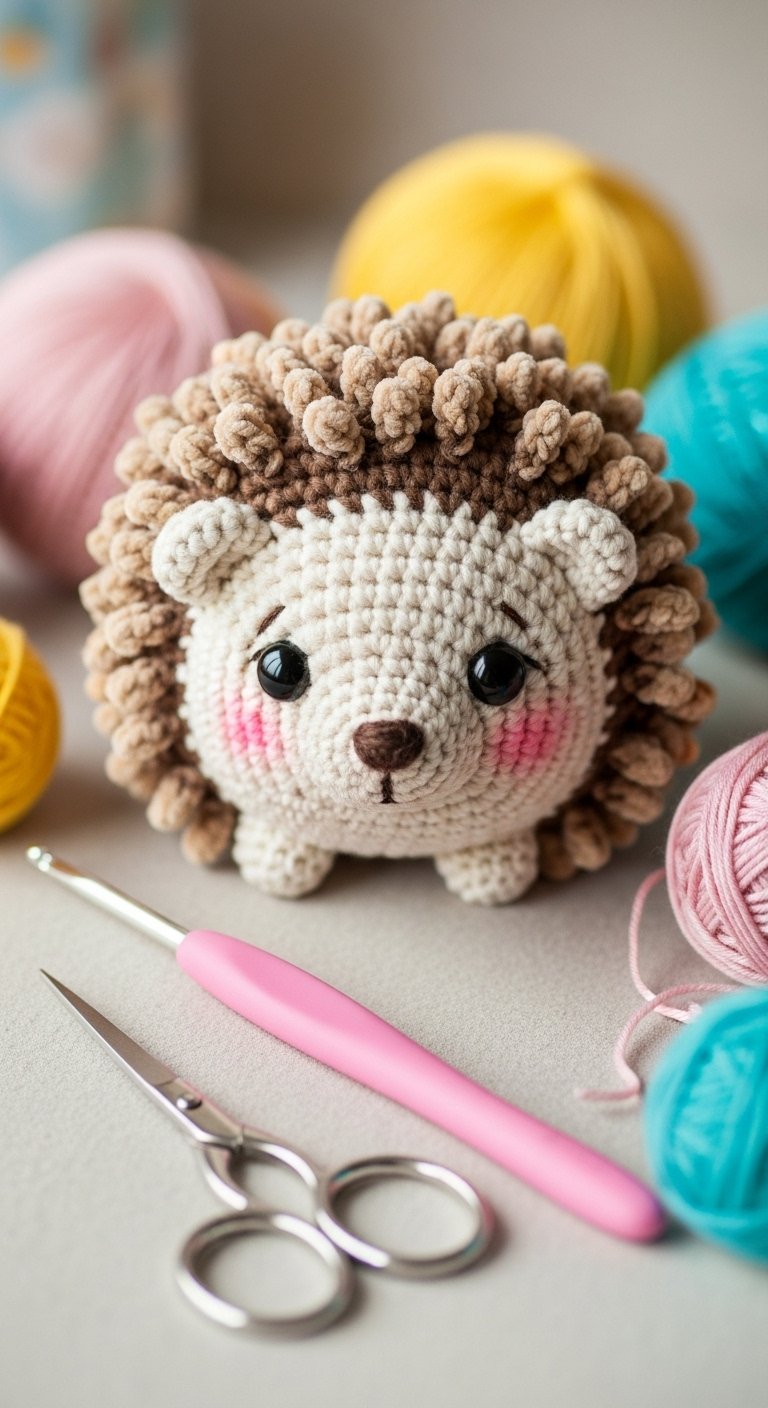
- The Technique: You will likely use the “bobble stitch” or a special loop stitch for the back. It sounds intimidating, but it is just a series of chain loops.
- Where to Put Them: These little guys belong in a garden setting. They fit perfectly into the scenes described in our post on 18 Enchanting Fairy Garden Designs You’ll Want to Try This Weekend. Imagine a tiny crochet hedgehog nestled under a miniature fern!
- Video Help: See exactly how to create the quills here: Tutorial Link.
More Woodland Ideas to Try:
- Miniature Owl with big safety eyes.
- Tiny Acorn sprites.
- Micro Deer with pipe cleaner antlers.
- Pocket Raccoon with a felt mask.
- Small Bear in a sweater.
- Tiny Mushroom houses.
- Mini Wolf pup.
- Chipmunk with stuffed cheeks.
- Badger with stripes.
- Pinecone critters.
The Safari Adventure Set
Bring the wild into your home with these exotic miniatures. These patterns often use simple shapes to create recognizable silhouettes.
3. The Mini Crochet Elephant
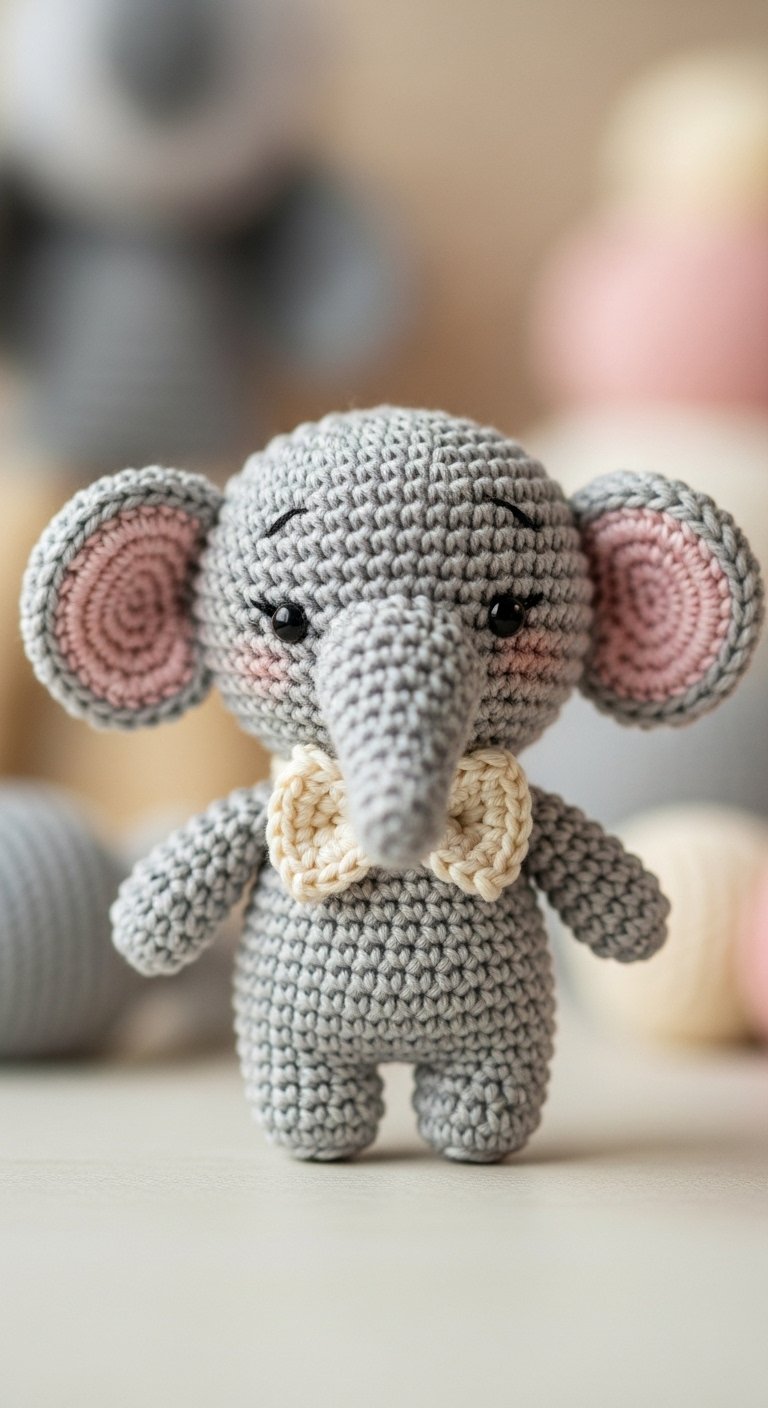
This pattern is a classic for a reason. The construction is usually continuous, meaning you crochet the legs and body as one piece to minimize sewing (the bane of every crocheter’s existence). The trunk is often created by chaining off the face, which is a fun technique to learn.
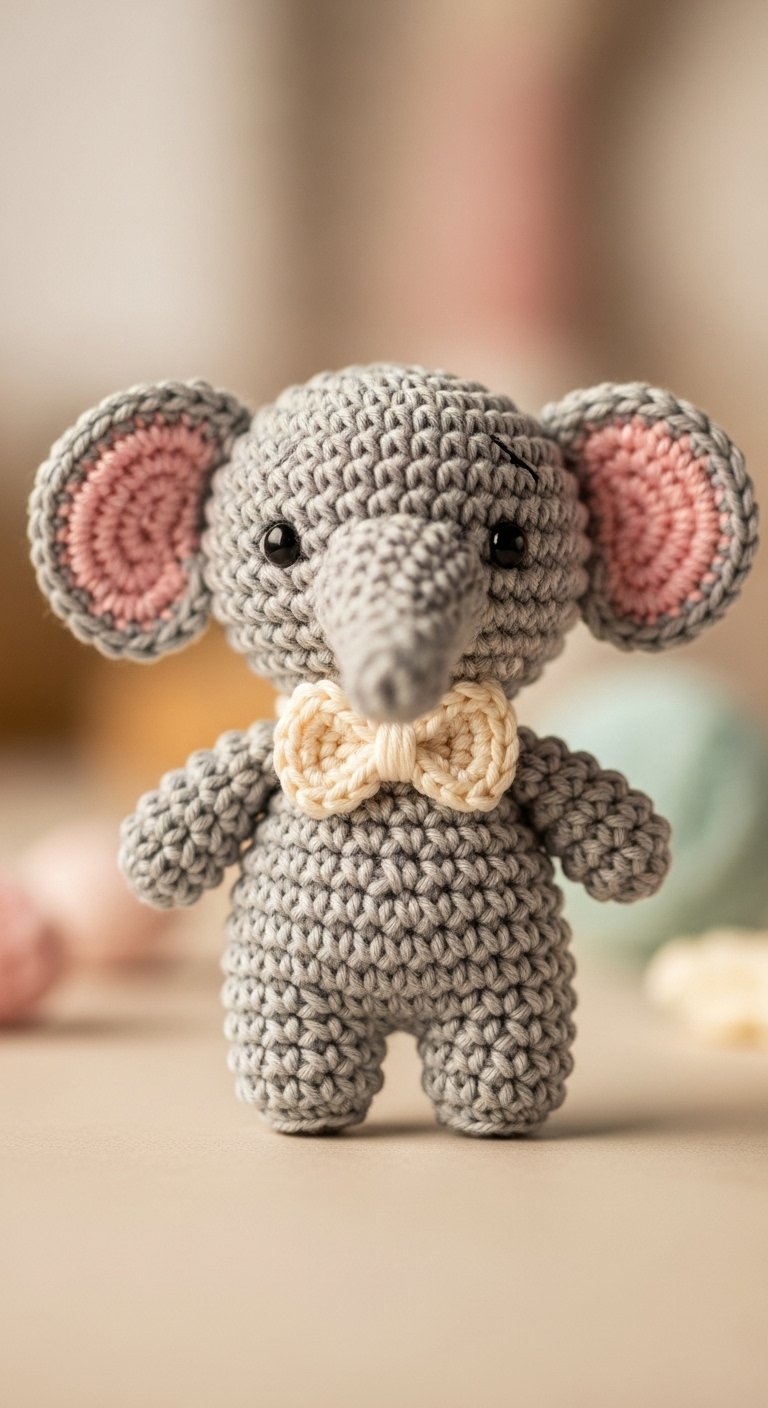
- Design Detail: The floppy ears are sewn on separately, giving the elephant a sweet, expressive look.
- Display Idea: These elephants look sophisticated when lined up on a shelf. For inspiration on how to style them without looking cluttered, read 17 Aesthetic Bedroom Shelving Ideas That Combine Style & Function.
- Video Help: Watch the trunk construction in action: Tutorial Link.
More Safari Ideas to Try:
- Tall Giraffe (use a pipe cleaner for the neck).
- Round Hippo (perfect for velvet yarn).
- Mini Lion with a loop-stitch mane.
- Striped Zebra.
- Cheeky Monkey with a long tail.
- Tiny Rhino with a knot horn.
- Sloth hanging from a branch.
- Parrot with bright colors.
- Crocodile (worked flat).
- Flamingo with wire legs.
The Deep Blue Sea Series
Ocean creatures are fantastic for beginners because they often rely on simple spheres and repetitive tentacles.
4. The Miniature Crochet Jellyfish
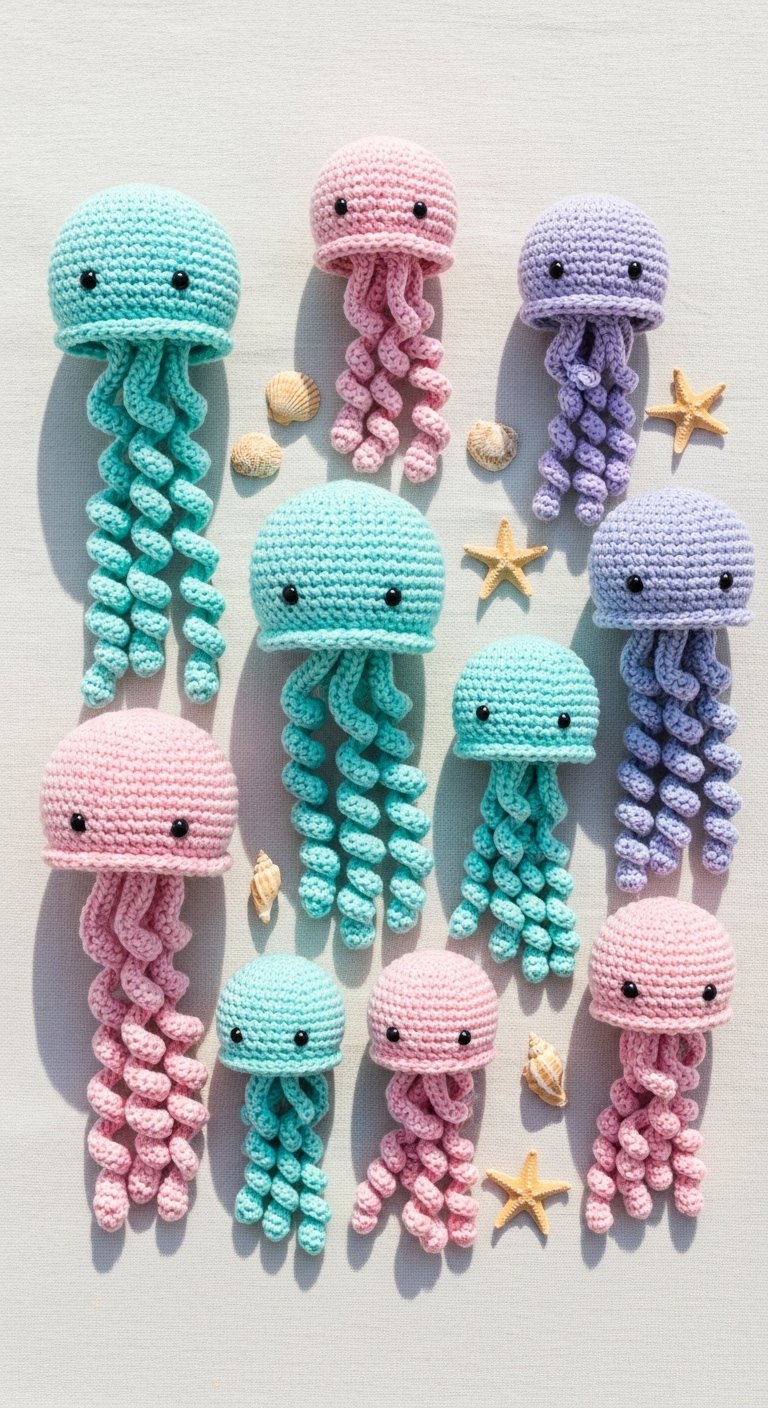
This is arguably the most relaxing pattern on this list. You essentially crochet a half-sphere for the body and then simple chains for the tentacles. It is a “no-sew” wonder if you attach the tentacles directly to the body.
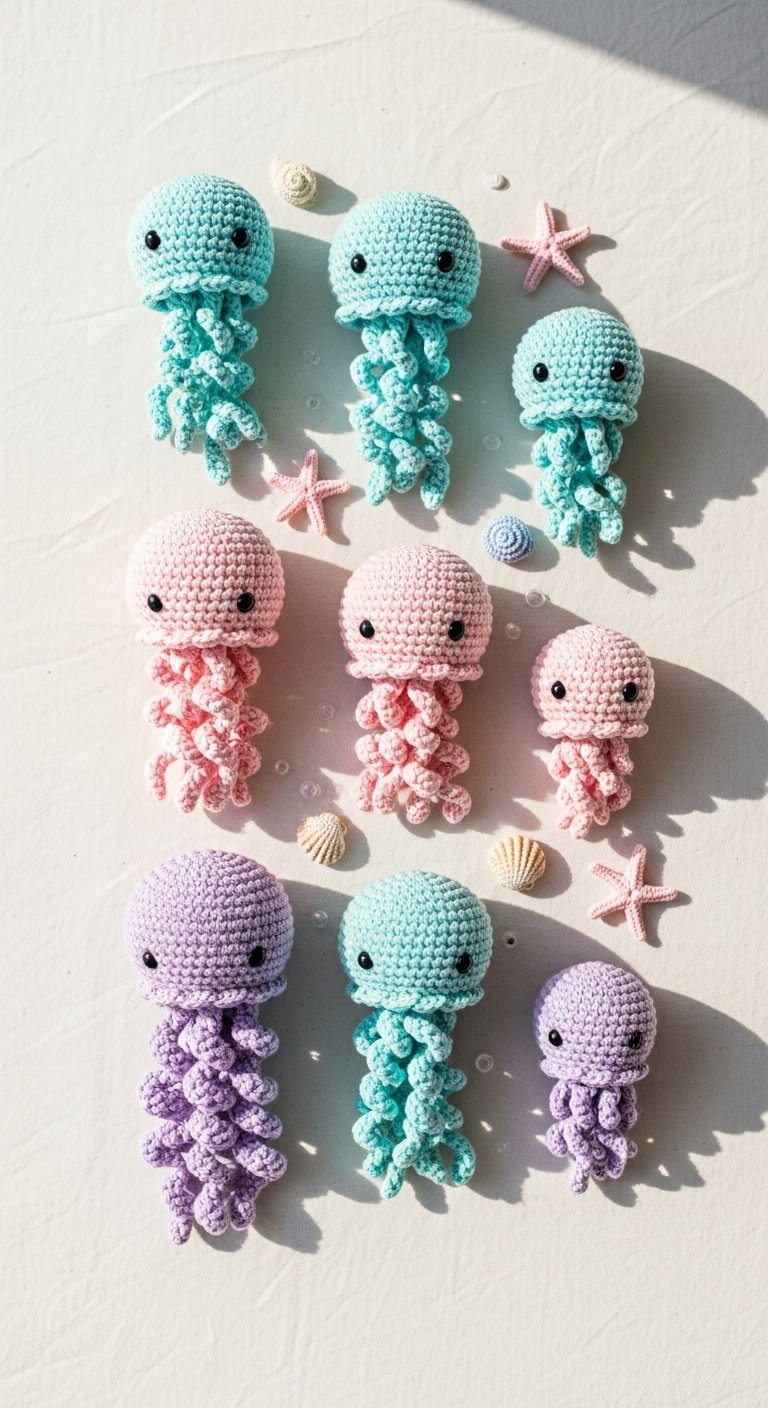
- Why It Works: It is tactile and sensory. The curly tentacles are fun to fidget with.
- Styling Idea: If you use cotton yarn, these can actually double as cute scrubbies or decor in a bathroom. See how they could fit into a theme in our article on 19 Stunning Kids Bathroom Ideas That Make Bath Time the Best Part of the Day.
- Video Help: Learn the spiral tentacle trick here: Tutorial Link.
More Ocean Ideas to Try:
- Round Pufferfish.
- Tiny Whale.
- Starfish (star stitch).
- Crab with claws.
- Seahorse.
- Octopus (similar to jellyfish but with legs).
- Ray (flat diamond shape).
- Shark.
- Turtle with a removable shell.
- Mermaid doll.
The Cozy Farmhouse Favorites
5. The Small Crochet Bunny
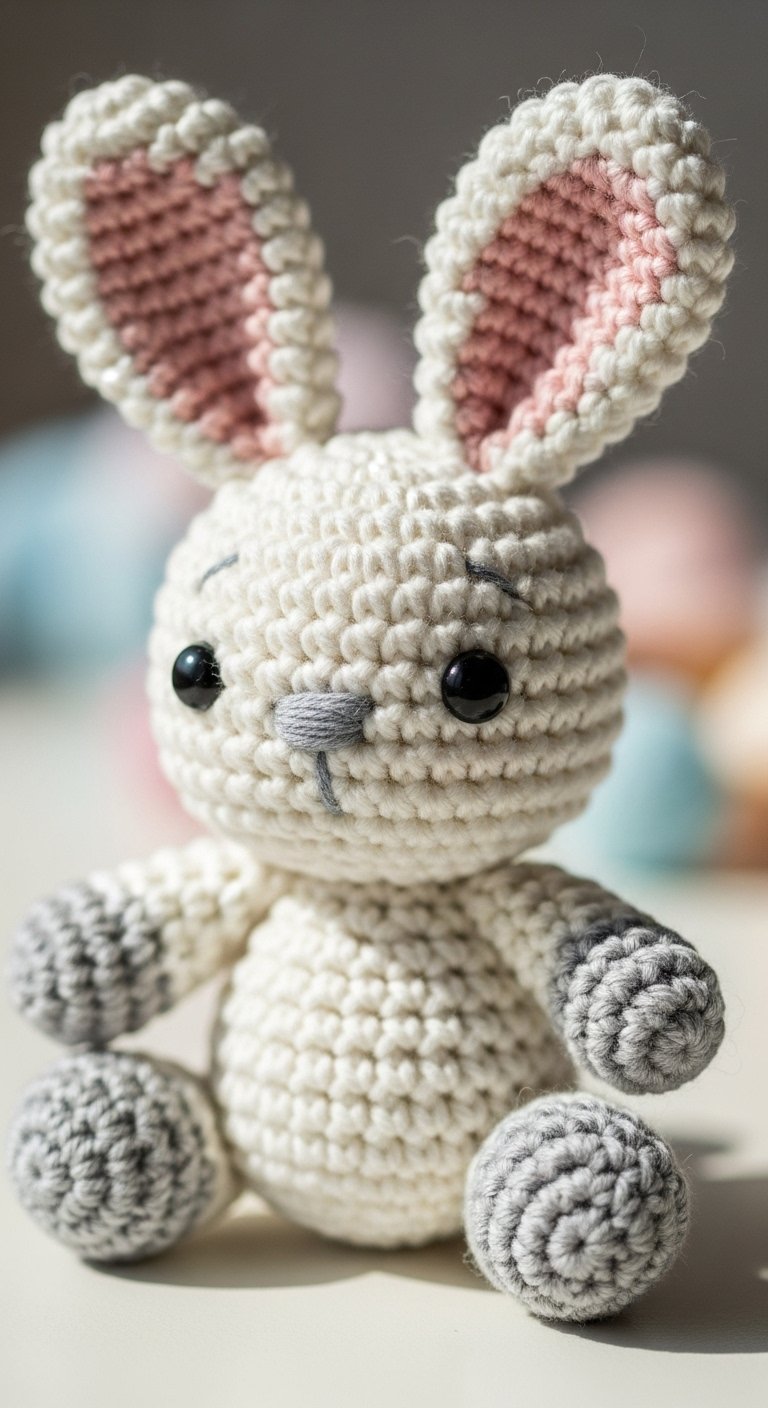
Bunnies are not just for Easter. This pattern usually features long, droopy ears and a round “pom-pom” style tail. It is the quintessential cute amigurumi project.
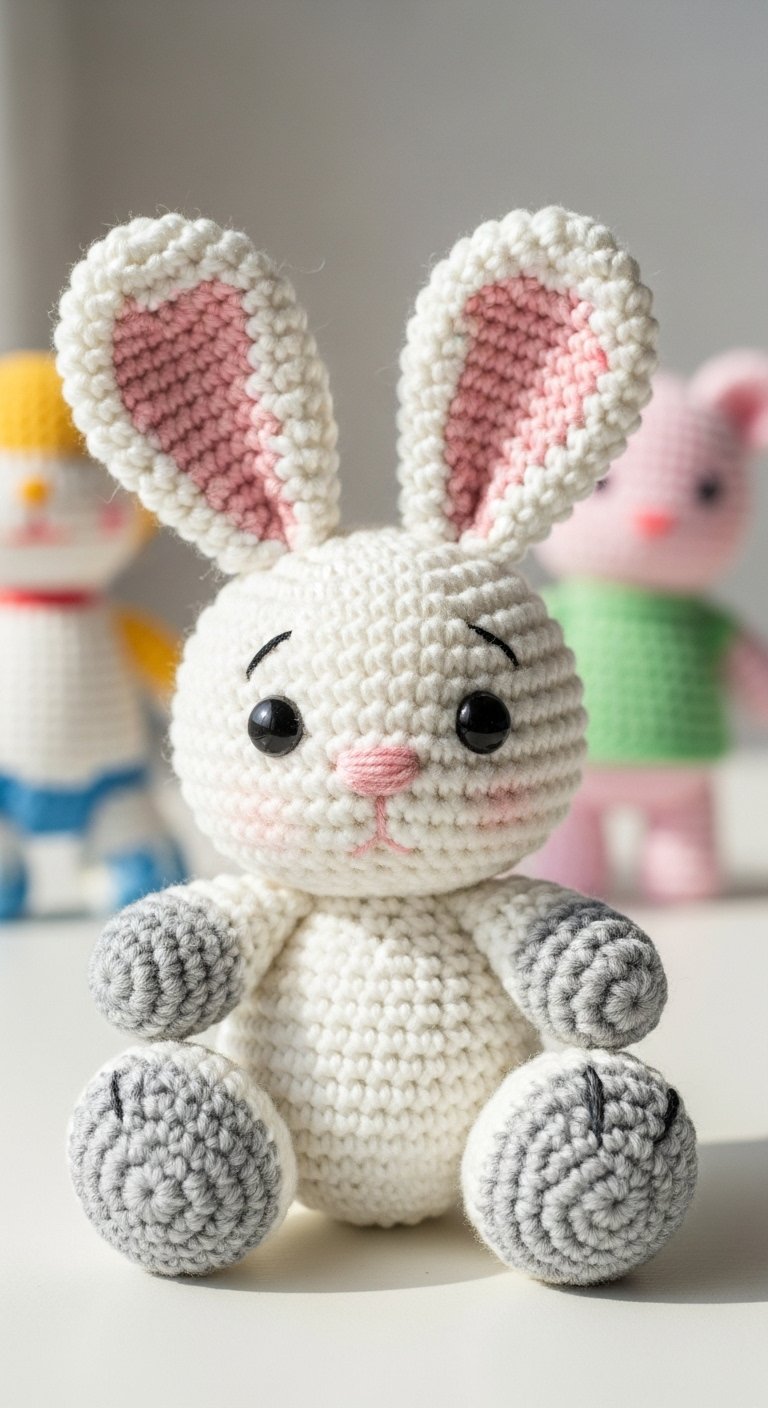
- The Trick: The placement of the ears changes the entire personality. Place them high for an alert bunny, or low for a sad, sweet bunny.
- Garden Companion: These bunnies look adorable tucked into a vegetable patch. If you are planning your garden, check out 20 Productive Vegetable Garden Layout Ideas That Maximize Your Harvesta little yarn bunny guarding the carrots is a whimsical touch.
- Storage: Once you make one, you will make twenty. Store your growing colony using tips from 8 Genius Bedroom Storage Solutions for Small Spaces That Instantly Double Your Room.
More Farm Ideas to Try:
- Round Piglet.
- Tiny Chick (yellow fuzz).
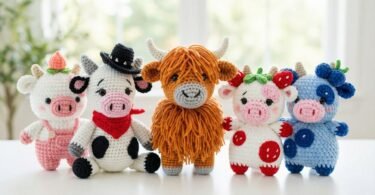
- Cow with spots.
- Sheep (bobble stitch).
- Horse/Pony.
- Duck.
- Goat.
- Mouse with big ears.
- Farm Dog.
- Barn Cat.
Mastering the Art of Micro Crochet
To transition from “crochet” to “miniature crochet,” you need to refine your toolkit and technique.
The Right Materials
The difference between a lumpy mess and a crisp miniature lies in the fiber. For the best definition, use 100% Mercerized Cotton. This yarn has been treated to remove the fuzz, leaving a smooth, shiny cord that shows every stitch clearly. You can read more about the chemical process of mercerisation to understand why it is stronger and holds dye better than regular cotton.
Avoid cheap acrylics for micro-work, as the fibers tend to split and halo, obscuring the tiny details you are working so hard to create.
Essential Tools
- The Hook: You will likely drop down to a 2.0mm or even a 1.5mm hook.
- Lighting: You cannot do this in the dark. Use a bright neck light or desk lamp.
- Eyes: Safety eyes (4mm or 6mm) are standard, but for true miniatures, consider using French Knots with black embroidery floss.
- Stuffing: Use a pair of tweezers or a hemostat to stuff the tiny limbs. Your fingers will be too big!
Top Tips for Success
- Tension is King: You must crochet tighter than usual to prevent gaps where stuffing shows through.
- Yarn Under, Not Over: When doing a single crochet, grab the yarn from underneath (yarn under) rather than over. This creates a tighter “X” shaped stitch rather than a “V”, which looks neater for miniatures.
- Invisible Decrease: Never use a standard decrease. Always use the invisible decrease (front loops only) to make the shaping seamless.
Popular Asked Questions
What is the best yarn for miniature amigurumi?
The best yarn is widely considered to be mercerized cotton in sport or fingering weight (Category 1 or 2). It has zero stretch, excellent stitch definition, and comes in vibrant colors. Brands like Scheepjes Catona or Hobbii Rainbow Cotton are favorites among micro-crocheters.
Is micro crochet difficult for beginners?
It can be challenging because the stitches are small and hard to see. However, the patterns themselves are often very simple (mostly single crochet). If you are a beginner, start with a standard worsted weight yarn and a 4mm hook to learn the pattern, then scale down to smaller yarn and hooks once you are confident.
How long does it take to crochet a mini animal?
One of the best parts of miniature crochet is the speed! A simple jelly fish or round bird can take as little as 20 to 30 minutes. More complex animals with sewn-on limbs like the elephant or fox might take 45 minutes to an hour. It is a perfect “one-sitting” project.
Can I sell these miniature animals?
Yes! Miniature crochet animals are high-margin items at craft fairs because they are cute and quick to make. However, always check the specific policy of the pattern designer. Most allow sales of finished items but credit is usually appreciated.
Conclusion
The world of miniature crochet is vast, colorful, and incredibly addictive. It turns the struggle of leftover yarn into an abundance of creativity. Whether you are populating a Fairy Garden or just looking for a cute keychain, these patterns are your starting point.
Don’t let that scrap yarn sit there for another day. Grab your smallest hook, pick a pattern from our Curated Collection, and start stitching your own tiny menagerie today.
Pin This For Later!
Save this guide to your “Crochet Projects” or “DIY Gifts” board on Pinterest so you can find these patterns whenever you have scrap yarn to burn.
Leave a Comment